
Women leaders are at the forefront of reshaping public spaces in two of Europe’s most iconic cities. Anne Hidalgo in Paris and Ada Colau in Barcelona have redefined how urban areas should be structured, emphasizing social equity, sustainability, and inclusivity. Their leadership has led to significant changes in urban planning that prioritize people over vehicles, particularly focusing on the needs of women, children, and the elderly.
In both cities, these leaders have successfully moved away from traditional, car-dominant planning models, instead emphasizing the importance of shared public spaces. Their work goes beyond just improving aesthetics—it is about ensuring that cities are accessible to everyone, especially those who have historically been excluded from the conversation around public space and transportation.
Barcelona’s Superblocks: A Model of Feminist Urban Planning
Barcelona, under the leadership of Ada Colau, has introduced the Superblock (Superilla) model. This urban innovation groups several city blocks together, eliminating through-traffic and transforming these areas into pedestrian-friendly spaces. While often discussed as an environmental initiative, Colau’s team has explicitly connected the model to feminist principles by making these spaces safer and more accessible for those who perform caregiving tasks—predominantly women.
The Superblock program has already shown tangible benefits. In neighborhoods like Poblenou, traffic-related accidents have significantly decreased, and local businesses have seen a 30% increase in activity. The redesign is based on the understanding that women’s daily mobility often involves trip-chaining, where multiple stops are made for daily tasks like grocery shopping, picking up children from school, or caring for elderly family members. These urban changes cater directly to these patterns, creating environments that allow women and caregivers to move more freely and safely.
The Pedestrianization of Paris: Anne Hidalgo’s 15-Minute City Vision
In Paris, Anne Hidalgo has spearheaded the 15-minute city vision, which proposes that all essential services, such as shops, healthcare, and education, be within a 15-minute walk or bike ride from home. This concept is designed to reduce the city’s reliance on cars and make Paris more pedestrian and cyclist-friendly. Through this approach, Hidalgo has made Paris one of the leading cities in Europe in terms of walkability and sustainability.
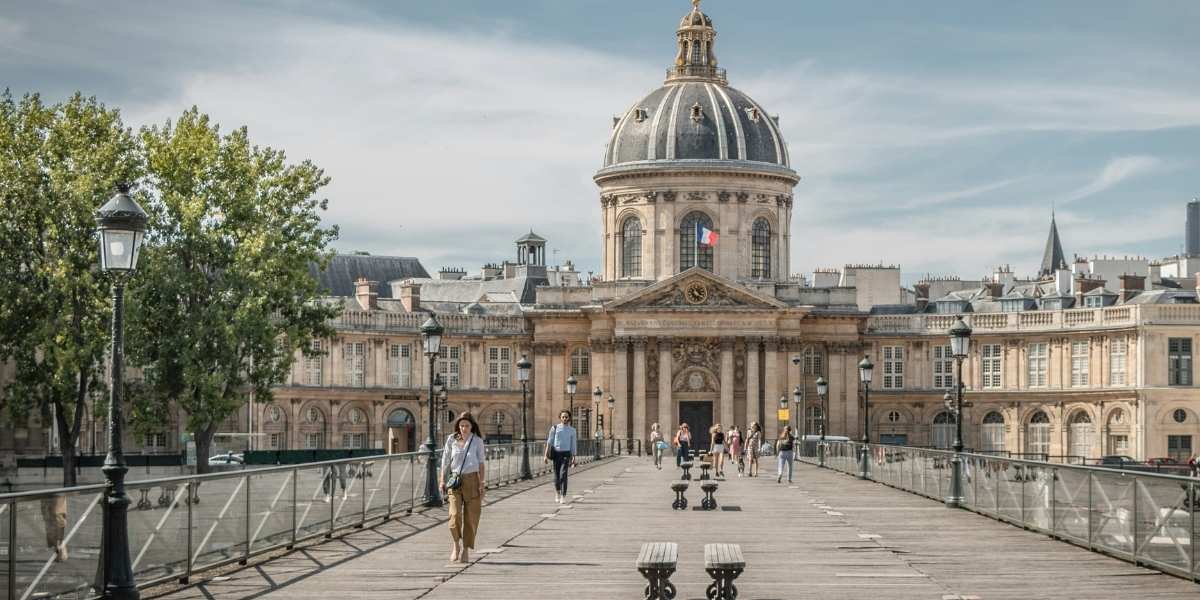
Hidalgo’s leadership has also resulted in the creation of school streets—areas around schools that are entirely pedestrian-only during school hours. This initiative not only enhances safety for children but also creates spaces where parents and children can interact outside of cars. The transformation of roads along the Seine River into pedestrian promenades and parks is another example of how Hidalgo has made urban space more accessible and enjoyable for Parisians. Since the introduction of these initiatives, the city has planted 145,000 trees and developed 45 kilometers of new parks, helping to combat the urban heat island effect and create more green spaces for residents.
Reclaiming Public Space for Care and Community
Both Anne Hidalgo and Ada Colau share a common goal of creating cities that prioritize care and community. They have both introduced urban planning policies that reduce car dependence and create safer, more welcoming environments for people. By reclaiming public spaces for pedestrians and cyclists, they are ensuring that the urban environment supports caregiving, walking, and local business activity rather than just facilitating commuter traffic.
In Paris, the introduction of protected cycling lanes and pedestrianized streets is a direct effort to make the city more navigable for families, caregivers, and individuals who do not rely on cars. Similarly, Barcelona’s Superblocks have created safer and quieter environments that support the daily activities of those who provide care in the community. These changes are particularly important for women, who disproportionately perform caregiving tasks, and for the elderly, who need safe routes to navigate the city.
Gender-Responsive Urban Planning: Data-Driven Equity
One of the defining aspects of women leaders in urban planning is the integration of gender-disaggregated data. In Barcelona, the city has used this data to better understand how women interact with public transport and urban spaces. Research has shown that women use public transport more frequently than men and often make shorter, more frequent trips for caregiving and other domestic responsibilities.
By using this gendered data, Barcelona’s Gender Justice Plan has ensured that urban planning and transport policies address the needs of the most frequent users of public services—women. The plan includes initiatives like safety audits, which allow residents to identify and address safety concerns in their neighborhoods, and the redesign of public transport networks to better support family-related travel. This approach ensures that public space is not neutral but reflects the diversity of those who use it.
Inclusive Leadership for Sustainable Urban Design
The work of Ada Colau and Anne Hidalgo is gaining recognition not only in their cities but globally. Their leadership in urban planning is helping to reshape the way cities approach public space, transportation, and care. As cities around the world look to build more sustainable and equitable environments, the leadership of these women provides a model for how urban spaces can serve the needs of all residents, not just those who drive cars.
Barcelona will host the Euro-Global Women’s Forum, where urban design and inclusive leadership will take center stage. This event will highlight how inclusive urban design can create cities that are more livable and resilient, setting the stage for other cities to follow. Similarly, Hidalgo’s work in Paris, particularly her advocacy for the 15-minute city, continues to influence global conversations around urban mobility and sustainability.