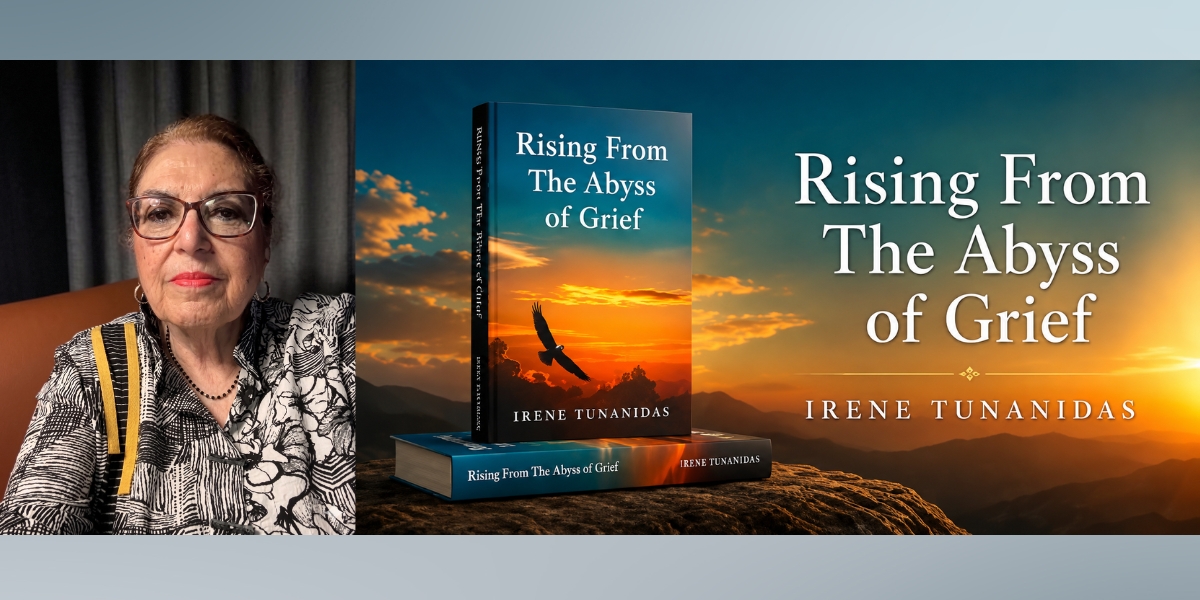


Most people who dedicate their lives to serving others are very good at one thing and not so good at another. They know how to show up for everyone around them. They are much less practiced at showing up for themselves. Irene Tunanidas spent the better part of her adult life in service to other people. Her students, her community, her mother, her organization. When her term as president of the Ohio Association of the Deaf ended in 2024, she did something she had not done in a very long time. She asked herself what she needed. The answer was a book she had started writing thirteen years earlier and never finished.
A Life Spent Showing Up for Others
Irene did not arrive at community leadership by accident. She had been building toward it her whole career.
She spent more than thirty years teaching deaf children in Ohio public schools, first in Youngstown and then in Poland. Every year brought a new group of students who needed someone in their corner, and she was consistently that person. Outside the classroom, she gave her time to her community through volunteer work and fundraising, joining organizations that served the deaf and hard of hearing population in her area and putting in the hours those organizations required to function.
When she took on the presidency of the Ohio Association of the Deaf, she brought the same commitment to that role that she had brought to everything before it. The position demanded her time, her focus, and her energy. She gave all three without reservation. It was what the role needed, and she understood that.
What she set aside during those years was the manuscript she had started writing in 2011. The book had begun as a personal project, a way of processing the grief and exhaustion that had followed three years of caring for her mother. When the demands of leadership took over, the pages went into a drawer and stayed there. There was always something more urgent, something that needed her attention more than her own story did.
What Happens When the Term Ends
When Irene’s presidency of the Ohio Association of the Deaf concluded in 2024, she did not immediately look for the next position or the next responsibility to take on. She made a different choice. She went back to the manuscript.
That decision is quieter than it sounds. For someone who had spent decades defining herself through what she did for others, choosing to finish a book that was entirely about her own experience was not a small thing. It required a shift in thinking that most people in her position find genuinely difficult. The instinct after a life of service is to keep serving, to find the next role, the next committee, the next place where you are needed. Sitting down to finish your own story asks you to resist that instinct and trust that your story is worth the time.
Irene trusted it. She went back to the pages, picked up where she had left off, and committed to finishing what she had started.
It Was Not an Easy Return
Going back to the manuscript after more than a decade away was harder than starting it had been.
Her body had changed. Arthritic pain in her joints made long stretches at the keyboard difficult. Some days she could only write for a short time before she had to stop and rest. The physical side of finishing the book required its own kind of patience, separate from everything else the writing demanded.
The material itself was not easy to return to either. Writing about the years she had spent caring for her mother brought memories back in ways she had not fully anticipated. There were days when the writing got too heavy and she had to step away, clear her head, and come back when she was ready. The manuscript did not come together quickly or cleanly. It came together the same way most honest things do, slowly, with interruptions, and only because she kept returning to it.
She finished it anyway. That matters more than how long it took.
What Her Choice Can Tell You About Your Own
There is something in Irene’s story that goes beyond the details of her specific life. It speaks to a pattern that shows up in a lot of people who are wired to put others first.
At some point, the service has to include yourself. Not instead of everything else, but alongside it. The story you have been carrying, the one you keep setting aside because something more pressing always comes up, does not go away just because you are busy. It waits. And when you finally make room for it, you often find that it is more important than you had allowed yourself to believe.
Irene started writing in 2011 because she needed to. She finished in 2024 because she chose to. That gap between need and choice, thirteen years of other people’s needs coming first, is something a lot of people will recognize. The question her story asks is a simple one. What have you been putting off that deserves your attention now?
The Book That Finally Got Written
Rising From the Abyss of Grief is the result of Irene giving herself permission to finish something that was entirely hers. It is part memoir and part 30-day devotional, written for anyone who has been through a loss that did not resolve on its own schedule and needed something practical to hold onto in the meantime.
The book is not about having the answers. It is about what it looks like to keep going when you do not have them. That is the kind of honesty that only comes from someone who has actually been there, who sat in the grief long enough to understand what it does to a person and what it takes to start moving again. Irene did not write this book from a comfortable distance. She wrote it from the middle of the experience, even if finishing it took fourteen years. For anyone who has ever wondered whether their story is worth telling, Irene’s answer is already on the page. It is.

A Larger Stage for a Long-Overdue Story
This year, Irene Tunanidas was featured on WDTN-TV’s Living Dayton segment, sharing her story with a regional television audience through a sign language interpreter. For someone who spent most of her career working behind the scenes, in classrooms and meeting rooms and hospital rooms, the appearance represented something new. Her story, the one she had spent decades setting aside in favor of everyone else’s, was finally getting the kind of attention it had always deserved.
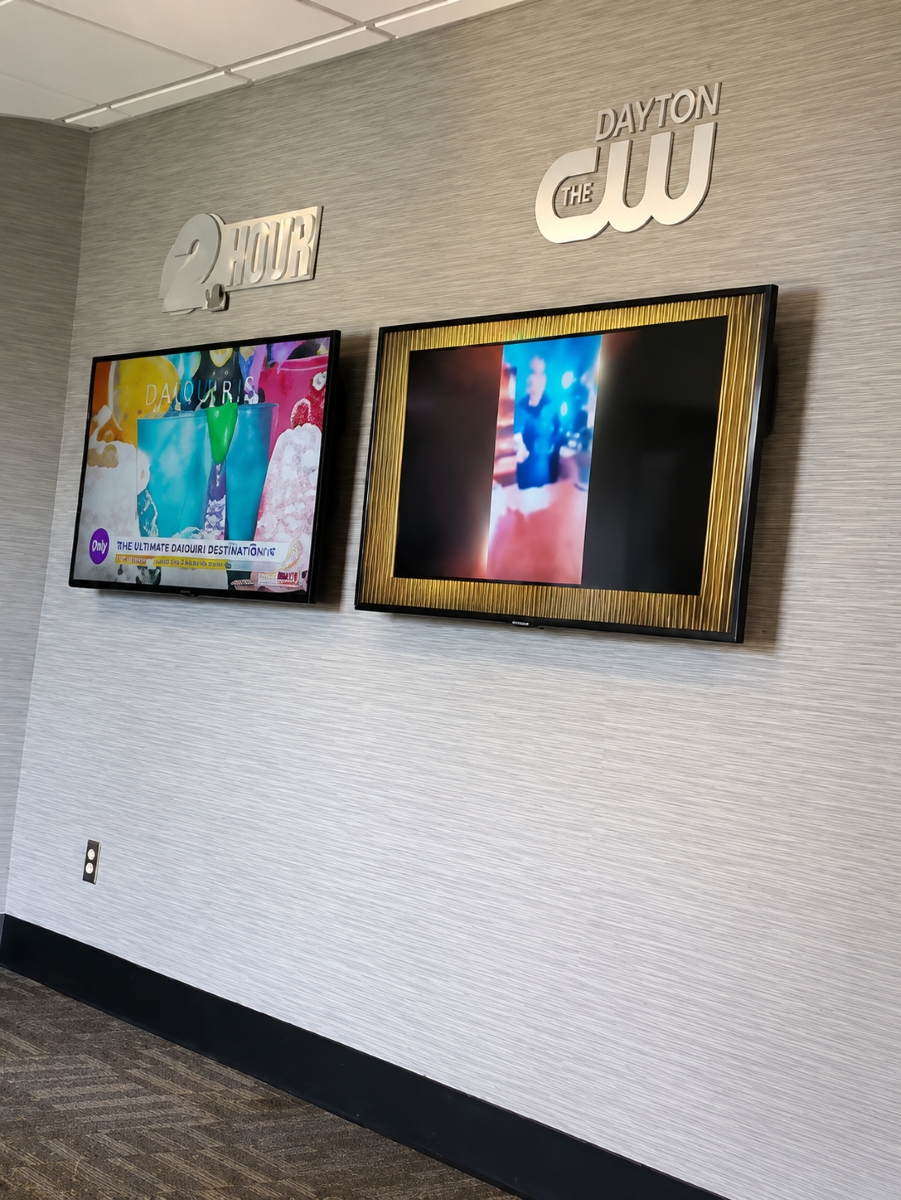
The response from viewers reflected what her book already shows. People recognized her experience. They saw their own lives in parts of her story. That is what happens when someone tells the truth without dressing it up. It reaches people in the places where they are actually living.
Irene did not spend her life chasing that kind of recognition. But she earned it, one quiet year of service at a time.
Irene Tunanidas spent decades making sure other people had what they needed. Rising From the Abyss of Grief is what she wrote when she finally decided she deserved the same.
Rising From the Abyss of Grief – Paperback
https://www.amazon.com/dp/B0FT24VXTB
Website: https://risingfromtheabyssofgrief.com/
Facebook Page: https://www.facebook.com/irenetunanidas/