The Almond Dip That Became a Snacking Platform

Most food brands that hit $56M in revenue are selling one thing in one category. Bitchin’ Sauce founder Starr Edwards decided to do something riskier: take the clean-label constraints that made the original product expensive to manufacture and apply them to an entirely new lineup of chips, salsas, and bean dips. Same rules, new categories, more complexity. On purpose.

One Recipe, Twenty-Plus Flavors

The original almond dip is still the anchor. The same original base recipe: almonds, lemon juice, garlic, nutritional yeast, oil. Nothing synthetic, nothing added to make the production process easier. Starr started selling that same recipe at a San Diego farmers market in 2010 and hasn’t touched it since. What has changed is the flavor count. It’s past twenty now, and the range covers territory most single-base products can’t touch. Chipotle on one end, Pumpkin Pie somewhere near the other, and flavors like Cilantro Chili and Salted Caramel scattered in between.

The USDA puts almonds at about six grams of protein per ounce, plus vitamin E and mostly monounsaturated fats. That’s a lot of nutritional density from one ingredient, which is part of why the base holds together across twenty very different flavor directions without needing additives to compensate. But the bigger story is that every flavor ships with zero synthetic additives. That’s twenty production lines all following the same uncompromising rules.

The New Categories

In 2026, the company is expanding beyond dips. Bitchin’ Chips are almond-oil-based tortilla chips. Salsacadosâ„¢ combine salsa with avocado chunks. There are two refrigerated bean dip flavors. And the Snacker is a collaboration with The Good Crisp Company. Each one gets made under the same rules as the original dip. No gums, no stabilizers, nothing synthetic anywhere in the lineup.

The retail math changes when you go from one product to a full lineup. One SKU earns a single facing in the dip section. Dips, chips, and salsas from the same brand start occupying real shelf real estate, especially at Costco, Target, Kroger, then add Whole Foods and Sprouts and you’re past 15,000 locations. Internationally, the product is now moving through Australia, New Zealand, South Korea, China, and Mexico.

Why the People Matter

Bitchin’ Kids started from a simple belief: no parent should have to choose between providing for their child and raising them. Starr built the program around that.

It began as free, on-site childcare at the facility, a loving and educational environment where parents could drop in during breaks or lunch. Kids grew up together, parents became real friends, and the workplace built a community that didn’t need a team-building budget to exist.

As the team shifted remote, the program shifted with it, becoming an annual non-taxable reimbursement of $7,500 per employee. Over $1.6M offered since 2019.

Voluntary turnover is at 16.4%. The industry norm hovers around 28%. The people who’ve been running the same process for four-plus years know things that don’t transfer in an onboarding doc. That’s what the program protects.

Where the Platform Goes

$56M in peak annual revenue with the product lineup still expanding. The original dip now has more than twenty flavors. New categories are launching. International markets are growing. And the company is still family-owned, still in Carlsbad, still producing without a single preservative in any product.

The question isn’t whether a snacking platform can be built on clean-label principles. That’s already happened. The question is whether anyone else in the industry is willing to try it without cutting corners first?

About Bitchin’ Sauce

Bitchin’ Sauce is a family-owned, Carlsbad, California-based brand founded in 2010 by Starr and Luke Edwards. The company pioneered the almond-based dip category and has grown from local farmers markets to national distribution in 15,000+ retail locations including Costco, Whole Foods, Sprouts, Target, and Kroger. Committed to clean-label manufacturing and industry-leading employee benefits, Bitchin’ Sauce remains a plant-based, better-for-you leader in the snacking category. Learn more at bitchinsauce.com.


Developer Networking Platforms Add LinkedIn-Style Features

Developer networking platforms are increasingly incorporating professional profile and career discovery tools as software engineers seek new ways to connect with peers, showcase technical work, and explore employment opportunities across the technology industry. A growing number of developer-focused services are introducing features traditionally associated with professional networking sites, creating new spaces where coding portfolios, project contributions, and industry relationships can coexist within technical communities.

The shift reflects changing expectations among developers who want professional visibility without leaving environments already centered on software development. Platforms that began primarily as coding repositories, community forums, learning environments, or open-source collaboration hubs are expanding their offerings to include identity-building tools, recruitment features, and professional networking capabilities.

As companies compete for engineering talent and developers seek more specialized career resources, the integration of networking functions into technical platforms has emerged as a notable development across the broader software ecosystem.

Developer Networking Platforms Expand Beyond Code Sharing

Many technology-focused communities have historically concentrated on project collaboration, technical discussions, and educational resources. However, platform operators are increasingly recognizing the value of helping users establish professional identities alongside their technical contributions.

Developer profiles are becoming more comprehensive, allowing engineers to highlight programming languages, project histories, certifications, work experience, and areas of expertise. Rather than relying solely on resumes, users can demonstrate their abilities through visible code repositories, participation records, and documented contributions to collaborative projects.

This approach offers employers and recruiters an opportunity to evaluate candidates through practical evidence of technical work. Open-source contributions, bug fixes, project leadership, and community engagement can provide additional context beyond traditional hiring documents.

Several platforms are also introducing recommendation systems that help users discover peers with similar interests, technical specialties, or project goals. These tools are designed to facilitate connections among engineers working in related fields, including artificial intelligence, cybersecurity, cloud computing, software infrastructure, and web development.

The integration of networking functions directly into technical environments allows users to maintain professional relationships without shifting between multiple digital platforms.

Career Discovery Tools Become More Common

The addition of career-focused features has become a central component of many platform strategies. Job discovery sections, employer profiles, and recruitment integrations are increasingly appearing alongside traditional developer resources.

Companies seeking engineering talent are gaining access to audiences that are already actively engaged in software development activities. This creates opportunities for employers to identify candidates based on demonstrated technical involvement rather than relying exclusively on conventional job applications.

Developers, meanwhile, can access employment opportunities that align with their technical backgrounds and interests. Matching systems often consider programming experience, project participation, and community engagement when recommending roles.

Some platforms have also introduced mechanisms that allow users to indicate whether they are open to new opportunities while maintaining control over profile visibility and professional preferences. Such features aim to simplify recruitment interactions while preserving flexibility for users who may not be actively seeking new positions.

The increasing presence of these tools reflects broader demand for recruitment methods that prioritize demonstrated skills and practical experience. For employers facing ongoing competition for engineering talent, technical communities provide access to professionals who are already participating in relevant industry activities.

Career-focused functionality has therefore become an important extension of platforms that were initially created for collaboration and learning purposes.

Professional Identity Gains Greater Importance in Technical Communities

The evolution of developer communities is occurring alongside a broader emphasis on personal branding within technology professions. Engineers are increasingly encouraged to build visible records of their work, contributions, and expertise.

Professional identity in software development differs from many traditional industries because technical output can often be publicly demonstrated. Code repositories, documentation projects, educational content, and open-source contributions provide tangible examples of skills and experience.

As networking features become more common, platforms are offering new ways for users to organize and present these accomplishments. Enhanced profile pages frequently include project showcases, technical achievements, certifications, speaking engagements, and links to published work.

For newer developers, these tools provide opportunities to build professional recognition before accumulating extensive employment histories. Students, career changers, and early-career engineers can demonstrate capabilities through project involvement and community engagement.

Established professionals may also benefit from centralized profiles that consolidate technical achievements across multiple areas of expertise. This can make it easier to communicate experience to potential employers, collaborators, and industry contacts.

Open-Source Communities Influence Networking Trends

The growth of professional networking functions within developer platforms is closely connected to the influence of open-source software communities. Open-source projects have long served as environments where contributors can build reputations through publicly visible work.

Many developers first establish industry recognition by participating in collaborative projects that attract global audiences. Contributions to widely used software frameworks, tools, and infrastructure projects often become important indicators of expertise.

As a result, networking systems built around technical contributions can provide a different perspective from traditional professional platforms. Instead of focusing primarily on employment history, these systems often emphasize practical work and community participation.

The global nature of open-source development also supports international networking opportunities. Engineers from different countries can collaborate on projects, exchange knowledge, and build professional relationships regardless of geographic location.

The influence of open-source culture has helped shape expectations around transparency, collaboration, and publicly verifiable achievements, all of which are becoming more prominent elements of developer-focused networking experiences.

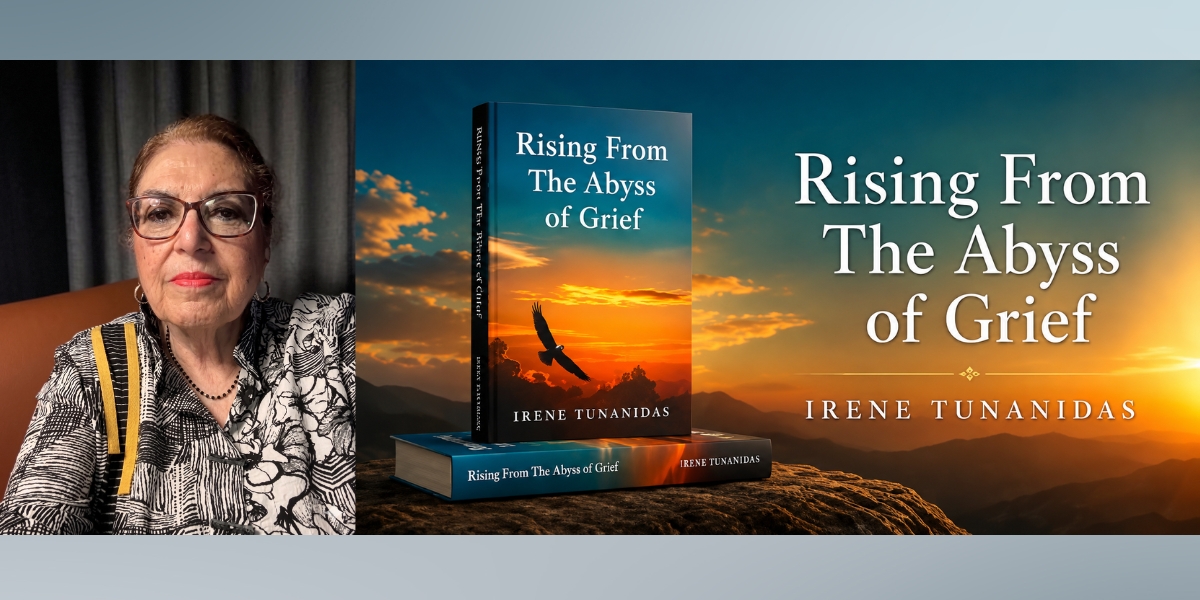
She Led Ohio’s Deaf Community for Years. Then She Sat Down and Finally Told Her Own Story.

Most people who dedicate their lives to serving others are very good at one thing and not so good at another. They know how to show up for everyone around them. They are much less practiced at showing up for themselves. Irene Tunanidas spent the better part of her adult life in service to other people. Her students, her community, her mother, her organization. When her term as president of the Ohio Association of the Deaf ended in 2024, she did something she had not done in a very long time. She asked herself what she needed. The answer was a book she had started writing thirteen years earlier and never finished.

A Life Spent Showing Up for Others

Irene did not arrive at community leadership by accident. She had been building toward it her whole career.

She spent more than thirty years teaching deaf children in Ohio public schools, first in Youngstown and then in Poland. Every year brought a new group of students who needed someone in their corner, and she was consistently that person. Outside the classroom, she gave her time to her community through volunteer work and fundraising, joining organizations that served the deaf and hard of hearing population in her area and putting in the hours those organizations required to function.

When she took on the presidency of the Ohio Association of the Deaf, she brought the same commitment to that role that she had brought to everything before it. The position demanded her time, her focus, and her energy. She gave all three without reservation. It was what the role needed, and she understood that.

What she set aside during those years was the manuscript she had started writing in 2011. The book had begun as a personal project, a way of processing the grief and exhaustion that had followed three years of caring for her mother. When the demands of leadership took over, the pages went into a drawer and stayed there. There was always something more urgent, something that needed her attention more than her own story did.

What Happens When the Term Ends

When Irene’s presidency of the Ohio Association of the Deaf concluded in 2024, she did not immediately look for the next position or the next responsibility to take on. She made a different choice. She went back to the manuscript.

That decision is quieter than it sounds. For someone who had spent decades defining herself through what she did for others, choosing to finish a book that was entirely about her own experience was not a small thing. It required a shift in thinking that most people in her position find genuinely difficult. The instinct after a life of service is to keep serving, to find the next role, the next committee, the next place where you are needed. Sitting down to finish your own story asks you to resist that instinct and trust that your story is worth the time.

Irene trusted it. She went back to the pages, picked up where she had left off, and committed to finishing what she had started.

It Was Not an Easy Return

Going back to the manuscript after more than a decade away was harder than starting it had been.

Her body had changed. Arthritic pain in her joints made long stretches at the keyboard difficult. Some days she could only write for a short time before she had to stop and rest. The physical side of finishing the book required its own kind of patience, separate from everything else the writing demanded.

The material itself was not easy to return to either. Writing about the years she had spent caring for her mother brought memories back in ways she had not fully anticipated. There were days when the writing got too heavy and she had to step away, clear her head, and come back when she was ready. The manuscript did not come together quickly or cleanly. It came together the same way most honest things do, slowly, with interruptions, and only because she kept returning to it.

She finished it anyway. That matters more than how long it took.

What Her Choice Can Tell You About Your Own

There is something in Irene’s story that goes beyond the details of her specific life. It speaks to a pattern that shows up in a lot of people who are wired to put others first.

At some point, the service has to include yourself. Not instead of everything else, but alongside it. The story you have been carrying, the one you keep setting aside because something more pressing always comes up, does not go away just because you are busy. It waits. And when you finally make room for it, you often find that it is more important than you had allowed yourself to believe.

Irene started writing in 2011 because she needed to. She finished in 2024 because she chose to. That gap between need and choice, thirteen years of other people’s needs coming first, is something a lot of people will recognize. The question her story asks is a simple one. What have you been putting off that deserves your attention now?

The Book That Finally Got Written

Rising From the Abyss of Grief is the result of Irene giving herself permission to finish something that was entirely hers. It is part memoir and part 30-day devotional, written for anyone who has been through a loss that did not resolve on its own schedule and needed something practical to hold onto in the meantime.

The book is not about having the answers. It is about what it looks like to keep going when you do not have them. That is the kind of honesty that only comes from someone who has actually been there, who sat in the grief long enough to understand what it does to a person and what it takes to start moving again. Irene did not write this book from a comfortable distance. She wrote it from the middle of the experience, even if finishing it took fourteen years. For anyone who has ever wondered whether their story is worth telling, Irene’s answer is already on the page. It is.

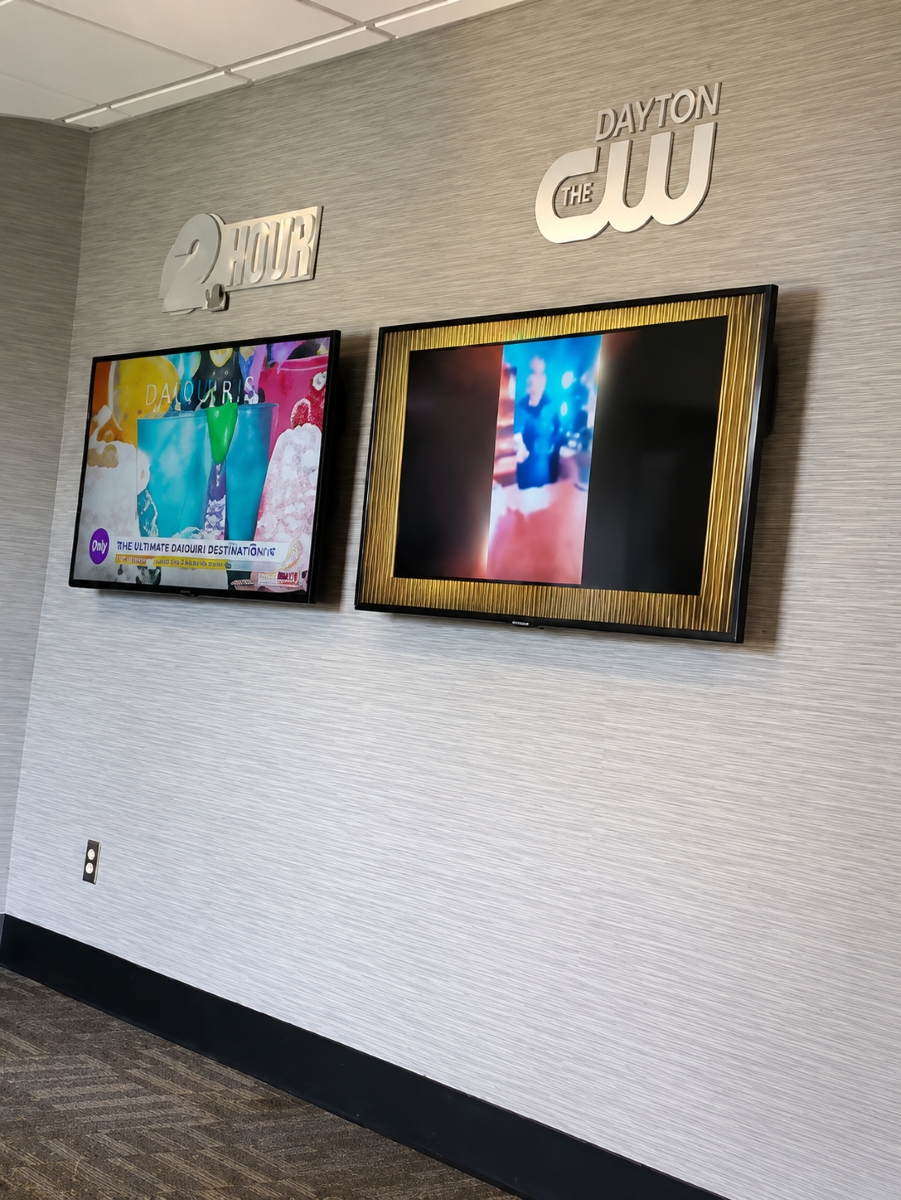
Photo Courtesy: Living Dayton / WBDT-TV Dayton’s CW

A Larger Stage for a Long-Overdue Story

This year, Irene Tunanidas was featured on WDTN-TV’s Living Dayton segment, sharing her story with a regional television audience through a sign language interpreter. For someone who spent most of her career working behind the scenes, in classrooms and meeting rooms and hospital rooms, the appearance represented something new. Her story, the one she had spent decades setting aside in favor of everyone else’s, was finally getting the kind of attention it had always deserved.

Photo Courtesy: Living Dayton / WBDT-TV Dayton’s CW

The response from viewers reflected what her book already shows. People recognized her experience. They saw their own lives in parts of her story. That is what happens when someone tells the truth without dressing it up. It reaches people in the places where they are actually living.

Irene did not spend her life chasing that kind of recognition. But she earned it, one quiet year of service at a time.

Irene Tunanidas spent decades making sure other people had what they needed. Rising From the Abyss of Grief is what she wrote when she finally decided she deserved the same.

Rising From the Abyss of Grief – Paperback

https://www.amazon.com/dp/B0FT24VXTB

Website: https://risingfromtheabyssofgrief.com/

Facebook Page: https://www.facebook.com/irenetunanidas/