Jeff Dean has left Google after 27 years to co-found Discovery Loop, a four-person public benefit AI startup focused on automating scientific and engineering experimentation. Dean said cloud computing allows small teams to access advanced infrastructure without building it themselves, while Discovery Loop has secured backing from several venture firms and Alphabet.
Key Takeaways
- Jeff Dean left Google after 27 years and co-founded Discovery Loop.
- Discovery Loop currently has four people and focuses on science and engineering automation.
- Dean said cloud computing enables small startups to access infrastructure without building it internally.
- Discovery Loop is structured as a public benefit company.
- Discovery Loop’s initial funding includes Radical Ventures, Khosla Ventures, Lightspeed, Kleiner Perkins and Doerr Capital, with Alphabet as a founding investor and cloud partner.
Jeff Dean Leaves Google After 27 Years
The Jeff Dean AI startup Discovery Loop follows his departure from Google after 27 years, with Dean moving from the technology company to a four-person venture focused on science and engineering automation. Dean discussed the decision during a talk at Stanford University on August 7, his first public appearance since leaving Google.
During the Stanford presentation, Dean described his departure from Google and said the company has a plan for improving its Gemini AI models. He also explained why he believes a small startup can now pursue technically demanding work without building all of the computing infrastructure internally.
Dean spent 27 years at Google and became known for leading high-profile technical projects. His move to Discovery Loop puts him in a much smaller organization, where he and his co-founders are concentrating on a defined area of work rather than operating within a large technology company.
The move follows other examples of former Google employees building AI companies, including a former Google engineer’s AI startup focused on using AI agents for sales and marketing functions.
Dean also described the move as carrying some uncertainty. During the Stanford talk, he said creating the startup was “a little nerve-wracking” while also describing the work as exciting.
Discovery Loop Begins With a Four-Person Team
Discovery Loop currently has four people, according to Dean’s description of the company during the Stanford presentation. The small team is working on software intended to automate parts of the process scientists and engineers use to conduct experiments.
The company’s stated focus includes the sequence through which scientists and engineers propose an experiment, implement and run it, and evaluate the results. Discovery Loop aims to build systems that can automate parts of that process.
Dean said the size of the company allows its founders to concentrate on the work without some of the distractions associated with larger organizations. He described the four-person structure as a way to maintain a focused approach to science and engineering automation.
A similar lean-team approach has appeared in other AI startup examples, including an AI startup built in 14 days, where founders described using AI-assisted development to build and test a product with a small team.
The startup is also organized as a public benefit company. That structure is part of Discovery Loop’s stated approach to its work, with Dean saying the founders may make decisions that are not in the company’s financial interest but serve a broader societal purpose.
Discovery Loop’s work is connected to 14 challenges identified by scientists and engineers as major areas for improving human life. The challenges include “Reverse Engineer the Brain” and “Prevent Nuclear Terror.”
The company intends to build systems that can address parts of those challenges through automated scientific and engineering work. Its focus therefore extends beyond a general-purpose AI application and centers on specific research and experimentation processes.
Cloud Infrastructure Supports the Startup’s Lean Model

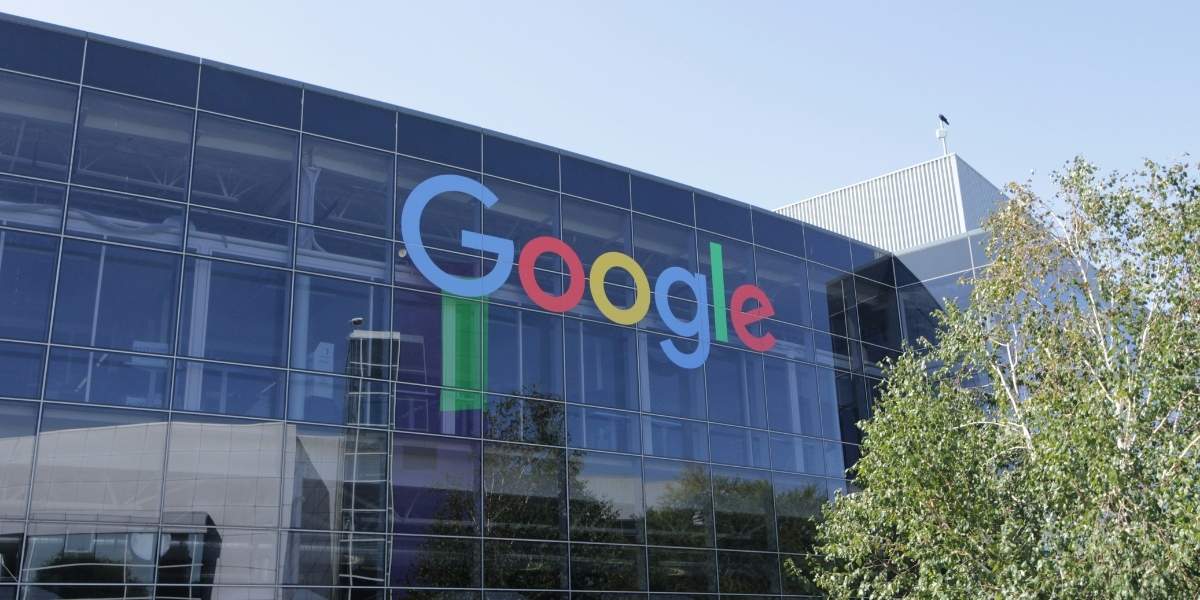
Photo Credit: Unsplash.com
Dean attributed part of the feasibility of a four-person AI startup to the availability of cloud computing. He said smaller companies can rely on Google and other cloud providers to build the infrastructure required to support AI work rather than developing that infrastructure themselves.
That approach allows a small team to direct its resources toward its core work while using external computing platforms. Dean said this makes it possible for a small group to raise capital and use existing cloud infrastructure without having to build those systems internally.
Discovery Loop’s model depends on this access to computing resources because its work involves automating scientific and engineering experimentation. The company can use cloud infrastructure for computing needs while keeping its internal team small.
Dean said this arrangement changes the practical requirements for a technically focused startup. A company with only a few employees does not necessarily need to create the same physical and technical infrastructure that would have been required to undertake comparable work in the past.
Other AI founders have also described using artificial intelligence to operate with leaner teams. For example, an AI startup that reached $1 million in reported revenue within eight months said its founders used AI across software development, research, documentation, marketing and operations.
Dean said cloud infrastructure allows Discovery Loop to concentrate its internal resources on its scientific and engineering objectives rather than building a separate infrastructure operation.
The startup’s relationship with Alphabet also includes a cloud partnership. Alphabet is a founding investor in Discovery Loop and serves as its cloud partner, according to the company information described in the announcement.
Discovery Loop Targets Scientific and Engineering Automation
Discovery Loop is designed to automate parts of a process that begins with a scientific or engineering question and continues through experimentation and evaluation. The company is seeking to build systems that can assist with proposing experiments, carrying them out and assessing their results.
The startup’s public benefit company structure gives its stated mission a formal role in its operations. Dean said the founders could make decisions that favor a broader societal benefit even when those decisions do not directly serve the company’s financial interests.
The company’s work is tied to 14 major challenges identified by scientists and engineers. Those areas provide the initial set of problems Discovery Loop intends to address through its science and engineering automation systems.
Dean’s role as a co-founder follows his long tenure at Google, where he became one of the company’s prominent technical leaders. His move to Discovery Loop places him directly inside a startup focused on applying AI to scientific and engineering processes.
The four-person structure also means the company is beginning with a limited internal workforce. Its founders are relying on cloud infrastructure and outside capital to support the work rather than building a large organization at the outset.
The lean operating model has parallels with other AI startups developing business software with small teams. KivoDaily previously reported on an AI coding startup raising $135 million while expanding an AI-native software development platform for enterprise customers.
Discovery Loop’s stated objective is not limited to automating a single experiment or research task. Its systems are intended to address parts of broader scientific and engineering workflows, including the stages required to propose, conduct and evaluate experiments.
Alphabet and Venture Firms Back Discovery Loop
Discovery Loop’s initial funding round is being led by Radical Ventures and Khosla Ventures, with participation from Lightspeed, Kleiner Perkins and Doerr Capital. Alphabet is also a founding investor and cloud partner.
The funding gives the four-person startup access to capital while it develops its science and engineering automation systems. The involvement of multiple venture firms and Alphabet establishes the financial and infrastructure relationships supporting the company’s early operations.
Discovery Loop’s status as a public benefit company also distinguishes its organizational structure from a conventional startup. Dean said the founders may prioritize decisions that serve a broader societal purpose even when those decisions are not directly aligned with the company’s financial interests.
The company began its operations with Dean and his co-founders working on a narrowly defined technical objective: using AI to automate parts of scientific and engineering experimentation. Its small workforce and reliance on cloud infrastructure are central features of the operating model Dean described at Stanford.
Dean’s departure from Google followed a 27-year tenure at the company. At Stanford, he explained that the combination of cloud computing, access to capital and a small team makes it possible to pursue the new venture without first building a large internal infrastructure operation.
Frequently Asked Questions
Who is Jeff Dean?
Jeff Dean is a longtime Google technical leader who spent 27 years at the company. He left Google to co-found Discovery Loop, an AI startup focused on science and engineering automation.
What is Discovery Loop?
Discovery Loop is a four-person public benefit AI company co-founded by Jeff Dean. It aims to automate parts of the scientific and engineering process, including proposing, running and evaluating experiments.
Why did Jeff Dean leave Google?
Dean said a small startup can provide a focused way to work on science and engineering automation. He also said cloud computing allows a small team to access the infrastructure needed for AI work without building it internally.
How many people are working at Discovery Loop?
Discovery Loop has four people, according to Dean’s description of the company during his August 7 Stanford talk.
Who is funding Discovery Loop?
Discovery Loop’s initial funding round is led by Radical Ventures and Khosla Ventures, with participation from Lightspeed, Kleiner Perkins and Doerr Capital. Alphabet is a founding investor and cloud partner.