
A business line of credit may be the most useful financing tool to have before you need it, and the most frustrating to chase after you do. It gives you a set credit limit that you can draw from, repay, and draw from again, paying only on what you use. Online providers can sometimes approve and open a line within a day. Most failures to do so trace back to a small number of avoidable errors.
Eight mistakes account for most of the delays that derail fast line-of-credit applications. Each one is avoidable, and knowing them before you apply is most of the work.
Applying With Half a File
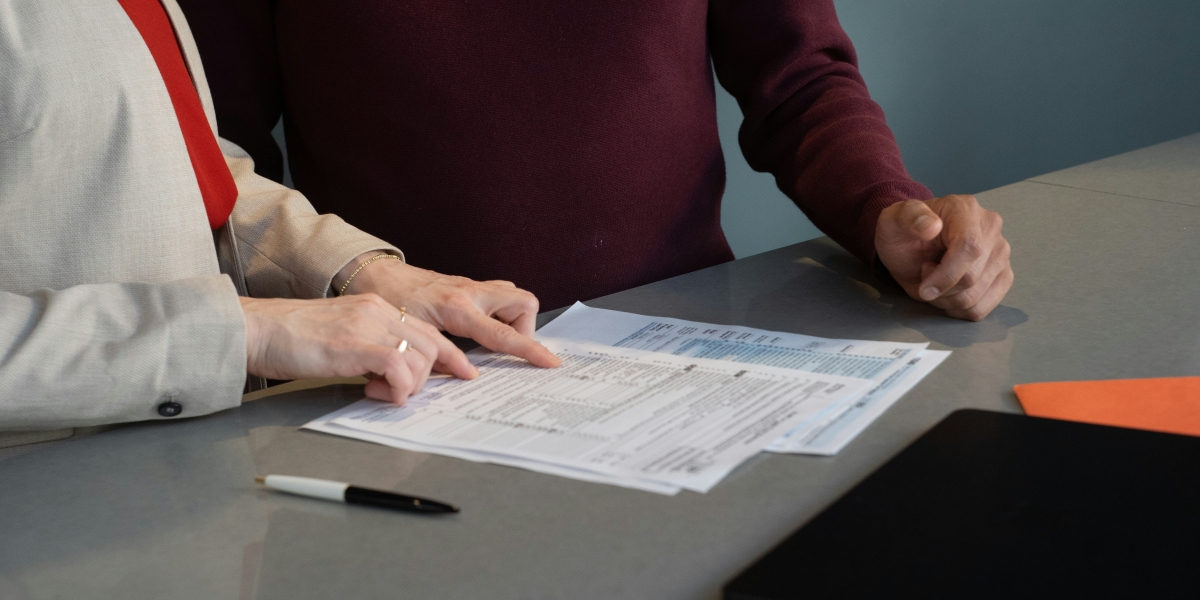
An underwriter who needs to request a missing page will set your file aside until it arrives. Before you begin, assemble:
• Three to six months of complete business bank statements
• Photo identification for owners
• Your EIN and legal formation details
• Your latest business tax return, for larger limits
• A list of debts and recurring payment obligations
The fix: Upload it all in one sitting and check every statement for all of its pages, including the blank ones.
Applying at the Wrong Hour
A complete application submitted at 4:45 p.m. on Friday competes with weekend bank closures. Funds may be approved, but not available, until the following week.
The fix: Apply before mid-morning, Monday through Wednesday when possible, and stay near your phone.
Confusing Approval With Access
Approval, account activation, and your first draw are three separate events. Some providers need added verification before the first draw, and funds sent by ACH often arrive the next business day.
|
Stage |
Typical timing |
What can hold it up |
|---|---|---|
|
Decision |
Minutes to same day |
Missing documents |
|
Contract and verification |
Hours |
Slow responses |
|
Activation |
Same day to a few days |
Bank linking problems |
|
First draw received |
Hours to next business day |
Transfer cutoffs |
The fix: Ask, “When can I first withdraw money, and how soon will it arrive?” That’s the question that actually matters. Pages such as Fundivi business lines of credit are a good place to see how draws and activation get described.
Picking the Wrong Type of Line
Lines fall into a few categories, and each behaves differently.
Secured lines are backed by assets such as receivables or inventory. They tend to have lower rates and higher limits, but take longer because the collateral needs review.
Unsecured lines don’t require specific collateral, although a personal warranty and a general lien remain common. They’re quicker but have smaller limits and higher costs.
Revolving lines replenish as you repay, while non-revolving lines do not. Some online products that are marketed as lines behave more like a series of short-term loans, with each draw repaid on its own fixed schedule.
The fix: Ask whether repaid amounts become available again right away, and how each individual draw is repaid. Confirm who will service the line once it is open, and who to contact about draws, statements, and renewals.
Looking Only at the Rate
A low advertised rate can hide expensive terms. Fees on a line of credit can include:
• An origination or setup fee
• A draw fee charged on every withdrawal
• A monthly maintenance or inactivity fee
• An annual renewal fee
• Late fees and returned payment charges
Consider a $50,000 line with an attractive rate and a 2% draw fee. If you take $10,000 for 30 days, the draw fee alone is $200, and that fee doesn’t shrink when you repay quickly. On a short draw, the fee can cost more than the interest.
The fix: Model your actual usage. Estimate how much you’d draw and how quickly you’d repay, then calculate the total annual cost. Compare offers against that figure, not the headline rate.
Requesting More Than Your Deposits Support
Online underwriters often set limits by reference to monthly revenue. Asking for far more than your statements justify can trigger a decline, or a longer review, when a smaller, quicker approval was available.
The fix: Request a limit you can defend, and ask about scheduled limit reviews. Many providers increase limits after several months of on-time payments, so starting small doesn’t necessarily mean staying small. Published roundups such as coverage of unsecured funding for smaller firms show the ranges smaller firms often see.
Ignoring What’s Already on Your Statements
Reviewers notice overdrafts, negative balance days, and repeated debits to other funders. They’ll also see if deposits have recently declined. A sudden transfer from a personal account right before applying will not look like revenue, and it shouldn’t be presented as such.
The fix: Read your own statements first. Be honest about existing debt, and write a sentence or two explaining any one-time event, such as a large equipment repair or a temporary closure. Any misrepresentation on a credit application can have serious consequences, so accuracy is non-negotiable.
Treating an Emergency Line as a Permanent Solution
Some of the worst damage comes after approval. A revolving balance that never declines is a warning sign that the line is covering an ongoing shortfall rather than a timing gap. Many lenders may freeze or reduce a line if your finances weaken, usually at exactly the moment you need it most.
The fix: Set a rule. Every draw should have a defined source of repayment, and you should aim to bring the balance down to zero periodically. If you can’t do that, look at your margins before you look for more credit.
Where to Start Your Search
Once you’ve avoided those errors, compare a few sources side by side. Check with your own bank first, especially if you have a long relationship there. Comparison resources such as SameDayBusinessLoansOnline.com fast-funding guides can help you shortlist possibilities, though you should still check each provider’s terms directly.
A practical rule: The best time to open a line is when your finances look good and you don’t urgently need the money. Even if you’re racing the clock today, open a larger, cheaper line once your numbers improve, so that next time you won’t have to rush.
Getting the Most From a New Line
Opening the line is only the first step, because how you draw from it determines what it costs. Keep draws tied to specific events, such as a supplier invoice or a payroll date that falls before a customer payment. Record the expected repayment date alongside each draw, then check it weekly. Linking the line to your operating account makes transfers easier, but also makes casual borrowing easier, so decide in advance who at the company is allowed to request funds. Finally, set a calendar reminder 60 days before renewal. It gives you time to send updated financials, question any new fee, and look elsewhere if the renewal terms have become worse than what the market now offers.
Frequently Asked Questions
Can I open a line of credit with no collateral?
Yes, unsecured lines exist, though providers commonly require a personal warranty and may file a general lien on business assets.
How is a line of credit different from a credit card?
A line usually offers larger limits and cash draws to your bank account. Cards are more convenient for purchases and can offer rewards, but cash advances on them are typically expensive.
Does an unused line cost anything?
Possibly. Some providers charge maintenance or inactivity fees even on an idle line. Others charge nothing until you draw.
How long does a line of credit last?
Many lines have a set period, often 12 months, and then renew following review. Some online lines have shorter repayment cycles for each draw.
Could my limit be reduced?
Yes. Providers commonly reserve the right to reduce or freeze a line if your business or credit weakens. Check the agreement.
What will I need to qualify?
Requirements differ, but expect reviews of revenue, time in business, recent bank activity, and credit. Banks tend to set a much higher bar than online providers.
Should I accept the highest limit I’m offered?
Having unused room can be helpful, particularly if there is no fee for idle credit. Just be sure a larger limit won’t bring higher charges, and set your own internal borrowing cap based on the amount your cash flow can comfortably repay.
Does a line of credit appear on my personal credit report?
Usually not, unless you default, though policies differ among lenders. A hard inquiry may appear when you apply, so ask how the provider reports before you sign.
Disclaimer: This content is for informational purposes only and is not intended as financial advice, nor does it replace professional financial advice, investment advice, or any other type of advice. You should seek the advice of a qualified financial advisor or other professional before making any financial decisions.