
Living with quadriplegia presents daily challenges that can limit personal autonomy. Simple tasks, from turning on a light to communicating with loved ones, often require assistance. However, a growing range of assistive technologies is opening up new possibilities for individuals to regain control over their environment and live with greater independence.
These tools are designed to bridge the gap between intention and action. For people with limited or no use of their limbs, technology can be an essential link to the world, offering ways to manage daily routines, stay connected, and pursue personal interests. From smart home systems to advanced communication aids, these innovations are changing what is possible.
Controlling the Home Environment
One of the most significant areas where technology makes a difference is in home automation. Environmental Control Units (ECUs) allow a person to manage various household devices from a central point. Using voice commands, a sip-and-puff switch, or even eye movements, an individual can operate lights, televisions, thermostats, and door locks. This ability to control one’s immediate surroundings provides a profound sense of autonomy and reduces reliance on others for basic needs.
Smart home devices, such as voice-activated speakers and smart plugs, offer an accessible and affordable way to achieve this. These systems can be customized to suit individual needs, allowing for control over a wide array of appliances. For example, a person can adjust the heating, play music, or answer the phone using simple verbal instructions.
Communication and Social Connection
Maintaining connections with friends and family is vital for well-being. Technology offers powerful solutions for individuals who have difficulty with speech or typing. Speech-generating devices can translate minimal inputs, such as eye movements or muscle twitches, into audible speech, enabling fluid conversation. These systems can be personalized, helping people express their thoughts and personality.
Other technologies that support communication include:
- Eye-tracking systems: These allow a user to control a computer or tablet by following their gaze. This makes it possible to type messages, send emails, and browse the internet without using your hands.
- Voice recognition software: Advanced software can transcribe spoken words into text, offering another way to write and interact with digital devices.
- Adaptive switches: These can be operated with a small movement of the head, chin, or another part of the body to control communication aids and other electronics.
A Practical Scenario of Technology in Action
Consider someone who wakes up in the morning and wants to start their day. Using a voice-activated system, they can turn on the bedroom lights and ask for the morning news. Later, they might use an eye-tracking device to send a message to a family member and browse their social media feeds. When it is time for a meal, a robotic feeding arm could enable independent eating. Throughout the day, they can adjust the room temperature or answer calls without needing to ask for help. This example shows how a combination of different technologies can create a more self-sufficient and fulfilling daily life.
Enhancing Mobility and Access
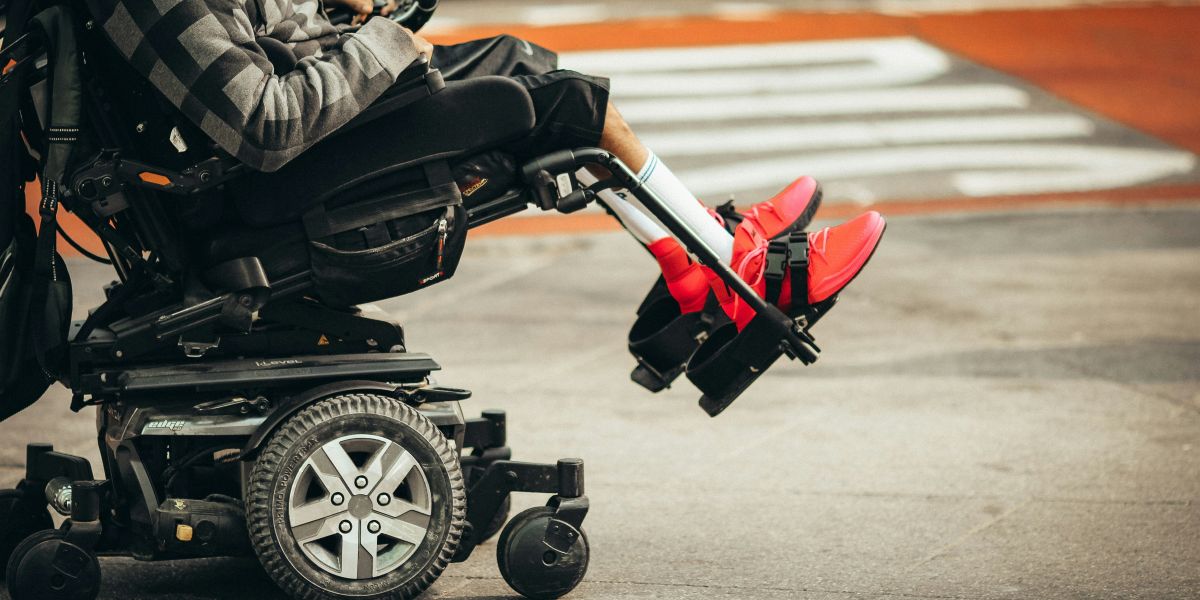
Mobility is another area where technology provides greater freedom. Modern power wheelchairs can be controlled with highly sensitive inputs, including head movements, chin joysticks, or even sip-and-puff systems. These advanced controls give individuals precise command over their movement, allowing them to navigate their homes and communities with more confidence. Some wheelchairs also feature systems that help prevent complications like pressure sores by enabling automatic repositioning.
Beyond the chair itself, technology can help with transfers and accessing different environments. For example, robotic arms can be mounted on a wheelchair to assist with tasks such as opening doors or picking up objects. While still an emerging area, brain-computer interfaces are also showing promise, with research exploring how to control robotic limbs or exoskeletons through thought alone.
Finding the right combination of tools is a personal process, often involving assessments from specialists who can recommend suitable options. These technologies can significantly improve the quality of life by restoring a sense of control and enabling greater participation in daily activities. Support for independent living with quadriplegia is often enhanced by integrating these tools into a wider care plan. With the right setup, technology empowers individuals to live more autonomously and on their own terms.