Most people associate fitness with building strength or improving appearance, but it also has a measurable impact on both lifespan and quality of life. Personal trainer Eugene Pallisco explains how modern training methods are becoming more closely aligned with longevity medicine, a field focused not only on helping people live longer, but also on staying healthy, active, and independent as they age.
What Is Longevity Medicine? Eugene Pallisco Explains
Longevity medicine focuses on delaying the onset of chronic disease and maintaining physical and cognitive function over time. It looks at markers like metabolic health, inflammation, hormone balance, and cellular function.
Eugene Pallisco explains, “Longevity is about staying capable as you age, not just adding years. Fitness is one of the most direct tools to support that.” Rather than reacting to illness, this approach emphasizes prevention and early intervention. Fitness is a core component in maintaining these internal systems.
How Fitness Supports Long-Term Health
Research has found that people who do strength training live longer. Regular exercise directly influences many of the biological markers targeted in longevity medicine. Strength training improves insulin sensitivity, cardiovascular exercise supports heart health, and both contribute to reducing systemic inflammation.
Consistent movement also helps regulate blood pressure, improve circulation, and maintain mobility. These factors collectively reduce the risk of chronic conditions such as type 2 diabetes, cardiovascular disease, and age-related muscle loss.
The Role of Strength Training in Longevity
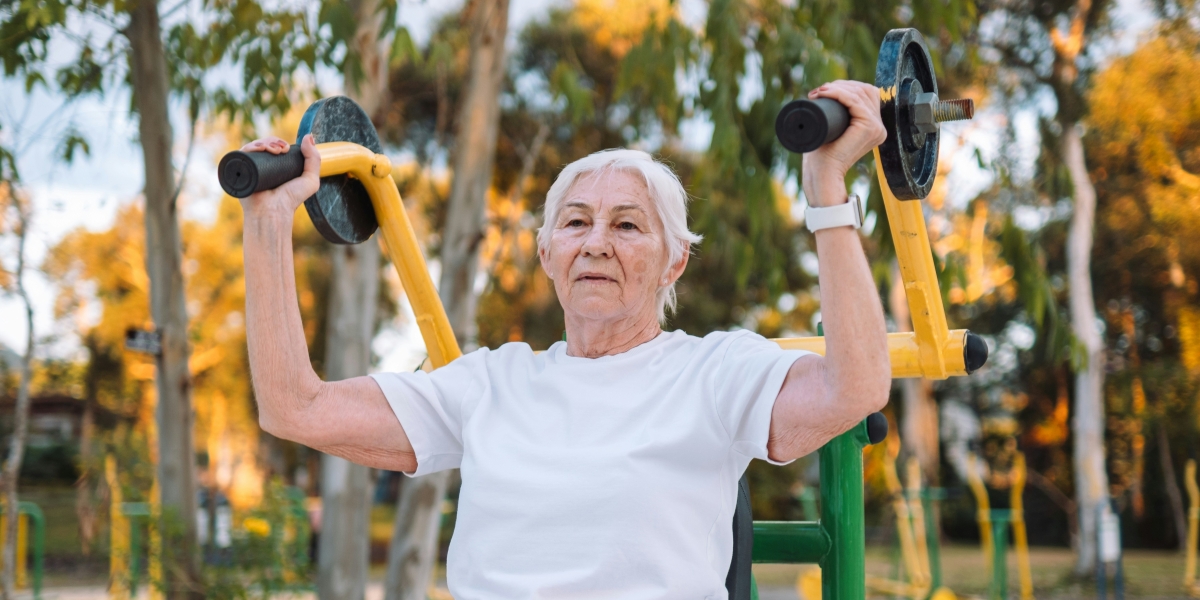
Muscle mass plays a critical role in aging. Loss of muscle over time is associated with decreased mobility, higher injury risk, and reduced metabolic efficiency. Strength training protects against the natural decline that comes with age. It keeps the body resilient.
Resistance training supports bone density, joint stability, and overall functional strength. This allows individuals to maintain independence and physical capability as they get older.
Cardiovascular Fitness and Cellular Health
Cardiovascular training supports heart and lung function while also influencing cellular processes. Improved oxygen delivery enhances mitochondrial efficiency, which is essential for energy production.
Aerobic exercise is also linked to better brain health, supporting memory and cognitive function. These effects align closely with the goals of longevity medicine, which aims to preserve both physical and mental performance.
Key Fitness Strategies for Longevity
To align fitness with longevity goals, a balanced approach is essential. Eugene Pallisco emphasizes consistency and variety across training methods.
Core strategies include:
• Strength training to maintain muscle and bone density
• Cardiovascular exercise to support heart and metabolic health
• Mobility work to preserve joint function and range of motion
• Recovery practices to reduce stress and support adaptation
This combination ensures that multiple systems in the body are supported over time.
Nutrition and Its Connection to Longevity
Nutrition works alongside fitness to influence longevity outcomes. Adequate protein intake supports muscle maintenance, while balanced macronutrients help regulate energy and metabolic function.
Micronutrients, hydration, and overall diet quality also play a role in reducing inflammation and supporting cellular repair. Without proper nutrition, the benefits of training are limited.
Tracking Health Beyond Performance
A key difference in a longevity-focused approach is the use of measurable health markers. These may include blood work, body composition, and cardiovascular indicators.
Performance in the gym is one piece of the picture. Longevity looks at what is happening internally as well. Monitoring these markers allows for more precise adjustments to both training and lifestyle.
About Eugene Pallisco
Fitness expert and licensed trainer Eugene Pallisco works in Dallas, Texas. Since he began working with motivational fitness mentors in high school, Eugene has developed a training philosophy centered on long-term health and performance. He started as a group fitness instructor before transitioning into one-on-one coaching and eventually launching his own private training business.
Disclaimer: The content provided in this article is intended for informational purposes only and does not substitute for professional medical or fitness advice. Always consult with a licensed healthcare provider or certified fitness expert before beginning any new exercise or nutrition program, especially if you have underlying health conditions. Individual results may vary, and it’s important to practice proper form and technique to prevent injury. The advice and opinions shared by Eugene Pallisco reflect his personal expertise and experience and should be adapted to individual needs and health conditions.