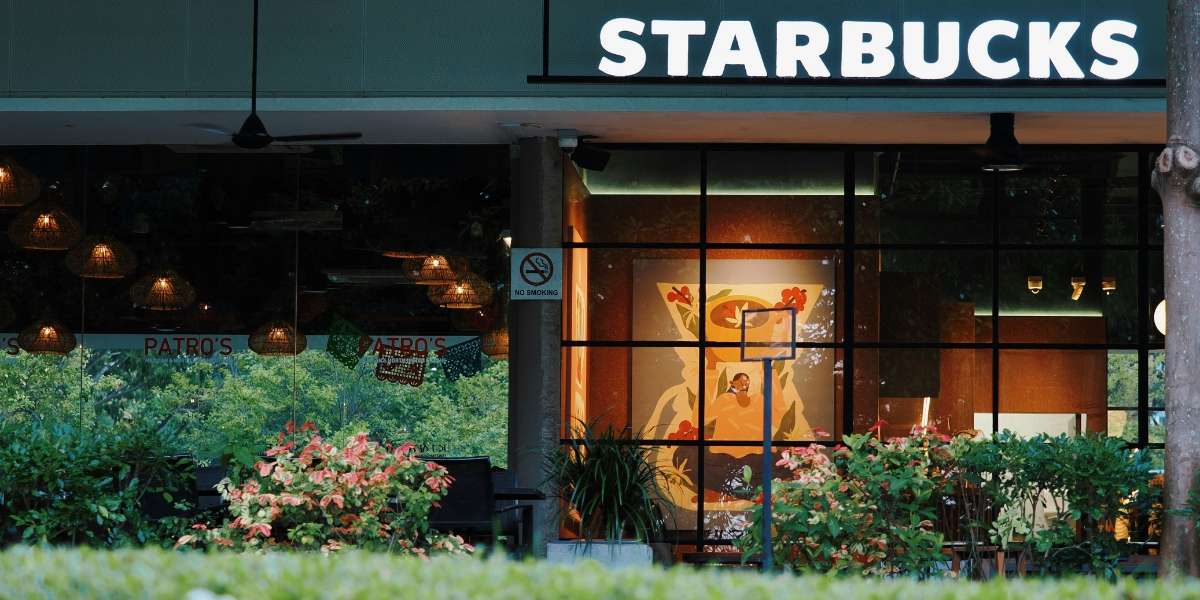

Starbucks matcha has exceeded $1 billion as a company-defined product platform, according to executives discussing the coffee chain’s latest results. U.S. comparable sales rose 7.7% in the fiscal fourth quarter. The figures put customized drinks and afternoon orders in focus, although Starbucks has not disclosed matcha’s separate quarterly revenue.
Key Takeaways
- Starbucks described matcha as a product platform worth more than $1 billion during its October 29, 2026, earnings call
- U.S. comparable coffeehouse sales rose 7.7%, with transactions up 2.4% and average spending per transaction up 5.2%
- Executives linked afternoon demand to iced beverages, cold foam customization and additional food purchases
- Consolidated quarterly revenue fell approximately 4% to $9.1 billion, primarily reflecting a change in the reporting of China operations
Starbucks Matcha Passes $1 Billion as Cold Drinks Gain Ground
Starbucks Chief Financial Officer Cathy Smith disclosed the matcha milestone during the company’s earnings call, describing a beverage category that has expanded beyond its original green tea latte.
“Our matcha business is now over a billion-dollar platform,” Smith told analysts. She described substantial year-over-year growth and said customers frequently add cold foam to matcha orders, particularly in the afternoon.
The company did not provide a specific reporting period for the $1 billion characterization, disclose separate matcha revenue or quantify how many drinks were sold. The figure therefore cannot be treated as matcha sales in the fourth quarter or as a verified contribution to the company’s overall sales increase.
Starbucks introduced its Green Tea Latte in 2006. In February 2026, the company said its year-round matcha lineup had tripled from four offerings in 2023. It also pointed to the introduction of unsweetened matcha powder in January 2025, which gives customers additional control over sweetness when ordering.
The current lineup includes flavored iced drinks and protein-based options, although Starbucks has not broken down sales by variation.
Afternoon Orders Shape Starbucks’ Beverage Strategy
Starbucks Chief Executive Officer Brian Niccol said the company is trying to build afternoon demand alongside morning traffic. He identified iced drinks, larger servings and optional toppings as part of that effort.
Niccol identified cold foam customization across matcha, cold brew, iced coffee and iced Americanos. Smith specifically described matcha as more frequently sought in the afternoon. Neither executive provided figures showing what percentage of afternoon orders involve the drink or how much cold foam adds to the average bill.
Starbucks also reported increased afternoon food purchases after improvements to pastry and food displays. Niccol said caffeine-free Refreshers were contributing to the later part of the day, while energy versions were more commonly purchased in the morning. Starbucks did not quantify matcha’s role in those shifts or provide separate financial results for its afternoon strategy.
Smaller coffee businesses pursue different sales channels. San Francisco-based Poorboy Coffee, for example, expanded from cold-brew pop-ups into event services through a coffee cart catering model. The two businesses operate at substantially different scales.
U.S. Sales Rise as Global Revenue and Store Counts Shift
Starbucks’ U.S. comparable coffeehouse sales rose 7.7% during the 13-week quarter ended September 27, 2026. The increase consisted of 2.4% growth in transactions and a 5.2% rise in average spending per transaction, according to the company’s October 29 earnings release. Comparable sales measure established company-operated coffeehouses, rather than growth caused by new locations.
Global comparable sales rose 7.2%, and North American comparable sales climbed 7.9%. The company cited a mixture of customer visits, pricing, product choices, food purchases and delivery activity. Starbucks did not isolate matcha’s contribution.
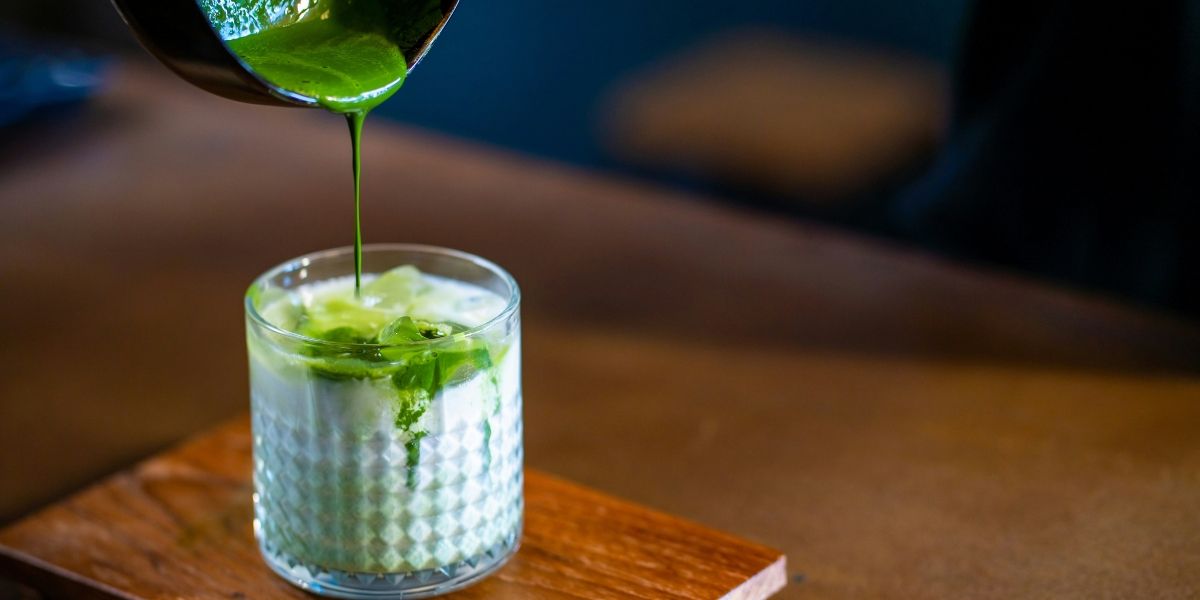
Photo Credit: Unsplash.com
Consolidated quarterly revenue declined approximately 4% to $9.1 billion, largely because Starbucks changed the financial reporting of its retail business in China after moving to a licensed joint venture structure. International comparable sales rose 0.9%, while international comparable transactions fell 2.8%. For the full fiscal year, consolidated revenue increased approximately 2% to $37.9 billion.
Store changes also formed part of the quarter’s results. Starbucks closed approximately 250 company-operated North American locations in September following a review of coffeehouses that did not meet its experience or financial targets. Of those closures, 212 were in the United States. It ended the fiscal year with 16,781 U.S. coffeehouses.
Niccol said Starbucks had completed more than 1,700 coffeehouse improvements across North America by fiscal year-end, including changes to seating and store interiors. Starbucks also reported a record 36 million U.S. Rewards members active in the preceding 90 days.
Customer retention is also a focus for smaller food businesses using restaurant marketing automation systems to manage promotions and loyalty communications. Starbucks disclosed its Rewards membership count, but did not provide a separate measure linking loyalty activity to matcha purchases.
For fiscal 2027, Starbucks forecast approximately 4% comparable-sales growth in North America and a roughly 1% decline in consolidated revenue, with the latter primarily reflecting the China reporting change. It offered no separate matcha sales forecast.
Frequently Asked Questions
How much is Starbucks matcha worth?
Starbucks describes matcha as a product platform exceeding $1 billion. The company did not specify the reporting period or release separate quarterly matcha sales figures.
How much did Starbucks’ U.S. sales increase?
U.S. comparable coffeehouse sales increased 7.7% in the fiscal fourth quarter ended September 27, 2026. Transactions increased 2.4%, while average spending per transaction rose 5.2%.
Why is Starbucks emphasizing afternoon drinks?
Executives said iced drinks, customized beverages and food purchases are supporting the company’s effort to develop afternoon demand. Matcha was identified as one of the beverages more commonly sought later in the day, although Starbucks did not disclose its share of afternoon sales.