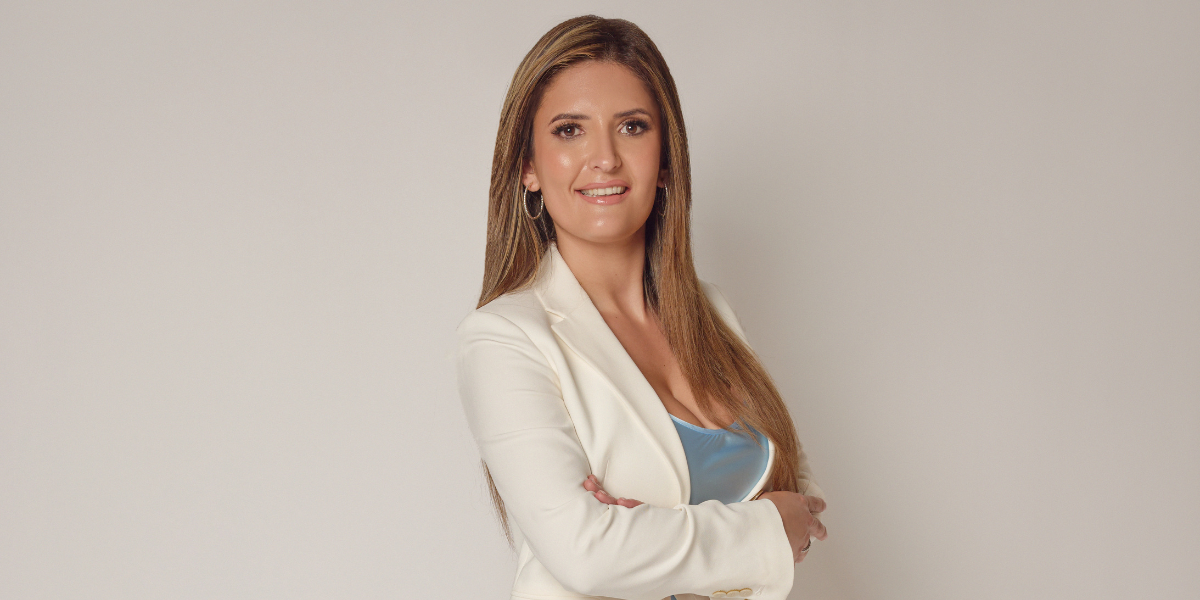

Family law became deeply personal for Sahar Maknouni long before it became her profession. Having lived through divorce herself, Sahar experienced firsthand how emotionally consuming family transitions can become and how difficult it can feel to navigate legal systems during moments when life already feels fragile. That awareness became central to the way she practices law today.
When Personal Experience Changes the Way You Practice Law
Before Sahar fully understood family law as an attorney, she understood it as someone living through it herself. She experienced how divorce can slowly erode a person’s sense of certainty, affecting both emotional well-being and everyday routines.
That experience changed the way she approached advocacy altogether. Sahar realized clients are often carrying emotional exhaustion long before legal proceedings begin, which is why she built her practice around more than legal precision alone. She built it around humanity, steadiness, and emotional awareness.
The Emotional Fog Most Clients Enter With
One of the things Sahar noticed early in her career was how emotionally disoriented many clients feel by the time they seek legal help. Family law does not arrive during calm seasons of life. It arrives during sleepless nights, emotionally charged conversations, financial stress, and uncertainty about what comes next.
To Sahar, legal support should never intensify the emotional weight people are already carrying. During divorce and custody disputes, clients are often trying to think clearly while their personal lives feel emotionally overwhelming. What they need is someone capable of helping them move through the noise with greater clarity and steadiness.
Building a Family Law Practice That Feels Human
When Sahar founded Maknouni Family Law Firm, APC, she was intentional about building something that felt different from the traditional image many people associate with law firms. Accessibility became part of the culture she wanted clients to experience from the beginning.
She emphasizes responsive communication and systems, such as a centralized client portal, to remove unnecessary friction in situations that are already emotionally difficult. Sahar cares about these details because when someone feels overwhelmed or uncertain, access to information and communication can help restore a sense of stability and clarity.
Calmness Can Be Its Own Form of Strength
Family law often places people in survival mode. When emotions are tied to children, stability, finances, and the future, even small conflicts can escalate quickly. Fear begins influencing choices, conversations lose balance, and tension quietly takes over the room.
Sahar understands that family law requires more than legal knowledge. It requires emotional steadiness under pressure. Known for her composed advocacy and detailed preparation, she helps clients move through emotionally difficult disputes without feeling unsupported inside the process. Her focus remains on protecting people while guiding them through difficult legal transitions with care and clarity.
Learning That Real Life Continues After Courtrooms Empty
Law school taught Sahar how to navigate systems, build arguments, and advocate under pressure. But family law taught her something no textbook fully can: legal decisions continue affecting people’s lives long after hearings end.
Her background in Business Law and Management from California State University, Northridge, followed by her Juris Doctor from Chapman University Fowler School of Law, gave her a strong analytical foundation. Over time, however, she realized family law requires more than technical precision. It requires understanding the emotional realities people face while rebuilding their lives after major transitions.
The Work That Reminds Her Why Humanity Matters
Through the Harriet Buhai Center for Family Law, Sahar regularly works with people living through circumstances that cannot simply be summarized through legal language. Behind many cases are individuals trying to leave unsafe environments, regain financial stability, and protect their children while emotionally holding themselves together at the same time.
For Sahar, providing legal support in those moments is about far more than paperwork or representation. It is about helping people move from fear toward safety, from instability toward possibility. At the center of her work is a belief that no one should feel invisible while trying to rebuild their life.
In many ways, that philosophy defines everything about Sahar Maknouni’s approach to family law. She is not trying to remove emotion from the legal process. She is working to ensure people do not lose themselves inside it.