Dairy Queen Uses Incentives to Drive Franchise Growth

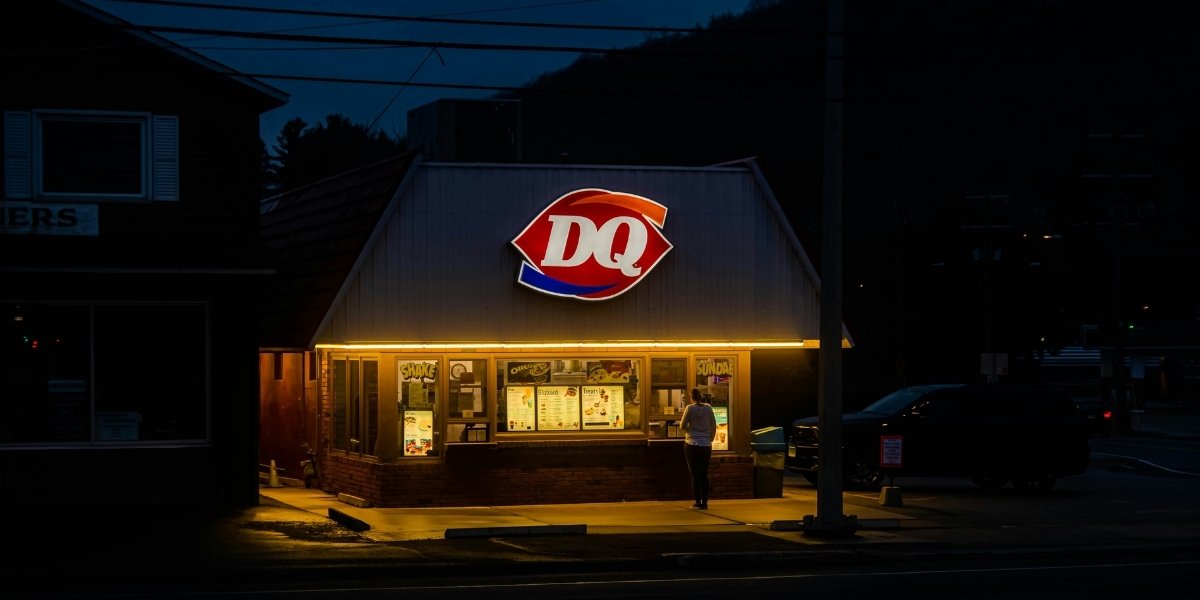
Dairy Queen is offering a cash incentive aimed at franchise operators who open freestanding DQ Grill & Chill restaurants on a set timeline. The program encourages new development at a time when restaurant operators are evaluating construction costs, consumer spending, and formats that combine quick food service with frozen treats.
Announced in late May, the program provides eligible franchisees with a $150,000 payment after opening a new freestanding DQ Grill & Chill restaurant on schedule. Operators who open additional freestanding locations within 18 months of a prior opening may qualify for $200,000 per restaurant. The offer is available for qualifying franchise agreements approved through the end of 2026 across the United States and Canada.
The incentive appears designed to guide operators toward freestanding Grill & Chill units, including new builds and drive-through conversion buildings. These units focus on quick service, where drive-through access and standardized restaurant layouts can support multiple customer visits per day.
Grill & Chill Format Highlights
DQ Grill & Chill combines the brand’s frozen treat offerings with a menu of burgers, chicken, fries, and other quick service items. Smaller treat-only stores are part of the chain’s portfolio, but the new incentive is focused on the freestanding Grill & Chill format. This distinction provides a clear target for the program.
The Grill & Chill concept has grown steadily, increasing the number of locations from approximately 1,967 at the start of 2023 to around 1,985 at the end of 2025. The cash incentive is expected to encourage operators who can move quickly from agreement to opening.
Dairy Queen operates more than 3,200 domestic locations and over 7,800 worldwide. Franchising materials provide several Grill & Chill building models, with different seating capacities, parking layouts, and building sizes. These options allow flexibility for operators considering suburban lots, smaller parcels, or existing restaurant sites that could be converted.
Incentive Context Amid Buildout Costs
Opening a new DQ Grill & Chill restaurant involves significant financial commitments. Franchise fees are listed at $45,000, with 4 percent royalty fees and 5 to 6 percent marketing fees. Project costs for U.S. Grill & Chill locations range between $1.5 million and $2.55 million. Liquidity requirements are approximately $400,000, and net worth requirements are about $750,000 for a single unit.
The cash incentive does not cover overall construction or operational expenses, nor does it guarantee business outcomes. Instead, it provides an additional financial marker for operators completing development within the specified timeframe. Multi-unit operators may find the $200,000 follow-up incentive relevant if they already have property, construction teams, and operational management in place.
Gregg Benvenuto, vice president of franchise development for the United States and Canada, described the program as a way to support franchisees who are prepared to grow with the brand. The approach prioritizes multi-unit expansion rather than a single new location.
U.S. Market Opportunities
Dairy Queen identifies several U.S. markets for potential new locations, including Fresno, Sacramento, Tulsa, Greenville, Greensboro, Syracuse, and Baltimore. The program does not focus on a single region, which allows operators to select markets suited to their development plans.
Franchise development typically takes about 18 months from inquiry to opening, depending on property availability and the franchisee’s readiness. The incentive aligns with this timeline, rewarding on-time openings and repeat development for operators pursuing multiple sites.
Consumer behavior in some regions has trended toward value-focused dining, partly influenced by ongoing inflation and borrowing costs. Dairy Queen has offered meal deals and tested ordering technology at select drive-through locations. Freestanding Grill & Chill units with food and treat offerings provide multiple customer occasions, including meal and dessert visits, making the format adaptable to daily traffic patterns.
Program Structure and Growth Strategy
The incentive program is tied to scheduled openings and approved franchise agreements. It focuses on freestanding restaurants within the Grill & Chill format rather than more general expansion.
Operators considering the program are encouraged to evaluate costs, market availability, site suitability, and operating requirements. Dairy Queen’s approach shows an emphasis on measurable growth steps, combining financial support with clear operational expectations. The brand appears to target franchisees capable of opening multiple locations within the stated timeline, while maintaining the operational standards associated with the Grill & Chill format.
Overall, the incentive highlights a methodical approach to expansion. It provides financial support for operators who meet the company’s development criteria while also emphasizing locations that integrate food service, quick service access, and the brand’s signature frozen treat offerings.