
By: Michael Rivera, Workforce Development Correspondent
For many students growing up in rural communities, the path from classroom to technology career is not obvious. Without regular exposure to the industries, tools, job categories, and professional role models that define the modern economy, many young people may not seriously consider careers in engineering, computer science, cybersecurity, or advanced manufacturing. The jobs may be available, but the awareness may not be. Betabox, a Raleigh, North Carolina-based education technology company, is working to change that by connecting hands-on STEM experiences directly to structured career discovery.
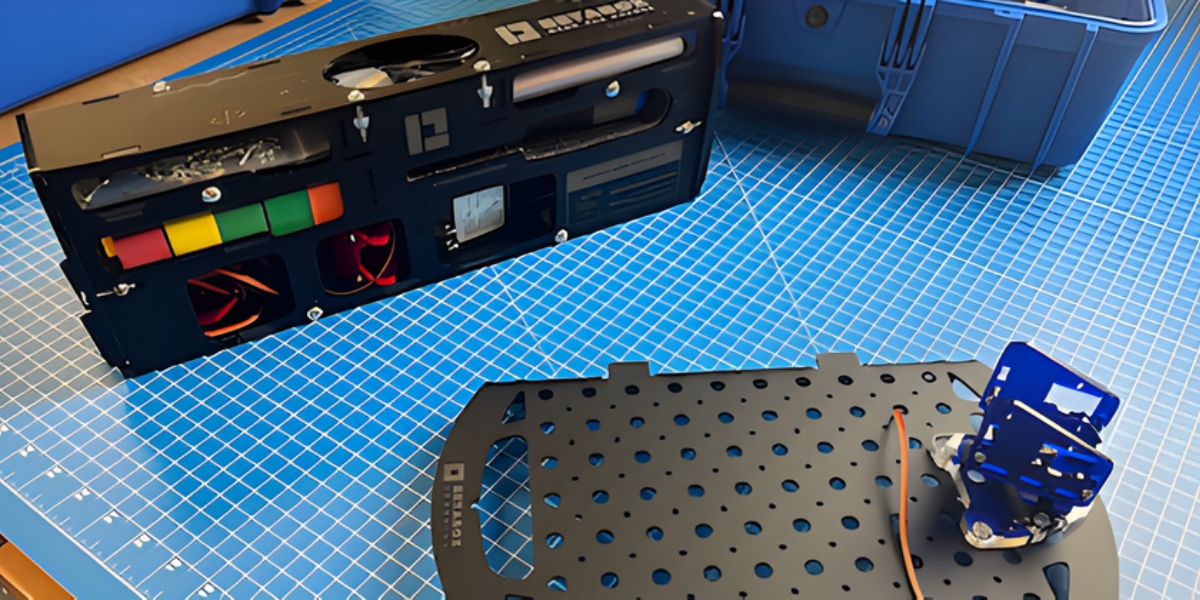
The company, which has served more than 325,000 students since 2015, offers a comprehensive program that moves students through a deliberate progression: from initial interest through sustained skill development and into active career exploration. The model begins with onsite field trips that bring mobile STEM labs to school campuses, giving students their first hands-on experiences with technologies like drones, autonomous vehicles, 3D printers, and coding platforms. These sessions are designed to create what the company calls spark moments, the kind of formative experience that many engineers and technologists can trace back to their own childhood.
But Betabox has recognized that sparking initial interest is not enough to create lasting change. During the COVID-19 pandemic, the company heard repeatedly from educators asking what comes next after a field trip. In response, it expanded its offerings to include career path tools designed to help students reflect on their experiences and connect them to real-world career opportunities in technology fields.
One of these tools, called Pathbuilder, is a career discovery toolkit that integrates directly with the company’s hands-on learning programs. Pathbuilder guides students through structured reflection exercises, interest assessments, and career exploration activities that connect classroom experiences to specific industries and job functions. The idea is that every hands-on experience should lead somewhere concrete, not just end when the bell rings.
When a student pilots a drone during an onsite field trip, that experience is connected through Pathbuilder to a broader conversation about careers in aerospace, agricultural technology, land surveying, environmental monitoring, and logistics. When a student programs an autonomous vehicle, the conversation extends to software engineering, urban planning, transportation technology, and artificial intelligence. The goal is to show students that the technologies they are interacting with are not just educational tools but tools used by real professionals in real industries.
This approach aligns with a growing body of research on career and technical education that emphasizes the importance of early exposure and structured career exploration. Students who have concrete experiences with industry-relevant technology may be more likely to pursue related careers, particularly when those experiences are paired with guided reflection, mentorship opportunities, and visible career pathways that connect to their interests and strengths.
Betabox has also built industry partnerships that give students direct connections to technology employers. The company’s impact partner network includes corporations, higher education institutions, and government agencies that fund programs and, in some cases, provide mentorship opportunities, site visits, and internship pipelines. A notable partnership between Betabox and Google launched a STEM tour across North Carolina school districts, exposing thousands of students to career possibilities they may not have previously considered or even known existed.
The workforce development implications may be significant. STEM occupations are projected to grow at more than double the rate of non-STEM jobs over the next decade, according to federal labor projections. Yet many rural and lower-wealth communities produce disproportionately fewer STEM graduates, in large part because students in these areas may not receive the early exposure that could put them on the path. The talent is there. The opportunity may have been missing.
Betabox addresses this by meeting students where they are, both geographically and developmentally. The mobile labs travel to schools that lack their own technology facilities. The project kits provide sustained engagement for students whose interest has been sparked. The professional development workshops train teachers to deliver career-connected STEM instruction with confidence. And the career pathway tools help translate student interest into concrete plans for post-secondary education and employment.
As automation and artificial intelligence continue to transform the job market at an accelerating pace, the students who are best prepared may be those who started early. For schools and districts looking to build career-connected STEM programs from the ground up, Betabox offers a model that has already demonstrated measurable results with hundreds of thousands of students across the country.
More information about Betabox’s career pathway tools and programs is available at Betabox Learning.