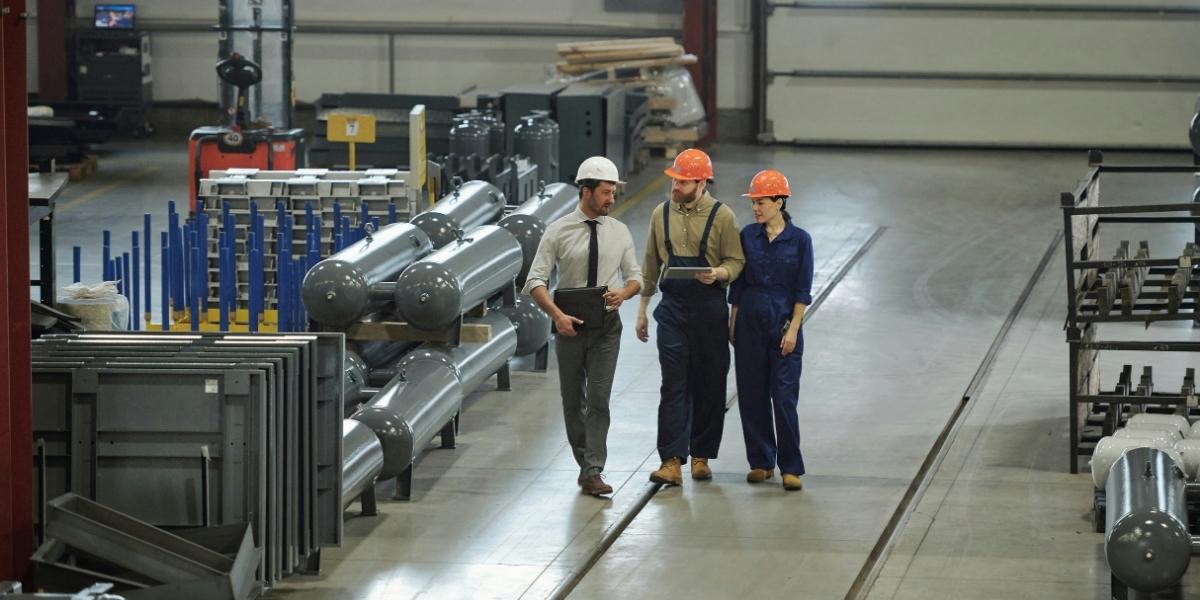

Startup growth bottlenecks shift to power access in 2026 as U.S. companies face rising difficulty securing electricity capacity for expansion. Coverage of a recent $26 million Series A round by Critical Loop highlights how grid delays are affecting industrial growth, especially in AI infrastructure, logistics hubs, and advanced manufacturing sites.
The issue is not limited to capital or hiring capacity. Electrical grid connection timelines are increasingly shaping whether projects move forward or remain delayed, particularly in regions with high demand for data processing and industrial automation.
Power Access Becomes a Constraint in U.S. Startup Expansion
Power access startups are gaining attention as companies encounter limits tied to grid capacity rather than financial readiness. Reports from April 2026 show that certain industrial and technology facilities face long delays before receiving sufficient electricity service to begin full operations.
In several U.S. states, grid connection timelines extend across multiple years for large-scale facilities. These delays affect project scheduling for companies that depend on continuous energy supply, including data centers and automated logistics systems.
The situation has shifted planning priorities for operators that require high and stable electricity consumption. Energy availability is now assessed earlier in site selection and facility design.
Energy Grid Startup Funding Highlights Infrastructure Pressure
Energy grid startup funding has increased as companies respond to energy constraints affecting expansion plans. Critical Loop raised $26 million in a Series A round in April 2026, bringing its total funding to approximately $49 million.
The company develops modular energy systems that combine battery storage, on-site generation, and software-based control systems. These systems are designed to reduce dependence on long utility connection timelines by providing localized power capacity.
The funding round included participation from infrastructure-focused and climate-oriented backers. The capital was directed toward expanding deployments across industrial and commercial sites that require rapid power availability.
Power Access Startups Target Deployment Speed Gaps
Power access startups focus on reducing the time gap between facility construction and operational readiness. Traditional grid expansion projects can take years, particularly in areas with high industrial demand. Modular energy systems shorten this timeline by offering alternative supply methods.
Critical Loop’s systems integrate energy storage with distributed generation sources and software controls that manage load distribution. Deployment cycles are measured in weeks, depending on site requirements and capacity needs.
This approach is used in environments where delays in electrical access affect production schedules, including logistics centers and manufacturing facilities.
AI Infrastructure Increases Electricity Demand Pressure
AI infrastructure expansion is contributing to higher electricity consumption across U.S. data centers. Large-scale computing clusters require continuous and high-volume power supply, which places additional pressure on existing grid systems.
Several regions report delays in new data center approvals due to limited electrical capacity. This has led to increased interest in alternative energy configurations that reduce reliance on centralized infrastructure upgrades.
Energy planning is now included earlier in project development for AI-related facilities. This includes evaluating distributed energy systems and on-site generation options during initial design phases.
Grid Modernization Startups Expand Distributed Energy Models
Grid modernization startups are building systems that operate alongside traditional utilities rather than replacing them. These systems combine software optimization with physical energy infrastructure to improve local capacity management.
Distributed energy models allow companies to generate or store electricity on-site, reducing dependence on external grid expansion timelines. This approach supports incremental scaling of power capacity aligned with operational demand.
These systems are increasingly used in industrial zones where energy demand fluctuates or exceeds available grid supply during peak usage periods.
Industrial Expansion Tied to Energy Availability
Industrial operators are adjusting expansion plans based on energy availability. Facility location decisions now consider local grid capacity alongside labor access and logistics efficiency.
Manufacturing sites, warehouse automation systems, and transport hubs require stable and continuous power supply. Where grid capacity is constrained, companies are evaluating alternative energy configurations to maintain operational schedules.
This shift affects both new construction and facility upgrades, particularly in high-growth metropolitan areas.
Operational Examples from U.S. Deployments
Deployments associated with modular energy systems include industrial facilities, transportation infrastructure, and high-demand commercial sites. Reported use cases include temporary energy support during grid delays and supplemental capacity for high-load operations.
These deployments focus on maintaining operational continuity during periods when utility upgrades are pending. Systems are installed on-site and configured based on expected energy load requirements.
Use cases span sectors where downtime or delayed activation results in production inefficiencies or operational disruptions.
Talent and Engineering Focus in Energy Grid Startups
Engineering teams working on grid modernization systems often include experience from aerospace, automotive, and advanced computing sectors. This reflects the technical requirements of integrating software systems with physical energy infrastructure.
The development of modular energy systems requires coordination between hardware design, energy management software, and deployment logistics. This combination of disciplines is shaping how these startups approach product development and scaling.
Structural Shift in Startup Scaling Conditions
Startup growth bottlenecks shift to power access in 2026 reflects a broader adjustment in scaling conditions across industrial and technology sectors. Electricity availability is becoming a measurable factor in expansion planning for energy-intensive operations.
Capital, workforce availability, and market access remain central considerations. Energy capacity is now part of early-stage operational planning for companies that require sustained power consumption.
The companies addressing this constraint are positioning themselves within infrastructure planning cycles that extend beyond traditional software development timelines.
Outlook for Founders and Operators
Founders building in compute-heavy or industrial sectors are incorporating energy planning into site selection and scaling strategies. Power availability assessments are becoming part of feasibility analysis alongside cost and logistics evaluation.
Questions around energy sourcing, capacity expansion, and deployment timelines are increasingly part of early operational discussions.
How companies respond to energy constraints will influence expansion speed across several sectors tied to automation and digital infrastructure.