The Neurologist Who Used Homer to Explain Your Brain and Changed How You Think About Your Career in the Process

By: Esteban Hewitt

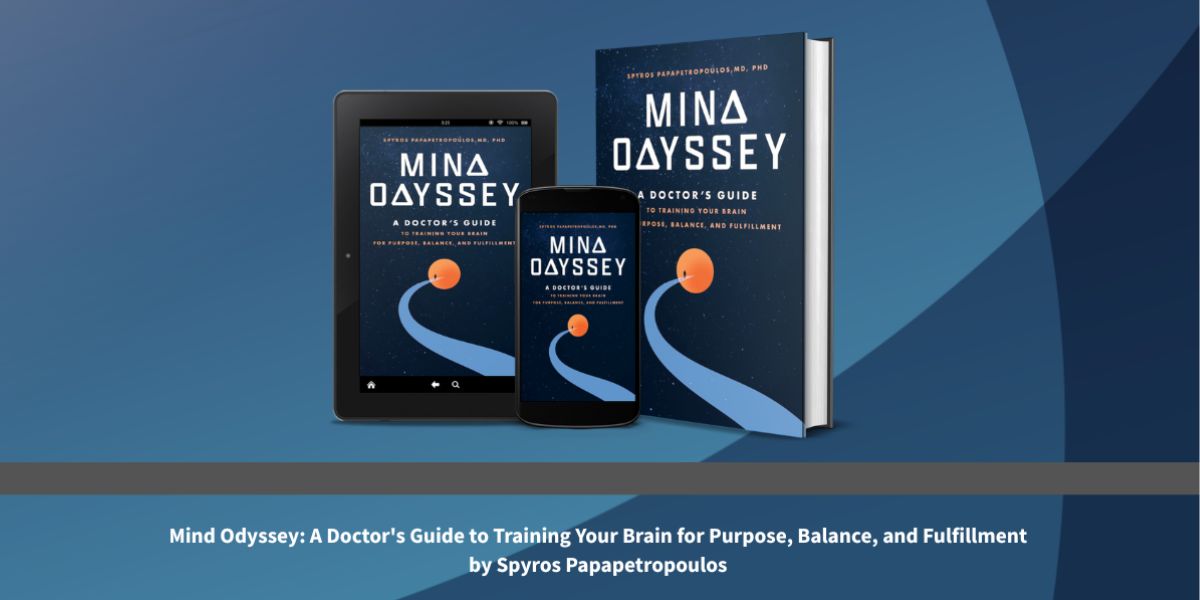
There is a particular kind of book that only becomes possible when its author has spent equal time inside the laboratory and inside the human experience of trying to build a meaningful professional life, and Mind Odyssey is exactly that kind of book. Dr. Spyros Papapetropoulos is a board-certified neurologist, neuroscientist, and biopharmaceutical CEO whose scientific résumé includes more than two hundred peer-reviewed papers and contributions to multiple FDA-approved therapies, and yet the book he has written is not primarily a scientific document. It is a deeply human one, grounded in neuroscience but animated by the genuine curiosity about people that he credits as the force behind his entire career.

The decision to use Homer’s Odyssey as the organizing metaphor for a book about professional purpose and brain training is one that could easily have felt forced, and the fact that it doesn’t is a measure of how completely Papapetropoulos has inhabited both the ancient text and the contemporary challenge he is addressing. Like Odysseus navigating toward Ithaca through storms and temptations and encounters that test every dimension of his character, the modern professional navigating toward a fulfilling career needs a clear sense of why they are sailing, the emotional equilibrium to survive the difficult passages without losing their direction, and the capacity to recognize what genuine arrival feels like rather than mistaking every temporary pleasure for the destination. That framework gives the book a coherence and a resonance that purely practical career guides never quite achieve.

What makes reading this book feel genuinely different from the crowded shelf of professional development literature it sits beside is the quality of the neuroscience underneath the narrative. Papapetropoulos is not borrowing brain science to give his advice a veneer of credibility. He is drawing on decades of actual research into how the brain processes purpose, regulates emotion, and generates the sustained sense of meaning that he distinguishes carefully and importantly from the fleeting happiness that most success culture is actually chasing. The distinction he draws between dopamine-driven happiness and endorphin-fueled fulfillment is one of the most clarifying ideas in the book and one that reorganizes a lot of assumptions about what professional success is actually supposed to feel like when you get there.

His three-part structure, purpose, balance, and fulfillment mirror the journey of the Odyssey with enough specificity that the metaphor earns its place rather than simply decorating the content. Each section builds on the previous one with the logic of someone who understands that these three qualities are not independent variables but deeply interconnected aspects of a single coherent way of engaging with your professional life. The tools he offers, introspection during calm periods, gratitude as a counterweight to runaway ambition, and conscious appreciation of time as a finite resource, are practical in the specific sense of being immediately applicable rather than just conceptually appealing.

Mind Odyssey is the book for anyone who has achieved enough success to know that success alone was not the point and is ready to think more carefully about what actually is. Papapetropoulos has written something that is simultaneously rigorously grounded and genuinely warm, and that combination is what makes it worth carrying with you well beyond the reading.

If you have achieved enough professional success to know that success alone was never really the point, and you are ready to use actual neuroscience to figure out what actually is, Mind Odyssey by Dr. Spyros Papapetropoulos is the book that takes you there. Grab your copy on Amazon today and begin the kind of odyssey your brain was always designed to make.
John Berra Built a Career Out of One Annoying Question, “Isn’t There a Better Way to Do This?”

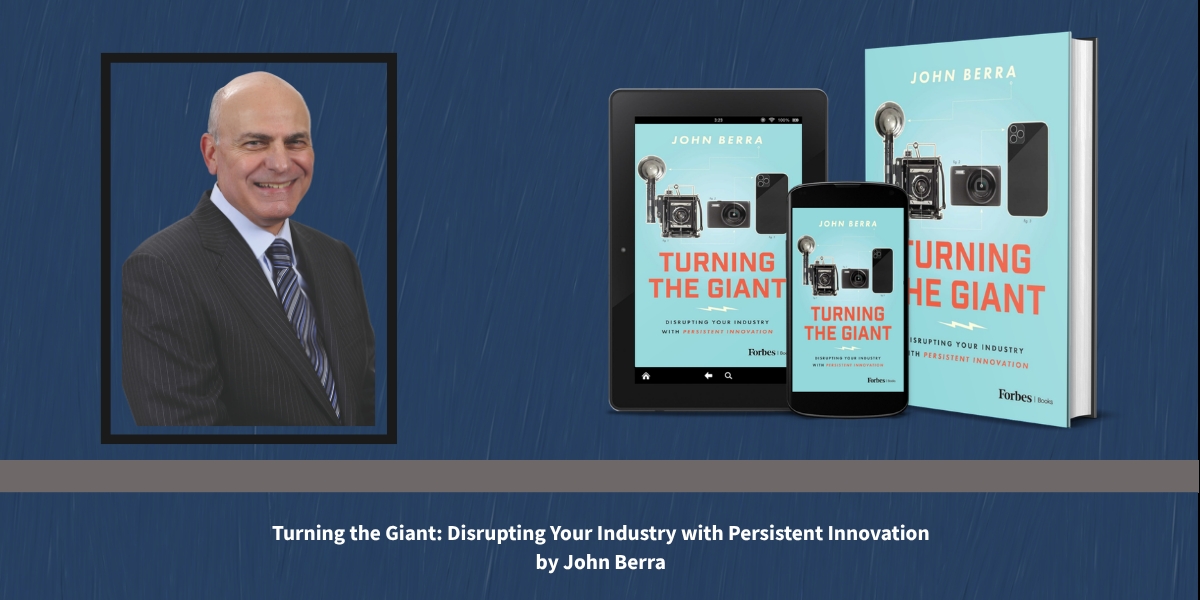
Many people have that thought at some point in a job they don’t love. Isn’t there a better way to do this? For some people, the thought passes. For John Berra, it became a career.

John eventually became Chairman of Emerson Process Management and was inducted into the Process Automation Hall of Fame. But the starting point for all of it was a young engineer at Monsanto, doing repetitive technical work, asking that exact question on repeat.

His book Turning the Giant is essentially an extended answer to it.

The Job Was Boring. The Thought Wasn’t.

There’s nothing dramatic about the work John describes from his early career. Wiring connections. Repetitive tasks. The kind of job that’s easy to coast through without thinking too hard about it.

Except John did think about it. Constantly. And what kept surfacing wasn’t a complaint exactly. It was curiosity. There has to be a better way. That phrase, repeated enough times over enough days, started to function less like a frustration and more like a direction.

He calls this properly channeled frustration, and he credits it as one of the useful forces in his entire career.

Giants Are Permanent. Your Approach to Them Isn’t.

The central image of John’s book is the “giant,” the kind of obstacle that doesn’t go away no matter how senior you become. Bureaucracy. Skepticism. Competition. Self-doubt. These don’t get solved once. They show up again and again, often bigger than before.

John’s insight isn’t about eliminating them. It’s about recognizing that your relationship to them can change even when they don’t. Early in his career, he assumed giants needed to be defeated. By the time he was leading large parts of Emerson, he understood they needed to be turned, redirected toward something productive instead of being treated purely as a barrier.

Skeptics Aren’t the Enemy Either

One of the more grounded pieces of advice in John’s reflections is about how change actually spreads inside organizations. It’s not through mandates or big announcements. It’s through individual conversations with individual skeptics, repeated patiently over time.

He learned this clearly as the organizations he worked in got bigger and the resistance to new ideas got more entrenched. Trust building, in his experience, doesn’t scale the way some leaders wish it would. It happens one person at a time, and it requires sticking with a vision even when immediate feedback is doubtful.

Big Companies Aren’t Innovation Deserts

John also takes aim at a common assumption: that real innovation only happens in small, scrappy companies without much structure in the way.

His career argues otherwise. Several of the significant changes he was part of happened inside very large organizations, the kind people assume are too slow or too bureaucratic to change meaningfully. What made the difference was leaders willing to challenge the default way of doing things and stick with that challenge through resistance.

Where to Start

If you take one thing from John’s experience, it’s this. The next time something in your work frustrates you enough to make you think there has to be a better way, don’t dismiss that thought. Don’t just vent about it either.

Ask what it might be pointing toward. According to John, that’s often where the real opportunities are hiding.

John’s journey from shy engineer to industry Hall of Famer is the throughline of Turning the Giant, where he lays out how he learned to turn each of these obstacles into momentum.

Charles Hudson Shares Startup Fundraising Lessons for Founders

Charles Hudson, founder and managing partner of Precursor Ventures, shared fundraising and investor selection lessons based on his experience investing in more than 500 startups. His remarks provide practical guidance for founders evaluating valuations, venture capital, and investor relationships in a competitive fundraising market.

Key Takeaways

  • Charles Hudson discussed common fundraising mistakes made by startup founders.
  • He advised founders to avoid pursuing high valuations without considering long-term consequences.
  • Hudson encouraged entrepreneurs to conduct due diligence on prospective investors.
  • He said venture capital is not the right funding model for every business.
  • Hudson described how investor expectations have changed for early-stage companies.

Early-stage founders should carefully consider how they raise capital, who they accept as investors, and whether venture capital aligns with their long-term business goals, according to Charles Hudson startup advice shared during a recent interview. Hudson, founder and managing partner of Precursor Ventures, discussed lessons drawn from investing in more than 500 startups, focusing on fundraising decisions that can shape a company’s future long after an investment round closes.

Hudson explained that fundraising involves more than securing capital. He said founders should understand the expectations attached to investment terms, the long-term implications of company valuations, and the importance of selecting investors who align with the company’s objectives.

What Startup Mistakes Did Charles Hudson Highlight?

Hudson identified several recurring mistakes he has observed while investing in early-stage companies.

One of the most significant issues involves founders placing excessive emphasis on achieving the highest possible valuation during fundraising. While larger valuations can attract attention and signal investor confidence, Hudson explained that they also establish higher expectations for future company performance.

He stated that founders should evaluate whether the valuation accurately reflects the company’s stage of development and growth prospects rather than treating valuation as a measure of success by itself.

Hudson also encouraged founders to think carefully about the investors they bring onto their capitalization table. According to his guidance, investor relationships often extend over many years, making compatibility an important consideration alongside financial support.

Rather than focusing solely on the size of an investment, Hudson advised founders to consider whether prospective investors share the company’s long-term vision and can contribute constructively throughout the business’s development. Founders seeking additional context on changing investor expectations may also find funding trends every founder should watch useful.

Why Does Hudson Warn Against Chasing High Valuations?

Hudson explained that accepting an aggressive valuation can create long-term pressure for both founders and investors.

Higher valuations generally require companies to deliver substantial growth in future funding rounds or eventual exits. If performance falls short of those expectations, founders may encounter additional fundraising challenges or increased pressure to pursue growth strategies that differ from their original plans.

Hudson said founders should consider the obligations created by accepting significant investment capital. Investors typically expect companies receiving large investments to pursue outcomes capable of generating meaningful returns.

He advised entrepreneurs to evaluate fundraising decisions beyond the immediate benefit of additional capital. Long-term company strategy, operational flexibility, and future financing opportunities all become part of the equation when determining appropriate valuation levels.

Hudson’s remarks also suggest that fundraising decisions should be viewed as strategic business choices rather than milestones measured only by headline figures.

How Should Founders Evaluate Potential Investors?

Why Investor Fit Matters Beyond Funding

Hudson encouraged founders to conduct their own due diligence before accepting investment.

He recommended speaking with founders from an investor’s existing portfolio to better understand how the investor works after a financing round closes. These conversations can help entrepreneurs assess whether claims regarding recruiting assistance, go-to-market support, customer introductions, and operational guidance match the experiences of other founders.

Hudson emphasized that fundraising is a two-way evaluation process. While investors examine companies before making investment decisions, founders also have an opportunity to determine whether an investor represents the right long-term partner.

He suggested verifying statements regarding platform resources and operational support rather than relying solely on fundraising discussions.

Choosing investors based on long-term compatibility can become as important as negotiating financial terms, particularly for businesses expecting multi-year relationships with venture capital firms. Additional perspective on building sustainable founder support networks is available in why ecosystem support matters.

When Is Venture Capital the Right Choice for a Startup?

Hudson also addressed a question many founders face before seeking outside funding: whether venture capital is the appropriate financing model.

He explained that not every successful business is designed to meet venture capital expectations. Venture investors generally seek companies capable of achieving significant scale and generating returns that justify the risks associated with early-stage investing.

Hudson encouraged founders to assess whether their business objectives align with those expectations before beginning the fundraising process.

Businesses pursuing steady profitability or serving specialized markets may require different financing approaches than companies targeting rapid expansion supported by venture investment.

His comments emphasized that founders should first determine the type of company they intend to build before deciding whether venture capital represents the most suitable source of funding.

Evaluating financing options through the lens of long-term business strategy can help entrepreneurs make decisions consistent with their operational goals rather than external fundraising expectations.

Frequently Asked Questions

Who is Charles Hudson?

Charles Hudson is the founder and managing partner of Precursor Ventures, an early-stage venture capital firm. He has invested in more than 500 startup companies and regularly shares guidance on fundraising and company building.

What fundraising mistakes does Charles Hudson identify?

Hudson said founders often place too much emphasis on securing the highest valuation without fully considering long-term expectations, investor relationships, and future fundraising implications.

Why does Hudson caution against high startup valuations?

According to Hudson, higher valuations can create greater expectations for company growth and future performance, making subsequent fundraising rounds more challenging if those expectations are not met.

How should founders choose venture capital investors?

Hudson advised founders to conduct due diligence by speaking with portfolio founders, verifying claims about operational support, and evaluating whether investors are a good long-term fit beyond providing capital.