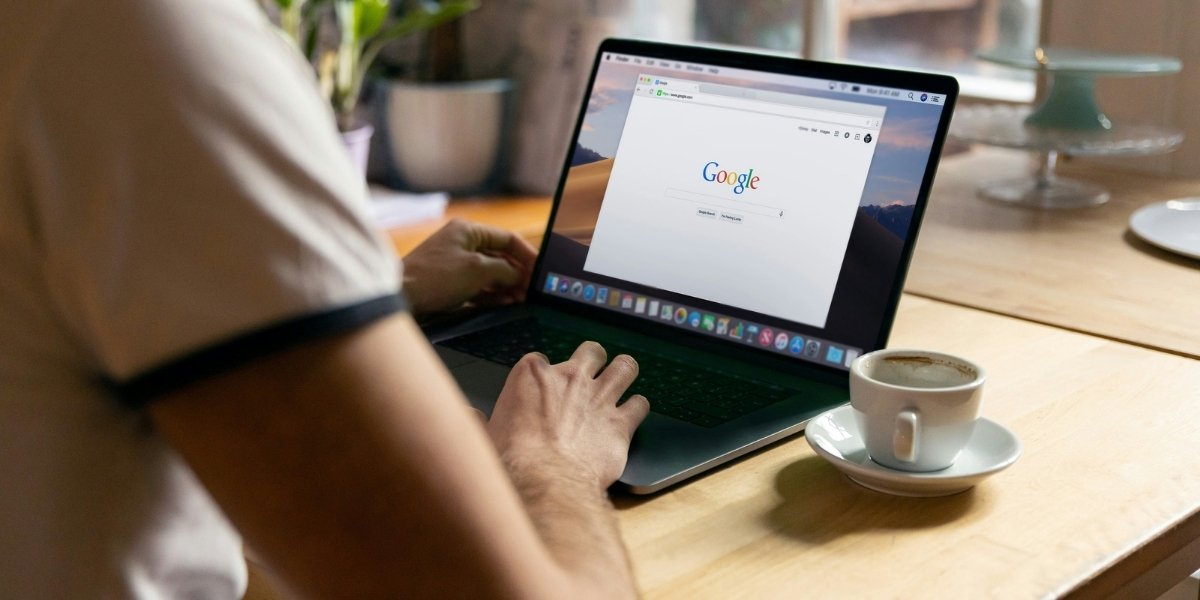
Google has introduced Search profiles, a new feature that provides publishers, content creators, and brands a centralized space to present their online presence within Search and Discover. The addition was announced in early June 2026 and is currently launching in the United States, with potential expansion in the future.
Search profiles act as customized pages where eligible organizations can consolidate links to articles, videos, social media accounts, and recent posts. Users can access these profile pages directly from search results or through Google Discover on mobile devices.
Profile Pages Bring Multiple Content Streams Together
A Search profile serves as a unified hub for a publisher’s or creator’s digital output. Visitors can see a collection of recent work, social posts, and linked platforms in a single view. The design mirrors social network-style profiles, combining different types of content into a cohesive presentation.
Publishers and creators with a substantial audience, defined by follower thresholds on major platforms such as YouTube, Instagram, or X, are eligible to claim and customize these profiles. Specific criteria include having at least 100,000 followers on one platform or 300,000 followers on TikTok.
These profiles allow customization of visuals like avatars and banners, plus curated links to websites, social accounts, and video platforms. Pinned content helps highlight selected pieces for visitors.
Integration With Knowledge Panels and Search Discoverability
Once a publisher or creator claims a Search profile, it can influence how their presence appears in Google Search. A profile can trigger the generation of a knowledge panel, a visual summary box that appears alongside search results for notable creators and brands. When an existing panel already exists for an entity, the new profile elements can enhance it with updated imagery and links to the profile page.
Mobile users may see these profiles by tapping on a publication’s name in the Discover feed or via a direct profile URL. Google says the goal is to help audiences find current information about content sources without needing to navigate away from Search or separate platforms.
Profiles are also integrated with initiatives that allow users to follow preferred content sources across Search and Discover. Users can follow a profile to surface more of that publisher’s material in future Discover content streams.
Selective Rollout Tied to Audience Thresholds
At launch, Search profiles are limited to creators and publishers in the United States who meet specific audience size criteria. Supported platforms include YouTube, Instagram, X, and TikTok, with thresholds designed to include established content sources first.
The phased rollout means smaller publishers or niche creators may not have immediate access. Google has indicated plans to expand eligibility over time, allowing more organizations and individuals to claim profiles.
Eligibility also connects to Google’s knowledge panel system, where existing panels reflect search engine recognition of notable entities. The new profiles build on that system, giving users more control over how searchable content is presented.
Industry Response Focuses on Visibility and Control
Consolidated profiles simplify how audiences find content from preferred sources across web platforms.
For organizations with established followings, profiles offer a space to centralize online identities, linking to social media accounts, websites, and multimedia content. With pinned content features and custom visuals, profile pages let content owners present a coordinated presence in Search.
Some experts note that earlier search ecosystem changes, including AI-driven summaries and generative search experiences, can reshape audience interactions with content. Centralized profile pages provide publishers a clearer way to manage visibility and audience connection.
Search engines continue adjusting to content discovery habits that resemble social media interactions. Profiles represent a method for creators and publishers to consolidate material into a single, searchable presence.
Access and Future Possibilities
Search profiles are currently available for eligible entities in the United States. Google has not provided a full timeline for international rollout, but ongoing testing and user feedback may guide wider access in the future.
The introduction of Search profiles aligns with changes in how search tools display content across the web, including video, social posts, and publisher links. For U.S. publishers and creators with qualifying audiences, profiles offer a way to combine different content streams into a single, searchable presence.