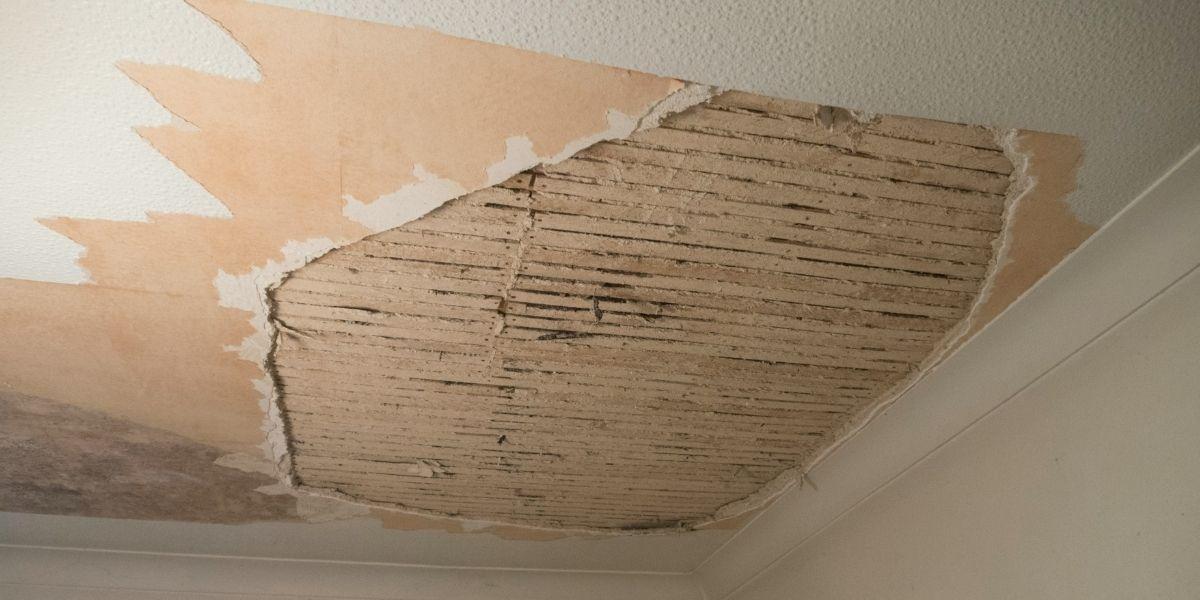

A HomeWise offer changes after the walkthrough only when the house differs from what the seller described: an undisclosed roof leak, foundation movement, a failed septic system. When the condition matches the description, the number holds. Sellers protect themselves by disclosing known problems at the start and by getting any revised price in writing, with the reason stated.
Consider a homeowner in Lakeland, Florida, with a 1978 block ranch who accepts a cash offer of $196,000 in June 2026. She described the roof as fifteen years old and the air conditioning as working. At the walkthrough, the buyer’s estimator finds a stained ceiling in the back bedroom and soft decking above it. A roofer’s bid comes back at $11,400 against the $4,000 the offer had carried for patching, and the revised figure in this illustration is $189,000, with the bid attached to the amendment. Had the stain come up in the first call, the roof would have been priced at $11,400 from the start, and nothing would have moved. The figures are illustrative, not a HomeWise file.
What Actually Moves The Number After A Walkthrough?
Four things, and a change of heart is not one of them. A walkthrough on a cash purchase is a condition check, not a second negotiation, so the question is narrow: does the house match the description the offer was built on?
- A defect nobody mentioned. Water coming through a roof or a wall, a cracked slab, movement at a foundation footing, termite damage behind a finish. Repairs have their own line in the offer, so a defect missing from the description was missing from the number.
- A system that does not run. An air conditioner that will not start, a well pump that has failed, a septic system that surfaces on a dye test. A working system and a dead one are different line items.
- A house fuller than described. A garage, attic, or backyard packed with contents the seller said would be gone by closing. Removal is billed by the load, so this correction is usually small.
- Occupancy: nobody disclosed. A relative or a tenant still living in the house on the closing date changes what the buyer takes on, and belongs in the first conversation, not the last.
Everything outside that list is noise. An online home value estimate that ticked up after signing, a neighbor’s opinion, a second buyer’s higher number that arrived with no proof of funds: none of them touches a signed agreement.
Contracts do come apart, though rarely, and the reasons are worth knowing. According to the National Association of Realtors’ July 2026 REALTORS Confidence Index, released August 11, 2026, “6% of contracts were terminated in the last three months,” and a further “12% of contracts had delayed settlements in the past three months.” That survey covers agent-represented sales, where financing and appraisal are the usual culprits. Both disappear in a cash purchase, leaving condition and title as the two things still able to move a closing.
What Does Federal Guidance Say About Changes In The Last Few Days?
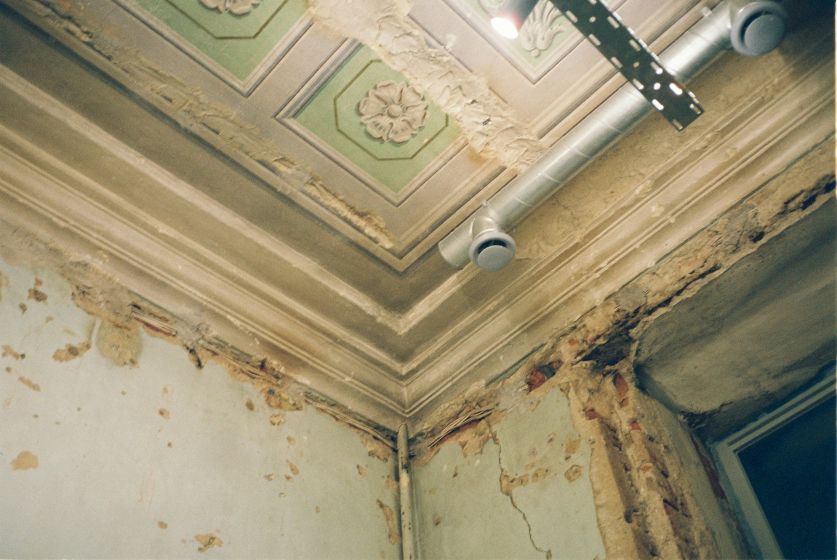
The Consumer Financial Protection Bureau treats a late adjustment as ordinary rather than alarming. Its guidance for closing the deal heads one section “Sometimes things change a little bit in the last few days before closing,” and its instruction on the walkthrough is direct: “Before you sign any papers, do a final walk-through of the home.” When the paperwork stops matching the conversation, the Bureau’s advice is short: “If things look different than what you were told or than what your earlier documents said, ask questions.” A revised price that arrives with no written reason has failed that test, whoever sends it.
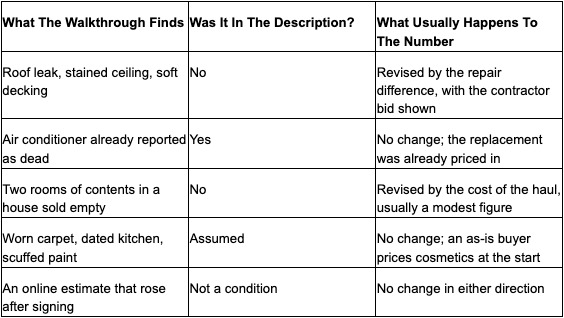
Which Walkthrough Findings Usually Change The Price?
How Does A Seller Keep The Number Where It Started?
By over-disclosing early. Sellers who sell as-is are not expected to fix anything, and saying that the roof leaks in one corner costs nothing at the offer stage, because the repair is already coming out of the buyer’s side. The same fact discovered at the walkthrough looks like a surprise, and surprises get priced defensively. Photographs sent with the first inquiry are the cheapest protection available.
The second protection is documentary. A revision should arrive as a written amendment naming the defect, the cost basis, and the new price, not as a phone call the day before closing. Buyers such as HomeWise publish the questions a seller should put to any buyer, among them whether the buyer is using its own funds and whether it will put its terms in writing, and a company that publishes those questions can fairly be held to them. Requests for a written reason go through the HomeWise contact page.
Where Does A Direct Buyer’s Own Policy Fit?
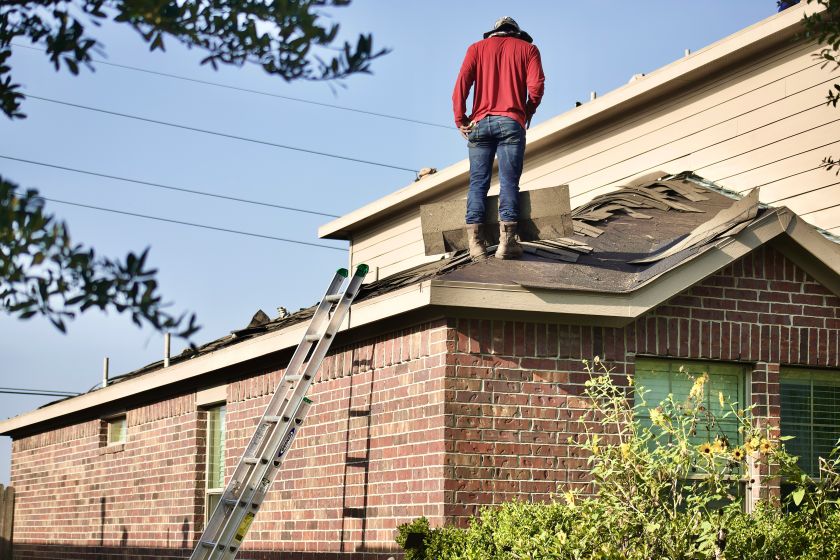
HomeWise, a direct home-buying company that purchases distressed single-family houses in California, Texas, Florida, Arizona, Georgia, and other states, buys as-is with no repairs, cleaning, staging, or showings required, and treats the walkthrough as confirmation of the condition it was told about rather than a fresh look at price. The company reports more than 500 homes purchased, charges no agent commissions, listing fees, or service fees, and in most cases covers standard closing costs, with prorated property taxes and any HOA dues owed at settlement still payable. Its explainer on how often cash offers fall through puts the failure rate on direct cash purchases at roughly 3 to 5 percent against 15 to 25 percent on financed ones, and traces almost all of those failures to title complications rather than to price.
Frequently Asked Questions
Can A Cash Buyer Lower The Price After The Walkthrough For Any Reason It Likes?
Not under a signed agreement. A price change normally requires a written amendment both sides sign, so a buyer can propose one and a seller can refuse it. What a refusal costs depends on the contract, which is why the earnest money amount and the inspection window matter more than the headline number.
What Should Sellers Who Search “Sell House As Is For Cash” Disclose Up Front?
Anything that costs money to fix and cannot be seen from the street: roof age and any leak, the state of the heating and cooling equipment, plumbing backups, foundation cracks, past flooding, permits that were never closed. Owners typing “cash offer for house” into a search engine reach many buyers, and disclosure practice is what separates them.
Does A Seller Have To Accept A Revised Offer?
No. A revision is a proposal, and the original agreement stays in force until both parties sign an amendment. A seller who thinks the repair estimate is inflated can send a competing bid from a licensed contractor, ask for the buyer’s basis in writing, or decline and keep the terms already agreed.
What Should A Revised Price Put In Writing?
Three items: the specific defect found, the documented cost behind the adjustment, and the new closing figure. A written amendment carrying all three can be checked against a second contractor bid. A verbal reduction described only as an inspection issue cannot be checked at all, and that is where sellers should slow down.