
Innospace orbital mission and the technical hurdles of private space
The global aerospace sector recently witnessed a significant moment in private exploration as a South Korean startup attempted its first commercial flight. Operating under the name Innospace, the company aimed to deploy eight specific payloads into a low Earth orbit using its independently developed rocket. This mission represented a bold step for a nation traditionally reliant on state-funded space programs. By shifting toward a private model, the venture highlighted the increasing accessibility of orbital technology for emerging companies outside the established aerospace giants.
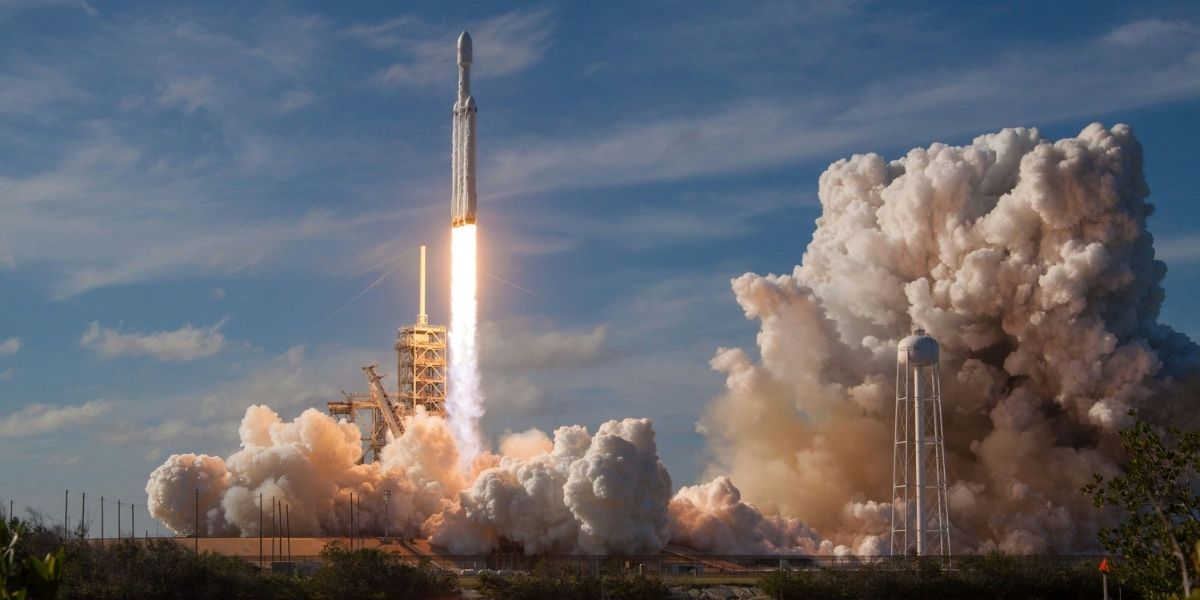
This historic attempt took place at a specialized facility in Brazil, chosen for its proximity to the equator to maximize launch efficiency. The vehicle, known as Hanbit-Nano, reached a height of over twenty-one meters and featured a complex propulsion system designed for small satellite delivery. For several moments after liftoff, the mission appeared to be on track to achieve a national milestone in private enterprise. The visibility of the flight was amplified by a live broadcast, allowing a global audience to witness the first major step of this ambitious commercial program.
However, the complexities of space flight were soon evident as a technical abnormality developed shortly after the initial ascent. This incident underscores the extreme precision required to manage the forces involved in leaving the atmosphere. While the vehicle did not reach its final destination, the safe management of the descent ensured that there were no casualties or additional damage. This outcome serves as a reminder of the rigorous safety standards that govern the industry even during high-risk experimental phases.
Engine technology and mission objectives for the Hanbit-Nano flight
The Hanbit-Nano vehicle stands as a testament to the innovative engineering efforts being made by the team at Innospace. Its first stage is powered by a twenty-five-ton hybrid engine that uses a combination of solid fuel and liquid oxidizers for stable thrust. This hybrid design is intended to offer a safer and more cost-effective alternative to traditional all-liquid systems while maintaining high performance. The secondary stage utilizes a specialized liquid methane engine, marking a first for the private sector in the region.

Photo Credit: Unsplash.com
The mission, officially titled Spaceward, was designed to carry a variety of payloads, including five small satellites for international customers. These devices were intended to perform various tasks, from Earth observation to signal processing demonstrations, at an altitude of three hundred kilometers. The diversity of the cargo demonstrated the company’s ability to handle complex rideshare missions that cater to a wide range of needs. By aiming for a specific sun-synchronous orbit, the flight sought to prove the vehicle’s accuracy and commercial viability.
Developing these propulsion systems requires extensive ground testing and a series of qualification milestones. Prior to this flight, the second-stage methane engine had successfully completed a three-hundred-second burn test to verify its structural integrity. These rigorous evaluations are meant to reduce the likelihood of failure, yet the transition from the test stand to actual flight remains the ultimate hurdle. The data gathered from this recent attempt will be crucial for refining the engine’s performance for future commercial activities.
Regional impact and the evolution of the private space sector
South Korea’s aerospace ambitions have undergone a dramatic transformation over the last several decades. What began as a government-led effort has blossomed into a multifaceted industry where companies like Innospace play a leading role. This shift toward “Space Development 2.0” focuses on integrating orbital technology with the broader economic infrastructure of the nation. The goal is to create a self-sustaining ecosystem where private innovation complements national security and scientific research objectives.
The launch from Brazil also highlights the importance of international cooperation in modern space ventures. By partnering with the Brazilian Space Agency, the South Korean firm gained access to a strategic launch site that offers significant orbital advantages. This collaboration is part of a wider trend where nations share infrastructure to lower the barriers to entry for commercial operators. Such partnerships ensure that the benefits of space exploration are not limited to a handful of countries with their own domestic launch sites.
Success in this sector is often measured by the ability to rebound from setbacks and maintain a long-term vision. The recent event has provided invaluable flight data that can only be obtained through an actual launch attempt. This information is a vital asset that will allow engineers to identify the exact cause of the abnormality and implement necessary hardware changes. As the industry matures, the focus remains on building a reliable and repeatable service that can meet the growing demand for small satellite deployments.
Resilience in aerospace and the roadmap for the next attempt
Historical records from the most successful aerospace companies show that early failures are a common part of the development cycle. Giants like SpaceX and Rocket Lab faced similar hurdles during their initial stages before becoming dominant forces in the market. This pattern suggests that the true value of a mission lies in the lessons learned and the improvements made to the vehicle’s design. The startup has already confirmed its intent to move forward, viewing the experience as a necessary stepping stone toward orbital success.
Plans are already in motion for a second commercial launch attempt, which is currently scheduled for the first half of 2026. This forward-looking stance is backed by a pipeline of existing contracts with international partners who remain interested in the company’s services. The team is now focused on a comprehensive review of the avionics and fuel systems to ensure maximum reliability for the next mission. This commitment to persistence is what defines the leadership in the competitive small-satellite launcher market.
Beyond the technical repairs, the company is also looking to expand its global footprint through new agreements in Australia and Norway. These multi-year deals will provide a diverse range of launch options for customers, further strengthening the commercial appeal of the Hanbit rocket family. By establishing a network of launch sites, the firm can offer more flexible schedules and tailored mission profiles. This strategic growth is intended to position the brand as a reliable alternative for satellite operators around the world.
Future standards for commercial orbital missions and innovation
The demand for frequent and affordable access to orbit is expected to grow as more industries integrate satellite data into their daily operations. Private companies are now the primary drivers of this innovation, pushing the boundaries of what is possible with smaller, more efficient vehicles. This trend is creating a new standard for how space missions are planned and executed, with a heavy emphasis on cost-effectiveness and rapid turnaround times. Those who can master these elements will be the ones who lead the global space economy.
As the technology continues to evolve, we can expect to see even more specialized propulsion systems and automated launch sequences. These advancements will likely reduce the cost per kilogram of payload, making space accessible to an even wider range of entrepreneurs and researchers. The human element of engineering and problem-solving remains the most critical factor in this journey toward the stars. Those who can learn from every flight and adapt to the challenges of the vacuum will define the future of the industry.