Scriptural Wisdom: Elder Kirk E. Hillman’s Mission to Educate and Inspire

By: Kivo Daily Staff

Elder Kirk E. Hillman, an ordained Elder for over two decades, stands out as a beacon of biblical wisdom and teaching. With a wealth of experience as a speaker, author, and educator in Christian doctrine, lifestyle, and Biblical counseling, he has made significant strides in fostering a deeper understanding of scripture among believers.

A Divine Calling in Teaching and Speaking

Elder Hillman’s path was carved from a divine calling to teach, admonish, and administer in the Christian faith. This calling, coupled with his gift as a speaker, has seen him work tirelessly in these gifts for over 30 years, impacting the lives of countless individuals through his words and writings.

Confronting Challenges with Truth and Education

Elder Hillman’s career has been marked by a steadfast commitment to countering false teachings within Christianity. He’s tackled this through creating educational platforms and tools, including an online Bible study course, to equip believers with the skills to study and understand God’s Word accurately.

Unique Approach: Vigilance and Tenacity in Faith

Elder Hillman views his role not as part of an industry but as a crucial element in a community of born-again believers. His vigilant approach to teaching ensures that believers are equipped with the knowledge and understanding necessary to navigate the complexities of Christian living in a modern world.

A Speaker Ready for Higher Ground

As a speaker, Elder Hillman is poised to take his message to larger audiences, seeking to expand his impact through podcasts, books, and other media. His readiness for higher platforms is driven by a passion to spread the truth of the Bible and empower believers in their faith journey.

Emphasizing the Importance of Diligent Study

Central to Elder Hillman’s teaching is the belief that proper Bible study involves prayer, patience, and a detailed approach. He stresses the importance of not just reading but studying the scriptures thoroughly, using effective study tools to gain a deeper understanding.

Expanding Outreach through Modern Platforms

Looking to the future, Elder Hillman aspires to broaden his reach through the use of technology. His aim is to make scriptural wisdom more accessible to believers globally, enhancing their understanding and relationship with God.

Addressing a Common Misconception Among Believers

Elder Hillman notes that while many believers read the Bible, few engage in in-depth study. He warns against the deceptive nature of emotional experiences in church, advocating for a more fact-based approach to understanding one’s faith.

The SET Program: A Gateway to Biblical Knowledge

The primary goal of this article is to direct traffic to www.thesetprogram.org, where Elder Hillman offers a free and comprehensive tool for Bible study. Targeting adult Christians, the program embodies his commitment to facilitating diligent scriptural investigation.

The Essence of Scriptural Investigation

Elder Hillman’s message is clear: with the right tools and mindset, anyone can learn to study the Bible effectively. This process requires not only prayer and patience but also a thorough, word-for-word approach to reading.

Approachable and Inspirational Tone

The tone of Elder Hillman’s teachings and writings is both approachable and inspirational, encouraging believers to deepen their understanding and relationship with God. His website, www.elderkirkehillman.com, serves as a testament to his commitment to this cause.

Titles Reflecting a Lifelong Mission

Potential titles like “It’s Never Too Late to Learn” and “Training the Mind to Think” encapsulate Elder Hillman’s educational philosophy. They highlight the importance of not just acquiring knowledge but developing the ability to think critically about the scriptures.

In conclusion, Elder Kirk E. Hillman’s journey as an educator, speaker, and writer in the Christian faith is a powerful testament to the transformative power of diligent scriptural study. His commitment to educating and inspiring believers shines through every aspect of his work, guiding them towards a deeper, more meaningful understanding of their faith.

Join Elder Kirk E. Hillman on a journey of spiritual growth and scriptural understanding. Visit www.thesetprogram.org for free resources and guidance in your study of the Bible, and be inspired by a speaker who is ready for higher ground.

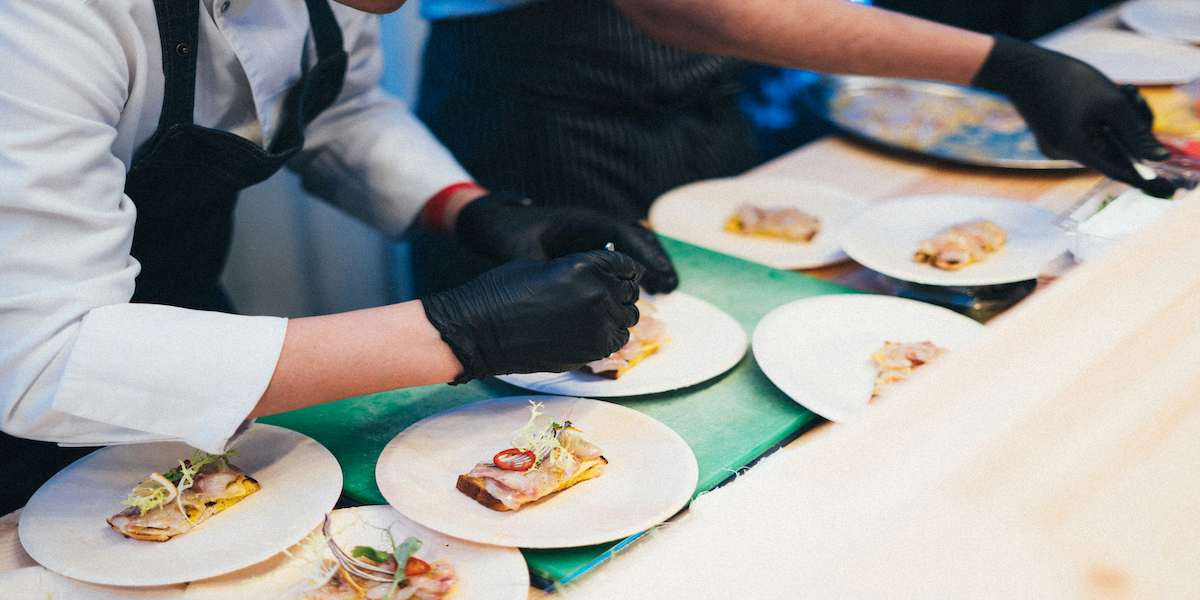
How Sales Strategies Differ: Restaurants vs. Other Businesses

Image commercially licensed from Unsplash

In the world of business, sales strategies play a crucial role in driving revenue and growth. However, when it comes to sales strategies, one size does not fit all. Different industries have unique characteristics and challenges that require tailored approaches. In this blog post, we will explore how sales strategies differ between restaurants and other businesses, highlighting the key factors that set them apart.

Understanding the Restaurant Industry

The restaurant industry is a highly competitive and fast-paced environment. With numerous establishments vying for customers’ attention, it’s essential for restaurants to differentiate themselves and provide exceptional experiences. Unlike other businesses, restaurants heavily rely on word-of-mouth marketing and customer referrals. A positive dining experience can lead to rave reviews and a loyal customer base.

Customer experience is paramount in the restaurant industry. The basics of how to build a sales strategy in the restaurant industry or any business industry must include this, along with several key factors. From the moment guests step through the door, customers expect personalized service, attention to detail, and a memorable dining experience. Restaurants and other businesses in the hospitality industry involve providing services to clients, so their sales strategies must revolve around building relationships with customers. This involves attentive and friendly staff, personalized recommendations, and going above and beyond to exceed expectations.

Moreover, menu design and pricing strategies play a significant role in restaurant sales strategies. Restaurants carefully craft their menus to entice customers and maximize profitability. They strategically position high-margin items, use enticing language to describe dishes, and implement pricing tactics such as bundling or tiered pricing. Upselling techniques, such as suggesting appetizers or desserts, are also commonly used to increase the average check size.

In today’s digital age, online presence and social media marketing are vital for restaurants. Online reviews and ratings heavily influence customers’ decisions, and a strong social media presence can attract new patrons. Sales strategies in restaurants often involve engaging with customers on social media platforms, running targeted advertising campaigns, and leveraging user-generated content to create buzz.

Sales Strategies in Other Businesses

In contrast to the restaurant industry, other businesses employ different sales strategies that align with their unique offerings and target markets. Non-restaurant businesses typically focus on market research and identifying specific customer segments. Understanding customers’ needs, pain points, and preferences is crucial in developing effective sales strategies.

Sales funnels, lead generation, and conversion strategies are commonly used in other businesses. The goal is to guide potential customers through each stage of the buying process, from awareness to consideration and, ultimately, conversion. Businesses employ various tactics such as email marketing, content marketing, and targeted advertising to nurture leads and drive sales.

Unlike restaurants, which heavily rely on ambiance and customer experience, other businesses often emphasize the features and benefits of their products or services. Sales strategies revolve around highlighting unique selling points, demonstrating value, and addressing customer pain points. This typically involves product demonstrations, personalized presentations, and tailored sales pitches.

Key Differences in Sales Strategies

The key differences in sales strategies between restaurants and other businesses boil down to branding, ambiance, product/service features, and location.

Restaurants heavily rely on branding and ambiance to create a unique identity and attract customers. From the interior design to the music playing in the background, every element contributes to the overall dining experience. Other businesses, on the other hand, focus more on communicating the features and benefits of their products or services, often leveraging data-driven marketing strategies.

Location plays a crucial role in restaurant sales strategies. Restaurants strategically select their locations to capitalize on foot traffic and attract customers. The visibility and accessibility of a restaurant can significantly impact its sales performance. In contrast, other businesses may not rely as heavily on physical location, especially with the rise of e-commerce and remote work. They focus more on targeted marketing and reaching customers through various channels.

Sales strategies in restaurants differ significantly from those in other businesses. Restaurants prioritize customer experience, personalized service, and word-of-mouth marketing. Menu design, pricing strategies, and online presence play a crucial role in attracting and retaining customers. On the other hand, non-restaurant businesses focus on market research, lead generation, and highlighting product/service features. They employ sales funnels, personalized presentations, and targeted marketing to drive conversions. Understanding these key differences and tailoring sales strategies accordingly can help businesses achieve success in their respective industries.

Magnesium works to help the body metabolize protein, carbohydrates, and fat, and is, therefore, a helpful supplement when it comes to improving digestive health.

According to Juli Mazi, taking a magnesium supplement can help with digestive conditions such as heartburn, constipation, and indigestion. Magnesium is a very common deficiency, especially in people prone to anxiety.

Since anxiety is often linked to digestive upset, Magnesium can often help both. The best magnesium glycinate helps to achieve the supplement in your everyday diet. Ideal supplementation is 200 mg in the evening because magnesium has a calming effect, so it can also help promote sound sleep.

Iconic Cindy Crawford Shares Words of Wisdom with Tennis Legend and Humanitarian Andrea Jaeger

By: SEOmavens 

There are times in life when you just have to sit back, breathe deeply, and give yourself a little pinch. For Andrea Jaeger, that time was during her recent interview with the incomparable and iconic Cindy Crawford.

Little Star Foundation is a non-profit dedicated to enriching the lives of those who are affected by the ravages of cancer. Its goal is to provide long-term care and a better quality of life to those who are diagnosed with cancer, their families, and their communities. One of their newest programs is the Little Star Light Podcast.

In alignment with its mission to offer support, encouragement, and a sense of community, the Little Star Foundation has introduced the innovative Little Star Light Podcast. This digital initiative represents a dynamic and inclusive platform where stories of resilience, triumph, and shared experiences come to life. Through this podcast, the foundation seeks to create a virtual haven that transcends physical boundaries, providing a source of comfort and inspiration for individuals worldwide. The Little Star Light Podcast serves not only as a medium for personal narratives but also as an educational resource, disseminating information about the latest advancements in cancer research, treatment options, and holistic well-being. By fostering a global community through the power of storytelling, the foundation aims to illuminate the path to a better quality of life for those affected by cancer, reinforcing its vision of a world where compassion and knowledge converge to uplift and empower all touched by the ravages of this relentless disease.

Little Star Light

When Andrea started the Little Star Light podcast, the purpose was—and still is—to “…provide enriching, entertaining, educational and inspiring information from remarkable people I have known or have known throughout my life whether for a brief impressionable moment, as a longtime friend, or as a courageous person that can transform your life for the better.”

With incredible guests such as NFL Underdog Kurt Warner and Award-Winning Music Producer David Foster, Andrea’s podcast has set itself up to be one of the most life-affirming, heartwarming, and inspiring podcasts in the world.

The Interview

Before Cindy Crawford lit up the runways for Versace and Valentino, she was a big sister to a little brother who was diagnosed with cancer. That experience helped shape who she was, how she saw the world, and how she wanted to give back.

Cindy has been a long-time friend of Andrea and a supporter of the Foundation, and though she and Andrea regularly connect, the chance to sit down and speak candidly with Cindy was a person Andrea wanted for audiences to hear from. For the world to know as Andrea has known Cindy over the decades.

During the interview, Cindy shared about her brother Jeff, his cancer, the aftermath and divorce of her parents, and her rise to stardom on the catwalk, in the movies, and in well-remembered TV ads for Pepsi. Despite the heartbreak of your youth, Cindy went on to become a fashion and business icon. Though she isn’t walking the runways any longer like she used to, she is still a role model for young women seeking to rise above personal pain and make something good out of it.

Much like a shared love for inspiring others, Andrea Jaeger and Cindy Crawford share Words of Wisdom about living your truth, spreading love, and being love for those who truly need it.

Feeding Success: A Culinary Journey with Angela Hepler-Lee

Image commercially licensed from Unsplash

By: Angela Hepler-Lee

Angela Hepler-Lee is a distinguished chef and restaurateur, renowned for her innovative approach to culinary arts and her impactful presence in the hospitality industry. Angela was born and raised in Michigan where she was instilled with the entrepreneurial spirit by her mother. After 25 years in Chicago’s competitive restaurant scene, she moved back to her home State of Michigan, carrying with her a hefty amount of real life restaurant experience. Now back in Michigan, she has transitioned seamlessly to the demanding catering business. Angela began her restaurant career at just 15, a testament to her resilience and dedication.

With over 25 years of experience, Angela made her mark in Chicago’s West Loop, owning and operating nearly a dozen acclaimed restaurants, including the celebrated Sushi Wabi. Known for her fusion of rustic comfort food and farm-to-table freshness, she earned the title “Queen of Randolph Street” and operated several Bib Gourmand-recognized establishments.

Transitioning to Michigan, Angela now channels her vast expertise as the Owner and Executive Chef of White Horse Farm Catering, where she blends her culinary finesse with her ancestral farming roots.. As mentor and mother, she balances her professional endeavors with homeschooling her children, embodying the essence of a modern, multifaceted entrepreneur.

Q&A with Angela Hepler-Lee

Angela, you’ve had an incredible journey from Chicago to Southwest Michigan, becoming a renowned chef and restaurateur. Could you tell us a bit about your early years?

Angela Hepler-Lee: I grew up in Michigan, moved to Chicago for college and 25 years later I moved back to Michigan. My childhood was shaped by my mother’s entrepreneurial spirit, which greatly influenced me. I started working in restaurants at 15 out of necessity, balancing work with studies at Grand Ledge High School and later at Michigan State University and Loyola University.

Your career in Chicago’s West Loop is legendary. What inspired you to open your first restaurant, Sushi Wabi, at 27?

Angela Hepler-Lee: My passion for food and entrepreneurship drove me to open my first of many restaurants, Sushi Wabi. My experiences in Chicago, combined with my Michigan farming roots, fueled my desire to create unique dining concepts. I wanted to offer approachable, rustic, and comfort-driven food, which led to the success of my restaurants like De Cero, HELLOTACOS!, and others.

Transitioning from Chicago to Michigan must have been a significant change. What prompted this move?

Angela Hepler-Lee: The move was indeed a huge transition, especially after building my career around my Chicago restaurants. Post-COVID, I decided to focus on my farm in Michigan, which led me to close or sell my Chicago establishments. This shift opened new opportunities for me, allowing me to blend my culinary skills with my love for local farm to table cooking.

You’ve been described as the “Queen of Randolph Street” by the Chicago Sun-Times and have owned Bib Gourmand restaurants. How do you define success in your field?

Angela Hepler-Lee: For me, success is about doing what you love. As the Principal and Executive Chef of White Horse Farm Catering, I’ve found joy in feeding people and creating “wow” experiences. Success is also about building a great team and fostering excellence in others.

Balancing being a mother and a full-time business owner must be challenging. How do you manage this?

Angela Hepler-Lee: It’s all about balance and focusing on everyday excellence. I homeschool my children while running my business, which requires a lot of planning and dedication. I believe in building positive interactions and influencing others positively, which helps in managing both roles effectively.

What role does personal well-being play in your professional success?

Angela Hepler-Lee: Personal well-being is fundamental. It starts with mental and emotional health. I practice meditation regularly, which clears mental blocks and brings clarity. Reading extensively in psychology, philosophy, and theology also contributes to my personal growth, which in turn impacts my business choices and success.

Finally, what advice would you give to young adults aspiring to enter the hospitality industry?

Angela Hepler-Lee: Find what you love and go for it. Mentorship is also key. I enjoy mentoring young adults in hospitality, sharing my experiences and guiding them. It’s important to visualize your goals, believe in their possibility, and work hard to achieve them. Remember, success is a journey, not a destination.

Key Takeaways 

Passion Fueled Entrepreneurship: Angela’s journey highlights the importance of pursuing one’s passions. Her decision to open her first restaurant at 27 and her subsequent success in Chicago’s competitive culinary scene demonstrate how passion, combined with hard work and dedication, can lead to remarkable achievements. Her story serves as an inspiration for aspiring entrepreneurs in the hospitality industry.

Embracing Change and New Opportunities: Angela’s transition from a successful career in Chicago to focusing on her farm and catering business  in Michigan underscores the significance of embracing change. Her ability to adapt and find new opportunities in the face of challenges, particularly after COVID-19, illustrates resilience and the willingness to evolve for continued success.


Balancing Professional and Personal Life: Angela’s experience as a business owner and a mother highlights the delicate balance between professional ambitions and personal responsibilities. Her approach to homeschooling her children while managing a thriving catering business emphasizes the importance of time management, prioritization, and the pursuit of everyday excellence. This balance is crucial for anyone looking to succeed in both their career and personal life.

Mastering the Mat: An Exclusive with Martial Arts Expert Luca Filat

Image commercially licensed from Unsplash

By: PRM 

Luca Filat is an accomplished martial artist renowned for his dedication and skill in both Judo and Brazilian Jiu-Jitsu. Born and raised in a family passionate about martial arts, Luca’s journey in the discipline began at a young age. His early exposure to Judo ignited a lifelong passion for martial arts, leading him to earn a brown belt in this discipline. His commitment to Judo is evident in his technical proficiency and strategic approach during competitions.

In his quest to diversify his martial arts skills, Luca also embraced Brazilian Jiu-Jitsu, earning a blue belt. His adaptability and commitment to learning are evident in his swift progression in this grappling-based martial art. Luca’s training in Brazilian Jiu-Jitsu has not only enhanced his ground-fighting techniques but also contributed to his overall understanding of martial arts strategy and philosophy.

Beyond his achievements on the mat, Luca is known for his role in promoting martial arts as a tool for personal development. He advocates for martial arts as a means to improve physical fitness, mental resilience, and emotional well-being. His belief in the transformative power of martial arts extends to his community involvement, where he often volunteers as a coach and mentor, particularly for young practitioners.

Luca’s influence in the martial arts community is also marked by his commitment to lifelong learning and self-improvement. He regularly attends workshops and seminars, continually seeking to refine his skills and knowledge. His dedication to the art form and his community has made him a respected figure in the world of martial arts.

Q&A with Luca Filat: Insights from a Martial Arts Expert

What initially attracted you to martial arts, and how did you start your journey?

Luca Filat: My journey began in childhood, influenced by my family’s passion for martial arts. I was captivated by the discipline and the unique blend of physical and mental challenges it presented. I started with Judo, which laid the foundation for my martial arts journey, teaching me the importance of balance, leverage, and discipline.

How have your experiences in Judo and Brazilian Jiu-Jitsu complemented each other?

Luca Filat: Judo and Brazilian Jiu-Jitsu are both grappling arts but focus on different aspects. Judo provided me with a strong base in standing techniques and throws, while Brazilian Jiu-Jitsu enhanced my ground-fighting skills. Together, they have given me a well-rounded understanding of martial arts, emphasizing the importance of adaptability and continuous learning.

What are the most significant life lessons you’ve learned from martial arts?

Luca Filat: Martial arts has taught me the value of perseverance, respect, and humility. It’s a constant reminder that every setback is a learning opportunity and that respect for others, regardless of their skill level, is crucial. Humility, especially, is essential, as there is always something new to learn, no matter how skilled you become.

How do you maintain your motivation and continue to grow in martial arts?

Luca Filat: My motivation stems from the joy of continuous learning and the desire to improve myself, both physically and mentally. I stay motivated by setting personal goals, engaging with the martial arts community, and teaching others. Helping beginners and seeing their growth also inspires me to keep pushing my limits.

What advice would you give to someone just starting in martial arts?

Luca Filat: Start with an open mind and be patient with yourself. Martial arts is a journey, not a destination, and every practitioner’s path is unique. Focus on your personal growth, and don’t be discouraged by challenges; they are an integral part of the learning process. Most importantly, enjoy the journey and embrace the lifelong learning that martial arts offers.

How do you see martial arts evolving, and what’s your role in that evolution?

Luca Filat: Martial arts is continually evolving, integrating new techniques and adapting to modern contexts. I see it becoming more inclusive and accessible to a wider audience. My role is to contribute to this evolution by promoting martial arts as a comprehensive discipline that enhances physical fitness, mental resilience, and emotional well-being. I aim to inspire and teach the next generation of martial artists, emphasizing the importance of adaptability, respect, and lifelong learning.

Key Takeaways

  • The Importance of a Holistic Approach: Luca Filat’s experience in both Judo and Brazilian Jiu-Jitsu highlights the value of a well-rounded approach to martial arts. By training in multiple disciplines, practitioners can develop a more comprehensive skill set that covers various aspects of combat, from standing techniques and throws to ground-fighting skills. This approach not only enhances physical capabilities but also fosters a deeper understanding of martial arts strategy and philosophy.
  • Lifelong Learning and Personal Growth: One of the key themes in Luca’s journey is the emphasis on continuous learning and self-improvement. Martial arts is not just about physical prowess; it’s an ongoing journey of personal development. Luca’s dedication to refining his skills, attending workshops, and teaching others underscores the importance of perseverance, humility, and the willingness to learn, which are essential for both personal and martial arts growth.

Martial Arts as a Tool for Empowerment: Luca Filat advocates for martial arts as a means to improve not just physical fitness but also mental resilience and emotional well-being. His commitment to using martial arts for personal development and community involvement illustrates its potential as a transformative tool. This aspect of martial arts can inspire individuals to start their own journey, using the discipline to gain confidence, discipline, and a sense of empowerment.

From Pittsburgh to Pageants: Elizabeth Cardillo Beri’s Fashion and Philanthropy Journey

Image commercially licensed from Unsplash

By: PRM 

Elizabeth Cardillo Beri, born in Pittsburgh, Pennsylvania, is a renowned figure in the world of fashion, beauty, and beverages. As a CEO of several companies, she stands out for her entrepreneurial spirit and her significant contributions to these industries.

Elizabeth’s journey began with a solid educational foundation, earning a degree in Fashion from the Fashion Institute of Design & Merchandising (FIDM) in Los Angeles. This formal education laid the groundwork for her diverse career in fashion. Her flair for style and innovation led her to work in various capacities within the fashion industry, enriching her experience and expertise.

Her entrepreneurial journey is marked by the founding and scaling of numerous companies, showcasing her versatility and skill in managing businesses in fashion, beauty, and the beverage sector. Elizabeth’s business acumen is evident in her ability to navigate the complexities of these industries successfully.

In 2015, Elizabeth’s charm and talent were nationally recognized when she won the Miss Pennsylvania pageant. This achievement led her to compete in the Miss USA pageant the same year, highlighting her poise and elegance on a national platform.

Apart from her business ventures, Elizabeth is deeply committed to philanthropy. She actively engages in charitable work and is involved in various philanthropic activities, particularly in areas related to pageantry, fashion, and events. This aspect of her life underscores her dedication to giving back to the community and using her platform for positive social impact.

For more information about Elizabeth and her ventures, one can visit her website, elizabethberi.com. Her journey is a testament to her multifaceted talents and her commitment to excellence in every endeavor she undertakes.

Q&A with Elizabeth Cardillo Beri: A Deep Dive into Fashion

Elizabeth, can you tell us about your journey in the fashion industry and what inspired you to pursue a career in fashion?

My passion for fashion started at a young age, influenced by the vibrant culture of Pittsburgh. I was always fascinated by how fashion is a form of self-expression. Pursuing my degree at FIDM in Los Angeles was a pivotal moment, opening doors to various roles in the fashion industry and eventually leading me to establish my own companies.

How has your education at FIDM shaped your approach to fashion design and merchandising?

FIDM provided me with a solid foundation in both the creative and business aspects of fashion. It taught me the importance of balancing artistic vision with market trends and consumer needs, which is crucial for successful fashion merchandising.

What are the key trends you see emerging in the fashion industry today?

Sustainability is a significant trend. Consumers are more aware of the environmental impact of fashion, and there’s a growing demand for sustainable practices. Technology also plays a huge role, especially in personalized fashion and e-commerce.

As a CEO, what challenges do you face in the fashion and beverage industries, and how do you overcome them?

One of the main challenges is staying ahead in a rapidly evolving market. I overcome this by staying informed about industry trends, investing in innovation, and maintaining a flexible business model that can quickly adapt to changes.

What advice would you give to aspiring fashion designers and entrepreneurs?

Be authentic and true to your vision. The fashion industry is competitive, but there’s always room for fresh ideas and unique perspectives. Also, don’t underestimate the importance of understanding the business side of fashion.

How do you balance creativity with commercial viability in your designs?

It’s all about understanding your target market while staying true to your creative instincts. I always try to create designs that resonate with my audience’s preferences without compromising my artistic integrity.

In your experience, how important is networking in the fashion industry, and how has it influenced your career?

Networking is crucial in fashion, as it’s an industry built on relationships and collaborations. It has opened many doors for me, from connecting with mentors to finding new business opportunities. Attending industry events, participating in pageants, and actively engaging in fashion communities have been instrumental in my career growth.

Can you share your approach to balancing the creative and business sides of running a fashion company?

Balancing creativity and business is like walking a tightrope. On the one hand, I immerse myself in the creative process, staying true to my vision. On the other, I keep a close eye on market trends, sales data, and customer feedback. It’s about creating beautiful, trendsetting pieces that also appeal to the market’s demands.

What role do you think fashion plays in shaping cultural and social trends?

Fashion is a powerful tool for cultural and social expression. It reflects and sometimes even dictates societal shifts. Through fashion, we can make statements, challenge norms, and celebrate diversity. As a designer and entrepreneur, I feel a responsibility to be mindful of the cultural and social impact my work has.

Key Takeaways

  • The Importance of Networking in Fashion: Elizabeth Cardillo Beri emphasizes the critical role of networking in the fashion industry. Building strong relationships and engaging in the fashion community have been pivotal in her career, offering opportunities for collaboration, mentorship, and business growth. This highlights the industry’s reliance on connections and the value of being actively involved in fashion networks.
  • Balancing Creativity with Business Acumen: A significant aspect of Elizabeth’s success lies in her ability to harmonize her creative vision with market demands. This balance is essential for fashion entrepreneurs who need to create appealing and innovative designs that also resonate with consumer trends and commercial viability.
  • Fashion as a Cultural and Social Influencer: Elizabeth views fashion as more than just clothing; it’s a medium for expressing and even shaping cultural and social trends. Her perspective underscores the responsibility of fashion designers to be aware of the broader impact of their work, recognizing that fashion can be a powerful tool for social expression and change.

Green Living: Harmonizing Health and Planet Wellness

Image commercially licensed from Unsplash

By: Anne Davis

In a world that constantly evolves, our daily routines and choices play a significant role in shaping the future. By embracing a mindful lifestyle, we not only enhance our personal well-being but also contribute to the health of our planet. Let’s explore ways to improve our health, reduce our carbon footprint, and protect the environment through conscious choices in our daily routines and product selections.

1. Mindful Eating for Personal and Environmental Wellness

Begin your journey towards a healthier you and a greener planet by adopting mindful eating habits. Choose locally sourced, organic produce to support local farmers and reduce the carbon footprint associated with transportation. Additionally, opting for plant-based meals over meat-heavy options can significantly decrease greenhouse gas emissions. Cultivate a habit of meal planning, minimizing food waste, and composting to complete the loop of sustainable eating.

2. Eco-Friendly Fitness Choices

Exercise is crucial for physical well-being, but it’s equally important to consider the environmental impact of your fitness routine. Swap energy-consuming gym machines for outdoor activities like running, cycling, or hiking. Invest in eco-friendly workout gear made from sustainable materials, reducing the demand for resources and minimizing your ecological footprint. By choosing greener exercise alternatives, you not only improve your health but also contribute to a healthier environment.

3. Green Commuting: A Step Towards Sustainable Living

Reevaluate your daily commute to reduce your carbon footprint. Opt for public transportation, carpooling, biking, or walking when possible. If you must drive, consider a fuel-efficient or electric vehicle to minimize air pollution and decrease reliance on fossil fuels. By incorporating eco-friendly commuting methods into your routine, you promote cleaner air and reduce your impact on climate change.

4. Eco-Conscious Personal Care Products

The products we use on our bodies can have a significant impact on both personal health and the environment. Choose beauty and personal care products that are cruelty-free, free from harmful chemicals, and packaged in eco-friendly materials like this zero waste shampoo bar. Look for brands that prioritize sustainability in their production processes, from sourcing ingredients to packaging. Making informed choices about personal care items contributes to your well-being while supporting companies committed to environmental responsibility.

5. Sustainable Fashion: Dressing Responsibly

Revamp your wardrobe with sustainable fashion choices. Embrace the concept of “slow fashion” by investing in high-quality, timeless pieces made from eco-friendly materials. Thrifting and upcycling are excellent ways to reduce textile waste and minimize the environmental impact of clothing production. By choosing sustainable fashion, you not only express your unique style but also promote ethical practices within the fashion industry.

6. Eco-Friendly Home Practices for a Healthy Living Space

Your home is your sanctuary, and making it eco-friendly contributes to your overall well-being. Choose energy-efficient appliances, use LED bulbs, and implement smart home technologies to reduce energy consumption. Incorporate indoor plants to improve air quality and create a soothing environment. Opt for eco-friendly cleaning products to minimize chemical exposure and reduce harm to aquatic ecosystems. Small changes in your home habits can lead to a healthier living space and a lighter environmental footprint.

7. Waste Reduction: A Pledge for a Greener Planet

Take a stand against excessive waste by adopting a zero-waste lifestyle. Start by reducing single-use plastic consumption, recycling diligently, and composting organic waste. Embrace the principles of “reduce, reuse, and recycle” in your daily life, from shopping with reusable bags to repurposing items rather than discarding them. By actively participating in waste reduction, you contribute to a cleaner, healthier planet for generations to come.

8. Educate and Advocate: Be a Voice for Change

Become an advocate for health and environmental consciousness by staying informed and sharing your knowledge. Engage in conversations about sustainable practices with friends, family, and colleagues. Whether it’s telling a coworker about the benefits of konjac sponges or teaching your kids how to recycle, it can have a substantial impact. Support and promote initiatives that prioritize the health of individuals and the planet. By being an informed and active member of your community, you contribute to a collective effort to create positive change.

A mindful and eco-conscious lifestyle is the key to achieving harmony between personal well-being and environmental health. By making conscious choices in our daily routines and product selections, we pave the way for a healthier, greener future. Let’s embark on this journey together, taking small yet impactful steps towards a sustainable and fulfilling way of life.

Unlocking Productivity and Happiness: Embracing Flexible Work Schedules in 2024

Image commercially licensed from Unsplash

By: Anne Davis 

In the dynamic landscape of modern business, the traditional 9-to-5 work model is evolving, paving the way for a more flexible and employee-centric approach. As we step into the new year, small businesses are presented with an opportune moment to reevaluate their work structures. The spotlight is on flexible schedules, including hybrid and remote options, offering a myriad of benefits that extend beyond the confines of conventional office settings.

The Changing Landscape of Work: A Paradigm Shift

In recent years, the business world has witnessed a paradigm shift in how work is approached. The once rigid office-centric model is giving way to a more flexible, adaptive system that caters to the diverse needs of the workforce. This shift is not just a reaction to external factors like the global pandemic; rather, it’s a realization that flexibility fosters a healthier work-life balance and enhances overall productivity.

Boosting Employee Morale and Retention

One of the most significant advantages of offering flexible work schedules is the positive impact on employee morale and retention. Employees who have the autonomy to design their workdays, whether it be through remote work or a hybrid model, experience higher job satisfaction. This satisfaction translates into increased loyalty to the company as it shows they care, reducing turnover rates and the associated costs of recruiting and training new talent.

A recent survey conducted by [Industry Research Firm] revealed that 78% of employees consider flexible work arrangements a crucial factor in deciding whether to stay with their current employer. As we embark on 2024, businesses that prioritize flexibility will find themselves in a better position to attract and retain top-tier talent.

Productivity Unleashed: The Hybrid Advantage

Embracing a hybrid work model can be a game-changer for small businesses seeking optimal productivity. This approach combines the benefits of in-office collaboration with the flexibility of remote work, allowing employees to choose where and when they work best. The result? A surge in creativity, innovation, and productivity.

Small businesses can leverage this trend by investing in collaborative tools and technology like cloud-based databases and hot desking software that facilitate seamless communication and project management. By creating an environment where employees can seamlessly transition between in-person and virtual collaboration, businesses can unlock the full potential of their teams.

Remote Work: Breaking Down Geographical Barriers

The past year has demonstrated that remote work is not just a temporary solution but a permanent feature of the modern workplace. For small businesses, this opens up a treasure trove of opportunities by breaking down geographical barriers. By tapping into talent pools beyond their immediate vicinity, businesses can access a diverse range of skills and perspectives.

Moreover, remote work allows for greater flexibility in hiring, enabling companies to build teams with individuals who bring unique experiences and expertise. As we navigate through 2024, small businesses should consider embracing remote work as a strategic advantage for staying competitive in an ever-evolving marketplace.

Navigating Challenges: A Proactive Approach

While the benefits of flexible work schedules are undeniable, it’s essential for small businesses to acknowledge and address potential challenges. These may include concerns about communication, maintaining company culture, and monitoring employee performance. However, with the right strategies and tools in place, these challenges can be transformed into opportunities for growth.

Investing in robust communication platforms, conducting regular virtual team-building activities, and implementing performance tracking tools are integral components of a proactive approach. By addressing these concerns head-on, small businesses can ensure a smooth transition to flexible work models and foster a cohesive and productive remote or hybrid work environment.

Trends to Watch in 2024

As we embrace the era of flexible work, several trends are poised to shape the landscape of small businesses in 2024:

Digital Wellbeing Initiatives: With the rise of remote work, there is a growing awareness of the need to prioritize employee wellbeing in the digital space. Small businesses can explore initiatives such as digital detox programs, mindfulness workshops, and flexible scheduling to promote a healthy work-life balance.

Outcome-Based Performance Metrics: Traditional time-tracking methods may become obsolete as businesses shift towards outcome-based performance metrics. This approach focuses on results rather than hours worked, allowing employees the autonomy to manage their time effectively.

Customized Work Arrangements: Recognizing that one size does not fit all, businesses are increasingly offering customized work arrangements tailored to individual employee preferences. This may include flexible hours, compressed workweeks, or personalized remote work agreements.

Conclusion: Paving the Way for Success

The business landscape of 2024 is calling for adaptability and innovation, and flexible work schedules are at the forefront of this transformation. Small businesses that embrace the benefits of hybrid and remote work models position themselves not only to attract and retain top talent but also to unlock untapped potential and productivity.

As we navigate the challenges and opportunities of the coming year, the key lies in a strategic and proactive approach. By staying attuned to emerging trends, addressing potential obstacles, and fostering a culture of flexibility and trust, small businesses can position themselves for success in the ever-evolving world of work.

Freq & Pay: Redefining the Sound Waves of Music with Payso and Frequency Pusher

The narrative of shaping soundtracks and beats that move the masses usually goes by unnoticed in the larger course of musical stardom. However, breaking this trend are the dynamic duo – Payso and Frequency Pusher, who are sweeping the music circuit with their charismatic charm and eclectic style. These sensations are not just creating melody – they are curating an entire lifestyle that resonates around their infectious music, through a docu-style reality series they aptly call “Freq & Pay.”

Living up to their much-quoted ethos, “Bruthas from another mutha – inspiring a new sound,” Payso and Frequency unveil the nuances of their synergistic friendship, growing careers, and their shared love for music in “Freq & Pay.” Not merely content with being remarkable DJs, they are set on painting a larger canvas that reflects their individual personalities and shared bonds. This journey is more than a rendezvous with fans. It is a proclamation of their rise to stardom.

Riding the wave of success, the duo has captured the charts by storm with sweet melodies and pulsating beats. Their crowning glory is the much-acclaimed chart-topper “Florida Water.” This stirring composition not only underscores their prodigious talent but also lays bare their ability to captivate the audience with a unique sound. Their innovation doesn’t stop there; they further pushed their creative boundaries by collaborating with notable artists like Danny Towers and Ski Mask The Slump God, stamping their mark firmly in the industry.

The duo’s web of influence extends beyond their dynamic rhythms. Their celebrity circle boasts popular names such as French Montana, indicating that their sparkle is more than just about sound & beats. Hollywood is now beckoning them to its sparkling shores, with Frequency set to take a leap into the film with a role in the upcoming movie “Payback.” The duo’s magnetism has stretched beyond music into the world of film, creating a ripple in the entertainment industry.

The docu-style reality series is a creative product of Marvin “Showtime” Williams from Big M Entertainment Pictures. As inspiring as the stars themselves, Marvin has not only created the series but also directed it and has equally shared the production credit with the duo and Frank Harris. These talented individuals come together to craft a series that will offer the audience a deeper understanding of who Frequency and Payso truly are.

The pilot of the reality show “Freq & Pay” is making waves in the industry. The duo is shopping the pilot around to various networks, aiming for it to be picked up and trailed by eager fans. Talks about a collaboration with the renowned Paradigm have already sparked interest and furthered the excitement around the show.

The adventure of Payso and Frequency Pusher is bound to inspire and attract fans around the globe. The innovative series is ready to unveil the life and times of two individuals who are redefining the sound of music and creating an unchartable wave in the world of entertainment.

Through their music, collaborations, and now this series, Payso and Frequency are proving that they are not only enthusiastic entertainers but also trailblazers in the industry. Their journey promises to be as exciting as their rhythm that’s setting the tone for music’s future.

More of their life and rhythm can be found on their respective Instagram pages [@payso._](www.instagram.com/payso._) and [@frequencypusher](www.instagram.com/frequencypusher). Tune in to witness a reality series that moves to the beats of Payso and Frequency Pusher’s life, career, and friendship. “Freq & Pay” represents more than their journey. It embodies their melody, their rhythm, and most of all, their inspiring tale of inexhaustible passion for music.

Marisa Milroy Unveils Exciting 2024 Film Projects: A Conversation on Creativity and Commitment

We recently had the pleasure of engaging in a conversation with Marisa Milroy, a multifaceted figure in the film industry renowned for her recent success as the co-executive producer of the acclaimed feature film, “The Secret Art of Human Flight.” As we approach the conclusion of 2023, Milroy graciously shared insights into her upcoming projects slated for 2024.

With a slew of ventures poised for the festival circuit in 2024, Milroy, also the founder of Did You See Me Productions, is set to captivate audiences with her diverse portfolio. One standout project, “Hi, Mom,” sees Milroy donning multiple hats as the writer, producer, and actor. Directed by Charlotte Kennett of “Psycho Baby” fame and produced in collaboration with Mother Fever Productions, the film boasts an impressive ensemble cast featuring Holly Curran, Heidi Fecht, and Milroy herself.

In addition to “Hi, Mom,” another noteworthy undertaking is “What You Felt Like,” a project that boasts the participation of esteemed actors such as Holly Curran, known for her roles in “Fear the Walking Dead” and “Marvelous Mrs. Maisel,” and Nican Robinson, recognized for his work in “Ahsoka” and “Beef.”

Further adding to her repertoire, Milroy takes on the roles of producer, writer, and actor in the feature film “I’m In Here.” This compelling drama delves into the sensitive topics of sexual trauma and PTSD, showcasing Milroy’s versatility and commitment to projects that carry significant social weight.

However, these projects merely scratch the surface of Milroy’s creative endeavors. Drawing from her extensive experience in the film industry, she offers valuable insights into the intricate balance between creative vision and the practicalities of production. Milroy stresses the significance of compromise and sacrifice, acknowledging the unique challenges that each project presents at every stage, from development to post-production.

“I think each project has a specific set of fires that will come up throughout every step of the process, whether that be in development, pre-production, production, and post-production, even sometimes to the screenings,” Milroy reflects. “Filmmaking is a lot of compromising and sacrifice, as well as continuing to learn what are things to never back down from artistically and what are things to compromise on to see the film being made. Learning what it is in the project that is important to you and learning what is something that you would be able to let go of.”

Marisa Milroy

Photo Credit To: SGG Public Relations

Milroy’s perspective on the collaborative nature of filmmaking is equally enlightening. She underscores the importance of effective communication and meticulous attention to detail within the creative collaboration behind each project.

“The creative collaboration behind the film was comprised of such wonderful collaborators, who were able to speak, and deliver with such attention to detail and care to the other members of the creation process,” Milroy emphasizes.

As we eagerly anticipate the cinematic offerings that Marisa Milroy has in store for 2024, it becomes abundantly clear that her commitment to storytelling transcends the boundaries of traditional filmmaking. With projects like “Hi, Mom,” “What You Felt Like,” and “I’m In Here,” Milroy not only showcases her versatility as a filmmaker but also confronts poignant societal issues with a delicate yet unyielding touch. Her reflections on the intricacies of filmmaking, emphasizing compromise and sacrifice, serve as a testament to the dedication required in bringing meaningful stories to the screen. In a world where creative visions often meet the practical challenges of production, Milroy’s insights shed light on the delicate balance she navigates with each project.

Marisa Milroy has a profound understanding of the collaborative artistry that fuels the heart of filmmaking. 

In her daily pursuits, Marisa immerses herself not only in the creative processes of the entertainment industry but also in the strategic maneuvers of real estate and investments. By comprehending trends, exploring diverse financing options, and participating in collaborative endeavors that extend beyond artistic expression, Marisa embodies a modern entrepreneurial spirit that effectively leverages the symbiotic relationship between storytelling and financial acumen.

Marisa Milroy transcends the traditional roles of screenwriter and producer; she emerges as a visionary force shaping the narrative landscape of Hollywood. Her transformative journey from a budding poet in Toronto to a prominent figure in the heart of Los Angeles exemplifies the potent fusion of creativity, unwavering determination, and a strategic storytelling approach that extends beyond artistic realms to intricately navigate the expansive and interconnected fabric of the entertainment industry’s creative and financial landscapes. As Marisa continues to navigate this vast terrain, she stands as a guiding beacon for those aspiring to forge their paths in Hollywood’s multifaceted landscape. Her story is a testament to the belief that success in the dynamic realms of entertainment and investments requires a harmonious blend of artistic vision and strategic foresight.