The Complete Guide to Writing, Publishing, and Marketing Your First Book with Book Publishing Partner


Writing your first book is an exciting journey, but it can also feel overwhelming. From turning your idea into a manuscript to publishing and finally promoting your book, the process involves multiple steps that require time, effort, and expertise. Many aspiring authors start with passion but struggle with execution, often getting stuck somewhere along the way.

The good news is that with the right guidance and support, you can transform your idea into a professionally published and successfully marketed book. This complete guide will walk you through the key stages of writing, publishing, and marketing your first book, and show you how working with a professional service like Book Publishing Partner can make the entire process smooth and stress-free.

Step 1: Turning Your Idea into a Book

Every book starts with an idea. It could be a personal story, a business concept, a self-help guide, or even a fictional world you want to bring to life. However, having an idea is just the beginning; the real challenge lies in structuring it into a complete manuscript.

Many first-time authors struggle with:

  • Organizing their thoughts
  • Maintaining consistency
  • Writing in a professional tone
  • Staying motivated throughout the process

This is where expert guidance becomes valuable. With professional support, you can transform your raw idea into a well-structured and engaging manuscript. Services like Book Publishing Partner help authors at this stage by offering book-writing and ghostwriting services, ensuring your story is written clearly, professionally, and in your unique voice.

Step 2: Writing and Refining Your Manuscript

Once your idea is clear, the next step is writing the actual book. This stage requires discipline, creativity, and attention to detail. Writing a book is not just about putting words on paper; it’s about creating a meaningful experience for your readers.

After writing, the manuscript needs to go through editing and proofreading. This step is crucial because even the best ideas can lose impact if the writing contains errors or lacks clarity.

Professional editing ensures:

  • Grammar and spelling accuracy
  • Clear and engaging language
  • Consistent tone and style
  • Strong structure and flow

At Book Publishing Partner, authors receive expert editing support that transforms a rough draft into a polished, publication-ready manuscript. This not only improves readability but also enhances the overall quality of your book.

Step 3: Designing a Professional Book

You’ve probably heard the phrase, “Don’t judge a book by its cover”, but in reality, readers do exactly that. Your book’s design plays a major role in attracting attention and making a strong first impression.

A professional book design includes:

  • Eye-catching cover design
  • Proper formatting for print and digital versions
  • Clean and readable layout

A poorly designed book can turn readers away, even if the content is excellent. That’s why working with professionals is essential. Book Publishing Partner provides high-quality book cover design and formatting services that ensure your book looks professional and stands out in the market.

Step 4: Publishing Your Book the Right Way

Publishing is one of the most critical stages in your journey as an author. Today, authors have multiple options, including self-publishing and traditional publishing. However, navigating these options can be confusing, especially for beginners.

Self-publishing platforms like Amazon KDP allow authors to publish quickly, but without proper guidance, you may miss out on important details like:

  • Correct formatting
  • Category selection
  • Metadata optimization
  • Global distribution

This is where a full-service solution makes a difference. Book Publishing Partner simplifies the publishing process by handling everything, from uploading your book to ensuring it’s available across multiple platforms. This allows you to focus on your content while professionals handle the technical side.

Step 5: Marketing Your Book for Success

Publishing your book is just the beginning. Without proper marketing, even the best books can go unnoticed. Book marketing is essential for reaching your target audience and generating sales.

Effective book marketing includes:

  • SEO-optimized book descriptions
  • Social media promotion
  • Author branding
  • Paid advertising campaigns
  • Audience engagement strategies

Many authors underestimate the importance of marketing, which leads to low visibility and limited sales. With the right strategy, however, your book can reach a much wider audience.

Book Publishing Partner offers professional book marketing services designed to increase your book’s visibility, attract readers, and boost sales. From creating promotional campaigns to building your author brand, they help you turn your book into a successful product.

Step 6: Building Your Author Brand

In today’s digital world, being an author is not just about writing books; it’s about building a brand. Readers connect with authors who have a strong online presence and a clear identity.

Building your author brand involves:

  • Creating a professional website
  • Engaging on social media
  • Sharing valuable content
  • Connecting with your audience

A strong brand helps you build trust, gain loyal readers, and increase long-term success. With the right support, you can position yourself as an authority in your niche.

Why Work with Book Publishing Partner?

The journey from idea to published book can be complex, especially for first-time authors. Instead of trying to manage everything on your own, working with a professional team can save time, reduce stress, and improve results.

Book Publishing Partner offers a complete solution for authors, including:

  • Book writing and ghostwriting
  • Editing and proofreading
  • Cover design and formatting
  • Publishing and distribution
  • Marketing and promotion

By providing end-to-end services, they ensure that every stage of your book journey is handled with expertise and care. Whether you’re a beginner or an experienced writer, having the right partner can make all the difference.

Bringing Your Book to Life

Writing, publishing, and marketing your first book may seem challenging, but with the right approach and support, it becomes an achievable goal. From developing your idea to promoting your finished book, each step plays a crucial role in your success as an author.

Instead of navigating this journey alone, partnering with experts like Book Publishing Partner allows you to focus on your creativity while professionals handle the technical and marketing aspects. This not only improves the quality of your book but also increases your chances of success in a competitive market.

If you’ve been thinking about writing a book, now is the ideal time to take the first step. With the right guidance, your idea can become a published book that reaches readers around the world.

Paul Pavliscak’s Fantasy Football Tips for Redraft and Dynasty Leagues to Dominate Your Season

Navigating fantasy football requires a keen understanding of league formats and a flexible approach to roster management. Whether you’re joining a redraft league, where each season starts fresh, or stepping into the long-haul challenge of a dynasty league, success is shaped by your ability to adapt. As noted by Paul Pavliscak, smart drafting, savvy waiver wire pickups, and timely trades can make the difference between a middling finish and a championship run. 

The most successful managers remain attentive to trends, track player development, and anticipate shifts in value throughout the season. Dynasty players, in particular, need to balance immediate gains with long-term outlooks, constantly evaluating their roster’s potential and scouting for future stars. No matter the format, the ability to identify opportunity, adjust to setbacks, and plan for both the present and future is what separates contenders from the rest of the pack.

Key Differences Between Redraft and Dynasty Leagues

Redraft and dynasty leagues both offer unique fantasy football experiences, but they differ in fundamental ways. In a redraft league, managers build a new team from scratch every season, which means every player is available each year and there is no long-term commitment to any roster.

Dynasty leagues, on the other hand, require participants to manage most or all of their roster from one season to the next. This format rewards those who can balance short-term success with long-term planning. While a redraft team may chase established stars for immediate points, a dynasty team might target young players who are poised to grow into future cornerstones. The contrast in roster management shapes every decision from draft day through the end of the season.

Smart Draft Tactics for Redraft Leagues

Securing top-tier running backs early often sets the foundation for a successful redraft roster. Running backs tend to be the most volatile position due to injuries and workload changes, so snagging dependable options in the first rounds can give your squad stability. While others might reach for quarterbacks or tight ends too soon, waiting a few rounds can unearth reliable signal callers who consistently produce solid fantasy points. Sometimes, a late-round quarterback pick ends up outscoring many of those drafted earlier.

Wide receivers with high upside become valuable targets in the middle and late rounds. Plenty of managers have found success by identifying young receivers stepping into larger roles on explosive offenses. It pays to keep an eye on depth chart changes and preseason buzz, as these often signal which players are primed to break out. This balanced approach allows for flexibility during the season and keeps your team competitive week after week. If you’re attentive, even overlooked veterans can become league-winners with the right opportunity.

Building a Dynasty Team for Long-Term Success

Assembling a strong dynasty roster requires patience and foresight. Relying solely on aging stars may provide a quick boost, but teams that invest in young talent often set themselves up for years of contention. Wide receivers are particularly valuable in this format because their careers typically outlast those of running backs, making them reliable building blocks for the future. Focusing on positional longevity helps maintain a competitive edge.

Managers who consistently target promising rookies and keep them through their early seasons can find themselves with a roster loaded with potential. Trading for future draft picks or acquiring undervalued players just before their breakout seasons has proven to be a winning tactic for many dynasty champions. Balancing established veterans alongside emerging stars ensures immediate production and long-term growth, keeping your team in the hunt year after year.

Maximizing Waiver Wire and In-Season Moves

The waiver wire can be a game-changer in redraft and dynasty leagues. Staying alert to injuries, depth chart shifts, or sudden role changes allows savvy managers to snag breakout players before their competition even notices. A single timely pickup has been known to tip the balance of a playoff race, especially when a backup running back inherits a starting job after an unexpected injury. The most attentive managers are constantly evaluating weekly reports and practice updates for clues about potential sleepers.

Consistency in monitoring weekly performances is crucial. Some fantasy managers have pulled ahead by capitalizing on hot streaks or identifying under-the-radar contributors who are gaining momentum. Being proactive rather than reactive often makes the difference between a middling finish and a title run. Even small moves, like snagging a defense with a favorable schedule, can become difference-makers in close matchups.

Trading and Roster Management Throughout the Season

Effective trading can reshape your roster at critical moments during the campaign. Knowing your team’s strengths and weaknesses compared to league rivals helps you identify which positions need an upgrade. Some managers leverage two-for-one trades to consolidate talent, swapping depth for a single high-impact starter to strengthen their starting lineup. Finding trade partners who have complementary needs helps ensure deals get done.

Adjusting your roster on a weekly basis is just as important as making big moves. Navigating bye weeks, shuffling bench players, and staying ahead of injury reports ensures your lineup remains competitive. Those who adapt quickly to changing circumstances often find themselves in playoff contention when it matters most. Flexibility and quick decision-making are key traits of top fantasy managers.

Long-Term Planning and Rebuilding in Dynasty Leagues

Anticipating future shifts in player value is the hallmark of a successful dynasty manager. Keeping an eye on players’ ages and contract situations can help you avoid holding on to declining veterans too long. Some teams initiate a rebuild by accumulating draft picks and focusing on acquiring players with untapped potential, especially when their current core is aging or underperforming. Patience during this process is crucial, as it can take several seasons to see results.

Staying current with college football trends and scouting reports on upcoming rookies gives you a leg up in dynasty formats. Spotting the next breakout star before they enter the league can put your team ahead of the curve, laying the groundwork for maintaining dominance over multiple seasons.

Revolutionizing Natural Gas Tariffs with NatGasHub’s Unified Digital Mapping Technology

By Christina Marquez

In today’s rapidly evolving energy market, the demand for precise, real-time data has become the defining edge for stakeholders seeking operational excellence. With natural gas supplying power grids and industries across North America, the processes behind tariff management have traditionally lagged behind in both pace and transparency. Amid this backdrop, NatGasHub.com has emerged as a transformative force, introducing what many industry veterans are calling the “Google Maps of Natural Gas Pipeline Tariffs.” This innovative platform is setting a new benchmark by delivering automated, centralized, and standardized tariff data on an unprecedented scale.

Navigating the intricate landscape of natural gas tariffs has long been a formidable challenge. Hundreds of pipelines and utilities, thousands of regulatory filings, and constantly shifting rate structures have turned even routine tariff management into an arduous daily task. The manual effort required not only slowed operations but also heightened the risk of costly errors and pitfalls that could have significant financial and regulatory repercussions. Recognizing this industry-wide bottleneck, NatGasHub, spearheaded by CEO Jay Bhatty, developed the Automated Gas Pipeline Tariffs system, or gTARIFF, fundamentally changing how the sector approaches tariff intelligence.

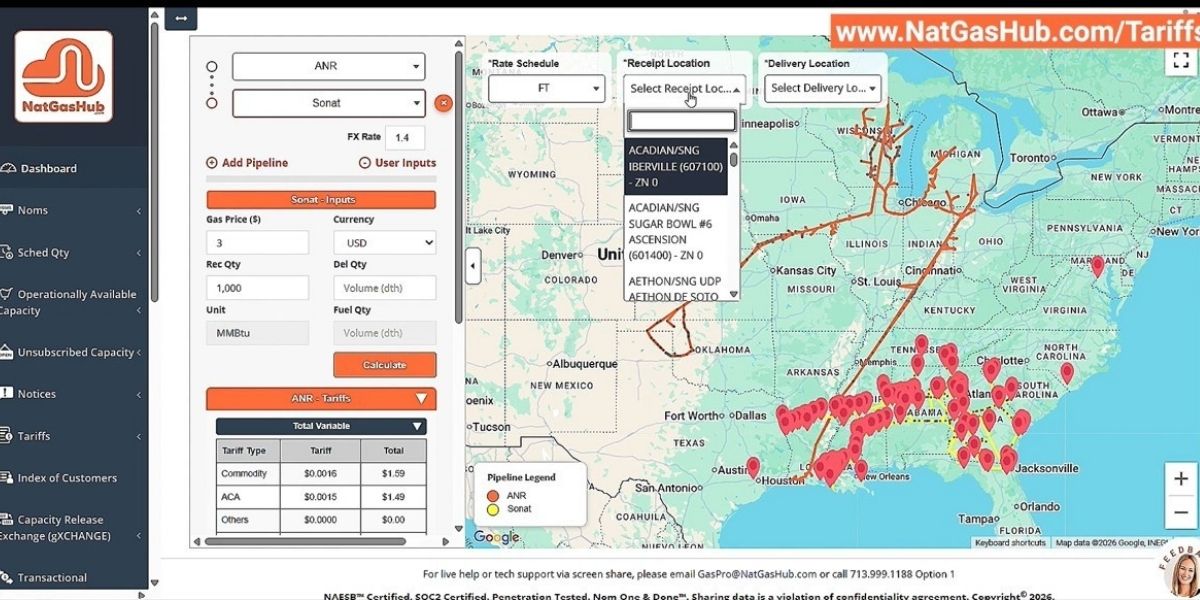
At its core, gTARIFF is a powerful, real-time tariff API encompassing data from more than 215 interstate and intrastate pipelines and nearly 500 gas utilities across the United States and Canada. Unlike the cumbersome patchwork of pipeline portals and individual utility websites, the platform consolidates all tariff information into a single, standardized stream. Energy companies can now leverage this unified data feed directly within their own energy trading and risk management systems, eliminating both redundancy and the potential for human error.

What sets NatGasHub’s solution apart is its commitment to both data integrity and flexibility. Each day before 6:00 AM Central Standard Time, the system updates its database with the latest regulatory-approved tariff changes, from reservation and commodity charges to fuel percentages and surcharges. This daily automation ensures that traders, schedulers, and operational teams have the most current and accurate information at their fingertips, enabling faster, more informed decisions. In a market where minor discrepancies can impact millions, timely and precise tariff updates are not merely helpful; they’re essential.

Regulatory compliance is another cornerstone of gTARIFF’s architecture. Navigating the regulatory terrain of both the U.S. Federal Energy Regulatory Commission (FERC) and various Canadian authorities, the platform only delivers validated tariff data. Filings pending approval are clearly flagged, keeping subscribers aware of potential changes before they become effective. Once regulatory bodies approve new tariffs, the system seamlessly incorporates them, ensuring absolute confidence in the data’s currency.

Revolutionizing Natural Gas Tariffs with NatGasHub's Unified Digital Mapping Technology

Photo Courtesy: NatGasHub / Jay Bhatty

Security and reliability are paramount, and NatGasHub leaves little to chance. The platform operates under NAESB certification and SOC 2-compliant security standards, aligning with the highest benchmarks for data integrity and cybersecurity. As digital infrastructure becomes ever more critical to the functioning of global energy markets, robust security is no longer a bonus; it’s a prerequisite.

Another feature setting gTARIFF apart is the intelligent integration with enterprise energy trading and risk management platforms. Each tariff line item receives a unique identifier, mapped directly to clients’ internal systems, ensuring a seamless flow of data into daily operations. This automation removes the traditional pitfalls of manual entry and data scraping, dramatically reducing errors while freeing up valuable staff time for essential analytical and strategic tasks. Preview functions further empower users to review tariff updates before applying them, providing transparency and control throughout the process.

Automated monitoring scripts work around the clock to identify any changes across pipelines and utilities, capturing even the smallest updates to commodity or fuel charges. This thorough and consistent monitoring enables companies to adjust cost models and schedules almost instantly, staying nimble in a volatile and competitive marketplace. Automation, in this context, is about more than convenience; it’s about predictive agility and risk mitigation.

gTARIFF’s strengths also extend into visualization and analytics. Through an intuitive, map-based interface reminiscent of popular mapping technologies, users can view interactive pipeline routes and tariff data in powerful new ways. This geographic modeling capability enables traders, schedulers, and analysts to simulate transportation costs, apply customized scenarios, and gain strategic insight at a glance. For organizations managing complex, multi-jurisdictional operations, this level of clarity and analytical power can be transformative.

The resonance across the industry is clear. Gas traders benefit from a single, reliable source of tariff data, arming them with the precision needed to craft competitive pricing strategies and secure profit margins. Schedulers and operational teams, freed from the grind of manual verification and spreadsheet wrangling, can refocus on optimizing nominations and logistics, a shift that boosts morale as much as productivity. Even utilities and producers, often navigating a shifting regulatory environment, find themselves better positioned to anticipate changes, defend budgets, and adapt strategies proactively.

By consolidating hundreds of disparate tariff sources into a single cohesive system, NatGasHub delivers the level of standardization and transparency the industry has long sought. The impact is systemic: improved operational efficiency, stronger compliance, and the freeing of human potential from repetitive tasks to strategic ones. The vision of Jay Bhatty and his team has coalesced into a platform that not only leverages artificial intelligence for speed but also pairs it with human oversight for accuracy, a hybrid approach that reflects both ambition and diligence.

While NatGasHub’s solution is subscription-based, designed for integration rather than public browsing, its industry impact is broad. By providing a robust, up-to-date tariff data backbone, it accelerates digital transformation within the sector and enables energy companies to compete with sharper foresight and fewer obstacles.

As the energy industry continues to respond to market volatility, environmental imperatives, and the expansion of digital infrastructure, platforms like NatGasHub’s gTARIFF are shaping a smarter, more adaptable future. In placing reliable, real-time data at the core of natural gas operations, NatGasHub not only solves an old industry problem, but it also sets a standard for what’s possible when technological vision meets operational need. For forward-thinking companies, the future of natural gas tariff management has arrived.

Clarity Creates Confidence: How The Association of Related Churches Uses Timelines to Reduce Leadership Anxiety

Planting a church carries both deep excitement and significant pressure. Vision fills the heart, yet practical questions quickly surface. Where should a planter begin? How does a calling become a sustainable reality? The Association of Related Churches brings clarity to that journey through a framework of proven timelines that can help reduce uncertainty and enhance focus. By establishing clear milestones and defined phases of preparation, ARC church planting helps leaders move forward with a greater sense of confidence, build healthy teams, and lay the foundation for strong, life-giving churches.

What Is a Timeline in Church Planting?

A timeline in church planting is a practical roadmap that places key priorities onto specific dates and seasons leading up to launch day. While sequencing determines the proper order of steps, a timeline determines when those steps should take place. It translates principles into calendar commitments. Fundraising goals receive target months, launch parties receive scheduled dates, team meetings begin at defined intervals, and practice services are planned with intention. This structure aims to ensure that preparation moves forward steadily rather than drifting. A clear timeline helps bring accountability to the process, helping leaders track progress, manage energy wisely, and build consistent momentum toward a strong and sustainable launch.

Why Timelines Matter in Church Planting

Church planting thrives in environments where clarity and community work together. That belief shapes every step of the ARC process. A church launch often feels like standing at the base of a mountain. The summit may appear inspiring. The path forward can feel uncertain. A well-built timeline has the potential to change that experience.

A timeline creates urgency before urgency turns into panic. It protects emotional energy. It helps leaders focus on the right priorities at the right time. Most planters drift when priorities remain undefined. A written timeline replaces reaction with more intentional leadership. It’s important to write the vision on a piece of paper and start off by keeping it simple and focused. When vision lives on paper with weekly benchmarks, leaders gain confidence, and teams have more direction.

Start With the End in Mind

Strong ARC church planting begins with launch day and works backward. When planters map the calendar from launch day in reverse, clarity becomes clearer. Holidays, school schedules, equipment lead times, and community rhythms come into view. Six months no longer seems abstract. Each week takes on purpose. This backward planning model reduces leadership anxiety because it helps ensure nothing sneaks up unexpectedly. Vision moves from inspiration to implementation.

Choosing a Launch Date That Builds Momentum

Launch day shapes the first several months of attendance, giving, and consistency. Momentum requires strategy. Healthy launch windows often align with natural rhythms in a city. Early fall after Labor Day or late January frequently provides strong second-Sunday momentum. Families return to routine. Schedules stabilize. Community attention increases. The Association of Related Churches assists planters through this decision with coaching and guardrails. Alignment with proven launch seasons can increase clarity and support early growth patterns.

How The Association of Related Churches Reduces Leadership Anxiety

The Association of Related Churches aims to reduce anxiety for church planters by providing clarity, coaching, and community at every stage of the journey. Each of these elements directly addresses common pressures leaders face. Clear processes and defined milestones help eliminate confusion and bring focus. Ongoing coaching provides planters with guidance so that they do not make decisions alone, replacing isolation with experienced support. Relational community brings encouragement and shared wisdom, helping ease the uncertainty that often accompanies new initiatives. ARC supports this through:

  • A structured framework with clear milestones
  • Experienced pastor support through every phase
  • Funding guidance that may accelerate sustainability
  • Relational connections that remind leaders that planting does not happen in isolation

Alignment is central to the process. Leaders understand what to focus on and when to focus on it. That clarity frees up emotional energy for prayer, relationships, and vision.

About the Association of Related Churches

The Association of Related Churches is a global network of independent churches that strategically resources pastors and church planters through coaching, training, and relational support to help them launch strong, stay healthy, and reach people with the message of Jesus.

Mapping the Ideal Atlanta Billboard Locations for Reach

In a fast-growing and highly competitive market like Atlanta, choosing the right billboard placement can make the difference between a campaign that simply exists and one that delivers measurable results. Traffic flow, audience movement, and neighborhood demographics all influence how outdoor advertising performs. As businesses compete for attention across major corridors and commercial districts, understanding how to evaluate Atlanta billboard locations becomes essential for improving visibility, brand recall, and return on investment.

Outdoor advertising performs best when placement aligns with real-world movement. Commuters, tourists, and local residents follow predictable travel patterns across highways, business hubs, and entertainment districts. Because of this, mapping these movement patterns helps advertisers identify where impressions are strongest and where messaging will have the greatest impact. Rather than selecting locations based solely on availability, strategic campaigns prioritize where audiences naturally spend time.

Why Location Strategy Matters in Outdoor Advertising

Billboards are not just about size or format. Instead, visibility depends heavily on positioning, traffic speed, viewing angles, and the surrounding environment. For example, a digital board placed along a high-volume commuter corridor may generate hundreds of thousands of impressions weekly, while a poorly positioned static board may deliver far less engagement despite being in a busy area.

Additionally, environmental context plays a major role in message retention. Areas with heavy congestion or frequent stop-and-go traffic typically create longer viewing opportunities. In contrast, high-speed corridors require simplified creative design to ensure readability within seconds.

Effective location mapping therefore, considers several critical factors:

  •  Average daily traffic counts 
  •  Nearby commercial or entertainment hubs 
  •  Demographic alignment with campaign goals 
  •  Directional travel patterns 
  •  Dwell time in congested areas 

When these elements work together, billboard campaigns become more targeted, more efficient, and more measurable.

Ideal Atlanta Billboard Locations by Audience Reach

Selecting the right billboard location depends on traffic patterns, audience demographics, and campaign objectives. Businesses working with Billboard Connection often prioritize high-visibility corridors and commercial districts to maximize exposure while maintaining relevance to their target audience.

Certain areas consistently perform well because they combine strong traffic volume with clearly defined audience segments.

High-Impact Billboard Areas in Atlanta

Buckhead

Affluent professionals and shoppers dominate this district, making it ideal for luxury brands, real estate, and financial services. Strong retail activity and commuter traffic create repeated exposure opportunities.

Midtown Atlanta

Known for its concentration of young professionals and urban residents, Midtown is well-suited for technology, entertainment, and lifestyle campaigns. Dense development and walkable streets also increase visual engagement.

Downtown Atlanta

Downtown attracts business travelers, event attendees, and daily commuters. As a result, corporate branding, tourism campaigns, and large-scale promotions perform especially well in this area.

Interstate 285 Corridor

This major regional loop connects multiple business districts and suburban markets. High traffic frequency makes it particularly effective for healthcare, automotive, and B2B campaigns that benefit from repeated impressions.

Each area attracts different types of audiences, from daily commuters to shoppers and event-goers, so understanding how people move through the city is essential. 

Digital vs. Traditional Billboard Placement

Modern outdoor campaigns increasingly combine digital and static formats to maximize reach. Digital billboards allow advertisers to rotate messaging across multiple locations while maintaining consistent brand visibility. This flexibility helps businesses adjust campaigns quickly based on promotions, seasonal trends, or performance data.

Digital placements offer several advantages:

  •  Flexible scheduling 
  •  Faster creative updates 
  •  Multi-location rotations 
  •  Increased impression frequency 

Meanwhile, traditional static boards remain highly effective for long-term branding campaigns. Because the message remains continuously visible in a single location, static placements help reinforce brand familiarity over extended periods.

By combining both formats, advertisers can balance flexibility with consistency.

What Makes an Atlanta Billboard Location Effective

While traffic volume is important, it is only one part of the equation. Successful billboard placements also depend on how well the location aligns with audience behavior and campaign goals.

Key performance factors include:

Traffic volume: High daily traffic increases repeated exposure and overall impression counts.
Audience relevance: Matching billboard placement to target demographics improves campaign efficiency.
Dwell time: Slower traffic areas increase message retention and brand recall.
Digital availability: Digital boards allow flexible scheduling and rotating creative strategies.

When these elements are evaluated together, billboard campaigns become more strategic rather than purely location driven.

Mapping the Ideal Atlanta Billboard Locations for Reach

Photo Courtesy: Billboard Connection

Using Data to Identify the Ideal Atlanta Billboard Locations

Today’s most effective outdoor campaigns rely on data-driven planning instead of guesswork. Traffic analytics, demographic research, and geographic targeting tools allow advertisers to evaluate performance potential before placements are finalized.

Important data sources include:

  •  Traffic count reports 
  •  Audience segmentation insights 
  •  Travel pattern mapping 
  •  Seasonal traffic trends 

For instance, certain corridors experience heavier traffic during major events or peak travel seasons. Understanding these patterns helps businesses align campaign timing with audience movement for stronger results.

When combined with professional media planning, these insights ensure campaigns reach the right audience at the right time.

The Advantage of Full Inventory Access

One of the most common challenges businesses face in outdoor advertising is limited access to billboard inventory. Many providers offer placements only within their own networks, which can limit strategic flexibility and reduce campaign effectiveness.

However, working with a partner that provides broader access to inventory allows advertisers to select placements based on performance rather than availability. This approach ensures the location strategy remains aligned with business goals rather than vendor limitations.

With wider access to billboard options and localized planning expertise, campaigns become easier to manage and more impactful overall.

Building a Smarter Location Strategy

Mapping the popular Atlanta billboard locations requires more than identifying busy roads. Effective campaigns align location selection with audience behavior, business goals, and measurable outcomes. When placements reflect how people actually move through the city, billboard advertising becomes more predictable and more impactful. Businesses that invest in strategic planning gain greater exposure, improved brand recognition, and more efficient marketing. For organizations looking to expand their reach, working with experienced outdoor advertising specialists ensures campaigns are positioned for long-term success. Contact Billboard Connection to explore high-impact billboard opportunities across the Atlanta market and beyond.

Car Accident Rates Are Climbing in Central Georgia, And Macon Families Are Paying the Price

By: Sarah Mitchell

Macon, Georgia, has always been a crossroads. Situated where I-75 meets I-16, the city connects Atlanta to the coast and serves as a daily thoroughfare for a significant number of drivers. But in recent years, that geography has increasingly appeared to come with a cost. Car accident rates across Bibb County and the surrounding Central Georgia region have been reported to trend upward in recent years, and local families are experiencing the effects.

A Pattern That’s Hard to Ignore

Georgia as a whole has experienced what many officials describe as a troubling rise in traffic fatalities and serious injury crashes over the past several years. But the Macon metro area appears to face a unique combination of risk factors. High-speed interstate traffic merges with local commuter routes. Rural two-lane highways feed into congested urban corridors. And distracted driving, often associated with smartphones and in-vehicle technology, continues to climb across many age groups.

For residents who drive Riverside Drive, Pio Nono Avenue, or the I-75 stretch through downtown Macon, close calls can sometimes feel like part of the daily routine. What once may have seemed like isolated incidents is increasingly viewed by some observers as a broader pattern.

Why Local Knowledge Matters After a Crash

When a car accident happens in Macon, the aftermath can be overwhelming. Medical bills may begin arriving quickly, sometimes before physical therapy has concluded. Insurance adjusters call with offers that may initially appear reasonable, but in some cases fall short of covering long-term expenses. Many people also find themselves uncertain about how the claims process works.

This is where understanding local resources can become particularly helpful. Having access to a car accident lawyer Macon residents can turn to, someone who understands Bibb County courts, local insurance practices, and the specific roadways where crashes happen most often, may help individuals better navigate the claims process and evaluate potential settlement options.

What Happens After the Wreck

Most people think the hard part is the accident itself. In reality, what comes after can sometimes prove equally stressful. There are police reports to obtain, medical records to gather, insurance claims to file, and deadlines to meet. Georgia’s statute of limitations continues to apply regardless of recovery timelines.

Many drivers may not fully understand what a car accident lawyer Macon does for injured people from the moment they take a call through the final resolution of a case. The process often involves steps such as investigating the crash, documenting injuries, negotiating with insurers, and, when necessary, preparing for litigation. It is a process most people only go through once, but the outcome may influence their financial situation for years afterward.

The Money Question Nobody Wants to Ask

After a car accident, one of the first things people want to know is what their case might be worth. It is a fair question, but the answer can vary widely depending on the circumstances. Compensation depends on the severity of injuries, the cost of medical treatment, lost income, property damage, and the degree of fault assigned to each driver.

Georgia follows a modified comparative negligence rule, which means your compensation can be reduced if you are found partially at fault, and eliminated entirely if you are more than 49 percent responsible. Understanding the average car accident settlement Georgia victims have received in some comparable situations can help provide context for expectations and may help families evaluate early settlement offers from insurance companies.

Macon’s Roads Need Attention Too

It is not just driver behavior fueling the problem. Road conditions may also contribute in certain situations. Pothole-ridden streets, poorly timed traffic signals, and intersections with limited visibility have been cited by some drivers and transportation observers as factors that can contribute to crashes that might otherwise be preventable. Sections of I-75 through Bibb County regularly see congestion-related rear-end collisions, particularly during morning and evening rush hours.

Local advocacy groups have pushed for infrastructure improvements, but funding can sometimes remain limited. In the meantime, Macon drivers are left to navigate roads that in some cases, were not originally designed for the level of traffic they now carry.

Protecting Your Family Starts With Awareness

No one plans to be in a car accident. But knowing what to do when one happens and understanding the financial and legal landscape in Georgia may help make an already difficult situation somewhat more manageable. Central Georgia families deserve access to clear and straightforward information about their options after a crash.

Macon’s growth is a good thing. But that growth may also require continued attention to road safety, infrastructure improvements, and community awareness about how to respond when accidents occur.


Disclaimer: The content in this article is provided for general knowledge. It does not constitute legal advice, and readers should seek advice from qualified legal professionals regarding particular cases or situations.

Veteran-Owned Paul Davis Restoration of Southwest Montana Raises the Bar for Premium Property Restoration in Bozeman and Big Sky

By: Hannah Carter.

Restoring More Than Buildings Across Southwest Montana

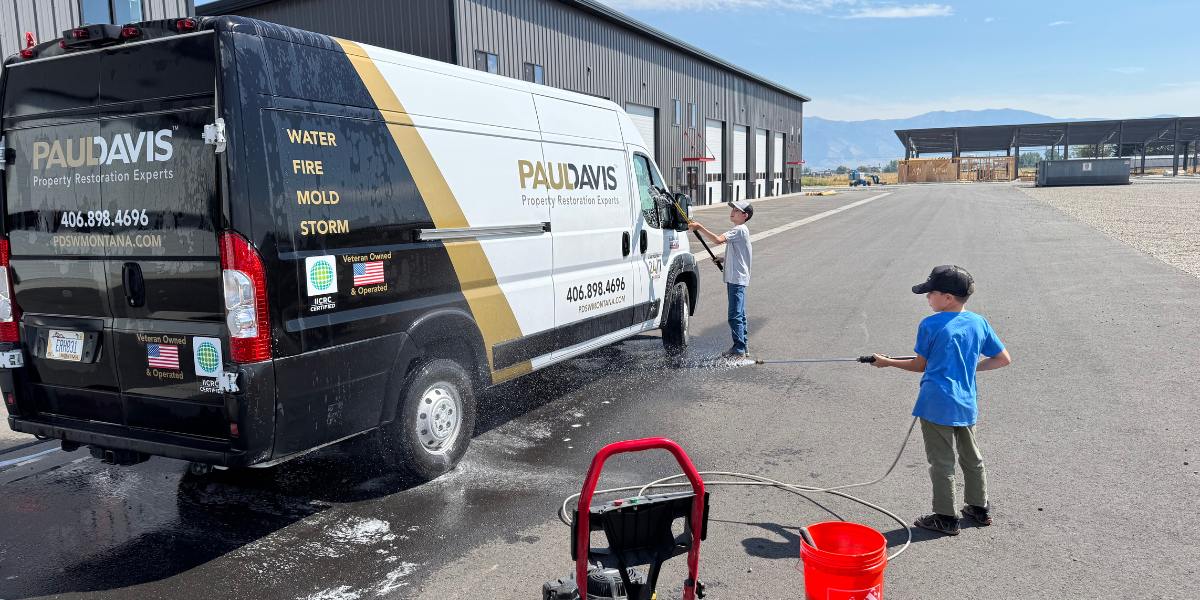
When a home or business is damaged by fire, water, smoke, or another unexpected event, the physical loss is only part of the story. The disruption, uncertainty, and pressure to make decisions quickly can be just as overwhelming as the damage itself. In Southwest Montana, Paul Davis Restoration of Southwest Montana is helping property owners move from crisis to clarity with a restoration experience designed around speed, transparency, and premium workmanship.

As a locally owned, veteran-owned restoration company, the team brings a disciplined, service-first mindset to every job. Their approach combines technical expertise with a calm, structured process that keeps homeowners, property managers, and business leaders informed from the first call through the final walkthrough.

A Veteran-Owned Team Built for High-Stakes Moments

Paul Davis Restoration of Southwest Montana operates with the belief that restoration should feel less like hiring a contractor and more like gaining a trusted partner. Veteran ownership plays a central role in that philosophy, shaping how the team shows up, communicates, and follows through.

The company’s culture emphasizes integrity, accountability, and attention to detail, qualities that matter when a property is vulnerable, and timelines are tight. With 24/7 emergency service and a customer-first approach, the team responds with urgency while still taking the time to explain next steps in clear, practical terms.

In a category where many property owners expect poor communication or delays, Paul Davis Restoration of Southwest Montana focuses on something different: being reachable, proactive, and consistent. Their goal is to restore not only the structure, but also a sense of stability for the people who live or work inside it.

Concierge-Level Restoration for High-End Homes and Commercial Properties

Southwest Montana includes a growing number of high-end residential properties and complex commercial environments, especially in and around Bozeman, Big Sky, and surrounding communities. These spaces often require more than basic repairs. Materials, finishes, timelines, and stakeholder expectations are higher, and the margin for error is smaller.

Paul Davis Restoration of Southwest Montana is built to serve discerning property owners who want a premium, white-glove restoration experience. Rather than prioritizing volume, the team prioritizes quality, coordination, and customer care. That includes free estimates and free in-home estimates, along with a commitment to professional service from the first site visit onward.

For property managers and commercial clients, the company also supports preparedness planning and emergency response coordination, helping organizations reduce downtime and return to normal operations more quickly when the unexpected occurs.

24/7 Emergency Response That Stabilizes Damage Fast

In restoration, fast action can make a measurable difference in the final outcome. The team is available 24/7 to respond to emergencies, stabilize the scene, and help prevent secondary damage that can occur when water intrusion, smoke residue, or compromised building materials are left unaddressed.

The company’s process is structured for rapid mobilization without sacrificing safety or quality. That balance is essential for homeowners who need quick answers, and for commercial clients who may be managing multiple moving pieces at once, including tenants, employees, and insurers.

Insurance Claim Support That Helps Reduce Stress

Insurance can be one of the most frustrating parts of a restoration project, especially for property owners facing it for the first time. Paul Davis Restoration of Southwest Montana helps clients navigate the process by coordinating documentation, communicating clearly, and managing details that can otherwise slow progress.

By taking a hands-on role in insurance claim support, the team helps clients avoid common missteps and reduces the amount of back-and-forth that can drain time and energy. The result is a smoother project experience and fewer surprises during a period that is already stressful.

Communication and Craftsmanship That Customers Notice

Technical skill matters, but the experience of restoration often comes down to communication and follow-through. Paul Davis Restoration of Southwest Montana places a strong emphasis on proactive updates, clear expectations, and meticulous jobsite standards, including cleanliness and attention to detail.

That focus shows up in customer feedback. One homeowner, Carmen Bartholomew, shared that the staff were “reliable, dependable, and respectful,” and added that their “attention to details was amazing” with cleanup “executed to a high standard.” For clients living through a disruption, details like punctuality, cleanliness, and thoughtful communication can turn a difficult situation into a manageable one.

Another common theme in client experiences is the company’s commitment to keeping people informed. Marc Riedel noted that communication was excellent throughout the restoration process, with prompt answers and clear explanations. This consistent support helps property owners feel confident in their decisions and reduces the uncertainty that often accompanies restoration work.

Specialized Solutions for Modern Restoration Challenges

Property damage is rarely simple, and Southwest Montana presents unique conditions and risks. Paul Davis Restoration of Southwest Montana is positioned to handle specialized hazards and complex situations, including wildfire and smoke impacts, odor concerns, environmental contaminants, and sensitive cleanup scenarios that require discretion and adherence to strict standards.

The company’s commitment to professional training and certification helps ensure that work is performed using sound methods, with safety and quality at the center. This is especially important for high-end homes, where the goal is not only to repair but also to restore spaces to the condition clients expect, sometimes with improvements that make the final result feel better than before.

By combining a premium service mindset with a highly trained team, the company fills a market gap for restoration services that are both technically strong and genuinely customer-centered.

A Workmanship Warranty That Protects the Finish

Restoration is not complete until the customer feels confident in the result. Paul Davis Restoration of Southwest Montana backs their work with a one-year workmanship warranty, reflecting a commitment to craftsmanship and accountability beyond the final walkthrough.

For property owners, that warranty reinforces trust. It signals that the company is not simply focused on closing a job, but on delivering a lasting outcome that holds up after the crews leave and everyday life resumes.

How Property Owners Can Get Started

Property owners who want a premium restoration partner with 24/7 emergency response, insurance claim support, and a disciplined, service-driven approach can learn more through the company’s website at Paul Davis Restoration of Southwest Montana.

For local updates, community connection, and company news, the team also shares information on Paul Davis Restoration of Southwest Montana on Facebook.

Clients who prefer to learn visually can explore educational and behind-the-scenes content on Paul Davis Restoration of Southwest Montana on YouTube.

With a focus on empathy, transparency, and premium workmanship, Paul Davis Restoration of Southwest Montana continues to prove that restoration can be done differently, with discipline in the process and care for the people impacted most.

The Fee You Never See Is Costing You More Than the One You Do

There is a number that most people never check when sending money internationally. They check the transfer fee. They note the $25 or $45 wire transfer fee that their bank prominently displays. They accept it as the cost of moving money across borders. What they do not check, because banks do not make it easy to check, is the exchange rate. And the exchange rate is where the real cost hides. The fee you see is not the fee that matters. The fee you never see is the one draining your wallet.

The mechanism is simple once understood. Every currency pair has a mid-market rate, also called the interbank rate. This is the rate banks use when trading with each other. It is the rate you see when you Google “USD to EUR.” It is the fair rate. But it is not the rate your bank gives you. Your bank takes that mid-market rate and adds a markup, typically 2-5%, before presenting it as your exchange rate. The markup is not disclosed as a fee. It is embedded invisibly in the rate itself. Airwallex research confirms that traditional banks typically add a markup of around 2-3% above the mid-market exchange rate, with some institutions charging higher rates.

The math reveals the scale of the problem. If the mid-market rate for USD/EUR is 1.10, your bank might offer 1.07. That difference looks small. It is not. On a $50,000 transfer, that 2.7% markup costs you $1,350. The wire fee you noticed was $45. The markup you missed was thirty times larger. Papaya Global notes that for a $50,000 transfer, exchange-rate markups can add $1,500 or more in hidden fees that never appear as line items.

Bitgamo built its platform specifically to eliminate this invisible tax. The company uses the real mid-market exchange rate with zero markup. The transparent pricing model shows the exact cost before confirmation, turning the hidden into the visible. When users see the rate Bitgamo offers alongside their bank’s rate, the difference is often startling. The rate you see is the rate you get. No manipulation. No margin buried in the conversion.

The practice persists because opacity serves the institutions profiting from it. Research on international money transfer fees found that, despite some UK banks advertising no transfer charges, they still charge around 2.75% in hidden exchange-rate markups. Customers see “free transfer” and assume the transaction is free. It is not. The fee simply moved from the visible column to the invisible one. Psychology works because people anchor on what they can see and ignore what they cannot.

The impact compounds for regular senders. Families supporting relatives abroad often send money monthly. Small business owners paying international contractors may transfer weekly. Each transaction carries its invisible tax. A 3% markup on $1,000 monthly transfers costs $360 annually. At $5,000 in monthly transfers, the annual cost is $1,800. Over a decade, the hidden fees exceed the cost of a car. The money vanishes not through carelessness but through institutional design that profits from consumer confusion.

The Bitgamo blog on beating hidden fees explains how the mid-market rate works and how to verify whether a provider is marking it up. Education matters because informed consumers make different choices. When people understand that the exchange rate is a fee in disguise, they start comparing rates rather than just comparing visible charges. The comparison changes the decision.

The World Bank tracks global remittance costs and reports that the average cost of sending $200 internationally remains around 6.49%. The United Nations set a target of reducing this to 3% by 2030, a target that remains elusive partly because hidden markups inflate the true cost above what visible fees suggest. The gap between the target and reality represents billions extracted annually from families who can least afford to lose it.

The “how it works” page at Bitgamo demonstrates an alternative model: set up the transfer, see the real exchange rate and the small, transparent fee, and confirm only when satisfied with the total cost. 

The contrast between models reveals what is possible when technology removes the intermediaries who profit from confusion. Traditional banks operate legacy systems with multiple touchpoints, each extracting value. Modern fintech platforms streamline the process, reduce overhead, and pass the savings to users. The Fintech Times reports that while traditional banks charge as high as 12% on some international transfers, fintech alternatives often charge less than half that, with some offering zero-fee transfers on certain corridors.

The question is not whether hidden fees exist. The research confirms they do. The question is whether you continue paying them. The $45 wire fee your bank charges is real. The $450 exchange-rate markup behind it is also real. Only one appears on your statement. Both leave your account. Bitgamo exists for people who prefer to see what they pay before they pay it. The invisible tax becomes visible. And visible costs, unlike hidden ones, can be compared, evaluated, and eliminated.

Disclaimer: This content is provided for informational purposes only and does not constitute financial, investment, or any other type of professional advice. You should consult with a qualified financial advisor or other professionals before making any financial decisions.

The Impact of Alloy Choice on the Longevity of Custom Diamond Jewelry

When commissioning a piece of custom jewelry, the focus naturally drifts toward the center stone. The cut, clarity, and carat weight of a diamond often take center stage in the design process. However, the structural integrity and lifespan of that heirloom-quality piece may also depend heavily on a less glamorous but equally critical decision: the choice of metal alloy.

Pure metals are rarely suitable for jewelry in their native state. They are often too soft to hold a stone securely or withstand daily wear. To solve this, jewelers create alloys, mixtures of a primary precious metal with other elements like copper, silver, nickel, or zinc.

This chemical marriage dictates not just the color of your ring, but also its hardness, malleability, and ability to grip a precious gemstone for extended periods of regular use. Understanding these metallurgical nuances can help inform decisions when designing jewelry intended to last for generations.

The Gold Standard: Karatage and Durability

Gold is the most traditional choice for fine jewelry, but its longevity can vary depending on its purity. Gold purity is measured in karats, with 24 karats representing 100 percent pure gold. Because pure gold is incredibly soft and prone to bending, it is alloyed with stronger metals to create the durable material commonly used in jewelry stores.

14k vs. 18k Gold

The two most common choices for custom diamond settings are 14k and 18k gold. The difference lies in the ratio of gold to alloy metals.

  • 14k Gold: Contains 58.3 percent gold and 41.7 percent alloy metals. This higher percentage of non-gold metals, often zinc, nickel, or copper, generally makes 14k gold harder and more scratch-resistant than higher karat alternatives. It is often considered a practical option for those with active lifestyles.
  • 18k Gold: Contains 75 percent gold and 25 percent alloy metals. While it tends to display a richer, warmer hue that many find luxurious, it is softer than 14k gold. Over time, 18k bands may show visible signs of wear more quickly and may require more frequent polishing to reduce the appearance of scratches.

Color Variations and Strength

The specific metals used in the alloy mix also impact durability. For instance, Rose Gold is created by mixing gold with copper. Copper is a durable metal that can contribute to rose gold being among the more durable gold variations, sometimes comparable to or stronger than yellow or white gold alloys.

Conversely, White Gold is often plated with rhodium to achieve its bright, chrome-like finish. While the underlying alloy is strong, the rhodium plating will wear away over time, which means occasional maintenance may be required to restore its color.

Platinum: The King of Secure Settings

For those prioritizing a high level of security for their center stone, platinum is often a recommended metal. Unlike gold, which wears down and becomes thinner over years of polishing and friction, platinum is incredibly dense and durable in a unique way.

When platinum is scratched, the metal is not lost. It is merely displaced. This means that a platinum prong holding a diamond is generally less likely to thin significantly over time compared to a gold prong.

While platinum is softer than 14k gold in terms of scratch resistance, meaning it will develop a matte finish or patina faster, its structural integrity is often regarded as highly resilient. It does not easily become brittle, which can make it a suitable option for securing heavier or more valuable stones.

If you are exploring options for high-end custom pieces, you can read more about diamond jewelry in our guide to understanding how different settings interact with precious metals to help enhance sparkle and structural stability.

Alternative Metals and Resize Constraints

Modern custom jewelry has seen a rise in alternative industrial metals like Titanium, Tungsten, and Cobalt. While these alloys are marketed for their extreme hardness and scratch resistance, they come with a notable trade-off regarding longevity in a custom context.

Because these metals are extremely hard or brittle or have very high melting points, they are often extremely difficult or sometimes impossible to resize. As bodies change over time, a ring that cannot be resized could eventually become difficult or impractical to wear. For a custom piece intended to last many years, traditional precious metals such as Gold and Platinum often provide a more flexible balance of durability and repairability.

Maintenance: The Hidden Factor in Longevity

The chemical composition of your chosen alloy dictates the maintenance schedule required to help keep the jewelry in good condition.

  • Porosity and Prongs: White gold alloys that contain nickel can sometimes be brittle if not cast properly, which may increase the likelihood of cracked prongs. Platinum, being more malleable, tends to bend rather than crack, which may provide an earlier visual warning before a stone becomes loose.
  • Rhodium Plating: As mentioned, white gold typically requires replating approximately every 12 to 18 months to maintain its white luster. Repeated polishing prior to plating can slowly remove small amounts of metal from the ring.
  • Patina: Platinum develops a satin finish over time. While some prefer a high gloss polish, many collectors view this patina as a natural characteristic that reflects age and long-term wear.

Summary

The Impact of Alloy Choice on the Longevity of Custom Diamond Jewelry

Photo: Unsplash.com

The most suitable alloy for custom diamond jewelry is subjective and depends on the wearer’s lifestyle and aesthetic preference. However, from a structural standpoint, the trade offs are relatively clear.

14k gold is often valued for its scratch resistance and affordability, while platinum is widely regarded for its density and prong durability. By understanding the impact of these alloys, you can make more informed decisions that may help your custom creation retain its beauty for many years after it is first worn.

The Co-Founder Relationship Is Your Company’s First Culture

Before you hired your first employee, before you wrote your first line of code or closed your first customer, your company already had a culture. It often begins in the dynamic between you and your co-founder. How you communicated, how you disagreed, how you divided work and shared credit can set a tone that gradually ripples outward, whether you intended it to or not.

That’s worth sitting with. For many founding teams, the co-founder relationship may receive less deliberate attention than other parts of the business.

The Assumption That Gets Founders Into Trouble

Most co-founders start with genuine alignment, a shared vision, complementary skills, and a lot of mutual respect. That’s what brought them together. And for a while, the shared mission may help carry the relationship through the rough patches.

But as the company grows, the rough patches can become more challenging. Decisions may grow more complex. Roles blur. The pressure intensifies. And suddenly, two people who built something together from nothing may find themselves in a dynamic that feels increasingly difficult. Where trust may have weakened, and even basic communication can begin to feel like a minefield.

What happened? Usually, nothing dramatic. The relationship may simply not have received the same level of intentional investment as other parts of the business.

Different Backgrounds, Different Defaults

One of the most common dynamics is co-founders who come from different industries or professional backgrounds and have not fully aligned around their different approaches to problems.

One founder processes out loud, thinks iteratively, and wants to talk through every option before landing anywhere. Meanwhile, the other wants data, a clear recommendation, and to move. Neither approach is wrong. But when they collide repeatedly without any shared understanding of why, the friction can begin to feel personal rather than simply a difference in working style.

Left unaddressed, that friction may gradually lead to resentment. And resentment in a co-founder relationship doesn’t stay contained. It shows up in leadership team meetings. It can influence how decisions get made, or don’t get made. It may also begin to shape the company’s culture in ways that the broader team can feel.

Where CEO Coaching Comes In

This is exactly the kind of dynamic that CEO coaching services are built to address, working with co-founding pairs, sometimes in individual sessions, and sometimes together, to help them build the kind of relationship that is more likely to support the company rather than quietly undermine it.

A lot of that work starts with something surprisingly simple: getting explicit about things the relationship has always left implicit. Who owns what decisions? Where does one founder’s authority end and the other’s begin? What does it look like when you genuinely disagree, and how do you work through it without one person defaulting to silence and the other dominating the conversation?

These conversations may seem basic, but many co-founding pairs have not had them directly. They’ve operated on assumptions, and those assumptions can gradually solidify into frustrations over time.

Defining Roles Is an Act of Respect

There’s a version of the co-founder role definition that founders resist because it may feel like it diminishes something, like putting boundaries on a partnership that’s supposed to be equal. That resistance is understandable, but it’s also worth questioning.

Clarity about roles can help protect the co-founder relationship. When both people know where they have full autonomy and where they need to loop each other in, there’s often less stepping on toes, less second-guessing, and less of the slow burn that comes from feeling like your domain is constantly being encroached on.

The goal is a working agreement that helps both founders contribute more effectively without constantly navigating ambiguity about who’s driving.

The Culture Signal You’re Sending

What often gets missed in these conversations is the fact that your team is watching.

They see how you treat each other in meetings. They notice when there’s tension between founders, and nobody’s addressing it. They pick up on whether the two of you are genuinely aligned or performing alignment. And they take cues from all of it about what this company actually values, from how people handle conflict to whether trust is real or just rhetorical, and what it looks like to work through hard things together.

That’s why the co-founder relationship can become the company’s first culture. Whatever you build between the two of you often becomes a reference point, consciously or not, for how everyone else relates to each other.

Building Something Worth Scaling

The good news is that co-founder relationships, even strained ones, are often still possible to repair, as long as both people are willing to engage in the process. The dynamics that create friction are frequently easier to identify once you’re looking at them clearly, and the path forward may be more manageable than it initially feels from inside the tension.

What it requires is the same thing you’d demand of any other critical system in your business: honesty about where it’s breaking down, and a meaningful investment in improving how it works.