The Pros and Cons of Buying a Fixer-Upper

By: Neha Zubair

Buying a fixer-upper can be an exciting option for homebuyers seeking to save money or add their personal touch to a property. Renovating a home allows you to create the house of your dreams while potentially increasing its value. But it also comes with risks, costs, and challenges that many first-time buyers underestimate. 

Before jumping in, it’s essential to weigh the pros and cons and understand what you’re getting into. This guide examines the advantages and disadvantages of purchasing a fixer-upper, enabling you to make an informed decision.

The Appeal of a Lower Purchase Price

One of the biggest draws of a fixer-upper is the lower purchase price. Homes that require work are often priced below market value, making them more affordable for buyers with limited budgets. This can be especially attractive in competitive markets where move-in-ready homes are scarce and in high demand.

Buying a home at a lower price point also allows buyers to consider areas they might not otherwise afford. You could move into a desirable neighborhood or a larger home than your budget would typically allow. However, it’s crucial to remember that renovation costs may offset the initial savings, so the total investment should be considered carefully.

Opportunity to Personalize the Home

Fixer-uppers offer the chance to customize every aspect of the home. From paint colors and flooring to kitchen layouts and bathroom finishes, buyers can create a space that perfectly matches their style and needs. Unlike buying a move-in-ready home, you have control over materials, design, and upgrades, which can make the house truly feel like yours.

As Dan Close, Founder and CEO at We Buy Houses in Kentucky, shares, “Personalization also adds value. Thoughtful renovations that enhance both functionality and aesthetics can increase a home’s resale value. Buyers who enjoy DIY projects or have a clear vision for their dream home often find this level of control rewarding and satisfying.”

Potential for Significant Equity Gains

Renovating a fixer-upper can be a smart financial move if done correctly. By investing in improvements, you can increase the property’s market value and build equity more quickly than buying a move-in-ready home at market price.

For example, updating kitchens and bathrooms, improving energy efficiency, or enhancing curb appeal can yield a high return on investment. Skilled buyers who manage projects efficiently often see substantial financial benefits, making the fixer-upper an attractive long-term investment.

The Risk of Unexpected Costs

While fixer-uppers offer opportunities, they also carry risks—particularly unexpected expenses. Many homes hide problems that aren’t immediately visible, such as plumbing issues, electrical deficiencies, foundation damage, or roof leaks. These repairs can quickly add up, turning an affordable purchase into a costly project.

It’s essential to have a thorough home inspection and a realistic budget for renovations. Setting aside a contingency fund of 10–20% of the projected renovation costs can help manage surprises without derailing your finances. Buyers who underestimate these costs often face delays, stress, and financial strain.

Time and Effort Required

Renovating a home is time-consuming. Depending on the scope of the work, it may take months or even years to complete all improvements. For buyers with full-time jobs, family obligations, or other responsibilities, the effort involved can be overwhelming.

DIY projects can save money, but they require skill, patience, and a significant time commitment. Hiring contractors speeds up the process but increases costs. Buyers should honestly assess how much time and energy they can dedicate to renovations before committing to a fixer-upper.

Financing Challenges

Obtaining a mortgage for a fixer-upper can be more complicated than for a move-in-ready home. Traditional loans typically require the property to meet minimum standards, which a fixer-upper may not meet. Specialized loans, such as FHA 203(k) or Fannie Mae HomeStyle Renovation loans, may help finance both the purchase and renovation costs; however, they come with additional paperwork, requirements, and restrictions.

It’s essential to understand your financing options early in the process. Without proper planning, buyers may struggle to secure funding for both the purchase and necessary improvements, which could delay or derail the project.

The Potential for Stress

Buying a fixer-upper comes with its share of stress. Coordinating contractors, managing budgets, handling permits, and making design decisions can be overwhelming. Delays, unexpected issues, and rising costs are common, and they can take a toll on even the most patient buyer, says LJ Tabango, Founder & CEO of Leak Experts USA.

However, careful planning, realistic expectations, and a structured timeline can help manage stress. Working with experienced professionals and setting clear priorities enables buyers to stay on track and maintain control throughout the renovation process.

Balancing Risk and Reward

Ultimately, the decision to buy a fixer-upper comes down to balancing risk and reward. The potential for equity gains, personalization, and lower purchase prices is appealing, but only if buyers are prepared for the financial, time, and emotional commitments that come with it. Understanding the full scope of the project, realistic budgeting, and having contingency plans in place are critical to success.

Fixer-uppers are ideal for buyers who enjoy taking on projects, have a clear vision, and are financially prepared for potential surprises. For those seeking a low-stress, move-in-ready option, a renovated home may be a better fit.

Conclusion

Buying a fixer-upper can be both personally and financially rewarding, but it is not without its challenges. Lower purchase prices, opportunities for customization, and the potential for increased equity are significant advantages.

On the other hand, unexpected costs, time commitments, financing hurdles, and stress are fundamental considerations. 

Assess your financial readiness, renovation skills, and lifestyle before committing. With careful planning and realistic expectations, a fixer-upper can be transformed into a beautiful home and a smart investment.


Disclaimer: The information provided in this article is for general informational purposes only and should not be considered financial, legal, or real estate advice. Readers are encouraged to conduct their own research and consult with qualified professionals, such as licensed real estate agents, contractors, or financial advisors, before making any property purchase or renovation decisions. The views expressed by quoted individuals are their own and do not constitute endorsements or guarantees of results.


Solo Automotive Highlights the Electric Vehicle Performance Specs That Matter for City Commuters

Electric vehicles (EVs) have become increasingly favored for city life, where their design and technology align well with daily urban demands. Their quiet performance, compact size, and responsive handling make them a natural fit for navigating traffic-filled streets and tight parking spots. According to Solo Automotive, charging stations, energy efficiency, and low maintenance costs add to their appeal, especially for those who use their cars for short commutes and frequent stops. With growing support infrastructure and in-cabin tech, EVs not only offer a practical solution to urban challenges but also help reduce the environmental footprint of city transportation.

Urban Driving and EV Suitability

City commuting often means short trips, frequent stops, and navigating through crowded streets. Electric vehicles are particularly well-suited for this environment because their driving dynamics match the start-and-stop rhythm of urban traffic, and with many commuters driving fewer than 40 miles a day.

Tight parking spaces, one-way streets, and unpredictable traffic patterns can make traditional vehicles feel cumbersome. Smaller electric models, such as the Chevrolet Bolt or Nissan Leaf, are designed with maneuverability in mind, allowing drivers to navigate dense neighborhoods and parallel park with less hassle. The quiet operation of EVs also helps reduce noise pollution, which benefits both drivers and the communities they travel through. In neighborhoods where noise levels are already high, the silent nature of EVs can be a welcome change.

Battery Range, Charging, and Efficiency

Though city commutes are generally short, a reliable battery range still matters. Unexpected detours, errands, or traffic delays can stretch a day’s mileage. Many compact EVs comfortably offer over 150 miles per charge, which covers several days of typical city driving with ease. Weather conditions, like extreme cold or heat, can also impact range, so having a buffer is often essential.

Charging convenience is another key factor. Home charging with a Level 2 setup can fully replenish the battery overnight, eliminating the need for routine trips to a charging station. In busy areas, fast-charging stations are becoming more widespread, allowing drivers to top up during a quick coffee break or grocery run.

Regenerative braking enhances efficiency by capturing energy during deceleration and feeding it back into the battery. This feature not only extends range but also reduces wear on brake components, cutting down on maintenance costs over time. It’s a subtle yet effective way that EVs turn frequent braking into an advantage.

Power and Low-Speed Performance

Electric vehicles excel in low-speed conditions due to the instant torque provided by their electric motors. This responsiveness makes merging into traffic, making left turns at busy intersections, or darting through narrow alleys feel smoother and more controlled. Quick acceleration from a stoplight not only adds convenience but also boosts safety in unpredictable traffic.

While traditional performance metrics, such as 0–60 mph, are often highlighted, urban drivers tend to benefit more from quick 0–30 mph times. Vehicles like the MINI Electric or Tesla Model 3 offer impressive acceleration at these lower speeds, which is more relevant when zipping through a green light or navigating a roundabout. This agility enhances both safety and driving enjoyment in dense city environments, where every second counts in a congested intersection; that burst of power can make a significant difference.

Size, Handling, and Parking Support

Navigating through tight alleyways and squeezing into narrow parking spots is far less stressful in a compact electric vehicle. Their smaller footprints make them ideal for crowded urban centers where space is limited and every inch counts. Models like the Fiat 500e or Honda e are purpose-built for these challenges, offering nimble handling and a surprisingly tight turning radius. Their lightweight structure also contributes to better control at lower speeds.

Features like rearview cameras, parking sensors, and even automated parking assistance enhance a driver’s ability to maneuver in dense environments. These tools are more than just conveniences—they help reduce fender benders and make quick errands less of a headache. With some EVs even offering 360-degree camera views, parking in tight spaces becomes as intuitive as checking a smartphone screen.

In-Cabin Technology for Urban Convenience

Modern EVs are equipped with digital tools that cater specifically to the challenges of urban driving. Real-time traffic updates, EV route planners, and integrated charging station locators help avoid gridlock and reduce range anxiety. Some systems also allow pre-conditioning the cabin while still plugged in, keeping the climate comfortable without draining the battery on the road.

Connectivity is another strong point. Seamless smartphone integration lets drivers access navigation, music, and vehicle diagnostics without added distractions. These features create a smoother, more personalized driving experience tailored to the stop-and-go nature of city life. Voice assistants and app-based controls have further minimized the need to interact with buttons, making the driving experience safer and more intuitive.

Affordability, Safety, and Long-Term Practicality

Driving an EV in the city often costs less than a gas-powered car. Electricity prices are generally more stable than fuel prices, and the lower maintenance requirements—no oil changes, fewer moving parts—translate into long-term savings. Over time, these small changes add up, especially in regions with high fuel taxes or congestion charges.

Safety is another area where EVs stand out. Many come standard with features like pedestrian detection and blind spot monitoring, which are especially valuable in busy crosswalk-heavy areas. Urban environments demand heightened awareness, and these technologies provide an extra layer of protection. Some EVs even include autonomous emergency braking and lane-keeping assist, further reducing the risk of accidents during daily commutes.

Eco Friendly Gym Wipes Elevate Cleanliness And Client Experience

By: Jordan Avery

Elevating health and hygiene in the modern gym is about more than just spotless equipment—it’s about creating an environment that aligns with clients’ growing values for sustainability and aesthetics. As fitness centers, boutique studios, and wellness facilities redefine what it means to deliver an exceptional member experience, the little details, like how and with what staff and clients clean their equipment, make all the difference. That’s why Wipex, with its Natural Fitness Equipment Wipes and expertly designed dispensers, has become the hygiene choice of forward-thinking facility operators determined to lead by example in both cleanliness and sustainability.

Walking into any high-end fitness club or Lagree studio today, one immediately feels the growing emphasis on well-being—for both people and planet. The expectation is no longer just about state-of-the-art machines or curated playlists, but also about safety, cleanliness, and environmental responsibility, visible in every detail. Wipex answers this expectation with a line of biodegradable wipes that blend effortless cleaning performance with eco-friendly materials.

Wipex sets itself apart beginning at the most critical touchpoint: the cleaning wipe itself. Their bulk rolls, made entirely from plant-based viscose cloth, break down naturally after use—addressing intensifying demand for solutions that reduce plastic waste, a pain point for busy gyms and wellness centers. Infused with white vinegar and fragrant essential oils like lavender, these wipes effectively combat sweat, bacteria, and dirt while remaining non-abrasive and safe for sensitive surfaces, from rubber grips to cork yoga mats. Operators quickly notice their equipment retains its integrity, and members appreciate the gentle aroma and skin-safe formulation, a clear draw for discerning clientele.

Feedback from across the industry paints a consistent picture of trust and satisfaction. Facility owners note not only the superior cleaning ability but also the immediate ambiance upgrade. Clients recognize and value the difference, often citing the clean scent and absence of harsh chemical residues. These details are subtle but powerful contributors to member retention, with an eco-conscious approach becoming a legitimate differentiator in an increasingly competitive market.

The visual language of cleanliness matters just as much as its execution. Wipex’s stainless steel dispensers, both floor-standing and wall-mounted, are tailored to complement sophisticated studio interiors. The floor model’s powder-coated finish resists fingerprints and maintains a sleek look even in high-traffic zones. Functionality is equally prioritized: a large waste bin, compatibility with various roll sizes, and a silicone dispensing port enable easy wipe retrieval and reduced material waste. For club owners, this means fewer interruptions for restocking and a streamlined workflow that supports staff efficiency.

Boutique facilities with premium design sensibilities will appreciate the wall-mounted dispenser, available in a contemporary matte black finish. Its compact build saves valuable floor space without sacrificing visual appeal. Both types of dispensers are designed to work with not only Wipex refills but also most leading bulk wipes, providing health clubs with peace of mind in the event of supply chain disruptions. This operational flexibility is essential for businesses that intend to maintain a consistent standard, regardless of external variables.

Not all spaces require full-scale dispensers. For mobile applications or smaller rooms, Wipex offers canisters packed with the same biodegradable, natural-fiber wipes infused with essential oils. Easy to place in personal training corners, yoga lounges, or by spin bikes, these canisters keep hygiene front and center without fuss. The 75-wipe format promotes regular and convenient use, supporting both trainers and clients in maintaining a sanitized environment with minimal effort.

A defining strength of Wipex’s system is the operational advantage granted by bulk refills and thoughtfully engineered dispensers. Fewer refills per day free up staff, allowing them to prioritize member support over routine maintenance. For studio owners, a streamlined hygiene process translates directly into a more inviting and professional atmosphere, while ingraining sustainability as a core brand value.

Choosing Wipex reflects an attention to cleanliness that extends beyond mere appearances. Their focus on natural ingredients—eschewing harsh chemicals in favor of vinegar and essential oils—reinforces the values of health and wellness that attract and retain the modern member. An increasing number of gym-goers are making choices based on a facility’s environmental footprint, and the seamless integration of plant-based wipes and recycled dispensers is proof that a business walks the talk on sustainability.

Eco Friendly Gym Wipes Elevate Cleanliness And Client Experience

Photo Courtesy: Wipex Co.

The design story extends beyond just visual aesthetics. The materials in Wipex’s Premium Matte Floor Dispensers, such as recycled plastics in their XL buckets, and the compostable nature of the wipes themselves, demonstrate that convenience and eco-responsibility can go hand in hand. This combination reassures club owners and their clientele that style and sustainability are no longer mutually exclusive.

In a climate where first impressions and ongoing operational excellence define a facility’s success, Wipex emerges as an indispensable partner in hygiene and cleanliness. The routine act of cleaning equipment, when powered by biodegradable wipes and sleek dispensers, becomes a branding opportunity—one that attracts eco-aware members and reflects the evolving priorities of the fitness sector. Operators using such systems consistently report greater member satisfaction and a tangible elevation in their brand’s credibility.

For gyms, studios, and health-focused businesses ready to lead on sustainability while delivering peak cleanliness, Wipex offers a seamless, flexible, and future-proof solution. Their products fit organically into the modern facility, addressing the needs and expectations of a new generation of wellness seekers. As the wellness industry continues to evolve, brands that combine performance, beauty, and environmental responsibility—rather than treating them as separate goals—are destined to stand apart.

Wipex represents a higher level of hygiene, reflecting the needs and preferences of modern clients. For smart facility owners, this partnership delivers not only a cleaner space but also an enduring, eco-friendly identity that resonates far beyond the gym floor.

Antonio Carlo Sauce Elevating Authentic Italian Flavor Nationwide

By: Luca Moretti

There are moments in culinary culture when a product can subtly redefine expectations—raising not just the standard, but the spirit behind what we value as “authentic.” Antonio Carlo Gourmet Sauce, with its roots deeply tied to Italian tradition, positions itself as such a notable culinary staple. While supermarket shelves are filled with numerous options, it takes a careful blend of generational knowledge, integrity, and a genuine respect for ingredients to create a sauce that does more than simply dress a plate—it tells a story.

Step into any kitchen enriched by Antonio Carlo, and you encounter more than a pantry upgrade. You find a connection between the past and present, tradition and innovation, simplicity and depth. This sauce avoids trendy infusions and overly popular superfoods, focusing instead on the time-honored foundations of Italian cooking. It’s a homage to “Nonna’s gravy,” that deeply personal and universally cherished recipe handed down with love. Here, every simmered batch is a tribute to the original recipe from 1877—a culinary tradition that values consistency over shortcuts or easy compromises.

At the heart of Antonio Carlo’s appeal is its commitment to quality. Each jar is crafted with hand-crushed, vine-ripened plum tomatoes, coaxing out a natural sweetness and vibrant acidity that is often absent in mass-produced alternatives. The use of extra virgin olive oil, combined with fresh onions, garlic, basil, and select spices, gives each spoonful a richness that feels genuine. Excluding preservatives, added sugars, and artificial ingredients, the sauce maintains a clean, honest flavor—one that feels like it’s been carefully prepared on a Tuscan stovetop rather than mass-produced in a factory.

Opening a jar of Antonio Carlo is like stepping into a well-told story. The flavors open gradually: the sun-kissed brightness of tomatoes, the silky fruitiness of olive oil, and the gentle backbone of slow-cooked onions and garlic. It’s a profile that provides comfort but never slips into monotony. Each ingredient is given space to shine, resulting in a sauce that feels familiar yet elegantly balanced—greatly suited to those who believe great cooking is rooted in restraint and respect.

What sets Antonio Carlo apart, though, is its versatility. Classic and adaptable in equal measure, the sauce slips effortlessly into a variety of culinary applications. Toss it with al dente spaghetti for a quick meal, or fold it into handmade ravioli for a special occasion. Its nuanced base can elevate seafood, enhancing shrimp or clams without overpowering their delicacy. Pour it over roasted chicken, brush it onto veal, or simply pool it on a plate as a vibrant dip for fresh-baked bread—the possibilities seem almost endless.

Variation invites exploration, and Antonio Carlo’s lineup rewards the adventurous cook. Beyond the Original Marinara, options like Tomato Basil, Roasted Garlic, and Arrabbiata each build upon the classic, showcasing subtle differences. Tomato Basil offers an aromatic, herbal lift that complements primavera dishes or garden-fresh pizzas. Roasted Garlic adds a savory, umami-rich note that works well for casseroles or vegetable bakes. For those who enjoy a bit of spice, Arrabbiata provides just the right amount of heat to energize any meal, while maintaining the sauce’s underlying tradition.

Antonio Carlo Sauce Elevating Authentic Italian Flavor Nationwide

Photo Courtesy: Antonio Carlo Gourmet Sauces

Of course, a sauce with this kind of pedigree would mean little if it wasn’t accessible. Yet, Antonio Carlo ensures its story reaches kitchens across America. Available on major online platforms like Amazon for those in the West and Northeast, and reliably stocked by regional grocers—from Harris Teeter spanning the East Coast, to Meijer in the Midwest, Central Market in Texas, and in Lowe’s Foods aisles—this artisanal staple is within reasonable reach. Regardless of your location, discovering true Italian flavor is as simple as a walk down your neighborhood specialty foods aisle.

Authenticity in the gourmet world is often promised, yet rarely delivered. Luca Moretti, who has experienced a wide spectrum of premium products, sees Antonio Carlo as an exception. Unlike sauces that lean on nostalgia as a marketing tool, Antonio Carlo offers substance and authenticity. The experience is both transporting and grounding—nostalgic enough to evoke the memory of Sunday suppers, yet vibrant enough to feel fully aligned with modern tastes. There’s a distinct kind of joy in finding a product that brings together the familiar with something new and fresh.

For home cooks and culinary explorers who are weary of sauces that are overly sweet, cloyingly oily, or aggressively acidic, Antonio Carlo provides a solution. Every jar is a statement against mediocrity, a reminder that food at its finest encourages us to slow down and savor. The act of preparing a meal is transformed from a mundane task into a ritual, connecting us not only with a long Italian heritage, but with the deeper pleasures of honest ingredients carefully crafted.

In an era dominated by shortcuts and convenience, Antonio Carlo has made a conscientious choice: to let heritage and integrity guide every step of production. The result isn’t just another jarred sauce—it’s an invitation. An invitation to reconnect with what matters in the kitchen and at the table. It’s proof that with patience, reverence, and just the right touch, a humble ingredient like tomato sauce can become the highlight of any meal.

Taste it once, and you might find yourself choosing it again and again. Antonio Carlo makes every dinner an occasion, every recipe a chapter in a shared culinary story—drawing a distinctive, delicious line from the past into the future of food.

Brady Beitlich Discusses The Evolving Role of Healthcare Leadership

Brady Beitlich, a healthcare professional and Director of Marketing, understands that healthcare leadership is undergoing a profound shift, driven by evolving patient expectations, technological advances, and workforce challenges. Leaders are now required to think beyond traditional managerial roles and embrace a more dynamic, strategic mindset. Their responsibilities stretch from promoting inclusive team cultures to ensuring measurable outcomes in complex settings. At the same time, they must remain agile in the face of future uncertainties, such as emerging diseases or regulatory shifts.

As Brady Beitlich notes, this new era calls for a blend of visionary thinking, emotional intelligence, and data-driven decision-making. Whether it’s implementing new care models, enhancing workforce engagement, or building accountability systems, successful leaders are those who align organizational goals with broader societal needs.

Shifting Demands in Modern Healthcare

Rather than relying solely on operational oversight, today’s healthcare leaders must demonstrate flexibility, critical thinking, and a proactive approach to uncertainty. During the public health crisis, many leaders had to implement telehealth systems almost overnight, manage evolving safety protocols, and coordinate across departments, all while maintaining patient trust and morale amid unprecedented stress.

These demands highlight the shift toward leadership that is not only reactive but also visionary. Decision-makers are now being evaluated not just by how they manage current operations, but by how well they prepare their organizations for future challenges.

Strategic Leadership

The role of healthcare leaders has expanded well past day-to-day operations and compliance tasks. They are now central to driving strategic initiatives such as implementing digital transformation, reimagining care delivery models, and navigating complex regulatory landscapes. It’s no longer enough to simply manage resources; leaders must also innovate and anticipate, often in real-time.

In many organizations, executives are spearheading the adoption of AI-driven diagnostics, remote monitoring platforms, and integrated electronic health records. These tools not only improve efficiency but also enhance patient outcomes, requiring leaders to balance technical knowledge with clinical insight.

Strategic leadership also means aligning organizational priorities with broader health objectives. Whether it’s reducing hospital readmission rates or expanding access, today’s healthcare leaders are expected to operate at both the micro and macro levels of care delivery while staying aligned with public health goals.

Assembling Collaborative and Inclusive Teams

Brady Beitlich explains that strong healthcare leadership demands the ability to unite diverse professionals under a shared mission. Physicians, nurses, administrators, and support staff must work together seamlessly, and it falls on leadership to foster a culture where collaboration thrives. This requires not only strong communication skills but also emotional intelligence and cultural awareness to navigate different perspectives.

An inclusive team environment contributes to better decision-making and improved patient care. Hospitals that invest in equity training and cross-functional collaboration often see stronger morale and reduced turnover. Leaders who prioritize psychological safety help ensure that every voice, regardless of role or background, is valued.

In today’s systems, success depends on the leader’s ability to break down traditional silos. Whether coordinating between clinical teams and IT departments or aligning community outreach with internal planning, the most effective leaders build bridges that support cohesive, patient-centered care and long-term organizational resilience.

Supporting Workforce Stability and Engagement

Maintaining a stable and engaged healthcare workforce has become a top priority as staffing shortages and burnout rates continue to rise. Leaders are being called upon to create atmospheres that not only retain talent but also nurture professional growth. This includes rethinking staffing models and making space for more flexible scheduling and cross-training opportunities, especially in high-demand departments like emergency and intensive care.

Organizations that prioritize employee well-being tend to experience higher levels of job satisfaction and patient care quality. In some hospitals, leadership has introduced mental health initiatives, peer support programs, and leadership development tracks to address fatigue and build resilience among staff. A few systems have even piloted mentorship programs that connect junior clinicians with experienced professionals for ongoing guidance.

Driving Accountability and Measurable Results

Healthcare leadership is increasingly tied to outcomes. Shifting from volume-based care to models centered on value and results has meant that leaders must focus on measurable impact. Patient satisfaction, readmission rates, and care quality metrics are now integral to evaluating performance at all levels of an organization. Stakeholders, including insurers and patients, are demanding more transparency and accountability.

Leaders must not only set clear goals but also ensure that the systems are in place to track progress and adapt when necessary. In value-based care contracts, a hospital’s financial success may hinge on its ability to reduce avoidable complications or improve preventive care uptake. This has prompted many organizations to invest in advanced data analytics and real-time reporting systems to measure their success.

Readiness for Future Healthcare Challenges

Brady Beitlich suggests that the most effective healthcare leaders today are those who think several steps ahead. Whether facing a public health emergency, supply chain disruption, or shifts in policy, the ability to anticipate and adapt has become a core leadership trait.

Some systems are leveraging predictive analytics to identify future patient needs, evaluate potential risks, and allocate resources more efficiently. Others are investing in leadership development programs to ensure the next generation is equipped to navigate uncertainty with confidence. These investments are critical not just for preparedness but for long-term sustainability.

The Future of Wellness: How Layla Kaur Is Shaping a New Era of Business and Balance

By: Aimee Tariq

The wellness industry is booming—worth over $4 trillion globally and still growing. But despite the numbers, it’s an industry at a crossroads. Is wellness about luxury retreats and high-priced supplements? Or is it about creating accessible, authentic practices that help people feel grounded in their everyday lives?

For Layla Kaur, the answer is clear: wellness needs a reset. And she’s building it—one inclusive brand, one empowered entrepreneur, and one authentic product at a time.

Wellness Meets Entrepreneurship

Layla isn’t just a yoga teacher or a business coach. She’s a hybrid leader—someone who blends the rigor of corporate strategy with the compassion of holistic practices. Through YogaHaus, her London-based yoga brand, and Build With Layla, her global consultancy, she’s proving that well-being and profitability don’t have to compete.

Her clients range from small wellness studios to international coaches. The throughline? She helps them scale without compromising their values. “A business is most powerful when it’s aligned,” she explains. “When profit and purpose coexist, the result is both sustainable and impactful.”

Three Shifts Defining the Next Era of Wellness

Layla believes we’re moving into a new chapter for the wellness industry—one that looks radically different from the last decade. Here are three shifts she’s seeing:

  1. From Exclusivity to Accessibility
    Wellness isn’t just for those who can afford retreats in Bali. Layla’s mission is to make practices, products, and education available across income levels and geographies.

  2. From Appropriation to Authenticity
    As a British-Indian entrepreneur, Layla champions South Asian teachers and reminds the industry to honor yoga’s cultural roots. For her, authenticity isn’t optional—it’s accountability.

  3. From Hustle to Holistic Growth
    Instead of glorifying burnout, Layla is building models where founders can thrive financially without compromising their well-being. Systems replace chaos. Balance replaces overwork.

Why Layla’s Work Matters

The global wellness industry is often brushed off as something superficial—trendy hashtags, green juices, and quick-fix solutions that seem to lack real depth. However, Layla challenges this limited perspective with a fresh and profound approach. She views wellness as a crucial infrastructure for the future, not just for individuals, but for the workplace, families, and society at large. For Layla, wellness is about creating a foundation where people can thrive and make meaningful contributions. She believes that when leaders are grounded in their wellness, they can make more thoughtful, informed decisions that impact both their teams and their communities. Similarly, when entrepreneurs receive the support they need to prioritize their own well-being, they can scale their businesses more responsibly, ensuring sustainable growth that benefits both their bottom line and the larger ecosystem.

But what truly sets Layla apart is the authenticity she brings to the wellness movement. She believes that wellness should not be a luxury or a niche concept but something universal—accessible to everyone, regardless of their background, race, or socioeconomic status. This inclusive approach is integral to her philosophy, ensuring that wellness isn’t just a trend but a fundamental aspect of everyday life.

Layla’s methodology is also deeply intersectional. She strives to amplify underrepresented voices within the wellness space, advocating for those whose experiences are often overlooked or marginalized. By prioritizing sustainability and ethics in her practices, she is not only supporting individual well-being but also fostering a culture of care that spans across industries, communities, and the environment. In doing so, she’s building a scalable model that promises not only personal transformation but also societal impact—creating a wellness ecosystem that is truly inclusive, ethical, and capable of lasting change.

The Bigger Vision

Layla isn’t slowing down. With YogaHaus expanding into retreats and sustainable product lines, and Build With Layla coaching entrepreneurs worldwide, her influence continues to grow. She envisions a global network of wellness brands that are profitable, culturally authentic, and socially responsible.

Her advice to entrepreneurs is practical: “Start where you are. You don’t need the perfect plan—you need momentum, consistency, and alignment with your values. That’s how you build something that lasts.”

Final Word

The future of wellness isn’t about chasing trends—it’s about creating systems, communities, and practices that help people feel both grounded and empowered. Layla Kaur is at the forefront of that shift, reminding us that business and well-being aren’t opposites.

They’re meant to rise together.

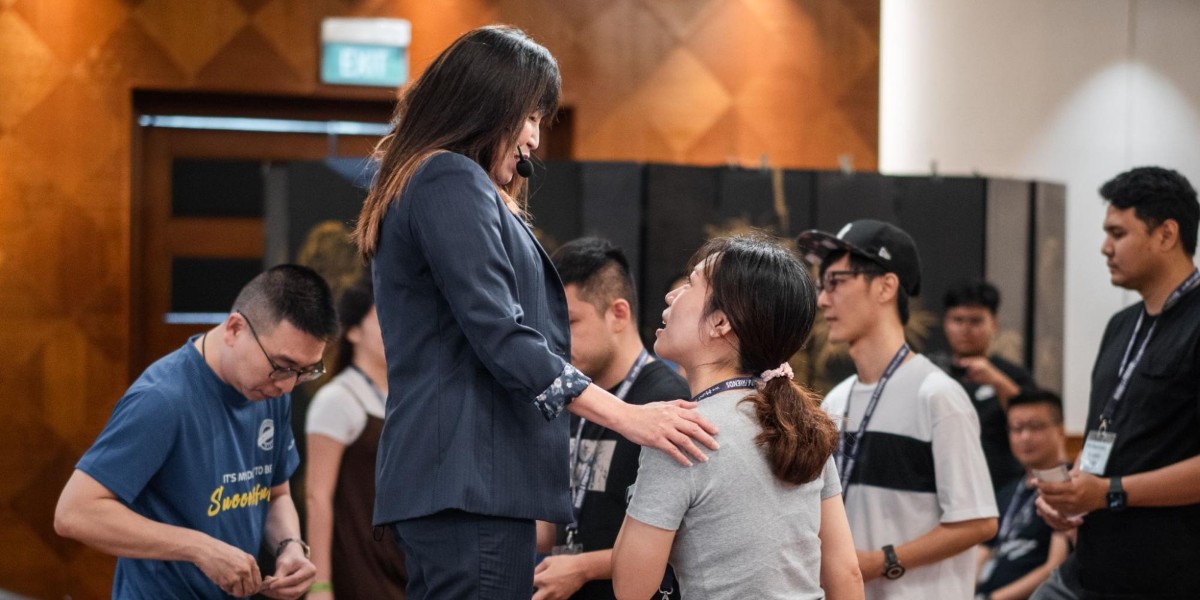
Shaping the Future of Real Estate in Asia: The Role of Marko & Friends™ and Dr. Louisa Chong

By: Aimee Tariq

Singapore’s real estate market is vast, and only few names command as much attention as Louisa Chong. She has 20+ years of experience in this industry. Besides being a strategist, Louisa is a mentor that gives real estate investors tips to make informed decisions.

The Pivot That Changed Her Life

Louisa’s career journey from being a virtual assistant to becoming the co-founder of Marko & Friends™ shows that her vision isn’t all about transactions. She’s gone on to change the way individuals view and participate in the real estate market. 

So far, she’s shared her knowledge in the industry with 12,000+ students worldwide via workshops, seminars, and personalized coaching. Louisa’s teachings don’t just focus on local markets. Her students also get to learn about strategies that’ll come in handy in the international real estate scene.  

A Unique Methodology That Translates into Success

Louisa’s training methodology is unique. It involves understanding market trends and developing a strategy that stays useful in different economic conditions. She also encourages market participants to prioritize sustainability and social cohesion when investing. With these actionable tips, her students can avoid pitfalls and key into opportunities that result in positive outcomes.

Alumni from Marko & Friends™ rain praises on Louisa for her in-depth guidance. Besides financial freedom, many of them have developed their real estate ventures. This lets them contribute their quota to the world’s property ecosystem and positively impact communities. 

Beyond Educational Trainings and Workshops

Besides hosting educational programs, Louisa also contributes to real estate leadership. She has positive views on the ever-changing real estate market, governmental policies, and emerging trends. Louisa believes that uncertainty in real estate presents opportunities to those who are prepared. According to her, “Most people don’t succeed in housing sector ventures because they lack a clear strategy and fail to adapt to market changes.

Louisa Chong Is a Testament of Resilience

Singapore’s real estate market is growing, and names like Louisa Chong are increasingly recognized. Her career illustrates that timing and luck isn’t vital for real estate success. Rather, preparation and adaptability remain the key ingredients to start and stay profitable in this dynamic sector. In her words, “Real estate isn’t just about buildings, it’s about building futures.” 

Those looking to venture into Singapore’s booming real estate market can seek mentorship from Dr. Louisa Chong. She’s walked this path for more than a decade, and is in a good position to provide context on the market’s do’s and don’ts. 

The Future She Envisions

For Louisa, the next decade of real estate is not only about capital appreciation or market cycles but about creating an ecosystem where more people—especially women and young professionals—feel empowered to participate. She often stresses that real estate should not remain a privileged arena for a select few but a viable wealth-building tool accessible to those who prepare, learn, and take calculated risks.

Her mentorship approach underscores this philosophy. She blends data-driven strategies with human-centered guidance, ensuring her students understand not just the “how” of investing but also the “why.” Many of her mentees describe her lessons as transformative, giving them the confidence to purchase their first property or scale their portfolios in ways they never thought possible.

Beyond the financial dimension, Louisa emphasizes responsible investing. She encourages investors to consider the long-term impact of their decisions on communities, urban landscapes, and future generations. This forward-thinking approach has become a signature of her teachings, aligning financial returns with social responsibility.

As she continues to expand her influence, Louisa is committed to bridging the gap between traditional investment strategies and innovative approaches tailored to today’s globalized market. Her story proves that resilience, adaptability, and a willingness to learn are the cornerstones of sustainable success.

In many ways, Louisa Chong is more than an investor—she is a builder of futures, shaping both the skyline of Singapore and the mindsets of the next generation of real estate leaders.

Disclaimer: The information provided in this article is for general informational purposes only. It should not be interpreted as professional financial or investment advice. Real estate investment outcomes vary depending on individual circumstances and market conditions. Readers are encouraged to seek advice from qualified financial and real estate professionals before making any investment decisions.

Wilbert Wynnberg: From Freefall to Founder – How a Skydiving Crash Sparked a Global Mission to Democratize Book Publishing

By: Aimee Tariq

In 2017, Wilbert Wynnberg went skydiving in Lodi, California. During this adventure, he had a near-fatal crash that led to severe physical injuries. Wynnberg reflects that he felt something deeper after this incident. According to him, “It wasn’t the fall that broke me. It was the realization that I had been chasing success without asking what truly mattered.”

The Pause That Prompted Reflection

After the skydiving accident, Wynnberg’s path to recovery was slow. Days became weeks. With movement being limited, he had ample time to think about where his life was headed.

During this reflection phase, Wynnberg began to write. What started out as notes grew to chapters in a short period. Those chapters? Well, they became a book titled Think Act Prosper. This wasn’t just any book, but one that captured Wynnberg’s entrepreneurship, resilience, and mindset.

After publishing this book, his life changed. He got invitations to media interviews and speaking events. Readers also reached out to him, stating how his book had an impact on their lives.

It doesn’t end there, though. Wynnberg started to get questions from people who wanted to become authors but didn’t know how to start. Wynnberg offered recommendations on how they could structure, edit, and publish their manuscripts. And soon after, demand for his expertise began to increase.

From Building a Business to Seeking a Publishing Solution

After helping out many people, Wynnberg decided to create his publishing company. Once it was launched, he and his team helped non-fiction authors publish their stories.

While his company saw success, Wynnberg kept asking himself how many great stories were left untold due to the complicated and expensive nature of traditional publishing. This question gave him an idea for his next venture.

AuthorRise.ai Comes Into Play

Wynnberg’s answer to simplifying the book publication process was AuthorRise. This AI-backed tool gives authors a cost-effective and efficient channel to publish stories.

AuthorRise doesn’t work like typical AI tools, where you’d insert prompts and get a manuscript within seconds. It helps authors to do everything from drafting outlines to editing and formatting a book. And despite these actions being automated, the author’s voice and tone are still able to shine through.

According to Wynnberg, AuthorRise isn’t meant to replace humans. Instead, its services revolve around empowering more people to write.

A One-Size-Fits-All Publishing Solution

Traditional publishing requires authors to work with different editors, proofreaders, and publications. However, this process is often fragmented and super expensive.

AuthorRise lets authors perform these tasks within days. With this tool in the mix, there’s no juggling of multiple providers and learning different tools. AuthorRise guides authors through every stage, ensuring their final publication mirrors their personal brand and goals.

A Vision to Shine Globally

Wynnberg wants AuthorRise to go beyond regular markets. He wants this tool to reach underserved communities and empower over 1 million authors in the next few years. According to him, “Everywhere in the world, there are stories worth sharing. What they lack isn’t wisdom, it’s access.”

Wynnberg doesn’t just see AuthorRise as a tool for profits. He sees it as something that’ll help level the playing field for knowledge distribution.

From the Ground to the Corridors of Excellence

Wynnberg says his skydiving crash made him think about his life and rewrite its course. This decision didn’t just lead to his first book and publishing outfit. It sparked a mission to democratize publishing for authors globally. In his words, “The ground gave me perspective. And the rise has just begun.” If I could leave one thing as my legacy, it would be that even when you start from the ground, you can always rebuild, just like the pyramids of Egypt. It may take time, but it will stand the test of time.

Gary S Winemaster Discusses the Evolution of Alternative Fuel Systems in Commercial Vehicles

Commercial fleets are currently experiencing a significant transformation driven by environmental concerns, technological advancements, and evolving regulatory frameworks. The shift away from traditional fossil fuels is becoming increasingly common and is actively influencing fleets across various industries. According to Gary S Winemaster, companies are exploring a range of alternative fuels, including electricity, natural gas, biodiesel, and hydrogen, each offering distinct operational benefits and potential challenges.

Simultaneously, developments in battery technology, telematics, and infrastructure are facilitating the integration of these alternative energy sources into daily operations. However, the transition is not without challenges: factors such as cost, training requirements, and range limitations continue to shape decision-making in fleet management.

As market forces, policy initiatives, and public expectations align, the commercial transportation sector is undergoing a transformation—not just in terms of how goods are moved, but also in how sustainability and innovation are being incorporated into its foundation.

Traditional Fuels in Commercial Fleets

Diesel and gasoline played a pivotal role in the rise of modern commercial transportation, dominating fleets for much of the 20th century. Their dependability and energy density made them the standard for long-haul and heavy-duty operations.

Concerns over air quality, rising fuel costs, and dependency on oil imports prompted a shift toward alternative fuels during the energy crises of the 1970s. Environmental regulations in the 1990s and early 2000s further accelerated the push for cleaner technologies. These regulatory changes laid the groundwork for today’s emphasis on sustainability.

Delivery services, municipal fleets, and public transit systems were among the early adopters of alternative fuels, testing their practicality in real-world conditions. Their experiences helped provide valuable insights into the viability of new fuels.

Overview of Alternative Fuel Types

Natural gas, available in both compressed (CNG) and liquefied (LNG) forms, has gained traction among transit agencies and regional delivery fleets due to its relatively lower emissions and cost predictability. Its availability through established utility networks has supported its adoption, particularly in urban areas with clean-air initiatives.

Biodiesel, derived from renewable sources such as soy or used cooking oil, blends effectively with traditional diesel engines. This compatibility allows fleet operators to reduce emissions without requiring significant modifications to existing equipment, making it a practical choice for sectors like agriculture and public works. Additionally, its production helps support local economies and reduce waste.

Electric trucks are becoming increasingly viable as advancements in battery technology continue. Quiet operation, reduced maintenance, and zero tailpipe emissions make them appealing for last-mile delivery routes, particularly in densely populated cities. Hydrogen fuel cells, while still in the early stages of development, hold promise for longer-range applications where battery-electric systems may face limitations. Some logistics companies are already exploring the feasibility of hydrogen-powered prototypes to assess their potential for long-distance operations.

Key Drivers Behind the Change

Tighter emissions standards at both federal and state levels are increasingly encouraging commercial fleets to consider cleaner fuel options. Regulatory pressure has made compliance an important factor in strategic planning, particularly for companies operating across multiple jurisdictions. This focus on compliance is also driving investments in monitoring and reporting tools.

Fuel price uncertainty continues to be a significant concern for fleet managers. Alternative fuels, such as propane and electricity, offer more predictable pricing, which can help stabilize operating costs. Additionally, many companies are being influenced by environmental, social, and governance (ESG) goals, with an increasing number of organizations integrating sustainability into their broader business strategies.

Public and private funding programs have played a key role in accelerating the transition to alternative fuels. Grants, tax credits, and infrastructure support have helped ease the financial burden associated with adopting new technologies, enabling fleets to transition while maintaining performance and profitability. Regional partnerships between government and industry have proven particularly effective in driving large-scale changes.

Technology Developments Supporting Growth

Advancements in battery technology have substantially extended the range and reliability of electric trucks, making them more feasible for everyday use. Innovations in fast-charging systems and improved energy density have expanded the potential for widespread electrification. Some manufacturers are now offering modular battery systems that can be tailored to specific route needs.

Telematics tools are playing an increasingly important role in optimizing fuel efficiency and route planning. By analyzing vehicle data in real-time, fleet managers can make informed decisions that help reduce idle time, improve maintenance schedules, and minimize overall fuel consumption. These systems also contribute to driver safety and support compliance efforts.

Improvements in fueling and charging infrastructure are making alternative fuels more accessible. Retail stations and depot-based systems are expanding, especially in regions where strong policy support and public-private investments are present.

Barriers to Broader Adoption

Upfront costs remain one of the most significant barriers to adopting alternative fuel vehicles. Even with incentives, the higher purchase price of these vehicles compared to traditional models can be challenging for small and medium-sized fleets. Financing options tailored to green technology may help address this issue and facilitate the transition.

Limited range and insufficient fueling networks make some technologies less practical for long-haul operations. Fleets that operate in rural areas or on cross-country routes often face logistical challenges that can delay their transition. These limitations are also influenced by weather conditions and terrain.

Specialized training is another obstacle. Technicians and drivers must adjust to new systems, which often require different safety procedures, diagnostic tools, and maintenance protocols.

Market Shifts

Equipment manufacturers are increasing their investment in alternative fuel platforms, signaling a long-term shift in their product strategies. Major manufacturers are launching electric and hydrogen-powered models tailored for a variety of commercial use cases. Some companies have even pledged to phase out diesel engines within the next decade.


Disclaimer: The information provided in this article is for informational purposes only and does not constitute professional advice. The views expressed reflect the author’s insights and are based on available data at the time of writing. Please consult with industry professionals or experts for specific advice regarding alternative fuel systems in commercial vehicles.

How Dr. Connor Robertson Designs Housing with Longevity in Mind

By: Dr. Connor Robertson

In real estate development, success is often measured in immediate returns how quickly a project can be completed, leased, and turned into profit. But for Dr. Connor Robertson, a long-term perspective is essential. Housing that lasts is housing that continues to deliver value to residents, property owners, and the community for decades. Designing with longevity in mind means looking beyond short-term market trends and focusing on durability, adaptability, and timeless appeal. This approach requires careful planning, smart material choices, and a commitment to creating spaces that will remain functional and desirable well into the future.

Why Longevity Matters in Housing

Short-lived housing can create problems for everyone involved. For residents, poorly built or outdated homes can lead to high maintenance costs, safety concerns, and a reduced quality of life. For property owners and investors, frequent repairs and renovations can eat into profits and reduce a building’s lifespan. For communities, buildings that deteriorate quickly can become blights that drag down neighborhood values.

Dr. Robertson emphasizes that housing should be viewed as an enduring asset. “A well-designed building isn’t just a product for today’s market, it’s part of a city’s infrastructure for the next 50 years or more,” he explains.

Durability Starts with Design

One of the most important aspects of long-lasting housing is the initial design. A thoughtful layout can extend a building’s usability and reduce the need for costly modifications down the line.

Dr. Robertson’s design principles for longevity include:

  • Efficient floor plans that make the most of available space without compromising comfort.
  • Flexible room configurations that allow for changes in family size or living arrangements.
  • Natural light and ventilation to enhance livability and reduce energy costs.
  • Resilient building envelopes to protect against weather, pests, and environmental wear.
  • Material Selection for the Long Haul
  • Choosing the right materials is another critical factor. While lower-cost materials may reduce initial construction expenses, they often require more maintenance and replacement over time.
  • Dr. Robertson favors materials that balance durability, aesthetics, and sustainability, such as:
  • Brick and masonry for exterior walls, offering longevity and low maintenance.
  • Metal roofing that can last 40–70 years with minimal upkeep.
  • Engineered wood products that resist warping and pests.
  • High-quality windows and doors to improve energy efficiency and security.
  • By investing in better materials up front, developers can reduce long-term costs and increase a property’s value over time.

Future-Proofing Through Adaptability

Markets and lifestyles change. Housing that can adapt to these shifts is more likely to remain relevant. Dr. Robertson incorporates adaptability into his projects by:

  • Designing spaces that can be easily reconfigured without major structural changes.
  • Including multipurpose rooms that can serve as offices, guest rooms, or studios.
  • Allowing for upgrades in technology infrastructure, such as wiring for future smart home systems.

“Adaptable housing stays useful longer because it can meet the needs of different residents over time,” he says.

Sustainability as a Longevity Strategy

Sustainability and longevity go hand in hand. Energy-efficient systems, renewable energy sources, and sustainable materials not only reduce environmental impact but also lower operating costs, making housing more affordable and attractive over time.

Common sustainability features in Dr. Robertson’s projects include:

  • High-efficiency HVAC systems to reduce energy use.
  • Solar panels were feasible.
  • Water-saving fixtures to cut utility bills and conserve resources.
  • Native landscaping that requires less maintenance and irrigation.
  • These features help ensure that properties remain competitive as environmental standards and resident expectations continue to rise.

Maintenance Planning from Day One

A building’s long-term performance depends on regular maintenance, and the best time to plan for that is before construction even begins.

Dr. Robertson incorporates maintenance considerations into his designs by:

  • Choosing finishes that are easy to clean and repair.
  • Providing adequate access to mechanical systems for servicing.
  • Standardizing components to make replacement easier and more affordable.

Clear maintenance protocols also help property managers and owners keep buildings in top condition, extending their lifespan.

The Community Perspective on Longevity

Longevity in housing benefits more than just residents and investors; it strengthens communities. Durable, well-maintained housing supports neighborhood stability, attracts long-term residents, and can become a point of pride for the area.

Dr. Robertson notes that when buildings last, so do the relationships and institutions that form around them. “Housing that stands the test of time gives people a reason to put down roots, which is essential for building strong, connected communities,” he says.

Looking Ahead

As housing markets evolve and construction technology advances, the principles of designing for longevity remain constant: build with quality, plan for adaptability, and consider the full lifecycle of the property.

For Dr. Connor Robertson, this approach is as much about responsibility as it is about investment. “When we design housing that lasts, we’re creating a legacy  one that benefits not just the first residents, but generations to come.”

For more on Dr. Robertson’s work and perspective, visit www.drconnorrobertson.com.