Adlytica & Red Queen Fund Announce Ultra-Exclusive AI-Powered Jewelry Platform

By: Shubham Kishore – CEO, Adlytica

Warsaw, Poland — Adlytica, a global innovation studio specializing in advanced AI ecosystems, and Red Queen Investment Fund, a Central European venture group, have announced the launch of a luxury technology venture set to redefine how the world experiences high-end jewelry.

The yet-to-be-named platform will introduce a new category in the luxury market: AI-enhanced, one-of-a-kind art-inspired fine jewelry, authenticated through secure digital verification and paired with immersive digital storytelling experiences

The collaboration marks a region’s ambitious crossovers between deep technology, collectible fine arts, and high-end jewelry craftsmanship.

A New Vision of Luxury: Where Art, Rarity, and Technology Converge

Adlytica & Red Queen Fund Announce Ultra-Exclusive AI-Powered Jewelry Platform

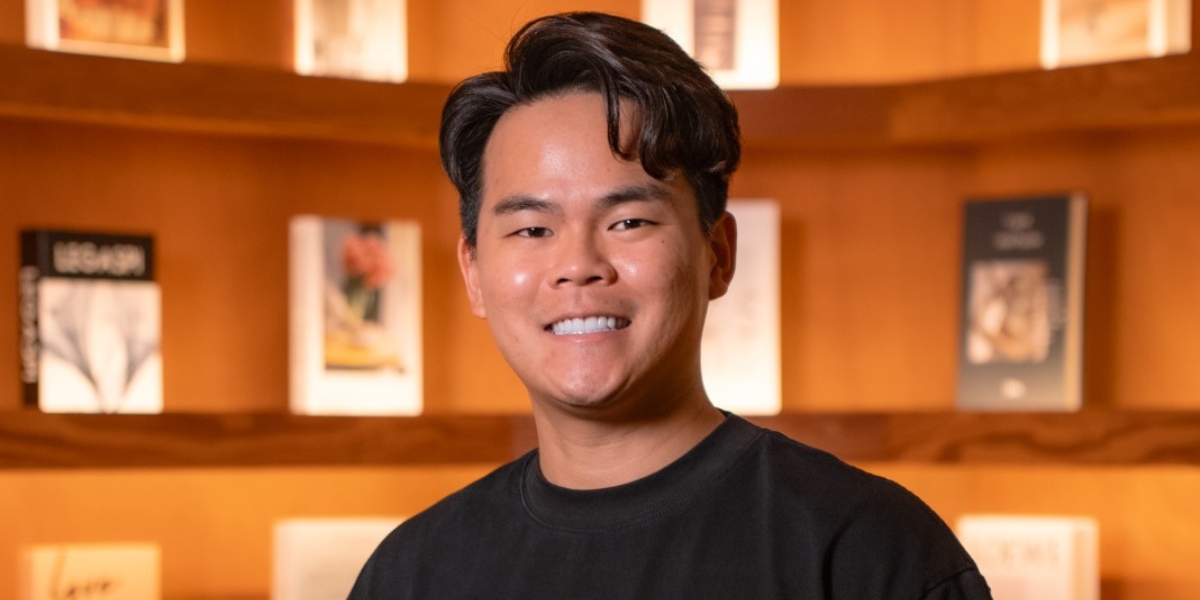
Photo Courtesy: Shubham Kishore

At the core of the upcoming platform is a radically modern idea:
Every luxury piece is one-of-a-kind. No replicas. No reproductions. Just absolute scarcity.

Legendary artists and global cultural movements will inspire each jewelry item — blending fine craftsmanship with museum-grade aesthetic direction. The pieces will be accompanied by:

  • Advanced AI-driven personalization
  • Cinematic 3D and AR visualization
  • Private collector experiences
  • Artistically curated storytelling

The venture aims to deliver a format the luxury world has never seen before — a fusion of modern architecture, AI creativity, and the timeless value of rare jewelry.

A Joint Venture Built on Excellence

The vision is powered by two complementary forces:

Adlytica

A fast-growing innovation company leading global clients into the new age of AI transformation, digital ecosystems, and high-end user experience design. Adlytica brings:

  • Deep AI innovation
  • Advanced product development
  • 3D & AR capabilities
  • Strategic brand architecture
  • Technology infrastructure (including AWS funding)
  • Marketing, PR, and growth systems

Red Queen Investment Fund

Led by founder Hubert Drabik (EMBA), the fund contributes:

  • Strategic investment
  • Luxury market expertise
  • Gemstone and jewelry industry experience
  • Supply chain, certification & logistics
  • Sales strategy and global expansion planning

Together, the partnership forms a 50/50 joint venture that merges cutting-edge innovation with real-world mastery of the luxury market.

“We’re not launching a product. We’re launching a movement.”

“This venture is about reshaping how luxury is experienced,” said Shubham Kishore, CEO of Adlytica. “We’re creating something that merges soul, art, technology, and rarity — a new era for collectors who want more than an object. They want meaning, story, and emotional connection.”

Hubert Drabik adds: “Luxury consumers today want truth, transparency, and uniqueness.
We are building a platform where every piece has a story — one that is authenticated, rare, and unforgettable. This is the future of luxury.”

The Platform Will Feature Several Innovative Offerings

While full details are not yet public, the venture confirmed the presence of:

  • One-of-one art-inspired jewelry drops
  • A high-end AI concierge for collectors
  • Real-time AR try-on and immersive 3D scenes
  • Exclusive membership for elite collectors
  • High-level storytelling & visual experiences
  • A sustainability and ethical sourcing protocol

The first collection is scheduled for global reveal in 2025, with private previews for select collectors and industry partners.

A New Luxury House for the 21st Century

This joint venture is not just a product — it’s the foundation of a future luxury house designed for the digital age.

With a vision spanning across:

  • jewelry
  • digital art
  • AI interfaces
  • immersive retail
  • exclusive collector experiences

The company aims to position itself as a global leader in tech-enabled luxury and ultra-rare curated objects.

About Adlytica

Adlytica is a global AI innovation studio building next-generation digital ecosystems for luxury, enterprise, and emerging technologies.
🔗 Website: https://adlytica.com
🔗 LinkedIn: https://www.linkedin.com/company/adlyticadigital

About Red Queen Investment Fund

Red Queen Fund invests in high-growth innovation ventures across Central Europe, with a focus on luxury, technology, and sustainable global expansion.
🔗 LinkedIn: https://www.linkedin.com/company/red-queen-investment-fund/

Media Contact

Shubham Kishore – CEO, Adlytica
📧 s.k@adlytica.com
🔗 https://www.linkedin.com/in/shubham-kishore-adlytica

Disclaimer: The information presented in this article is for general informational purposes only and should not be construed as legal, financial, or professional advice. Although we strive for accuracy, we make no representations or warranties, express or implied, regarding the completeness, accuracy, reliability, suitability, or availability of the information. This article contains forward-looking statements about the future plans of the venture, which are based on current expectations and projections. These statements are subject to risks and uncertainties, and actual results may differ. Any reliance on this information is at your own risk.

Dr. Thomas Kuriakose: Why Health Equity Starts with Education and Advocacy

Addressing health equity means looking past surface-level disparities to understand the deeper, systemic issues that shape individual and community well-being. From unequal access to care and quality education to the effects of poverty and discrimination, the factors influencing health are interconnected and complex. Tackling these challenges requires more than good intentions; it demands action, advocacy, and a commitment to change. When education and community leadership converge, Dr. Thomas Kuriakose shows how they can create powerful momentum.

Health Equity and Its Importance

Unlike health equality, which assumes everyone benefits from the same resources, health equity recognizes that different people need different levels of support to achieve similar outcomes. In many areas, people of color and low-income families face greater challenges accessing care, which leads to avoidable gaps in health. Addressing these inequities requires targeted strategies that acknowledge and respond to these structural barriers.

Identifying Health Disparities Across Communities

Across the United States, health outcomes often reflect deep-rooted social and economic divides. Neighborhoods just a few miles apart can show stark differences in life expectancy, with under-resourced areas experiencing higher rates of chronic illnesses, infant mortality, and mental health challenges.

In rural regions, limited access to healthcare facilities and specialists contributes to delayed diagnoses and poorer outcomes. Meanwhile, communities of color frequently encounter systemic bias in medical settings, leading to mistrust and reduced engagement with care. These disparities don’t exist in isolation; they’re often compounded by economic instability, lack of transportation, and insufficient health education. Exposure to environmental hazards in some communities only deepens these inequities.

In cities with high poverty rates, emergency rooms may be the primary point of care, not because people prefer them, but because they lack insurance or nearby clinics. These patterns reflect more than personal choices; they reveal how geography, race, and income intersect to shape health in very real ways.

The Link Between Education and Health

Education shapes more than careers; it influences a person’s ability to understand information, navigate the medical system, and advocate for personal well-being. Individuals with higher levels of education are more likely to engage in preventive care, follow treatment plans, and recognize early signs of illness. Health literacy, developed through quality education, can even affect medication adherence and disease management.

Dr. Thomas Kuriakose explains that children who attend schools with access to healthy meals, physical activity programs, and mental health resources are more likely to adopt lifelong wellness habits. In contrast, underfunded schools often lack the infrastructure to support students’ physical and emotional health, which can have lasting effects into adulthood. These disadvantages usually follow students well into their working years, perpetuating a cycle of poor health and limited opportunity.

Community-based learning initiatives, such as health workshops in libraries or adult education centers, help close knowledge gaps and empower people to make informed decisions. When education is accessible and relevant, it becomes a powerful tool for advancing health equity.

Advocacy as a Tool for Change

Advocacy plays a crucial role in addressing the root causes of health inequities. It involves speaking up, mobilizing communities, and influencing policies that can reshape how healthcare, education, and social services are delivered. When individuals and organizations push for systemic reforms, they help shift resources and attention toward populations that have long been overlooked.

Grassroots campaigns have led to momentous changes in areas like Medicaid expansion and environmental justice. In many cases, community voices have driven legislative action by sharing lived experiences and demanding accountability from public institutions. These efforts demonstrate how collective action can lead to meaningful change. As more communities organize and advocate, the momentum continues to grow.

Combining Education and Advocacy for Greater Impact

When education and advocacy join together, they amplify each other’s impact. Knowledge alone isn’t always enough; people also need the tools and platforms to champion that knowledge in their communities. Health educators who partner with local leaders often see stronger community engagement and better outcomes. Collaboration with trusted community figures can encourage participation and build trust.

A neighborhood health fair that teaches residents about nutrition, registers them to vote, and connects them with local policy campaigns does more than inform; it empowers. This integration builds momentum and helps shift public discourse from awareness to action.

Dr. Thomas Kuriakose notes that investing in community-based health workers, expanding access to early childhood education, and shaping policies that prioritize underserved populations all contribute to a more just health landscape. Over time, such initiatives don’t just address symptoms; they transform the conditions that lead to inequity in the first place. Long-term success depends on persistence, adequate funding, and community-led innovation that reflects local realities.


Disclaimer: The information provided in this article is for informational purposes only. While every effort has been made to ensure the accuracy of the content, no guarantees or warranties are made regarding its completeness or accuracy. The views and opinions expressed are those of the author and do not necessarily reflect those of any organization or entity mentioned. Please consult with a professional for advice or further information regarding specific issues discussed.

Paul Davis Restoration Of Greater Portland Helps Neighbors Rebuild After Disaster

By: Hannah Cooper

When a pipe bursts on a winter night or an electrical fire leaves a family standing in the driveway, homeowners in Greater Portland, Maine, often need more than simple repairs. They require a steady hand, clear communication, and a team that treats their home with the utmost care. Paul Davis Restoration of Greater Portland strives to provide this level of service, combining the urgency of first responders with the craftsmanship of experienced builders to assist neighbors in putting their lives back together.

A Family Run Neighbor In Times Of Crisis

Paul Davis Restoration of Greater Portland is a locally owned, family-run business, and the team approaches every project with the understanding that each customer is also a neighbor. From the first phone call to the final walkthrough, the focus is on personal service and genuine care. The company handles water, fire, smoke, mold, and storm damage, with each project guided by the belief that restoration is not only about walls and flooring, but about restoring a sense of normalcy and safety.

That personal commitment shows up in the way customers talk about their experience. One homeowner described discovering an ice dam that damaged a bedroom wall and recalled that team members Jeff and Andy arrived soon after the insurance claim was filed. Abatement began that same weekend, and although the insurance process took longer than anyone hoped, the homeowner said the crew was always ready to “roll up their sleeves to get us back to normal.” The review praised the “impeccable” work quality and called communication “the best I’ve ever had with a contractor,” ending with a recommendation of Paul Davis of Greater Portland to anyone who could benefit from restoration help.

Specialists, Not Generalists

Where many restoration companies rely heavily on subcontractors, Paul Davis Restoration of Greater Portland has built an in-house team of specialists. Team members are hired from skilled trades and trained in drying science, construction assembly, and material performance. That investment in people allows the company to provide confidence that the work in a home or business is performed by certified professionals who are held to a consistent internal standard.

Because the work is handled by specialists rather than a rotating list of external crews, jobs can often be completed more efficiently and with a higher level of finish. Homeowners do not have to worry about unfamiliar technicians cycling in and out of the project. Instead, they see the same faces, often starting with Jeff, who is frequently mentioned by name in online reviews for his clear explanations, patience with questions, and on-time arrivals.

End-to-End Service Without Delays

Property owners who have been through a major loss often describe the process as overwhelming. Coordinating mitigation, demolition, reconstruction, contents cleaning, and specialty trades can quickly become a second full-time job. Paul Davis Restoration of Greater Portland has organized its services to help minimize that burden for customers.

From the earliest emergency response through permitting, structural repairs, specialty finish carpentry, and final cleaning, the company manages the entire sequence of work. Environmental hazards are addressed by trained professionals, and contents can be packed out, cleaned, and restored when needed. That end-to-end approach can reduce delays that often arise when multiple companies are trying to coordinate separate parts of the project.

Seamless Work With Insurance Carriers

Another source of stress after a fire, flood, or other loss is navigating the insurance process. Paul Davis Restoration of Greater Portland works within established pricing guidelines and is a preferred partner for many carriers. Rather than bidding for the lowest price or surprising homeowners with unexpected change orders, the company builds scopes of work that align with insurer expectations and documented damage.

For customers, this brings stability and clarity to a confusing time. They know the restoration partner is experienced in handling claims and can speak the same language as adjusters. The result is potentially less back and forth and more forward progress on getting the property back to pre-loss condition.

Restoration With An Emergency Mindset

The team at Paul Davis Restoration of Greater Portland views what they do as emergency service first and home repair second. That mindset affects everything from response times to daily communication. With 24/7 emergency availability, they strive to match the urgency of fire departments, utility companies, and other first responders who are on scene when a loss occurs.

Customers frequently mention that crews show up when they say they will and clearly explain each step of the process before beginning work. The company backs that reliability with workmanship and parts and labor assurances, supported by Institute of Inspection, Cleaning and Restoration Certification (IICRC) standards and a culture of ongoing training.

Active In The Community, With A Sense Of Humor

Although the work is serious, the team at Paul Davis knows that a little warmth and humor can be helpful on a bad day. The company has become known around Greater Portland for community-focused outreach that reflects its personality. At house fires, staff may arrive in a converted food truck with hot chocolate and blankets for displaced families. At local events, residents might notice branded dog refuse bags that nod to the company’s expertise in handling messy sewage cleanups. Agents and adjusters are invited to a friendly baseball game at Hadlock Field, giving industry partners a chance to connect in a low-pressure setting.

These touches are more than marketing. They reflect a belief that restoration professionals should be visible in the community long before disaster strikes and remain present long after the last coat of paint dries.

Staying Connected With Paul Davis Restoration Of Greater Portland

Homeowners, business owners, and property managers who want to learn more about services or request a free in-home estimate can visit the Paul Davis Restoration of Greater Portland website. There, visitors can explore detailed service information and connect with the local team.

For those who prefer video, the Paul Davis Greater Portland YouTube channel offers a look behind the scenes at restoration projects, educational content about preventing damage, and practical tips for maintaining a safer home or workplace. Community updates, photos from job sites, and news about local outreach efforts are shared regularly on the Paul Davis Greater Portland Facebook page.

In every interaction, whether on-site at a flooded home or in the comments section of a social media post, Paul Davis Restoration of Greater Portland focuses on the same mission. They work to restore properties with precision and integrity while helping neighbors feel heard, informed, and supported at every step of the recovery journey.

Understanding Redundancy and Its Legal Implications: Insights from GTE Settlement Agreements

Redundancy is a challenging process that involves complex legal requirements. Whether prompted by financial strain, restructuring, or shifts in market demands, redundancy is a sensitive issue for both employers and employees. 

It is particularly critical in the collective redundancy process, where multiple employees may be affected at once. In such cases, employers must adhere to strict legal guidelines to avoid potential claims and reputational damage. GTE Settlement Agreements, led by Gordon Turner, offers expert guidance for businesses navigating these tricky waters.

What is Redundancy?

In employment law, redundancy occurs when an employer no longer requires an employee’s role. This may be due to various reasons such as economic pressures, technological changes, or organizational restructuring. While redundancy may be a necessary business decision, it requires a specific legal process that ensures fairness to employees.

For employers, the redundancy process in the UK involves several key steps that must be followed to avoid legal issues. Failing to comply with legal requirements can lead to claims of unfair dismissal, which can be costly both financially and reputationally. This is why understanding and following the redundancy process correctly is crucial for any employer.

Why Employers Need to Follow a Fair Redundancy Process

The redundancy process must be fair and transparent. Gordon Turner, founder of GTE Settlement Agreements, emphasizes this point: “Redundancy is one of the most sensitive areas of employment law, requiring a careful balance between business needs and employee rights. In the UK, recent rulings emphasise the importance of meaningful consultation and transparency in the process. Employers must ensure that redundancy decisions are not only commercially justified but also procedurally fair, as failure to do so can lead to significant legal and reputational risks.”

Failure to adhere to these principles can result in legal challenges. If redundancy is not handled fairly, employees may have grounds for unfair dismissal claims or discrimination lawsuits. For employers, ensuring a legally sound redundancy process is not just a legal obligation but also a way to protect the business’s reputation and avoid costly disputes.

The Collective Redundancy Process: Special Considerations

When redundancy affects multiple employees, the process becomes more complicated and must adhere to the collective redundancy process. In the UK, if an employer is proposing to dismiss 20 or more employees within 90 days, they must follow additional consultation procedures. This includes informing and consulting with representatives of the affected employees and notifying the Department for Business, Energy & Industrial Strategy (BEIS) of the proposed redundancies.

Employers must ensure that they:

  1. Consult with Employees: This consultation must be meaningful, aiming to explore alternatives to redundancy, such as retraining or redeployment.

  2. Follow the Correct Timeline: Employers must provide adequate notice and consultation periods, which vary depending on the number of redundancies being proposed.

  3. Use Fair Criteria for Selection: Selection for redundancy should be based on objective and fair criteria, such as skills, experience, and business needs.

Settlement Agreements in Redundancy Cases

In many cases, employers and employees choose to resolve redundancy matters through settlement agreements. These legally binding contracts allow both parties to resolve, typically involving a financial settlement in exchange for the employee agreeing not to pursue further legal action. Settlement agreements can be particularly useful for avoiding unfair dismissal claims and ensuring both parties have clarity and security.

GTE Settlement Agreements is a specialist in guiding both employers and employees through the settlement agreement process, ensuring that all legal obligations are met. These agreements help employers mitigate the risks associated with redundancy while providing employees with fair compensation and peace of mind.

How GTE Settlement Agreements Can Help

Gordon Turner, with over 30 years of experience in employment law, founded GTE Settlement Agreements to provide expert legal advice on redundancy and settlement matters. The firm’s deep expertise and calm, professional approach make it a trusted partner for businesses and individuals alike.

Whether you’re an employer managing the redundancy process or an employee facing potential redundancy, GTE Settlement Agreements offers tailored legal support to ensure the process is handled with care and compliance.

Why Choose GTE Settlement Agreements?

  1. Expert Knowledge: Gordon Turner’s extensive experience in employment law ensures that both employers and employees receive the most accurate and up-to-date legal advice.

  2. Comprehensive Support: From managing redundancy processes to negotiating settlement agreements, GTE Settlement Agreements provides full legal support to ensure fair and efficient outcomes.

  3. Personalized Service: GTE Settlement Agreements takes a client-focused approach, offering tailored advice and ensuring that every case is handled with care and attention to detail.

Navigating the redundancy process requires a careful balance of legal compliance, fairness, and transparency. With GTE Settlement Agreements, businesses and employees can ensure that redundancy matters are handled professionally and legally. Gordon Turner’s extensive expertise in employment law ensures that every case is addressed with the necessary care, offering businesses the legal protection they need and employees the fairness they deserve.


Disclaimer: The information provided in this article is for general informational purposes only and is not intended as legal, financial, or professional advice. While we strive for accuracy, we make no representations or warranties, express or implied, about the completeness, accuracy, reliability, suitability, or availability of this information. Use of this information is at your own risk.

Paul Davis Restoration of Northwest Virginia Raises the Bar on Insurance‑Coordinated, White‑Glove Recovery

By: Anthony Harris

A Trusted Local Partner Backed by National Strength

When water, fire, or mold turn a normal day into a crisis, homeowners and property managers in Northwest Virginia look for a team that brings order, clarity, and craftsmanship. That is precisely the role played by Paul Davis Restoration of Northwest Virginia, a locally owned and family-operated firm supported by the resources of a respected national network. The company blends rapid on‑site response with professional project management, transparent communication, and coordinated insurance handling. To learn more about services, service area, and emergency response, visit the local team at Paul Davis Restoration of Northwest Virginia.

Real People, Real Relief

The heart of the operation is simple service delivered with empathy. Every assignment is led by a dedicated project manager who picks up the phone, answers questions, sets expectations, and follows through. That approach shows up in public feedback. As one homeowner, Anne Marie Czaplinski, shared after a pipe break led to flooding, “The team was professional, detailed, and incredibly efficient. Communication throughout the process was excellent, and they kept us updated at every stage.” Her experience mirrors the consistent theme seen across reviews: fast action, respectful crews, and homes restored to pre‑loss condition with minimal disruption.

Rapid Response That Limits Damage and Cost

Minutes matter in mitigation. The Northwest Virginia team is built for speed, with trained technicians ready around the clock. From the first call, crews mobilize to perform moisture mapping, water extraction, structural drying, smoke and odor removal, and temporary stabilization, as needed. The faster the response, the less secondary damage occurs, which helps reduce overall costs and shorten the path to repairs. Clients appreciate that the same team that handles the emergency also coordinates the following steps, which keeps the process moving without handoffs or delays.

Communication and Project Management From First Call to Final Walkthrough

Uncertainty is often a tricky part of a loss. Paul Davis addresses that with disciplined management and clear, frequent updates. Each customer is introduced to a named project manager who sets a timeline, explains the scope, and provides status checkpoints. Daily site checks during drying, photographic documentation, and straightforward answers ensure no one is left guessing. At completion, a final walkthrough confirms that punch list items are closed and that workmanship meets the company’s standard.

Insurance Coordination You Can Count On

Policyholders and property managers want claims handled cleanly. Paul Davis uses standardized estimating through Xactimate and maintains complete documentation that insurers recognize. The team coordinates directly with carriers, streamlining approvals and reducing preventable back‑and‑forth. That diligence is supported by IICRC‑certified technicians and detailed job files that align with insurance expectations. The result is a smoother claim, fewer surprises, and faster progress from mitigation to repairs.

Built for High‑End Homes and Commercial Properties

The company has tailored its systems for clients who demand precision and professionalism. High‑end residences, multifamily communities, and commercial facilities benefit from white‑glove handling, careful protection of finishes and contents, and precise scheduling that respects occupants and operations. Documentation is exact, workmanship is consistent, and communication is calibrated for owners, managers, and investors who cannot afford missteps.

Credentials, Assurance, and Accountability

Credentials are only as good as the accountability behind them. Paul Davis Restoration of Northwest Virginia emphasizes professional service supported by IICRC certification, 24/7 emergency availability, free on‑site estimates, and a comprehensive workmanship warranty. Repairs are guaranteed. If something needs attention, the team returns and makes it right. As a locally owned, family-operated, minority‑owned business, the branch is rooted in the community and committed to standards that protect both property and people.

From Chaos to Control, Quickly

Mitigation moves fast, but it should never feel rushed. The team invests in drying technology, air quality controls, content protection, and careful demolition to minimize reconstruction. That balanced approach reduces change orders and keeps projects on plan. It also protects long‑term outcomes by preventing hidden moisture, lingering odors, or mold risks that can develop when work is hurried or incomplete.

See the Team in Action

For a window into how projects unfold, the branch shares walk-throughs, community updates, and practical tips on its YouTube channel. These clips spotlight the people behind the work and the methodical steps that turn a damaged space into a safe, clean environment ready for rebuilding.

Stay Connected With the Local Crew

Neighbors across the region follow ongoing projects, preparedness advice, and local initiatives on the team’s Facebook page. It is an easy way to see recent jobs, meet the technicians who may arrive at the door, and learn seasonal steps that help prevent losses before they start.

The Paul Davis Promise of Quality

Every job closes with the Paul Davis Promise of Quality. That means documented scope, verified dryness, clear invoicing, and a final walkthrough that prioritizes the customer’s peace of mind. The goal is not only to restore property. The goal is a customer who feels heard, informed, and protected from the first call to the final sign‑off.

Future Launch: From The Future Expands Elite Marketing to Small Businesses

From The Future (FTF), a trailblazer in digital marketing innovation, has officially unveiled its newest service offering: FTF Launch. This strategic expansion marks a defining moment for the award-winning agency. They are extending their high-performing marketing solutions beyond their traditional enterprise clientele to empower small and mid-sized (and local) businesses with the same data-driven excellence.

Expanding Proven Expertise to a New Market

For over a decade, FTF has been synonymous with growth marketing that transforms brands into market leaders. Their core competencies, like SEO, Paid Media, eCommerce, Performance Creative, Conversion Optimization, and Marketing Automation, have helped major companies dominate their respective industries. Through FTFLaunch, the agency aims to make strategic marketing approaches typically used by larger clients more accessible to small businesses.

Unlike traditional agencies, FTF Launch is designed from the ground up to meet the specific needs of local law firms, boutique agencies, startups, and small eCommerce operations. These organizations often lack the internal resources or experience to run multi-channel campaigns effectively, and that’s where FTF comes in.

The launch comes at a pivotal time for the digital landscape. As competition grows fiercer across search, social, and paid media, small businesses are under increasing pressure to perform like enterprise brands without the luxury of enterprise budgets. FTF Launch bridges that gap.

Through streamlined campaign frameworks, automated performance tracking, and customized creative systems, the program delivers measurable results without unnecessary overhead. FTF’s approach blends cutting-edge strategy with scalable execution, helping small businesses achieve meaningful growth quickly and sustainably.

Early adoption has already validated the model. The agency has already signed new clients under the Launch program in its initial rollout phase, which tells the FTF team exactly what they already knew: demand for high-level marketing at the SMB tier is strong.

Core Services Driving the Initiative

FTF Launch brings together all of From The Future’s proven disciplines, translated for smaller-scale operations:

  • Enterprise SEO: A results-driven framework designed to explode organic traffic and help customers find you before they find your competitors.
  • Paid Media: Advanced audience segmentation and ad optimization techniques that scale revenue efficiently across multiple platforms.
  • eCommerce Optimization: Proven methods that transform websites into digital cash machines, increasing AOV and repeat purchases.
  • Performance Creative: Award-winning creative assets crafted to move the needle across both paid and organic media.
  • Conversion Optimization: Strategic experiments that turn existing traffic into higher revenue.
  • Marketing Automation: Seamless systems that automate engagement, freeing up small teams to focus on growth instead of repetitive tasks.

Each service is tailored to balance affordability with performance, ensuring that small businesses can finally access the same marketing infrastructure that Fortune 500 brands rely on.

FTF’s DNA is rooted in measurable outcomes. By providing access to the same tools and strategies that larger organizations rely on, FTF Launch levels the playing field, giving small businesses the competitive edge they need to thrive in an increasingly crowded market. The agency’s mission is to “create sustainable growth and unlock new revenue streams for our clients.” FTF Launch reflects this philosophy by prioritizing long-term marketing foundations over quick, superficial wins.

Rather than selling packaged campaigns, FTF builds custom growth ecosystems that are data-informed, creativity-driven, and performance-optimized. This approach empowers small businesses to evolve into scalable, sustainable brands rather than depend indefinitely on short-term tactics.

Redefining What’s Possible for Small Business Marketing

The introduction of FTFLaunch underscores From The Future’s broader vision: to democratize elite marketing and make it accessible to every business ready to grow. It’s a natural evolution for a company that has always been ahead of the curve, turning complex digital ecosystems into engines of predictable revenue.

As digital marketing continues to mature, FTF Launch stands as an example of what happens when enterprise-grade strategy meets entrepreneurial ambition. For small businesses hungry to grow, the future starts now.

How Digital Transformation, Powered by DC2Vue, Is Reshaping Modern Healthcare

Digital transformation is no longer a future concept in healthcare — it’s a driving force that’s actively reshaping how clinicians deliver care and how patients experience it. From electronic records to virtual consultations, technology is creating a more connected, efficient, and patient-centred system. Many healthcare organisations are already embracing integrated digital platforms such as DC2Vue, which helps streamline workflows, improve visibility, and reduce administrative load in the early stages of digital advancement.

While the healthcare sector has historically been cautious about change, the digital shift is accelerating. Here’s a closer look at how digital transformation is redefining modern healthcare and what it means for providers, patients, and the broader health ecosystem.

Improved Access to Care Through Telehealth

One significant shift has been the rise of telehealth. Initially driven by necessity during the pandemic, virtual consultations have since become a standard option for Australians seeking fast, accessible care.

Telehealth supports:

  • Patients in rural and remote communities
  • Individuals with mobility challenges
  • Reduced waiting times and quicker triage
  • Continuity of care when face-to-face visits aren’t possible

With the right digital tools and secure platforms, practitioners can provide high-quality consultations without compromising safety or privacy.

Electronic Health Records for Better Coordination

Paper-based records once dominated healthcare, but electronic health records (EHRs) are transforming how information is stored, shared, and used. EHRs reduce duplication, improve accuracy, and ensure clinicians have timely access to essential patient data.

Benefits of digitised health records include:

  • Less time wasted tracking down missing information
  • Faster, more accurate diagnosis
  • Shared visibility among multidisciplinary teams
  • Simplified medication management
  • Enhanced patient safety

Platforms that integrate data across services help create a complete view of each patient, enabling clinicians to make more informed decisions.

Smarter Workflows with Automation and AI

Automation is increasingly taking the pressure off overworked healthcare staff. From appointment reminders to automated billing and intelligent triage systems, digital tools free clinicians from routine tasks so they can focus on patient care.

AI is also playing a growing role in:

  • Predicting patient deterioration
  • Supporting clinical decision-making
  • Identifying trends in population health
  • Enhancing diagnostic accuracy through imaging analysis

When paired with human expertise, automation and AI significantly lift efficiency without compromising quality.

Digital Tools Enhancing the Patient Experience

Patients today expect the same convenience from their healthcare providers as they do from their banks or online retailers. Digital transformation has helped bridge this gap through:

  • Online booking and check-in systems
  • Real-time notifications and digital reminders
  • Mobile health apps for tracking symptoms or treatment progress
  • Secure portals for viewing results and managing appointments 

These tools empower patients to take a more active role in their healthcare journey, improving engagement and outcomes. 

Data-Driven Care and Predictive Insights

Healthcare data is powerful — and when it’s properly collected and analysed, it can transform the way organisations plan, allocate resources and deliver care. Predictive analytics can help identify at-risk patients earlier, prevent hospital readmissions, and support long-term population health management.

With integrated platforms and high-quality data management, providers can:

  • Spot emerging health trends
  • Personalise treatment plans
  • Reduce unnecessary interventions
  • Improve operational planning

Data analytics ensures healthcare systems evolve based on evidence, not guesswork.

 Strengthening Security and Compliance

With digital systems comes a greater need for robust cybersecurity and compliance measures. Modern platforms prioritise secure data handling, encrypted communication, and adherence to strict Australian privacy standards.

A secure digital infrastructure builds trust, protects patient information, and ensures organisations remain compliant while adopting new technologies.

The Future of Digital Healthcare

Digital transformation is not a one-time project — it’s an ongoing evolution. As technologies continue to advance, we can expect to see:

  • Greater adoption of AI-assisted diagnostics
  • Expansion of remote monitoring tools
  • More seamless integration across healthcare services
  • Increased automation of administrative tasks
  • A rise in patient-owned digital health ecosystems

Ultimately, the future of healthcare is connected, data-driven, and patient-centred.

Final Thoughts

Digital transformation is reshaping healthcare, improving efficiency, enhancing communication, and elevating the experience for both patients and providers. Whether it’s through telehealth, AI, automation, or the implementation of integrated platforms, the shift toward a more digital healthcare ecosystem is well underway — and its benefits are already being realised across Australia.


Disclaimer: The content above is provided for general informational purposes only. It does not constitute professional medical, legal, or financial advice, nor is it a substitute for consultation with qualified professionals. The views and examples expressed are based on publicly available information and prevailing industry trends. While we strive for accuracy, we make no warranties regarding the completeness, reliability, or suitability of the information for any particular purpose. Readers should use their own judgment and consult appropriate professionals before acting on any information contained in this article.

AI Researcher Abdus Sobur Develops New Models to Improve Early Detection of Skin, Lung, and Colon Cancer.

By: Shawn Mars

Artificial intelligence researcher Abdus Sobur is emerging as a dynamic voice in medical-AI innovation, developing a robust suite of machine-learning models to improve early detection of skin, lung, and colon cancer—three of the deadliest and most frequently diagnosed cancers in the United States. With a rapidly advancing portfolio of deep-learning systems, Sobur’s work directly addresses one of America’s most critical healthcare challenges: diagnosing cancer at early and more treatable stages. In contemporary clinical environments, the subtleties that differentiate benign from malignant tissue are often visually imperceptible, even for experienced radiologists and pathologists. These diagnostic gaps are magnified in high-volume hospitals, rural clinics, and underserved communities where medical resources are stretched thin. Sobur’s research confronts these limitations by designing architectures capable of analyzing image data at a microscopic and molecular level—allowing the earliest biological warnings to be captured long before symptoms escalate. His hybrid AI models integrate high-resolution pattern recognition, contextual anomaly detection, Transformer-based attention mechanisms, and convolutional layers specifically engineered for medical imagery, yielding detection pipelines that reliably spot the faintest indicators of disease progression. His research demonstrates how AI can serve as both a diagnostic assistant and an equalizer within the healthcare system, enabling clinicians to deliver earlier, more accurate, and more equitable medical decisions. Sobur emphasizes that early detection is not simply a technological achievement; it is a human impact milestone capable of saving lives, reducing treatment burdens, and extending healthcare access to communities that need it most.

The technical foundation behind Sobur’s work lies in the design of deeply optimized hybrid architectures capable of performing intelligent, multilayered analysis on a wide variety of medical datasets. His skin-lesion model focuses on dermoscopic images—high-magnification photographs used to detect melanoma and non-melanoma skin cancers. Traditional diagnostic methods often fail to detect early-stage lesion transformations, especially when patterns are subtle or overlap with benign variants. Sobur’s model, however, uses spectral-level texture analysis and Transformer-based global context mapping to isolate malignant signatures invisible to unassisted observation. His lung-cancer detection system, which processes CT scans, is trained to identify small pulmonary nodules whose early identification dramatically improves survival rates. Sobur’s pipeline incorporates 3D convolutional filters and deep-attention layers that evaluate spatial changes across imaging slices to detect nodules as small as a few millimeters. His colon-cancer histopathology model takes a different approach, analyzing large, high-resolution tissue images to distinguish between precancerous, benign, and malignant patterns. This system uses a hybrid ensemble learning approach that blends CNN feature extraction with Transformer-based sequence modeling, enabling accurate classification across a wide range of tissue morphologies. These innovations carry profound implications for public health. 

According to the American Cancer Society, the United States reports over 5 million annual cases of skin cancer, 238,000 cases of lung cancer, and more than 153,000 colorectal cancer diagnoses each year. Survival outcomes for each disease drop sharply when diagnosis occurs at late stages, often requiring more aggressive treatment and incurring exponentially higher healthcare costs. Sobur’s models aim to bridge these gaps by providing immediate, data-driven interpretations in less time than traditional methods, enabling clinicians to accelerate intervention. His three most-cited publications on skin lesion classification, lung CT analysis, and colon cancer modeling have been cited by international researchers studying next-generation diagnostic AI. Several academic teams have reported accuracy improvements in their own systems after incorporating elements of Sobur’s architectures, confirming the broader influence of his methods across the worldwide AI-healthcare community. His peer-review activities in journals focused on deep learning, computer vision, and medical imaging further reinforce his credibility as a recognized contributor guiding scientific progress in these domains.

Sobur’s impact extends beyond algorithm development and research output; he is actively contributing to a new movement in the medical-AI field that emphasizes explainability, fairness, and practical deployability. Much of the global healthcare landscape lacks advanced computational infrastructure, particularly in developing nations and low-resource regions within the United States. Recognizing this disparity, Sobur has dedicated a significant portion of his work to designing lightweight AI systems that can operate on portable devices, smartphones, point-of-care scanners, and edge-computing platforms. His objective is to bring diagnostic capabilities to community clinics, screening camps, rural medical centers, and even mobile medical units—places where access to radiologists, pathologists, or specialized imaging systems is limited. These lightweight models maintain high accuracy while using only a fraction of the computational power required by conventional AI systems.

Furthermore, Sobur integrates explainable AI components that visually highlight the features that influence the model’s diagnosis. This transparency allows healthcare providers to trust AI results and provides patients with clear, comprehensible explanations of the findings. In addition, Sobur is involved in peer-reviewing scholarly manuscripts across fields such as machine learning, biomedical imaging, and cybersecurity in healthcare, showcasing his role as both a contributor and a gatekeeper of quality in scientific publishing. His long-term vision includes developing AI-integrated clinical workflows where algorithms continuously monitor patient data, alerting clinicians to abnormalities long before they manifest clinically. He aims to expand his models into other diseases, including cardiovascular risk assessment, Alzheimer’s severity scoring, and infectious disease detection—domains where early intervention significantly improves outcomes. Sobur’s work serves as a bridge between laboratory research and real-world medical applications, contributing not only to academic literature but also to on-the-ground healthcare systems that benefit from intelligent diagnostic support.

Supporting these accomplishments is Abdus Sobur’s extensive academic training, which has helped establish the multidisciplinary foundation required for excellence in medical-AI innovation. Sobur earned his Master of Science in Information Technology (MSIT) from Westcliff University, USA, graduating in 2024, where he developed advanced competencies in machine learning, cloud computing, cybersecurity, software engineering, advanced network design, and intelligent systems development. His graduate education sharpened his technical ability to integrate AI with secure data-processing pipelines, an essential skill for clinical environments where privacy and accuracy are paramount. Before pursuing graduate studies, Sobur completed a Bachelor of Science in Electrical and Electronics Engineering (EEE) at the European University of Bangladesh in 2019, gaining a strong foundation in digital signal processing, biomedical instrumentation, circuit design, electromagnetics, embedded systems, and engineering mathematics. These engineering principles directly inform the imaging analysis frameworks he develops today, especially in areas that require signal interpretation and multiphase image processing. Earlier in his academic career, Sobur demonstrated strong performance in STEM through the EEE and MSIT programs in the USA, where he built the mathematical and analytical groundwork that ultimately supported his advanced studies. Taken together, his academic background forms a seamless progression toward excellence in AI-driven healthcare innovation. By integrating expertise in electronics, information technology, machine learning, and cloud engineering, Sobur has positioned himself at the intersection of medicine and advanced computation. This position is proving increasingly important in the global effort to modernize healthcare. His multidisciplinary capabilities, combined with his peer-review experience and his research contributions in cancer detection, place him among the emerging scientific leaders whose work holds significant national and international importance.


Disclaimer: This article is intended for general informational purposes only and does not constitute medical advice. The content is based on publicly available sources and reported research; it is not a substitute for professional opinion, diagnosis, or treatment. For any health‑related concerns or decisions, readers should consult qualified medical professionals.

Driving in the Metroplex: Essential Facts About Car Insurance in Texas

By: Noah Sterling

Driving in Texas, particularly within the massive Dallas-Fort Worth Metroplex, is a daily reality for millions. With urban congestion and major highways intersecting the region, understanding your auto insurance policy is a key part of financial responsibility. Unlike some regions where car insurance costs might be relatively stable, the cost of coverage in the Dallas area can be significantly higher than the state average due to increased risk factors, making it important to shop smart and understand state law.

This guide explores the mandatory minimum requirements in Texas and outlines key strategies for drivers seeking affordable protection, especially if they are looking for cheap car insurance Texas that laws permit.

Texas State Law: The 30/60/25 Rule

Every driver in Texas must demonstrate financial responsibility for any accidents they cause. For most residents, this is achieved by purchasing liability auto insurance coverage. Texas law is quite clear about the minimum required limits, often referred to by the shorthand 30/60/25 rule.

  • $30,000 for bodily injury liability per person. This is the maximum amount your insurance will pay for injuries to one person in an accident you cause.
  • $60,000 for total bodily injury liability per accident. This is the maximum total amount your insurance will pay for all injuries resulting from one accident you cause, regardless of the number of people injured.
  • $25,000 for property damage liability per accident. This is the maximum amount your insurance will pay for damage to another party’s property (e.g., their car, a fence, or a building) in an accident you cause.

While this 30/60/25 coverage meets the legal minimum required to operate a vehicle in the state, it is important for drivers to recognize the potential financial risks of choosing only the minimum limits. In a serious accident involving multiple vehicles or severe injuries, medical bills and property damage costs could easily exceed these limits. If that happens, the at-fault driver may be personally liable for the remaining balance.

The Cost Factor: Why Insurance is Higher in Dallas, TX

The cost of car insurance varies across the state. While the statewide average for a full-coverage policy might hover around a certain rate, residents looking for car insurance in Dallas, TX, are likely to face premiums that are considerably higher. This difference is directly tied to the elevated risks associated with driving and owning a vehicle in a dense, high-traffic metropolitan area.

Several factors contribute to the higher cost in Dallas:

1. Increased Accident Frequency Due to Congestion

The sheer volume of vehicles on Dallas roadways significantly increases the probability of an accident. The Dallas-Fort Worth area is known for heavy traffic congestion, particularly during rush hour. According to the Texas A&M Transportation Institute’s 2025 Urban Mobility Report, Dallas-Fort Worth drivers spent an average of 69 hours sitting in traffic last year. More time spent in dense, slow-moving traffic raises the exposure to risk, potentially leading to minor collisions (fender-benders) and other incidents. Insurers factor this increased claim potential directly into the premium structure.

2. Higher Rates of Theft and Vandalism

Urban areas tend to experience higher rates of vehicle theft, comprehensive claims (like hail damage), and vandalism compared to smaller, rural communities. Because insurance providers view high-density areas as carrying greater risk for claims that fall under comprehensive coverage, premiums for these protections are usually higher for Dallas residents.

3. The Uninsured Motorist Dilemma

Texas, like many states, contends with a significant population of uninsured drivers. Even though liability insurance is required by law, data often suggests that a notable percentage of drivers operate without coverage. When an accident occurs that is not your fault, but the other driver is uninsured, your own policy’s Uninsured/Underinsured Motorist (UM/UIM) coverage can protect you. Because the probability of encountering an uninsured driver is higher in large urban centers with higher transient populations, insurance providers in major metropolitan areas like Dallas often adjust their pricing to reflect this elevated risk for all policyholders.

Smart Strategies for Finding Affordable Coverage

Even with the higher baseline costs in the DFW area, drivers can implement strategic financial planning and coverage choices to secure the ideal rates. It is a process of optimization that requires looking beyond the sticker price.

1. Re-Evaluate Your Coverage Limits and Policy Structure

While meeting the state minimum is necessary, many personal finance experts suggest purchasing liability limits higher than 30/60/25 to protect personal assets in a major lawsuit. If you find higher limits too expensive, consider looking at the other components of your policy, such as comprehensive and collision coverage, which may not be necessary for older, lower-value vehicles.

2. Optimize Your Deductible

One of the most effective ways to lower your premium immediately is by responsibly adjusting your deductible. The deductible is the out-of-pocket amount you pay before the insurance coverage takes over. By raising your deductible from, say, $500 to $1,000, you signal to the insurer a willingness to assume more initial financial responsibility. In exchange, the insurance company will typically reduce your premium. This strategy can be an excellent path to finding affordable car insurance in Texas, provided the policyholder has a higher deductible amount readily available in an emergency fund.

3. Take Advantage of Discounts

Discounts are a cornerstone of finding affordable coverage. Most insurance providers offer a wide range of savings opportunities that many drivers may overlook.

  • Multi-Policy Discount: Combining your auto and homeowner’s/renter’s insurance with one company often results in substantial savings on both policies.
  • Safe Driver/Good Record Discount: Maintaining a clean driving record free of accidents and moving violations for several years may significantly lower your rate.
  • Defensive Driving Course: Completing a defensive driving course approved by the Texas Department of Licensing and Regulation (TDLR) may qualify you for a discount.
  • Vehicle Safety Features: Cars equipped with anti-theft devices, anti-lock brakes, or other factory-installed safety features can qualify for lower rates.

For those residing in Dallas, taking the time to request a complete list of available discounts and comparing quotes can be one of the most powerful tools for ensuring you are paying the most competitive price possible. Whether you are looking for basic liability or robust full coverage, a systematic approach to policy comparison will help navigate the high-cost landscape of Dallas and the surrounding areas in Texas.

Disclaimer: The information provided in this article is for general informational purposes only and should not be construed as professional insurance advice. While the strategies discussed may help in managing car insurance costs, individual results may vary based on personal circumstances and market conditions. Always consult with a licensed insurance professional to assess your specific needs and determine the most suitable coverage for your situation.

Senziio’s Theia: The Smart Home Multi-Sensor That Puts Privacy First

By: Nic Abelian

Senziio’s Theia is a groundbreaking privacy-first home automation multi-sensor that responds to human presence, not surveillance.

It’s 7 PM, and you’ve just stepped through the door after a long day. Your favorite playlist starts softly, the lights gently adjust to your preferred brightness, and the air conditioning kicks in to the perfect temperature, all without you lifting a finger. You haven’t spoken a word, and there’s no need to touch a button. This isn’t science fiction. This is the reality Senziio’s Theia is bringing to homes worldwide.

In an age where smart home devices often require endless apps, voice commands, and, controversially, constant surveillance, Theia is rewriting the rules. Unlike traditional smart home products that depend on motion sensors, cameras, or microphones, Theia responds solely to human presence, offering an intelligent, personalized experience that doesn’t compromise privacy.

For Chris Lemme, CEO of Senziio, Theia represents a new wave of smart home technology, one that adapts to people naturally and keeps privacy at the core. “The smart home of tomorrow should understand your presence, not watch your every move,” says Lemme. “With Theia, we’re building technology that is responsive, intuitive, and respectful of your privacy.”

A Smarter, More Human-Centered Approach to Automation

Theia’s mission goes beyond simple convenience; it’s about creating homes that understand us. While many smart home systems rely on invasive methods like motion detection, cameras, or microphones, Theia introduces an entirely different concept, presence-powered automation.

Senziio’s Theia: The Smart Home Multi-Sensor That Puts Privacy First

Photo Courtesy: Senziio

At its core, Theia is built on a fusion of thermal, radar, and environmental sensors that can detect when you’re truly present in a room, not just when there’s movement. By learning the way you interact with your space, Theia adjusts lights, temperature, and other connected devices based on your needs, whether it’s warming the room when you’re cold or dimming the lights for a cozy evening.

 “We wanted to create something that doesn’t monitor people, but instead, adapts to them,” says Lemme. “Presence is more than just motion. It’s understanding who’s in the room, what’s happening, and how we can make the environment more comfortable, all without compromising privacy.”

The Privacy Problem in Today’s Smart Homes

Privacy is a significant concern surrounding smart home technology. Many devices require constant monitoring or the collection of personal data, from video recordings to voice-command tracking. This data often ends up in the cloud, raising questions about who has access to it and how it is used.

Senziio knew that for Theia to succeed, it had to solve this privacy problem. Unlike many smart home products that rely on surveillance or cloud-based data storage, Theia processes all data locally. It uses edge AI technology to perform all tasks directly on the device, meaning no personal data is sent to the cloud unless you opt in for additional features via the optional Micelio Cloud platform.

“Surveillance has become the norm in many smart home products,” Lemme explains. “With Theia, we offer a different approach. There’s no data harvesting or constant surveillance. It’s simply smart technology that adjusts to your needs, respecting your privacy at all times.”

Theia’s Key Features: Enhancing Presence and Intelligence in Smart Homes

Senziio’s Theia: The Smart Home Multi-Sensor That Puts Privacy First

Photo Courtesy: Senziio

Theia’s groundbreaking presence detection technology isn’t just about comfort; it’s also about safety and energy efficiency. Here are just a few of the ways Theia’s unique multi-sensors enhance your home:

  • Energy Efficiency: By detecting actual occupancy and adjusting lighting, HVAC systems, and ventilation accordingly, Theia ensures no energy is wasted when a room is empty. This automated energy-saving feature helps you reduce unnecessary energy consumption.
  • Seamless Comfort: Whether you’re working from home or unwinding after a busy day, Theia automatically adjusts your environment to suit your needs. It can detect whether you’re feeling warm or cool and adjust the temperature, or dim the lights when you settle in for a movie.
  • Increased Safety: Theia’s sensors are also designed to detect environmental anomalies, such as changes in temperature that might indicate a fire or falls in rooms like the bathroom or bedroom. If something unusual is detected, Theia can alert you immediately, adding an extra layer of security.
  • Smart Home Integration: Theia is compatible with popular smart home platforms like Alexa, Google Home, Home Assistant, and SmartThings. It can integrate with other devices for more comprehensive automation, but at its core, it remains private and secure.

These features make Theia the ideal addition to any home, whether it’s in a living room, office, nursery, or even an eldercare setting. It’s adaptable, efficient, and built with respect for your privacy.

Theia’s Upcoming Kickstarter Launch: A New Beginning for Home Automation

On November 19, 2025, Senziio is taking Theia to Kickstarter, where early adopters can be part of this innovative product’s launch. Early backers can secure their Theia units at discounted prices and enjoy exclusive rewards, such as extended warranties and additional accessories.

“We’re excited to bring Theia to market and invite people to join us in the smart home revolution,” says Lemme. “It’s about creating homes that are truly smart, but also respectful of privacy. Theia is the first step in bringing this vision to life on a larger scale.”
The Kickstarter campaign will mark the start of Senziio’s broader mission to push the boundaries of home automation technology. The company plans to continue developing new privacy-first innovations to meet users’ evolving needs.

How Theia Is Changing the Way We Live

The smart home of the future is no longer about just connectivity; it’s about intelligence. Theia delivers this intelligence by responding to your presence and needs without surveillance, tracking, or data harvesting. It is a product born out of the desire to create a more human-centric, private, and energy-efficient future.

If you’re ready to experience the next generation of smart home technology, one that is truly intuitive and secure, now is your chance. Visit Senziio’s pre-launch website to learn more about Theia and join the Kickstarter campaign on November 12, 2025.

Stay updated by following Senziio on Instagram and liking Senziio on Facebook for the latest news and updates.


Disclaimer: The information provided in this article is for general informational purposes only and is not intended as legal, financial, or professional advice. While we strive for accuracy and clarity, we make no representations or warranties, express or implied, regarding the completeness, accuracy, reliability, suitability, or availability of the information. All claims regarding Theia’s technology and features are based on the current product design as described by Senziio. Use of this information is at your own risk.