
Ford CEO Jim Farley’s evaluation of the Xiaomi SU7 reflects a gradual shift in how major automakers compare electric vehicles. The focus appears to be expanding beyond a narrow set of competitors, with companies exploring a wider range of models to better understand changes in performance, software, and user experience.
This development does not suggest a direct replacement of Tesla as a benchmark. Instead, it points to a broader comparison process where multiple manufacturers are assessed side by side. The approach indicates that established automakers may be adjusting how they measure innovation as new entrants continue to shape expectations in the EV sector.
What Has Been Confirmed About Farley’s Evaluation
Available reports confirm that Jim Farley has personally driven and evaluated the Xiaomi SU7 as part of Ford’s benchmarking efforts. The testing appears to include various global electric vehicle models, with Tesla remaining part of the comparison group.
Farley has commented on the rapid development pace seen among some Chinese EV manufacturers, including Xiaomi. His remarks suggest an awareness of how quickly software features and user interface systems are being refined. There has been no verified statement indicating that Tesla has been removed from Ford’s evaluation process. The situation reflects an expanded comparison framework rather than a shift toward a single alternative.
Xiaomi SU7 Draws Attention for Software and Design
The Xiaomi SU7 has generated interest among automotive executives due to its connection to consumer electronics design. Xiaomi’s background in smartphones appears to influence how the company approaches vehicle development, particularly in areas related to software updates and device integration.
The vehicle includes a digital ecosystem that connects with other Xiaomi products, offering a consistent interface experience across platforms. This design direction may appeal to users who are familiar with mobile technology and expect similar responsiveness inside a vehicle. The frequency of software updates also reflects a development cycle that differs from traditional automotive timelines.
Such characteristics have placed Xiaomi in discussions that go beyond conventional automaker comparisons. While the company does not have the same production history as long-established brands, its approach introduces a different perspective on how vehicles can evolve after release.
Tesla Remains a Core Reference Point
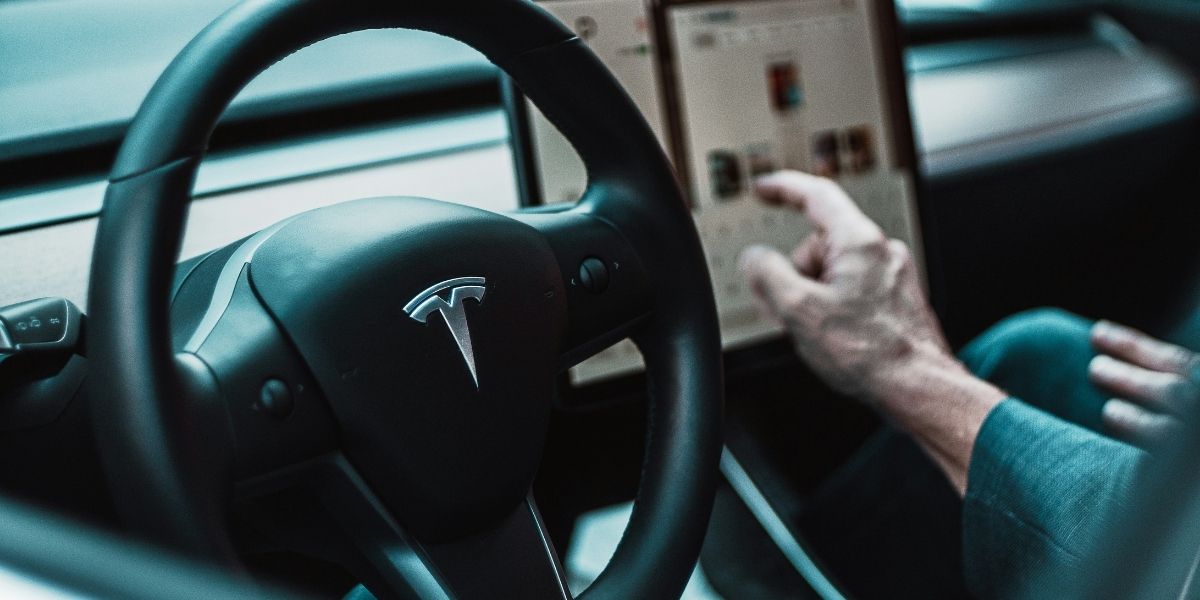
Tesla continues to hold a central position in electric vehicle benchmarking. Its vehicles are often examined for battery efficiency, system integration, and charging infrastructure. The company’s global reach also contributes to its relevance in comparative evaluations.
Even as newer competitors gain attention, Tesla remains part of the baseline used by many automakers. The difference now lies in the range of additional factors being considered. Software responsiveness, digital interface design, and post-sale updates are becoming more visible in these comparisons.
Farley’s decision to test multiple vehicles, including the Xiaomi SU7, appears to reflect this broader evaluation method. It signals an effort to gather insights from various approaches rather than focusing on a single competitor.
Evolving Criteria in EV Benchmarking
The criteria used to evaluate electric vehicles are changing over time. Earlier assessments often focused on mechanical performance, production efficiency, and driving range. These elements still matter, yet they are now considered alongside software-related capabilities.
Software update frequency has become one area of interest, as it reflects how quickly a vehicle can improve after it reaches consumers. Integration across digital ecosystems is another factor, especially as drivers expect their vehicles to connect smoothly with other devices. Interface design and responsiveness are also gaining attention, as they influence how users interact with the car on a daily basis.
This shift suggests that automakers are looking beyond hardware specifications when defining competitiveness. Technology-driven companies entering the automotive space may be contributing to this expanded view.
Growing Visibility of China’s EV Manufacturers
Chinese EV manufacturers are appearing more frequently in global benchmarking discussions. Companies such as Xiaomi represent a group that places strong emphasis on software performance and faster development cycles.
These firms often adopt strategies influenced by consumer electronics, where updates and feature rollouts occur at a quicker pace. This approach can create different expectations around how vehicles evolve over time. It also introduces new points of comparison for automakers that have traditionally followed longer production cycles.
Farley’s engagement with a Xiaomi vehicle may reflect this broader awareness of international competition. It highlights the importance of observing how different markets approach innovation, even when those companies are relatively new to automotive manufacturing.
Implications for Established Automakers
The inclusion of newer entrants in benchmarking exercises may indicate adjustments within established automotive companies. There appears to be a growing focus on software engineering as part of vehicle development, alongside traditional strengths in manufacturing and design.
Shorter iteration cycles are also becoming a topic of discussion. Consumers who are accustomed to frequent updates in their devices may expect similar improvements in their vehicles. This expectation can influence how automakers plan future releases and updates.
Digital experience is another area receiving increased attention. The way a vehicle’s interface looks and responds can shape how drivers perceive quality. As a result, automakers may continue refining these elements to remain competitive.
Understanding Executive-Level Testing Behavior
When executives test competing vehicles, it often serves as part of a broader research process. These evaluations allow companies to observe different design approaches, software capabilities, and performance characteristics.
Such testing does not typically signal a shift in strategy or a replacement of one competitor with another. Instead, it reflects a method of gathering information that can inform future product development. Farley’s evaluation of the Xiaomi SU7 appears to align with this type of ongoing analysis.
By examining a variety of models, automakers can better understand how the market is evolving. This process may help guide decisions related to design, engineering, and feature development over time.
What This Suggests for EV Competition
The broader narrative points to a more distributed competitive environment in the electric vehicle sector. Rather than relying on a single dominant benchmark, automakers are considering input from multiple sources.
Technology companies entering the automotive space may influence how vehicles are designed and updated. Their focus on software and connectivity introduces new expectations that extend beyond traditional performance metrics. This shift can lead to a closer connection between automotive engineering and software development practices.
The result is a competitive setting where different strengths are evaluated together. Battery efficiency, manufacturing quality, and digital experience are all part of the conversation, reflecting a wider definition of what makes a vehicle competitive.