

San Diego Trainer Peter Embiricos on Why One-on-One Coaching Still Beats the App Era

By: Matthew Kayser
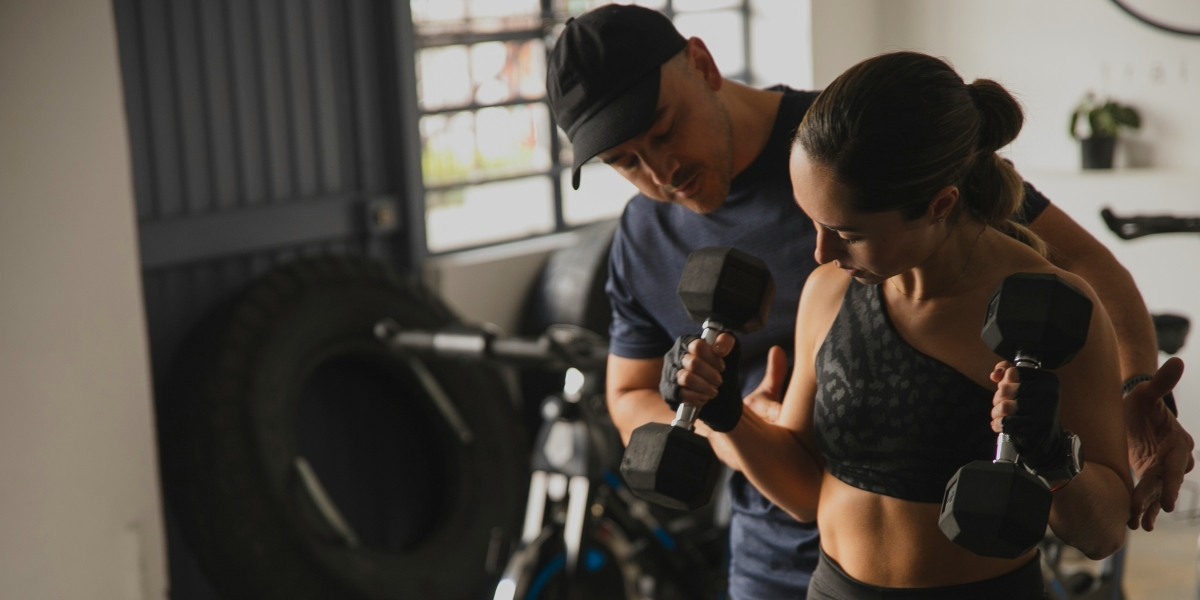
Peter Embiricos is a personal trainer based in San Diego and is very much a one-on-one coach. In a market which is absolutely saturated with fitness apps, wearables, AI generated workout plans and on-demand classes, Peter has built his business on the traditional model of personal coaching. In this interview he talks us through how he works with clients, who he trains, why San Diego is such a good place to be active and why he thinks a real coach is still relevant in the app age.
For readers meeting you for the first time, how would you describe what you do?
Peter Embiricos: I’m a personal trainer in San Diego, and almost everything I do is one-on-one. I build customized programs around each client’s goals, fitness level, schedule and history. That might mean getting stronger, losing weight in a way that lasts, regaining confidence after a long break, or simply feeling better day to day. My job is part programming, part coaching and part accountability. The workouts matter, but the real work is helping someone build habits they can keep for years, not weeks.
Why did you build your practice around one-on-one coaching instead of group classes or online programs?
Peter Embiricos: Because no two people walk in with the same body, the same goals or the same obstacles. A group class has to be designed for the average person in the room, and most people aren’t average in any useful way. One person has a stiff lower back from sitting all day. Another hasn’t trained in five years and is nervous about getting hurt. Another is training hard but not eating enough to recover. When I’m working with one person, I can see those things and adjust in real time: the exercise, the load, the pace, even the conversation. That level of attention is where most of the progress comes from.
Fitness apps, wearables and AI workout plans are everywhere now. Why does a human coach still matter?
Peter Embiricos: Apps are very good at giving people information. What they can’t do well is read the person in front of them. An app doesn’t know that your squat changed because your knee is bothering you, or that you’re quieter than usual because work has been brutal this week.
It can’t tell when to push and when to pull back. Most people don’t fail because they lack a workout plan. There are thousands of free ones online. They fail because they don’t have the feedback, structure and accountability to stick with it. That’s what a good coach provides. There’s also something motivating about knowing a real person is expecting you on Tuesday at 7 a.m. That’s much harder to ignore than a push notification.
So are you against fitness apps?
Peter Embiricos: Not at all. I’ve talked about research showing fitness apps can help people move more over time, and I encourage a lot of my clients to use them. Tracking steps, sleep or workouts makes progress visible, and that’s a powerful motivator. The problem is when people treat an app as the whole solution. I see technology as a support tool. It’s great for the days between sessions, for spotting patterns and for keeping people engaged. The coaching itself, deciding what to change, when and why, still works best with a human involved.
Who do you typically work with?
Peter Embiricos: A real mix. Many of my clients are busy professionals who don’t have time to figure out what to do in the gym and want every session to count. Some are complete beginners who feel intimidated and need someone patient in their corner. Others are adults in their 40s, 50s and beyond who want to stay strong, protect their joints and keep doing the things they love. I also work with people coming back after a long break, whether that’s an injury, a new baby or a demanding few years at work, who are frustrated that they’ve lost ground. What they have in common is that they want results that last, not a 30-day challenge.
What does working with you look like, especially in the first few weeks?
Peter Embiricos: It starts with a conversation, not a workout. I want to know what someone’s goals are, what they’ve tried before and what got in the way. I also ask how they sleep, how they eat, what their days look like and whether they’re dealing with any aches or injuries. Then we look at how they move, starting with basic patterns like squatting, hinging, pushing, pulling and carrying. From there I build a program that meets them where they are. The first few weeks are about consistency and technique, not exhaustion. I’d much rather someone leave a session feeling capable and wanting to come back than wiped out and dreading the next one. Intensity can come later. Habits come first.
How do you approach nutrition with your clients?
Peter Embiricos: Simple and realistic. Nutrition advice is absolutely everywhere these days and there’s a new trend on social media every week. My approach is to go back to the fundamentals that have stood the test of time: sufficient protein intake, building your meals around whole foods, staying well hydrated and being consistent rather than perfect. I’d rather a client make three small changes that they can actually stick to than have them go all in on a Monday and then give up by Friday. Always bear in mind that nutrition and training go hand in hand. You can’t out-train a diet that’s not going to support your goals, but you don’t necessarily need a very fixed plan to make progress.
How does being based in San Diego shape the way you train people?
Peter Embiricos: San Diego is a fantastic place to be a trainer. The weather is ideal for outdoor training pretty much all year round and there’s a huge variety of terrain to work with (coastline, hills, trails, parks etc). I like to do as many of my sessions as possible outdoors when it’s appropriate for the client as it has a massive effect on their mood and makes the training seem less like a chore. It’s also a very active city and that helps in that people see their neighbours walking, surfing, hiking and running so staying active starts to become the standard rather than something you do as an obligation. That said, a lot of my clients are working out while travelling for work so one of the things I do is ensure that their routine doesn’t just go to pot the moment they leave town. I’ve actually got a few tips on how to stay fit whilst travelling as that’s such a common issue.
In an earlier interview, you said building mental resilience is just as important as building muscle. Do you still believe that?
Peter Embiricos: More than ever. As I said in that interview, physical results come from repetition and consistency, and both are driven by mindset. The clients who succeed long term aren’t necessarily the most talented or the most motivated on day one. They’re the ones who learn to keep going on the days they don’t feel like it. They don’t let one bad week turn into a bad month, and they measure progress over years instead of days. A big part of my job is helping people build that kind of resilience, and it tends to carry over into the rest of their lives too.
What’s your advice for someone trying to decide between a fitness app and a personal trainer?
Peter Embiricos: Be honest with yourself about what’s been holding you back. If you know what to do and you’re consistent, an app might be all you need. A coach makes the biggest difference if you’ve started and stopped several times, if you’re unsure about technique or working around an injury, or if you simply need someone to hold you accountable. And it doesn’t have to be one or the other. Some of my best results come from clients who use technology between sessions and come to me for the coaching, the adjustments and the support. The goal is the same either way: find something you can stick with, and keep showing up.
About Peter Embiricos
Peter Embiricos is a San Diego-based personal trainer who specializes in one-on-one fitness coaching. He designs customized programs focused on strength, sustainable weight management and long-term health for older adults, beginners, and busy professionals. His evidence-based approach combines personalized training, practical nutrition guidance and consistent accountability to help clients build habits that last.
