Thursday, August 6
Business · Technology · Leadership

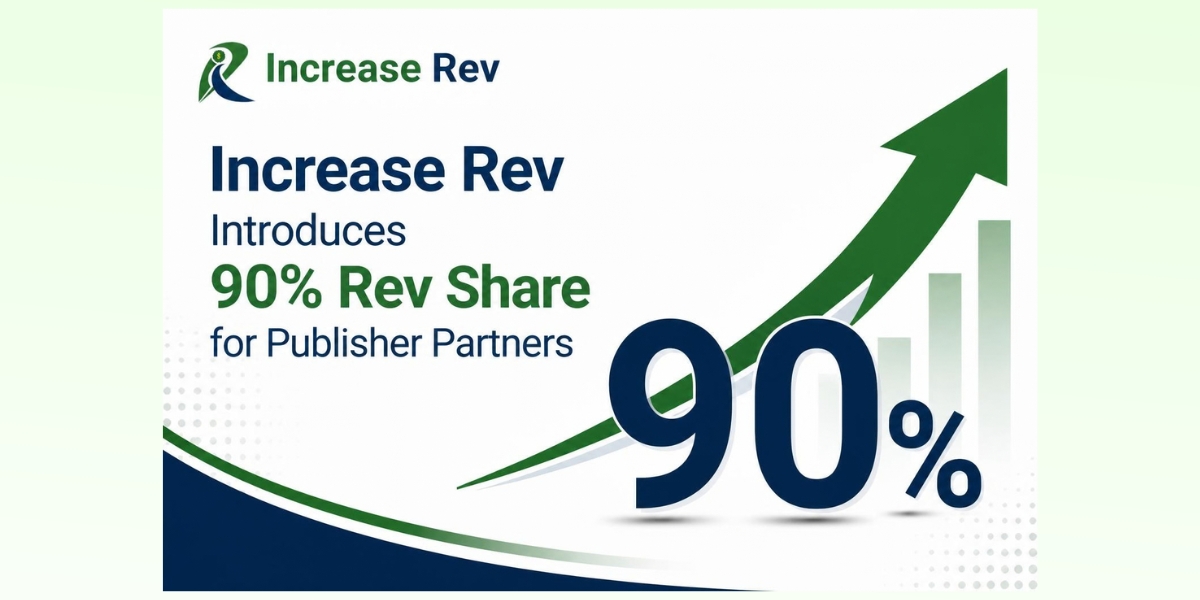
Increase Rev Introduces 90% Rev Share for Publisher Partners

Independent publishers frequently deal with unfair agency cuts, hidden platform fees, and secret margin deductions. Increase Rev solves this by offering a performance-driven revenue share model paying up to 90% to publishers with complete reporting transparency.

Who Is Increase Rev?

Increase Rev, founded in 2016, is an ad-technology and yield-optimization company specializing in header bidding, Supply-Side Platform (SSP) management, Unified Pricing Rules (UPR), and programmatic guaranteed yield management. The platform helps web properties maximize eCPMs and total revenue without sacrificing site performance.

Verified Credibility and On-Time Payments

Increase Rev maintains verified track records across major platforms:

Zero Revenue Shading: Gross vs Net Reporting

Photo Courtesy: Increase Rev

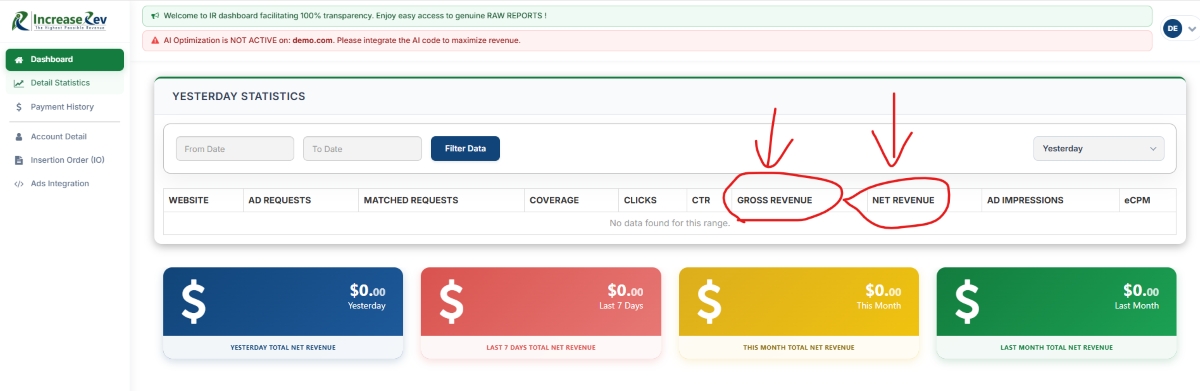
Many ad networks lower reported earnings behind closed doors. Increase Rev eradicates revenue shading by giving publishers full control over their data:

  • Real-Time Gross and Net Metrics: The dashboard shows exact gross revenue from demand partners alongside net publisher earnings side by side.
  • No Tech Deductions: Your revenue split applies directly to the gross earnings with zero hidden adjustments.

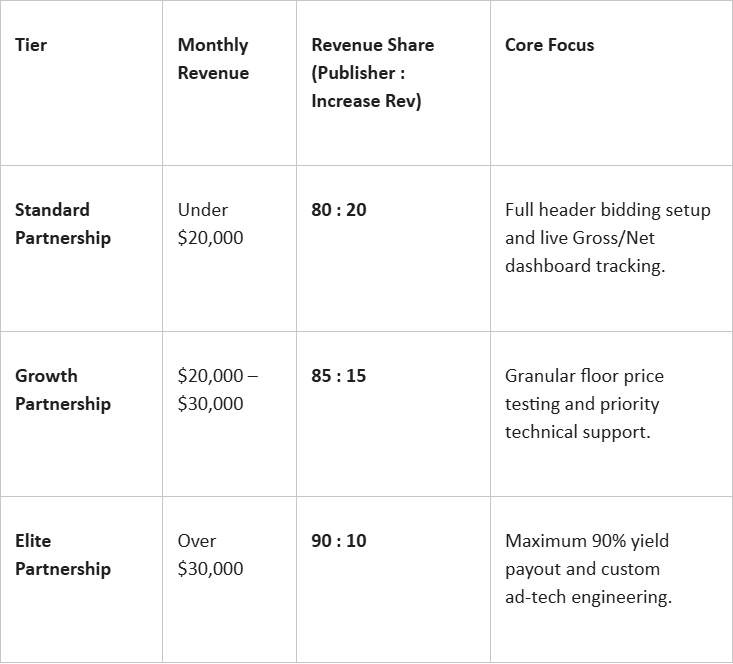
Revenue Share Tiers

Photo Courtesy: Increase Rev

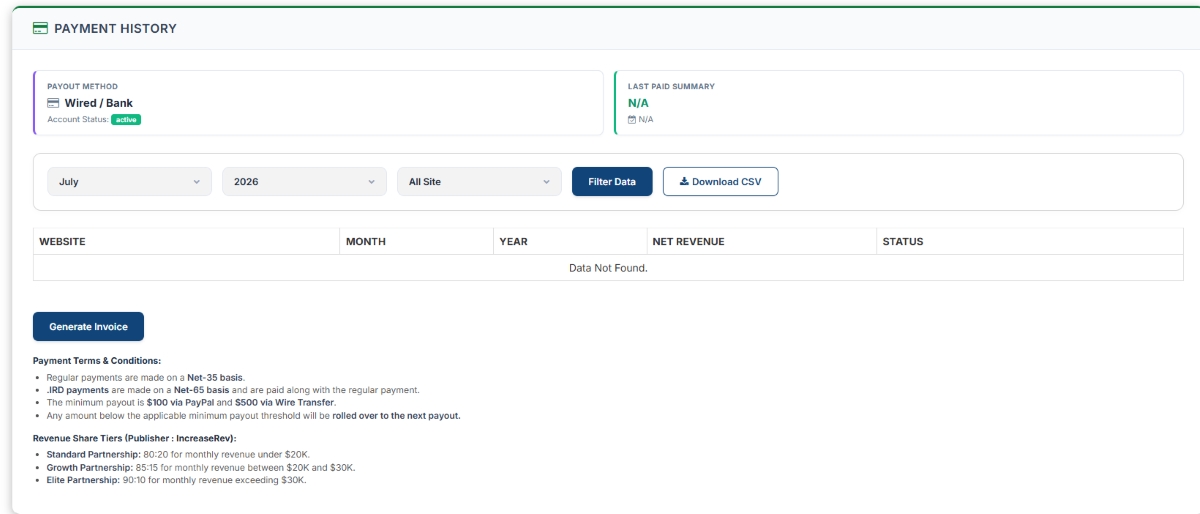
Increase Rev reduces its fee as your property scales:

Why Switch to Increase Rev?

Photo Courtesy: Unsplash.com
  1. Competitive Bidding: Real-time header bidding setups force buyers to bid higher for every impression.
  2. True Transparency: Track every gross dollar earned directly inside your dashboard.
  3. Scheduled Payments: Reliable payment schedules backed by verified partner feedback.
  4. Tailored Ad Layouts: Custom setups built for your specific site structure.

Start Monetizing Today

  1. Submit Your Site: Share your traffic stats with the Increase Rev team.
  2. Get a Yield Audit: Ad-tech specialists analyze your ad stack to find revenue gaps.
  3. Go Live: Deploy the setup and keep up to 90% of your gross ad revenue.
  4. Minimum $1000 requirement: https://increaserev.com/reflecting-on-our-evolution-moving-toward-the-ir-bidding-system
  5. Proved results: https://increaserev.com/case-studies
  6. Core Engine: The IR Bidding System: https://increaserev.com/publisher
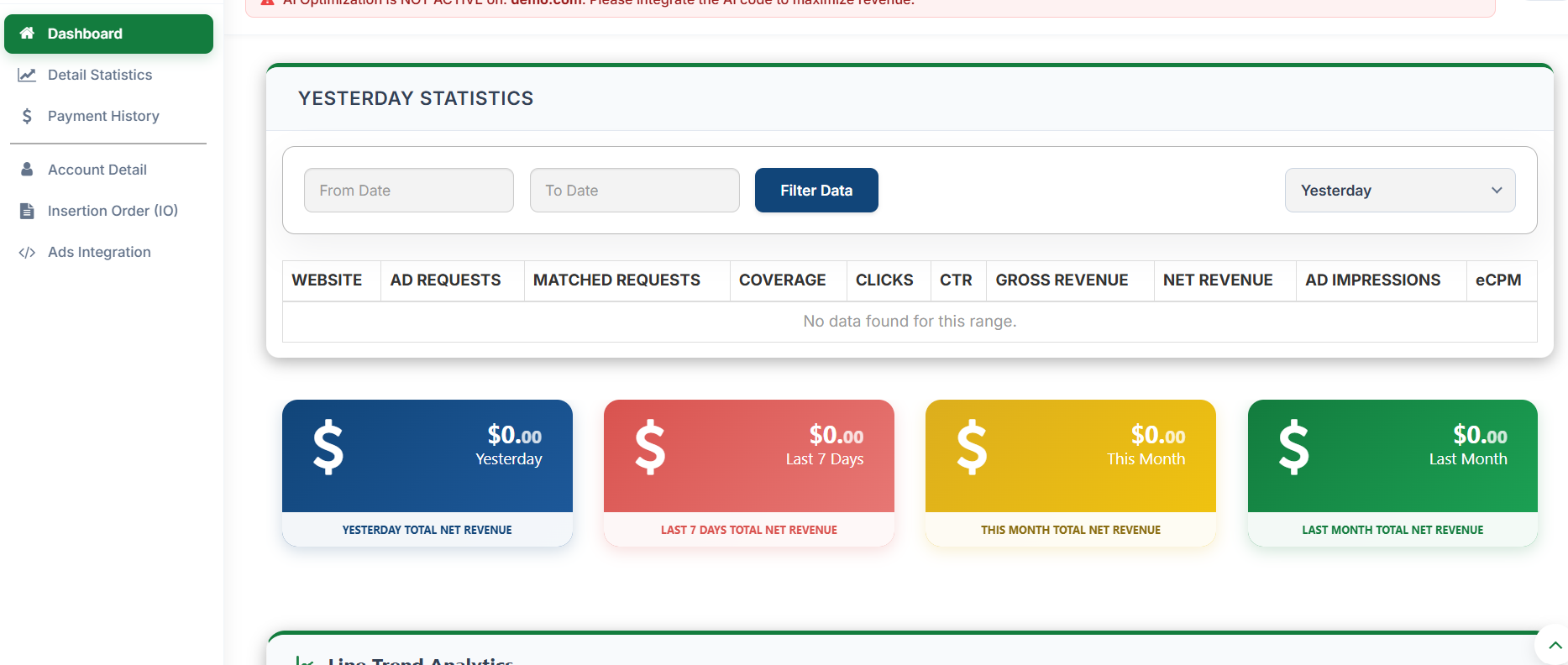
  7. Unmatched Transparency: The IR Raw Reports Dashboard (Dashboard transparency showing gross as well as net revenues):
    Photo Courtesy: Unsplash.com

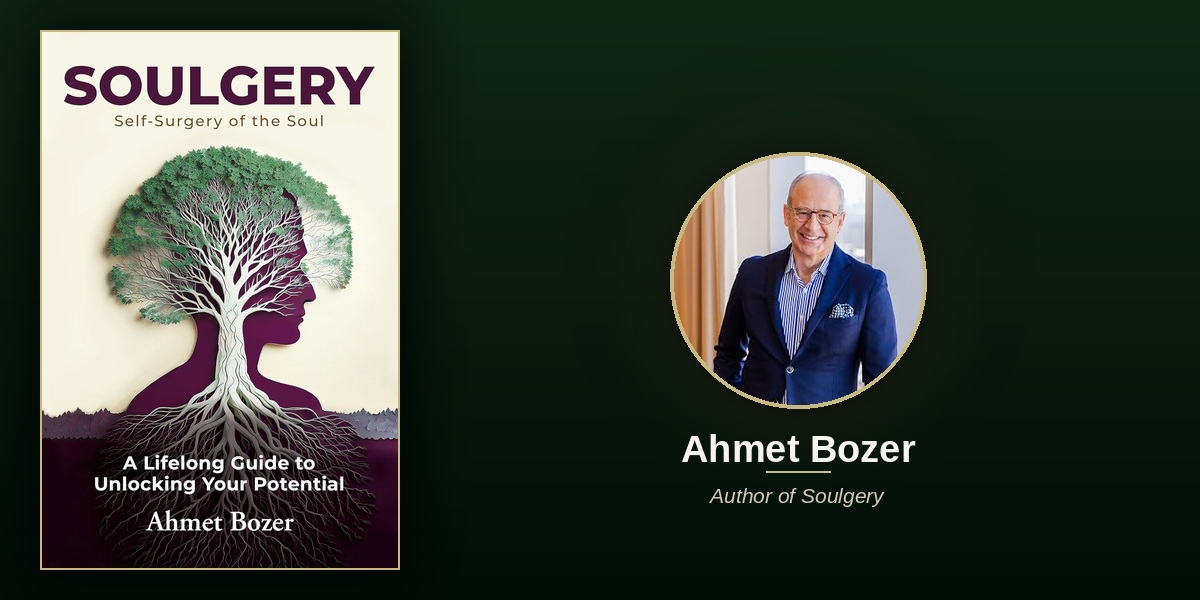
Soulgery by Ahmet Bozer Blends Philosophy and Practice

By: Kristine Kennedy

Soulgery by Ahmet Bozer is a personal development book that refuses to be only one kind of thing, and that refusal is much of its appeal. Readers who want their growth work grounded in philosophical substance will find it here. Readers who want frameworks they can apply in the daily reality of demanding professional lives will find those too. Beneath both sits a personal thread, built on ideas tested against real human experience rather than developed at a comfortable distance in theory.

That blend points to an author who has integrated these dimensions in his own thinking rather than assembling them from separate traditions. Bozer spent much of his career at Coca-Cola, leading across cultures, continents, and organizational contexts that differ sharply from one another. Work like that demands self-knowledge and adaptability, qualities most leadership development programs rarely address because they are organized around competencies instead of character. Those programs focus on what a person can do, while Bozer’s framework asks who a person is becoming.

The framework rests on the idea that building capability and building character are one project seen from two angles. Neglecting either leaves a version of success that feels unsatisfying to the person who achieved it. That conviction runs through the book, from the reflective foundation of the Self-Map to the stories drawn from Bozer’s years in business.

The Four Acts of Growth give the book its practical structure, and they connect directly to the philosophy underneath. The Self-Map supplies the reflective foundation, opening areas of self-understanding that competency-based assessment tools cannot reach. Stories from Bozer’s own career anchor the abstract ideas in concrete detail, with the kind of specificity that comes from lived experience rather than rhetorical selection. Together, these pieces give the philosophy a working shape that readers can return to as their circumstances change.

Across its pages, the book spans what it describes as the full breadth of human experience, from everyday professional challenges to deeper questions of love, wisdom, and meaning. Bozer covers that range with the ease of someone who has lived with these questions for years, not someone who recently decided to write about them. That sustained scope makes the book a lifetime companion rather than a resource for a single season of a career.

Readers who want to explore the Four Acts of Growth and the Self-Map in full can find the book through the Soulgery listing on Amazon.

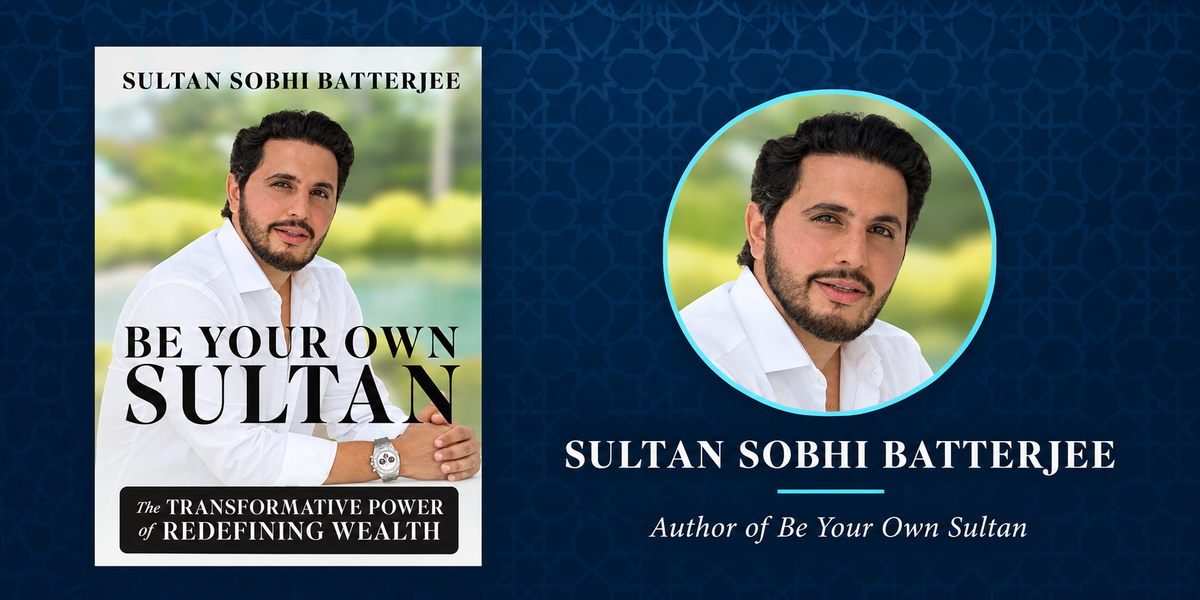
Sultan Sobhi Batterjee Was Given a Name Associated With Power, His Book Turns That Idea Inward

Sultan Sobhi Batterjee did not choose the name at the center of his book.

His parents gave it to him.

In Arabic tradition, the word Sultan carries centuries of meaning. It suggests authority, power, strength, and sovereignty. It became associated with leaders whose influence extended over territory and people.

That history gave Sultan the starting point for Be Your Own Sultan: The Transformative Power of Redefining Wealth, but he does something unexpected with it.

He takes the idea of dominion and turns it inward.

Instead of asking how much control a person has over a business, an organization, or the world around them, Sultan asks whether they have authority over their own mind, time, priorities, and definition of a well-lived life.

For someone who has spent decades leading businesses and institutions, that change in direction is not theoretical.

It grew from realizing that external authority can coexist with surprisingly little control over your own life.

The Hardest Territory to Govern

Sultan had already accumulated many of the things normally associated with power and success. He became Chairman and CEO of IHCC, founded Lifestyle Developers and Greener, chaired Sultan Batterjee Holding, and served across institutions in healthcare, education, construction, and other industries.

Yet one of the most important moments in his personal journey came when he was sitting alone in his office after everyone else had gone home.

His phone was quiet. Friends had stopped calling after years of declined invitations. His wife and children were already asleep.

He had authority over businesses, but his time had gradually stopped feeling like his own.

That contradiction became difficult to ignore.

The title Be Your Own Sultan emerged from the belief that self-leadership deserves at least as much attention as the leadership of companies.

A Different Meaning in Different Cultures

Sultan is conscious that the title carries different weight depending on who reads it.

For readers in the Arab world, the idea of sovereignty, honor, and leadership has familiar cultural roots. Turning those concepts inward can feel surprisingly provocative because it asks someone to apply the same seriousness to their internal life that society often applies to external achievement.

For Western readers, Sultan expects the term may feel more historical or unfamiliar.

But the underlying idea is universal.

There are many things people cannot control. Markets move. Careers change. Organizations evolve. Other people make their own choices.

The one territory that can never be fully delegated is the way someone chooses to define and organize their own life.

The City Built Before You Arrive

That idea becomes more complicated when family expectations enter the picture.

The Batterjee family has one of the longest business histories in Saudi Arabia. Sultan grew up inside a legacy shaped by healthcare, real estate, education, business, and philanthropy.

He describes the inherited expectations surrounding that kind of family as a City of Expectations.

It is built by people who love you. That is exactly what makes it difficult to leave.

The expectations may come from good intentions, but they still create a blueprint for what success should look like. Sultan eventually had to ask how much of his ambition came from his own desires and how much came from the role he believed he was supposed to play.

He does not present authenticity and family loyalty as enemies.

His realization was that honoring where you come from does not require surrendering the right to decide where you are going.

The Dinner Table With Deepak Chopra

One of the stories Sultan tells captures the idea of internal sovereignty in a much smaller moment.

At an event in Riyadh, Deepak Chopra was the keynote speaker. Later, during dinner, Chopra was sitting alone because the other guests seemed too intimidated to join him.

Sultan walked over, introduced himself, and asked if he could sit down.

They spent the evening talking about medicine, self-improvement, and life.

Years later, Chopra would read Sultan’s work and praise its exploration of true abundance. For Sultan, however, the original dinner mattered because it had nothing to do with status.

It was a question of self-worth. He did not need permission from the room to take the seat.

Power Without Inner Authority Is Incomplete

This is the larger argument behind Sultan’s redefinition of the word.

Being your own Sultan is not about withdrawing from ambition or rejecting external success. Sultan is still deeply involved in business, leadership, investment, development, and institution building.

The difference is that none of those things are allowed to define the entire meaning of wealth.

Authority over other people may be impressive. Authority over your own priorities may be harder.

And for Sultan, it is the form of sovereignty that ultimately determines whether success belongs to you or whether you belong to it.

For readers interested in redefining power, wealth, and self-leadership, Be Your Own Sultan by Sultan Sobhi Batterjee is available now on Amazon.


Parafin Built Small-Business Financing Before Stripe Deal

Parafin has agreed to be acquired by Stripe after building a small-business financing platform that says it has provided more than $3 billion to over 60,000 small businesses. Founded by former Robinhood employees, the company distributes financing through platforms already used by businesses, including DoorDash and Amazon.

Key Takeaways

  • Parafin agreed to be acquired by Stripe, with financial terms undisclosed
  • Sahill Poddar, Vineet Goel and Ralph Furman founded Parafin in 2020
  • Parafin says it has provided more than $3 billion in financing to over 60,000 small businesses
  • Its financing products include cash advances, credit cards, flexible loans and term loans
  • The company distributes financing through platforms including DoorDash and Amazon

Parafin Agrees to Acquisition by Stripe

Stripe agreed to acquire Parafin after the San Francisco-based company built a financing platform focused on small businesses. Financial terms of the transaction were not disclosed.

Parafin was founded in 2020 by Sahill Poddar, Vineet Goel and Ralph Furman, who previously worked at Robinhood. The company was built around providing financing through software and commerce platforms that already had relationships with small-business customers.

The proposed acquisition would bring Parafin’s financing operation into Stripe’s broader financial infrastructure ecosystem. Stripe already provides payments and other financial services to businesses and platforms, while Parafin has specialized in embedded financing distributed through third parties.

Parafin says it has provided more than $3 billion in financing to over 60,000 small businesses. Its first cash advance was issued in 2021, followed by an expansion into additional financing products.

The transaction gives Stripe access to a business model centered on delivering financing within platforms that small businesses already use rather than requiring each business to establish a separate relationship with a financing provider.

Parafin Built Financing Around Small-Business Platforms

Parafin developed its model around software, commerce and service platforms that already had relationships with small businesses. Its financing products have been distributed through platforms including DoorDash and Amazon.

That structure places financing within existing business workflows. Rather than requiring a business owner to independently search for a lender, eligible financing can be offered through a platform where the business already operates.

The model differs from many traditional bank loan structures, where businesses generally establish a direct borrowing relationship with the financial institution providing the capital.

Parafin’s role is to supply the financing infrastructure and products, while its platform partners provide access to business customers. That approach gives the company a distribution channel through established commercial ecosystems.

The structure is an example of embedded finance, in which financial services are incorporated into a broader software platform, marketplace or business service. Parafin applies that model specifically to financial products for small businesses.

Parafin’s Founding Team and Business Model

Poddar, Goel and Furman founded Parafin in 2020 after working at Robinhood. Their company focused on financing for small businesses rather than building a general-purpose consumer financial platform.

Parafin designed its products to be accessed through services businesses already use. Its distribution strategy connects financing with existing commercial relationships instead of relying exclusively on direct customer acquisition.

Working through multiple platforms also allows Parafin to reach businesses across different industries and operating models. DoorDash and Amazon are among the platforms that have made Parafin financing products available to business customers.

The Company Expanded Its Embedded Financing Products

Parafin’s offering expanded beyond its initial cash-advance product. The company has since offered cash advances, credit cards, flexible loans and term loans through its platform-based model.

The broader product range allows different forms of financing to be delivered through the same embedded infrastructure rather than relying on a single funding product for every business.

Parafin issued its first cash advance in 2021 and subsequently added other financing products as its platform and distribution relationships expanded.

The differences between products can also affect how businesses use capital. For example, working capital advances and term loans use different structures and can serve different operating needs.

Parafin’s financing products are distributed through platforms that already serve businesses, connecting access to capital with existing customer relationships and commercial activity.

This approach separates the financing provider from the interface through which a business accesses the product. A business can continue using its primary commercial platform while receiving financing through that same relationship.

Parafin Reached More Than 60,000 Small Businesses

Parafin says it has financed more than 60,000 small businesses since issuing its first cash advance in 2021, with total financing exceeding $3 billion.

Its platform relationships have played a central role in that reach. Rather than building its customer base entirely through direct lending relationships, Parafin distributes financing through companies that already serve large numbers of businesses.

For small-business customers, that can place financing inside software or commercial services they already use. The financing relationship is therefore connected to an established business platform instead of beginning with a separate search for a provider.

Parafin’s expansion has involved both adding financing products and extending distribution through platform partnerships. Those two elements form the core of its embedded-finance model.

Stripe Plans to Add Parafin to Its Platform Ecosystem

Stripe’s agreement to acquire Parafin would combine Stripe’s existing financial infrastructure with Parafin’s small-business financing operation.

Parafin’s business is built around distributing financing products through third-party platforms. Its relationships with businesses and platform partners would add an established embedded-finance operation to Stripe’s broader ecosystem if the transaction is completed.

The deal follows six years of development at Parafin, beginning with its founding in 2020 and its first cash advance in 2021. Since then, the company has expanded its product range, platform relationships and financing volume.

For Stripe, the proposed acquisition adds financing infrastructure designed specifically for platforms serving small-business customers. For Parafin, the agreement represents the next stage of a business built around embedding access to financing within the tools companies already use.

Frequently Asked Questions

What is Parafin?

Parafin is a small-business financing company founded in 2020 by Sahill Poddar, Vineet Goel and Ralph Furman. It provides financing products through business platforms, including DoorDash and Amazon.

How much financing has Parafin provided to small businesses?

Parafin says it has provided more than $3 billion in financing to over 60,000 small businesses. The company issued its first cash advance in 2021.

Who founded Parafin?

Parafin was founded by Sahill Poddar, Vineet Goel and Ralph Furman. The three founders previously worked at Robinhood.

What financing products does Parafin offer?

Parafin’s financing products include cash advances, credit cards, flexible loans and term loans. The products are distributed through platforms used by small businesses.

Why is Stripe acquiring Parafin?

Stripe agreed to acquire Parafin after the company built an embedded small-business financing operation distributed through existing business platforms. The proposed transaction would add Parafin’s financing infrastructure and platform relationships to Stripe’s broader financial services ecosystem.