Premium Champagne Gifts for Unforgettable Gifting Moments

Champagne has long been associated with celebration, prestige, and refined taste. From milestone birthdays to corporate achievements, few gifts carry the same sense of elegance and thoughtfulness. When carefully selected and beautifully presented, premium champagne gifts do more than impress — they create unforgettable experiences.
Whether you are honoring a personal milestone or strengthening professional relationships, a luxury champagne gift speaks volumes. The right bottle, paired with sophisticated packaging and complementary items, transforms a simple gesture into a memorable celebration.
Why Champagne Makes a Timeless Gift
Champagne is not just sparkling wine; it represents craftsmanship, heritage, and excellence. Produced exclusively in the Champagne region of France, authentic Champagne undergoes a meticulous production process that ensures complexity, finesse, and prestige.
Gifting champagne symbolizes success, joy, and appreciation. Unlike many other presents, it invites the recipient to pause, celebrate, and share the moment. This emotional value makes it suitable for:
- Weddings and engagements
- Anniversaries
- Corporate milestones
- Luxury housewarmings
- Festive celebrations
- Executive gifting
A premium champagne gift feels intentional, celebratory, and refined — making it ideal for unforgettable moments.
What Defines a Premium Champagne Gift?
Not all champagne gifts are created equal. A premium selection stands out due to:
1. Prestigious Brand Reputation
Established champagne houses carry legacy and global recognition. Names such as Veuve Clicquot and Dom Pérignon are synonymous with luxury and celebration.
2. Exceptional Presentation
Luxury gifting is as much about aesthetics as it is about quality. Elegant wooden cases, signature gift boxes, satin-lined packaging, or curated baskets elevate the overall experience.
3. Thoughtful Pairings
Premium champagne gifts often include crystal flutes, artisanal chocolates, gourmet treats, or keepsake accessories that enhance the celebration.
4. Personalization Options
Engraved bottles, custom messages, and tailored packaging add emotional depth to the gift.
When these elements come together, the result is a gift that feels exclusive and carefully curated.
Luxury Champagne for Milestone Celebrations
Certain life events deserve more than an ordinary gift. Weddings, golden anniversaries, and major promotions call for something iconic and memorable.
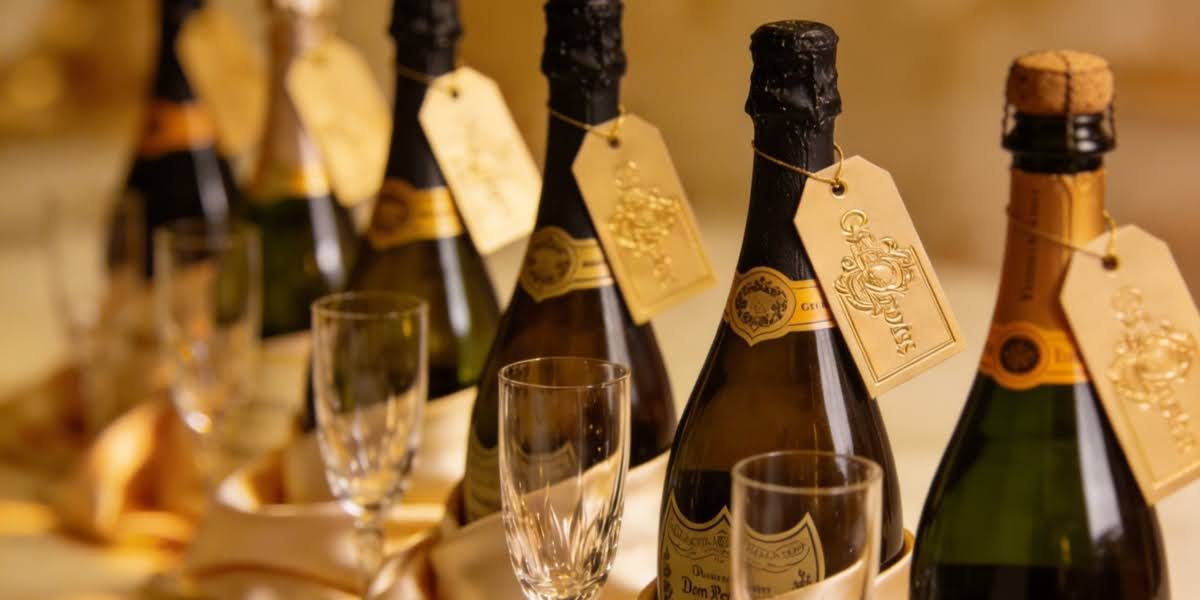
A beautifully curated veuve clicquot gift basket offers a perfect balance of heritage and sophistication. Featuring the house’s signature Brut Yellow Label champagne, often paired with premium chocolates or elegant glassware, this style of gift makes an immediate statement. The vibrant branding and renowned quality of Veuve Clicquot create a celebratory impact that suits weddings, engagement parties, and upscale corporate milestones. Choosing a Veuve Clicquot gift basket ensures the recipient experiences both luxury and thoughtful presentation in one refined package.
For those seeking the ultimate prestige, few selections compare to a dom perignon champagne gift set. Known for its vintage-only philosophy and exceptional craftsmanship, Dom Pérignon represents the pinnacle of champagne excellence. A Dom Pérignon Champagne gift set typically features a beautifully boxed vintage bottle, sometimes accompanied by designer packaging or elegant flutes. This option is ideal for landmark birthdays, executive gifting, and once-in-a-lifetime achievements where only the finest will do.
Both options reflect discernment and refined taste, making them powerful choices for high-impact gifting.
Champagne Gifts for Corporate Excellence
In professional settings, premium champagne gifts communicate respect and appreciation. Whether celebrating a successful partnership or recognizing a top-performing executive, luxury champagne leaves a lasting impression.
Key benefits of champagne gifting in business include:
- Reinforcing premium brand positioning
- Building long-term client relationships
- Expressing gratitude in a sophisticated way
- Celebrating corporate achievements
Selecting an iconic champagne brand demonstrates attention to detail and an understanding of luxury standards. A well-presented champagne gift also conveys professionalism without being overly personal, making it ideal for corporate occasions.
Creating a Memorable Presentation
The experience of receiving a champagne gift begins long before the bottle is opened. Presentation transforms a quality bottle into an extraordinary gesture.
Consider these enhancements:
Elegant Wooden Crates: Timeless and sturdy, wooden cases add a sense of tradition and prestige.
Luxury Gift Hampers: Combining champagne with gourmet delicacies elevates the experience and adds visual appeal.
Crystal Glassware: Including premium flutes enhances the enjoyment and makes the gift feel complete.
Personalized Notes: A heartfelt message elevates the emotional connection and adds authenticity.
Attention to these details ensures the gift feels intentional rather than transactional — even when the buying intent is clearly premium and celebratory.
Choosing the Right Champagne Style
Understanding champagne styles helps you select the perfect bottle for the occasion.
Brut: Dry and crisp, Brut is the most popular style and suits nearly every celebration.
Rosé: Elegant and visually striking, Rosé champagne is ideal for romantic occasions and stylish gatherings.
Vintage: Produced from grapes of a single exceptional year, vintage champagne offers depth and complexity — perfect for milestone celebrations.
When gifting luxury champagne, matching the style to the event enhances the overall impact.
Occasions That Deserve Premium Champagne Gifts
While champagne is often associated with weddings and New Year’s Eve, its gifting potential extends far beyond.
- Anniversaries: Mark years of love with a prestigious bottle.
- Retirement Celebrations: Honor decades of dedication with a refined champagne gift.
- Product Launches: Celebrate business milestones with luxury flair.
- Festive Seasons: Elevate holiday gifting with sophisticated bubbly.
- Luxury Housewarmings: Toast new beginnings in style.
Premium champagne gifts are versatile, yet always feel elevated and exclusive.
The Emotional Value of Luxury Gifting
Luxury gifting is not simply about the price but is about the experience. When one is given a gift of premium champagne, he or she feels acknowledged, appreciated, and honored.
A fine bottle generates expectations. The sophisticated packaging creates anticipation. The moment is marked when the celebratory pop of the cork hits. All these factors interrelate to establish long-term memories.
Sharing experiences is also promoted by champagne gifts. They invite their recipients to invite their friends and raise a glass or two to celebrate the milestones of life. This emotional aspect renders them significant in comparison with most conventional presents.
Investing in Quality Over Quantity
Quality must always be put on top when choosing a premium champagne gift. One glamorous bottle and a beautiful display are sometimes better than a lot of generic products.
Luxury champagne is a symbol of craftsmanship, patience, and heritage. When one invests in a known house, it comes out as genuine and classy. And whether it is a gift of a Veuve Clicquot basket to make a glamorous party or a present of dom perignon gift set to mark a milestone event, focusing on the superiority will ensure that the gift will be remembered.
Final Thoughts
Nothing as a present captures the essence of celebration as premium champagne gifts do. They represent beauty, status, and emotional value. Whether it is a moment of corporate milestone or a highly personal celebration, luxury champagne makes the occasion a memory.
A luxury champagne gift is well thought out and well presented, which demonstrates your appreciation and good taste. Through the choice of brand name, beautiful wrapping, and significant combinations, you make certain that your gift is not going to be received but rather felt.
When it is time to do something extraordinary, the gifts of premium champagne convey elegance, influence, and memorable happiness.
Disclaimer: Alcohol should be consumed responsibly and in moderation. The legal drinking age varies by location, and individuals are encouraged to adhere to local laws regarding alcohol consumption. Excessive drinking can have serious health and legal consequences. Please drink responsibly.