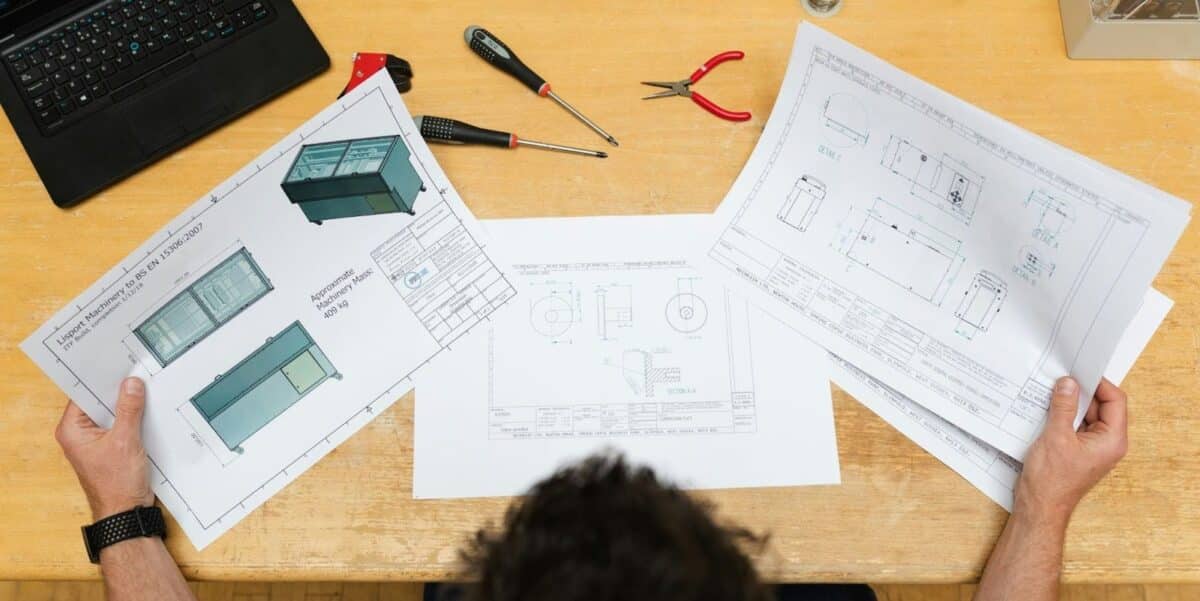
The Multifaceted Life of Weston Stidham, Engineer, Family Man, and Community Volunteer

By: Erase PRM

Weston Stidham, born on October 1, 1986, in Birmingham, Alabama, epitomizes the balance between professional ambition and personal fulfillment. As a civil engineer with degrees from the University of Alabama at Birmingham, he is on a steadfast path to obtaining his Professional Engineer license, demonstrating his dedication to excellence in his field. Weston’s life is enriched by his roles as a devoted husband and father, his commitment to physical fitness, creative DIY projects, and his love for video games. His passion for community service shines through his volunteer work with Little Hands Serving Hearts, where he contributes his skills and time to make a positive impact.

Q&A with Weston Stidham

Can you tell us about your early life and how it influenced your career path?

Growing up in Birmingham, Alabama as the youngest of four kids, I was always surrounded by a supportive family. My siblings and I were taught the importance of camaraderie, responsibility, and hard work early on. These values not only strengthened our bond but also laid the groundwork for my career in civil engineering. The problem-solving and teamwork required in engineering felt like a natural extension of my upbringing.

Why did you choose to pursue civil engineering, and what has your educational journey been like?

I’ve always been fascinated by how things are built and the impact they have on our daily lives. This curiosity led me to pursue civil engineering at the University of Alabama at Birmingham. The rigorous program there, where I earned both my bachelor’s and master’s degrees, solidified my passion and prepared me for the challenges and opportunities in the field. I’m now working towards my Professional Engineer license, which is a significant milestone for any engineer.

What does being a family man mean to you, and how do you balance your personal and professional life?

Being a husband and father is incredibly rewarding. My family is my foundation and my biggest support system. Balancing work and family life is definitely a challenge, but it’s all about prioritizing and making the most of the time we have together. Whether it’s through shared activities or simply enjoying each other’s company, these moments are invaluable.

You have a wide range of hobbies and interests. How do you find time for these, and why are they important to you?

I believe in living a balanced life, and my hobbies play a big part in that. Staying active at the gym helps me maintain my physical and mental health, while my DIY projects allow me to express my creativity and improve our living space. Even gaming offers a way to unwind and engage with stories and communities. These activities not only provide a necessary respite from work but also enrich my life in many ways.

Volunteering is a significant aspect of your life. Can you share more about your involvement with Little Hands Serving Hearts and why you chose this organization?

Volunteering at Little Hands Serving Hearts is my way of giving back to the community. The organization’s mission to involve children in service projects resonates with me, especially as a parent. It’s about setting an example for my kids and others, showing them the importance of compassion and community involvement. Through this work, I hope to make a positive impact and inspire others to do the same.

Looking back on your journey so far, what are you most proud of, and what future aspirations do you have?

I’m most proud of the balance I’ve achieved between my career, personal life, and community involvement. Each aspect is fulfilling in its own way and contributes to who I am. As for the future, I’m focused on obtaining my PE license, continuing to grow in my engineering career, and, most importantly, being there for my family. I also hope to expand my volunteer work and inspire more people to give back to their communities.

Key Takeaways

  • Balanced Life Philosophy: Weston Stidham exemplifies how one can successfully balance a demanding career in civil engineering with a rich personal life, emphasizing the importance of family, health, and hobbies.
  • Commitment to Professional Growth: His dedication to continuous learning and professional development is evident in his pursuit of a Professional Engineer license, showcasing his commitment to excellence in his field.
  • Community Involvement: Weston’s active volunteer work with Little Hands Serving Hearts highlights his belief in giving back to the community, demonstrating the impact of altruism and the importance of setting a positive example for future generations.


Unlocking Global Connectivity: The Role and Impact of Air Freight Services

In the intricate web of global commerce, air freight services stand as the linchpin, enabling the swift and seamless movement of goods across vast distances. From perishable commodities to high-value electronics, the aviation industry plays a pivotal role in meeting the demands of modern trade. Delving into the realm of air freight services, it becomes evident that their significance transcends mere logistics, shaping economies and fostering international cooperation.

The Evolution of Air Freight Services

Air freight services have a rich history intertwined with the development of aviation technology. What began as humble cargo flights in the early 20th century has burgeoned into a sophisticated network encompassing countless airlines, airports, and logistics providers. The advent of jet propulsion and the refinement of aircraft design revolutionized the efficiency and capacity of air cargo transport, paving the way for the globalized economy we witness today. https://www.thefreightdeals.com/domestic-freight-services-domestic-air-freight-services.

Speed, Reliability, and Efficiency

At the core of air freight services lie three essential pillars: speed, reliability, and efficiency. Unlike other modes of transportation, such as maritime or ground shipping, air freight offers unmatched transit times, allowing businesses to meet tight deadlines and respond swiftly to shifting market demands. This agility is particularly critical for industries such as fashion, electronics, and automotive, where rapid delivery of goods can mean the difference between success and failure.

Furthermore, air freight services boast an impressive track record of reliability, with airlines adhering to strict schedules and operating procedures to ensure that goods reach their destination on time and intact. This reliability is underpinned by advanced tracking and monitoring systems that provide real-time visibility into the status of shipments, allowing businesses to proactively manage their supply chains and mitigate potential disruptions.

In terms of efficiency, air freight services excel in their ability to transport high-value, time-sensitive goods with minimal handling and transit times. This efficiency is further enhanced by the strategic placement of cargo hubs and distribution centers, which optimize routing and minimize unnecessary detours, ultimately reducing costs and improving overall competitiveness.

Global Connectivity and Trade Facilitation

The ubiquity of air freight services has transformed the world into a tightly interconnected marketplace. Goods manufactured in one corner of the globe can swiftly reach consumers on the opposite side, transcending geographical barriers and bolstering international trade. This connectivity is not limited to commercial hubs but extends to remote regions, where air transport serves as a lifeline for communities reliant on imported essentials. In essence, air freight services act as catalysts for economic growth, spurring investment, innovation, and specialization across diverse industries.

Supporting Industries and Supply Chains

The impact of air freight services reverberates across various sectors, providing critical support to industries such as pharmaceuticals, automotive, and e-commerce. Pharmaceutical companies rely on air transport to distribute temperature-sensitive medications worldwide, ensuring timely access to life-saving treatments. Similarly, the automotive sector relies on just-in-time delivery of components to streamline production processes and minimize inventory costs. In the realm of e-commerce, air freight enables rapid fulfillment of online orders, satisfying consumers’ expectations for expedited shipping.

Environmental Considerations and Sustainability

While air freight services offer unparalleled speed and efficiency, they also pose environmental challenges due to their carbon footprint. Aircraft emissions contribute to greenhouse gas emissions, exacerbating climate change and prompting calls for greater sustainability within the aviation industry. In response, airlines and logistics providers are investing in fuel-efficient aircraft, optimizing flight routes, and exploring alternative fuels to mitigate environmental impact. Furthermore, advancements in technology, such as electric and hybrid aircraft, hold promise for greener air freight solutions in the future.

Challenges and Future Prospects

Despite its myriad benefits, air freight services face several challenges, including volatile fuel prices, regulatory complexities, and airspace congestion. Moreover, geopolitical tensions and global crises, such as the COVID-19 pandemic, can disrupt air cargo operations, leading to capacity shortages and logistical bottlenecks. Nevertheless, the resilience of the aviation industry and its capacity for innovation bode well for its long-term prospects.

Looking ahead, the future of air freight services appears promising, driven by technological advancements and evolving consumer demands. From drone delivery to autonomous aircraft, the landscape of air cargo transport is poised for transformation, ushering in an era of greater efficiency and sustainability. As global trade continues to expand, air freight services will remain indispensable, facilitating the movement of goods and fostering economic prosperity on a global scale.

Conclusion

In conclusion, air freight services occupy a central role in the tapestry of global commerce, providing unparalleled speed, efficiency, and connectivity. From facilitating trade to supporting industries and supply chains, the impact of air cargo transport is far-reaching and multifaceted. While challenges persist, the resilience and adaptability of the aviation industry ensure its continued relevance in an ever-changing world. Navigating the complexities of the 21st-century economy, air freight services serve as beacons of progress, unlocking new possibilities and forging pathways to prosperity.


Published By: Aize Perez

Comprehensive Disability Representation in Media: Why It Matters

Inclusive representation is the bedrock of any society that values equality and diversity. When delving into comprehensive disability representation, it’s about far more than just achieving statistical balance in media, workplaces, or boardrooms; it’s about reshaping societal perceptions to foster a culture where disability is seen and embraced as part of the human experience. This includes a broad spectrum of activities and areas, from employing inclusive language to ensuring technological accommodations and accessibility in physical spaces.

The conversation around disability representation has gained momentum as more organizations recognize the gap between the presence of disabled individuals in the population and their visibility in key areas of public life. For example, within the media landscape, studies like those conducted by Nielsen highlight that visibility for people with visible disabilities stands at less than 1% across all platforms, positing a significant need for change. This disparity indicates a valuable opportunity for content creators to amplify the voices and stories of people with disabilities, enriching society’s narratives with diverse perspectives.

Efforts to champion inclusive democracy, as noted by the U.S. government’s Fact Sheet on Advancing Disability Inclusive Democracy, and comprehensive strategies that promote the rights of persons with disabilities at both national and international levels reflect the growing commitment to this cause. This movement is characterized by ongoing strides toward equal representation, intensified by the advocacy and influence of various disability groups and allies fighting for justice and equal opportunity. The key takeaway here is that true comprehensive disability representation is an ongoing journey toward equity that benefits everyone within the community.

Foundations of Disability Representation

In exploring the foundations of disability representation, it is key to understand its historical evolution, critical legislation and policy, and the deep cultural significance that impacts views and inclusion today.

Historical Context

The journey of disability representation is long and complex. Historically, people with disabilities were often excluded or portrayed negatively. However, pivotal moments like the civil rights movement helped raise awareness and pushed for a more inclusive narrative. For instance, Douglas Baynton’s essay assesses how disability played a critical role in key citizenship debates, bridging the dialogue on civil rights.

Legislation and Policy

Legislation acts as both a mirror and a mold for society’s views on disability. The Americans with Disabilities Act (ADA), passed in 1990, marked a paradigm shift towards greater inclusion. It is imperative to recognize how policies like these lay the groundwork for fair treatment and accessibility. An example of corporate progress in this area is the Disability Equality Index, which benchmarks disability inclusion among businesses, although only a small percentage report having board members with disabilities.

Cultural Significance

The cultural landscape shapes and is shaped by how disability is represented. Screen time for people with disabilities, for instance, hovers around 8.8%, reflecting broader cultural visibility issues. Cable networks have the highest on-screen representation at 9.5%. Such metrics are vital as they influence societal attitudes and the self-image of people with disabilities, signifying a move towards a more diverse and inclusive media environment.

Key Takeaways:

  • Historical perspectives on disability have shifted towards a more inclusive narrative.
  • Legislative advancements like the ADA have promoted disability rights and inclusion.
  • Cultural representation is slowly growing, signaling a positive trend in how disability is perceived in society.

Implementing Comprehensive Representation

Comprehensive disability representation is crucial for fostering inclusivity and diversity. Effective implementation spreads across various sectors, from media and education to the workplace and community involvement.

Best Practices in Media

Media outlets have a powerful role in shaping perceptions. They should:

  • Ensure that individuals with disabilities are portrayed with dignity and accuracy.
  • Collaborate with disability advocates to create content that reflects diverse experiences.

For instance, The Valuable 500 advocates for authentic disability representation in business, shaping media practices extensively.

Key Takeaway: Transparent consultation with the disabled community is essential for truthful media representation.

Educational Initiatives

To build a foundation of inclusivity:

  • Develop a disability-inclusive curriculum that is reflective of students with disabilities.
  • Form committees with disability representation to guide the implementation of inclusive educational practices.

The Pennsylvania Disability Inclusive Curriculum Pilot Toolkit offers insights into considerations for implementing such measures in education.

Key Takeaway: Education shaped by inclusive curricula empowers all students by offering diverse perspectives.

Workplace Inclusivity

The corporate world must modernize its approach by:

  • Implementing technological accommodations for employees with disabilities.
  • Cultivating an environment where opportunity and accessibility are a norm, not exceptions.

Resources like the Disability Inclusion Resource Guide provide comprehensive tools for workplace inclusivity.

Key Takeaway: Inclusivity at work not only fulfills an ethical imperative but also unlocks a wider talent pool and drives innovation.

Community Engagement

Engaging with people with disabilities in community activities:

  • Must involve accessible event planning and public spaces.
  • Should focus on promoting equal participation in civic life, enhancing democracy inclusively.

Learning from global perspectives, such as the strides seen in descriptive representation laws across African countries, can offer valuable lessons, as the Harvard International Law Journal details.

Key Takeaway: Community engagement with a lens on accessibility creates a more inclusive society for all.

Published by: Nelly Chavez

Anna Goryacheva, Pianist and Founder of Elite Piano Institute Is Changing the Game in Music Education

Pianist and Entrepreneur Anna Goryacheva continues to blaze the trail in her industry with her distinct way of operation. As a founder of Elite Piano Institute, the pianist takes in young talents and trains them until they become the best amongst their peers. Recently, she added piano teachers to the list with the Elite Success Coaching program. This program is a must for teachers in the piano industry. Seeing as Anna has mastered both the art of playing and the art of teaching, she’s more than qualified to share that knowledge with others. 

To help educators like herself, Anna Goryacheva, launched Elite Success Coaching program to guide aspiring music teachers, helping them find their own teaching style and leading them towards professional growth and success. She strongly believes that regardless of the level and experience, educators need to adapt and grow in the digital era. We live in a world that has become fully digitalized, and as a teacher, if you don’t get with the flow of things, there’s a one hundred percent chance that you will get left behind. Therefore, new strategies for teaching are a necessity and that’s exactly what Anna is offering through her Elite Success Coaching program. Her mission is to help other educators expand their music studio, improve visibility and boost their confidence beyond measure. She knows exactly what it’s like to start out and build from scratch, seeing as she came to the US all the way from Russia and was able to establish herself and her institution successfully. As a pioneer in the industry with years of experience, she is loaded with all the knowledge a piano teacher needs to succeed. 

Anna has been recognized internationally for her performances of deep musical expression, brilliant technique, and ability to magically connect with her audience. She is a magnificent soloist that has performed recitals around Europe and the United States. Her flair for being artistic always pushed her to want to create uniquely, to do something that would inspire and change people’s lives, and today we see this manifesting in her Elite Piano Institute. 

Elite Piano Institute has become a platform for massive growth for both students  and teachers alike. Creating platforms for young pianists around the world, producing international festivals and competitions, organizing recitals, music workshops, and masterclasses Anna and her team makes sure that no one leaves the institute half-baked. Graduates of Elite Piano move on to the best music schools in America and around the world where they always leave a mark. 

Anna Goryacheva keeps setting herself apart by running her institute like no other, with her one-of-a-kind approach to teaching and coaching. She’s truly a game-changer in music education. 

To know more about Anna Goryacheva and her Elite Success Coaching program, visit Elite Piano Institute’s official website, Facebook, and Instagram. You may also follow Anna on Facebook and Instagram.

How To Be Strong for Your Kids After a Divorce

Dealing with a divorce is hard enough, but when you have children, it can be even more difficult. You not only have to deal with your own pain and heartache, but you also have to be strong for your kids. They are probably going through a lot of emotions themselves, and they need you to be there for them. Here are some tips on how to be strong for your kids after a divorce:

Acknowledge their feelings

Your children might feel scared, confused, or even angry after a divorce. Acknowledge their feelings and let them know it is okay to feel that way. Let them express themselves and talk about their feelings. It might even be helpful to get them some counseling so they can talk to someone else about what they are going through.

Spend quality time with them

Make sure you spend some quality time with your kids every day. This can be tough if you are working full-time as well, but it is essential to carve out some time for just them. You can play games together, read together, or take them out for ice cream. Just let them know that you love them and are there for them.

Don’t badmouth the other parent

Do not badmouth the other parent in front of your kids. Even if you are angry with them, try to stay positive when you are around your kids. They need to have a good relationship with both parents, and if you say negative things about the other parent, it will only make things harder for them.

Be consistent with discipline

Divorce can be chaotic for kids, so you need to try and keep some sense of normalcy in their lives. One way to do this is by being consistent with discipline. If there are rules in the house, ensure everyone follows them. This will help your kids feel safe and secure during this time of change.

Don’t forget to take care of yourself

As aforementioned, dealing with divorce can be tough, and while you might be trying to be strong for your kids, remember to take care of yourself too. Make sure you are taking time for yourself and doing things that make you happy. Whether it’s reading, doing jigsaw puzzles or playing games at Sloto, find what relaxes you and takes your mind off the stress of divorce.  You cannot be strong for your kids if you’re not taking care of yourself first.

Seek out support

We all need a shoulder to lean on from time to time, and this is especially true after a divorce. Seek support from friends and family members who can help you through this tough time. You can also join a support group for people who are going through a divorce. This can be a great way to meet other people who understand what you are going through and can offer advice too. Talking about your feelings can help you deal with them better.

Sometimes, you do not even have to speak; having a loved one close to you makes all the difference.

Don’t rush into a new relationship

It might be tempting to jump into a new relationship after a divorce, but it is best to take things slow. You need time to heal emotionally before you start a new relationship. Plus, it is not fair to the person you are dating if you are not ready for a serious relationship.

Therefore, to be the best version of yourself, focusing on taking care of yourself first is important. Only then can you be ready to bring someone else into your life and love them wholeheartedly.

Give yourself time to grieve

Divorce is often a loss, and it takes time to grieve the loss of your marriage. Allow yourself the time and space to grieve the end of your marriage. Do not try to bottle up your feelings; they will only come out later in a more destructive way.

Avoid negative talk

After a divorce, it is easy to get caught up in negative talk. You might find yourself complaining about your ex or talking about all the ways your life is better now that you are divorced. But this kind of talk only brings you down and makes you feel worse. Instead, try to focus on the positive aspects of your life.

Be easy on yourself and your kids

Lastly, remember to be easy on yourself and your kids during this time. Divorce is hard for everyone involved, so be kind to yourself and your children. Things will get better with time, so try to focus on the positive aspects of your life and the love you have for your children.

Wrapping up

It is normal to feel overwhelmed after a divorce, but remember, your children depend on you. They need you to be strong for them during this difficult time. Remember, you cannot pour from an empty cup, so ensure you take care of yourself first.

Seek out support from friends and family members, and do not hesitate to join a support group. Avoid negative talk, and give yourself time to grieve the loss of your marriage. Be easy on yourself and your kids, and things will eventually get better.