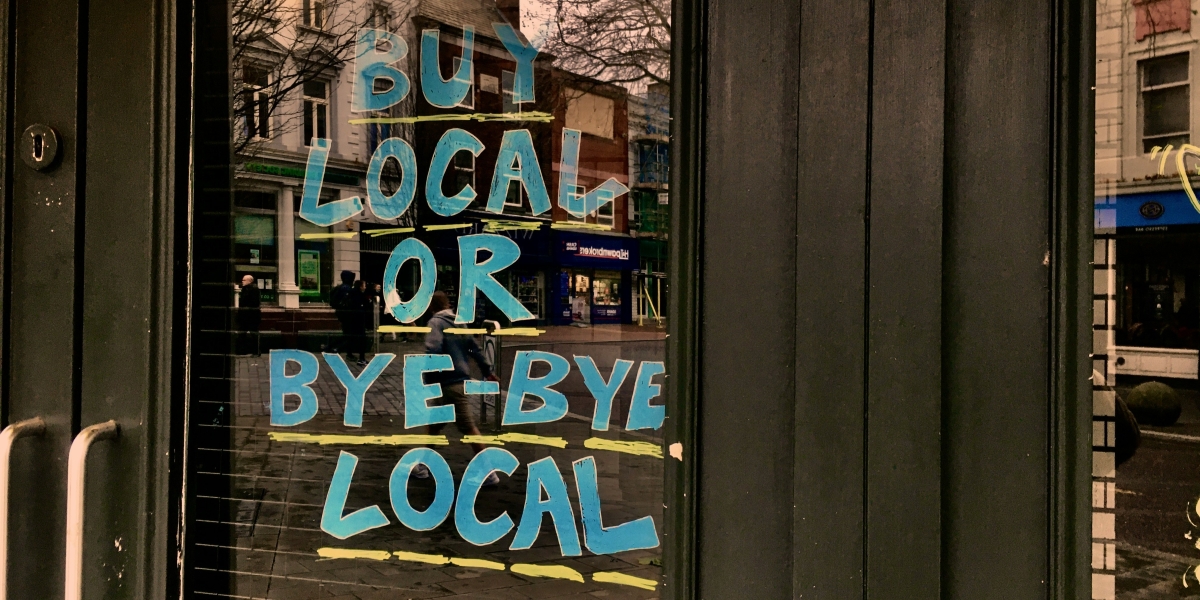


Marketing strategies have long been evaluated using performance metrics such as click-through rates, conversions, and short-term return on ad spend. But as consumers grow increasingly skeptical of polished brand messaging, a different approach is gaining traction: community-driven marketing that prioritizes real economic impact alongside visibility.
Supporting small and local businesses has become more than a goodwill gesture. For brands willing to invest in local ecosystems, community-focused advertising offers a powerful way to build trust, humanize messaging, and create long-term brand equity that extends far beyond a single campaign.
Andrew Barrow, founder of Revenue Arc, has seen firsthand how reinvesting ad dollars into small business communities can reshape both brand perception and performance. Over decades in digital marketing and ad tech, Barrow has worked with global brands while maintaining the belief that sustainable growth starts at the local level.
Small Businesses as Trust Builders, Not Just Beneficiaries
Small businesses occupy a unique position in consumer trust. They are often seen as more authentic, more accountable, and more connected to the people they serve. When larger brands align with these businesses through partnerships, targeted campaigns, or shared media strategies, the trust local businesses earn can extend outward.
Community-focused marketing allows brands to tap into that authenticity without manufacturing it. Rather than positioning themselves as distant corporations, brands become visible supporters of real people, families, and neighborhoods. That alignment can significantly strengthen emotional connections with audiences who increasingly care about where their money and attention go.
Barrow emphasizes that consumers are paying closer attention to brand behavior, not just to its messaging. Supporting small businesses through advertising ecosystems signals values in action, not just stating them on paper.
Humanizing Large Brands Through Local Impact
As brands scale, maintaining a human voice becomes more challenging. Community-focused campaigns offer a way to ground national or global messaging in local relevance. Whether through regionally targeted ads, partnerships with local entrepreneurs, or reinvesting media spend into small business growth, brands can demonstrate that scale does not have to come at the cost of connection.
Revenue Arc’s AI-powered programmatic platform supports this approach by enabling precise audience targeting across digital channels, including connected TV (CTV), without requiring brands to commit to a single platform or strategy. Ads can be delivered within streamed content or live events wherever audiences are consuming media, allowing campaigns to be tailored by geography, behavior, and community context.
That flexibility makes it easier for brands to support local ecosystems at scale, combining national reach with localized impact.
Reinvesting Ad Spend for Long-Term Brand Value
Traditional advertising models often prioritize efficiency above all else, funneling budgets toward the lowest-cost impressions regardless of where those dollars land. Community-driven marketing challenges that mindset by asking a different question: what happens when ad spend strengthens the very communities brands depend on?
Reinvesting media budgets into small business ecosystems can generate compounding returns. As local businesses grow, they create jobs, strengthen neighborhoods, and contribute to healthier local economies. Brands associated with that growth benefit from increased goodwill, stronger loyalty, and higher lifetime customer value.
Barrow’s approach with Revenue Arc reflects this long-term thinking. The company operates on a revenue-share model rather than charging upfront fees or markups, allowing startups and small-to-medium businesses to access enterprise-level programmatic advertising without additional financial barriers. Clients pay only for their media spend, while Revenue Arc earns a portion of platform fees over time.
While the delayed payment structure requires patience, it reinforces alignment between platform performance and client success. Growth becomes shared, not extracted.
Shared Growth Through Community-Centered Strategy
Examples of community-driven marketing are becoming more visible across industries. Brands sponsoring local creators, supporting neighborhood retailers through targeted campaigns, or reinvesting ad dollars into regional media ecosystems are seeing stronger engagement and deeper loyalty as a result.
These strategies work because they reflect how consumers already think: people support brands that support what matters to them. When advertising dollars help sustain local businesses, the value exchange becomes mutual rather than transactional.
As advertising continues to evolve, community-driven marketing offers a compelling path forward. In a landscape crowded with automation and optimization, brands that invest in people, not just platforms, may find themselves building trust that no algorithm can replicate.