

By: Adrian J. Suarez
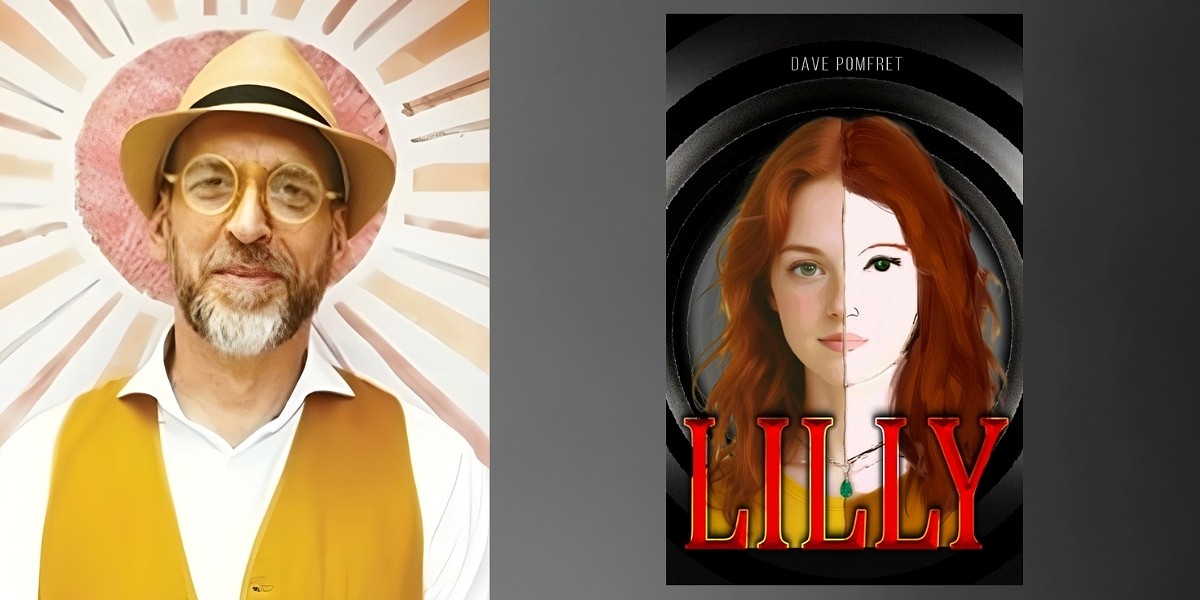
Every family carries its shadows. Some inherit old wounds, unspoken struggles, or patterns that may echo through generations. For many artists, these inherited burdens become the raw clay of creation, often transformed into stories that give shape to pain and meaning to resilience. Songwriter-turned-novelist Dave Pomfret is familiar with this process. His debut novel, Lilly, weaves together his own family’s battles with addiction and mental illness into a thought-provoking exploration of trauma, love, and fractured reality.
The story centers on Allan Isaac, a man who feels haunted by his family’s legacy of instability. In his quest for normalcy, Allan sketches an imaginary daughter named Lilly, hoping this act of creation might help bind his fractured family together. However, Allan wakes to a world that insists Lilly has always been real. What was meant to be comforting fiction becomes a terrifying challenge to his perception of reality.
For Pomfret, writing Allan’s journey felt deeply personal. “Those ghosts were familiar,” he shares. “The fear of repeating patterns, the inherited trauma, and the sense that chaos might always linger beneath the surface.” He didn’t set out to write a memoir, but instead used fiction to explore truths he understood intimately. Lilly became a vehicle for asking difficult questions: How might we begin to break cycles of pain? Can love persist when reality itself seems fractured?
The novel does not shy away from difficult emotions. Allan grapples with confusion, guilt, and the unsettling possibility that he may be losing his mind. Yet Pomfret manages to imbue the story with something unexpected: surreal humor. “Humor was a survival tool in my family,” he explains. “Even in the hardest times, finding something absurd or darkly funny kept us breathing. It felt authentic to let Allan have that too.” This balance gives Lilly its unique rhythm—raw pain tempered with moments of strange, disarming levity.
Pomfret dedicates the book to others walking similar paths. “To those who’ve battled addiction, mental illness, or loss,” the opening page reads. “May it remind you that even in the chaos, connection and love can still endure.” This sentiment is not merely symbolic but also forms the backbone of the story. Allan’s journey isn’t just about reclaiming his sanity—it’s a quest to maintain connections against overwhelming odds. His character resonates with anyone who has felt burdened by their past while striving to build something better.
Transforming personal pain into art was no easy task. “You have to dig into places that hurt,” Pomfret admits. “But there’s healing in giving those feelings shape. Fiction allows you to hold them at arm’s length, examine them, and perhaps even find meaning in the mess.” He didn’t write a textbook on addiction; rather, he created a mind-bending story where the true monster isn’t just substances or illness but the way trauma distorts one’s sense of reality.
Lilly ultimately becomes a testament to resilience. Through surreal twists and emotional chaos, Allan continues to search for truth and fight for the people he loves. Pomfret’s personal journey mirrors this. By facing family ghosts through fiction, he crafted a story that connects with readers far beyond his personal experience. It serves as a reminder that our struggles, however messy, can fuel powerful acts of creation and connection.
Experience Dave Pomfret’s debut novel, Lilly, a psychological exploration of inherited trauma, love’s endurance, and the courage to confront the ghosts we carry. Find it now on Amazon, at all online book retailers, and in major bookstores.
Disclaimer: This article and the book discussed reflect the personal experiences and creative interpretations of Dave Pomfret. The themes of addiction, mental illness, and trauma are explored within the context of fiction and may not be representative of all experiences. Reader discretion is advised for those who may find these topics sensitive or triggering.