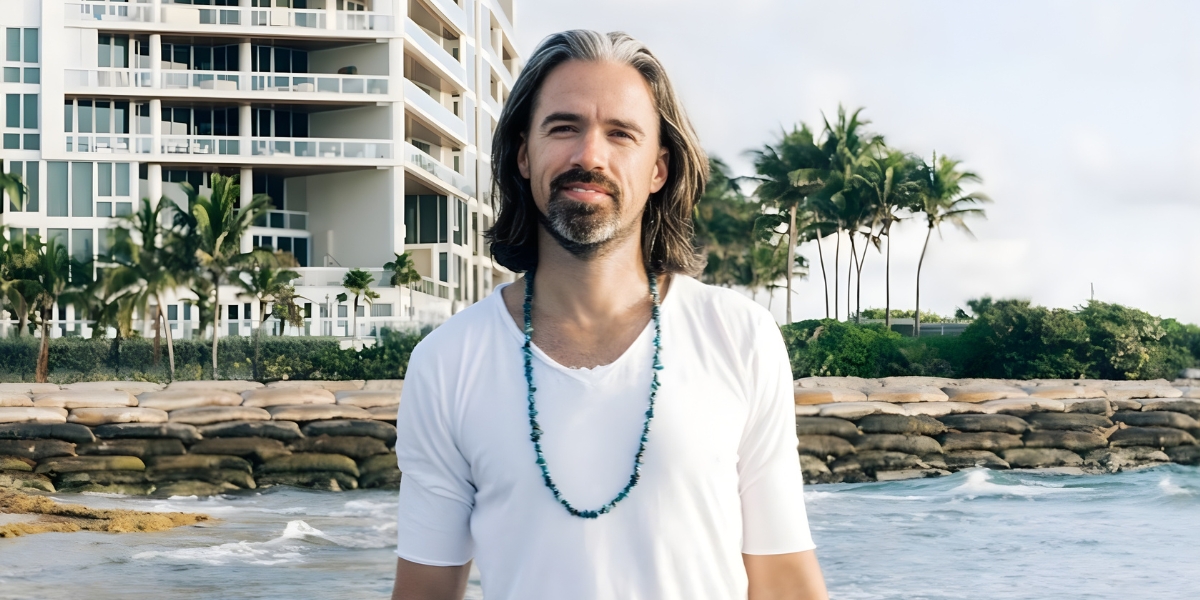


By: Mindful Agency
In a world where hustle culture and hypergrowth often dominate the entrepreneurial narrative, a new paradigm is emerging: Conscious Wellth. Christopher Mackin, founder of Conscious Wellth, seasoned wealth advisor, and Karuna Reiki Master, believes that integrating mindfulness and purpose into entrepreneurship could serve as a foundation for building businesses that are both profitable and meaningful.
“Your business will likely grow in alignment with your personal values and mindset,” Mackin explains. “When entrepreneurs cultivate inner coherence, they create ventures that are more likely to thrive from the inside out.” This principle recognizes that leadership presence, nervous system regulation, and values clarity may shape every dimension of venture performance.
Why Mindful Leadership Matters for Entrepreneurs
Entrepreneurship is one of the most powerful forces shaping our culture and society. Yet, without intentional practices, many founders could face burnout, misaligned partnerships, or businesses that lack true impact. The statistics are concerning: high rates of founder mental health challenges, relationships strained by startup demands, and exits that are not always successful (only around 30% are successful).
“Too many entrepreneurs focus too much on external success and become consumed with working in their business, rather than on themselves and their businesses,” Mackin says. “Our approach helps them root their ventures in authenticity, resilience, and purpose.” This involves expanding the definition of success to include sustainability, alignment, and impact, alongside traditional metrics.
The shift toward mindful entrepreneurship reflects bigger changes in the business ecosystem. Customers are increasingly considering the broader impacts of the companies they support, and employees are prioritizing mission and culture over compensation. Investors are beginning to recognize that founder well-being and values alignment might correlate with the success of an organization.
Core Elements of Purpose-Driven Entrepreneurship
Mackin teaches a holistic approach that integrates mindset, energy, and financial mastery. The first element is healing the founder’s money stories. Many entrepreneurs carry unconscious beliefs about money, including scarcity mindsets or self-worth tied to net worth. Transformation often begins with identifying and clearing these limiting beliefs through therapeutic work and somatic practices.
The second element is purpose-led business design, building ventures that are aligned with personal purpose and values. Too often, entrepreneurs may choose opportunities based solely on market potential without questioning whether the work genuinely matters to them. Purpose-led design starts with a deep inquiry into what the founder cares about and what problems humanity faces that they feel called to address.
The third element is energetic alignment, recognizing that the founder’s nervous system could impact leadership effectiveness. Entrepreneurs operating under chronic stress might make reactive decisions and struggle to inspire teams. Practices like breathwork, meditation, and somatic work could help achieve nervous system coherence, which may be essential for navigating uncertainty.
The fourth element involves conscious capital partnerships, choosing investors and partners who resonate with the founder’s values. The wrong capital partners could derail ventures by imposing misaligned incentives. Conscious entrepreneurs are selective about who they invite onto their cap tables.
The fifth element is regenerative success metrics, defining achievement beyond revenue to include impact, community upliftment, and well-being. This expanded framework could encompass stakeholder relationships, product quality, operational sustainability, and contributions to solving meaningful problems.
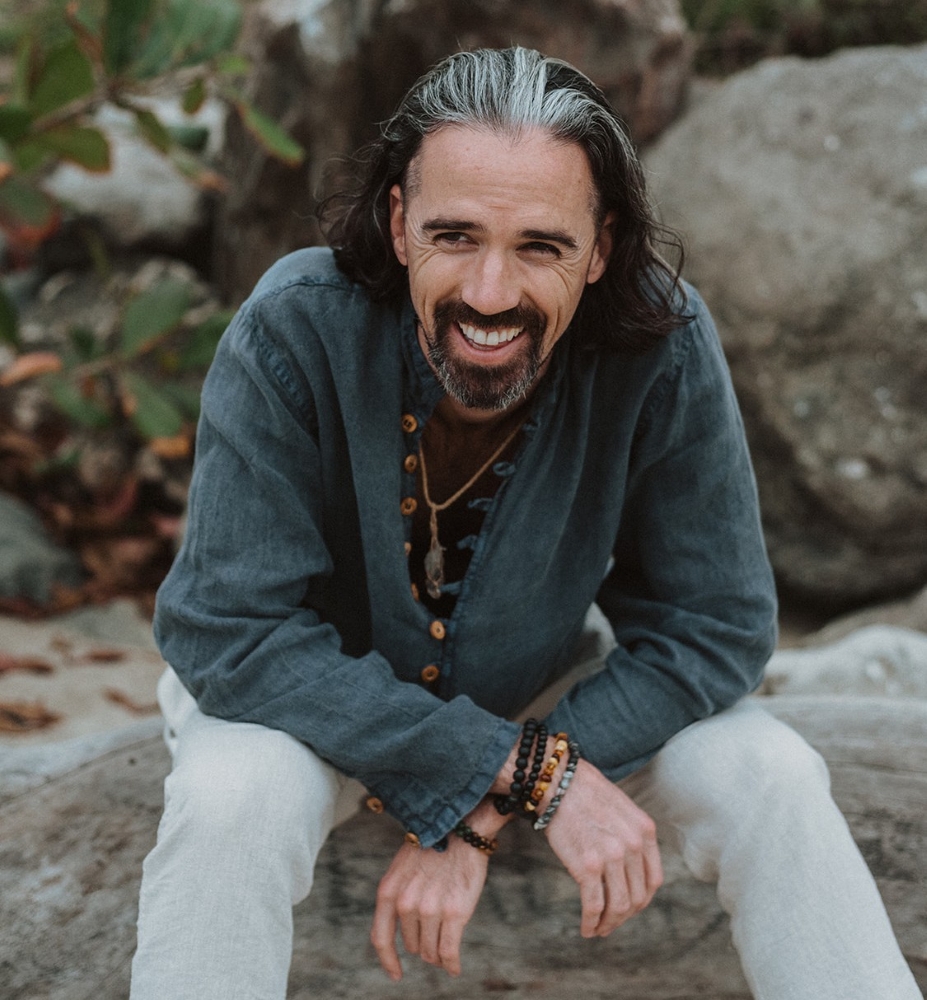
Photo Courtesy: Christopher Mackin
Why This Is the New Entrepreneurial Edge
“There is a shift happening. In today’s economy, authenticity is becoming a more powerful force than ever before,” Mackin observes. “Customers, partners, and teams are drawn to founders who embody conscious leadership.” In an age of transparency, entrepreneurs may find it difficult to hide behind polished branding if their actions don’t align with their words.
Entrepreneurs practicing these principles may build stronger, values-aligned brands. They could attract mission-driven talent willing to go above and beyond the “enough to get by” mentality. They may navigate uncertainty with resilience and foster long-term stakeholder relationships built on trust. These advantages might create durable competitive moats.
His approach also addresses entrepreneurship’s hidden costs: burnout, relationship breakdowns, and health crises. These practices may help founders maintain balance and stay connected to meaning during intense growth phases.
Inner Work Equals Outer Impact
A core principle of Mackin’s work is this: the entrepreneur’s inner state could directly influence business outcomes. “When founders invest in their own clarity, well-being, and purpose,” he says, “every aspect of the business stands to benefit.” Leaders who have done deep personal work might bring a presence that inspires teams. Founders with regulated nervous systems could make more strategic rather than reactive decisions.
This principle invites entrepreneurs to view inner work as essential infrastructure. Just as they invest in technology or operations, conscious founders invest in therapy, coaching, and practices that develop psychological and spiritual capacity.
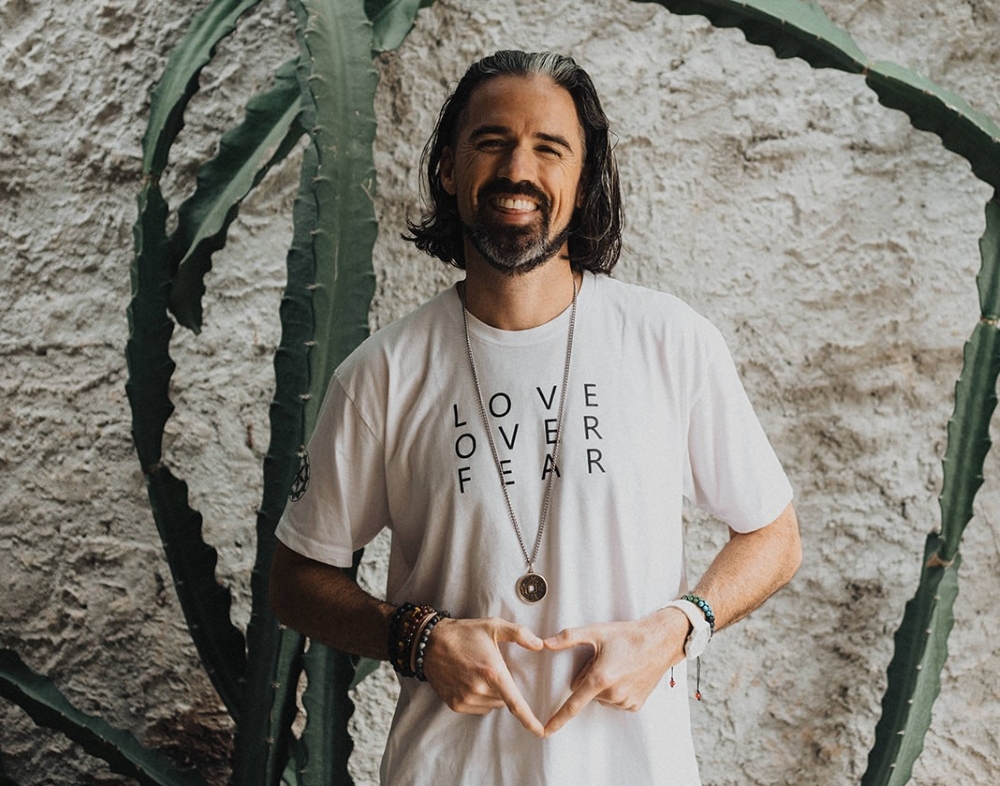
Photo Courtesy: Christopher Mackin
Action Steps for Founders and Looking Ahead
For entrepreneurs ready to embrace this approach, Mackin offers practical starting points. Reflect on your money story and clear limiting beliefs. Clarify your deeper why and vision. Cultivate daily practices that support emotional and energetic well-being. Choose aligned capital and collaborators. Evolve your definition of success to include dimensions beyond financial returns.
As entrepreneurship continues to shape the future, this integrated approach could be a defining edge for founders. “This is about creating businesses that not only succeed but also heal, uplift, and inspire,” Mackin concludes. “Conscious leadership is the entrepreneur’s new superpower.” The invitation is to build ventures that generate both profit and purpose, that create value for all stakeholders, and that allow founders to thrive personally while building professionally.
To explore more about his views on leadership and wealth for entrepreneurs, visit www.christophermackin.co.
Disclaimer: The information provided is for informational purposes only and should not be construed as financial advice, endorsement, or a guarantee of any particular outcome. Always seek the advice of a qualified financial professional before making any decisions regarding your personal or business finances.