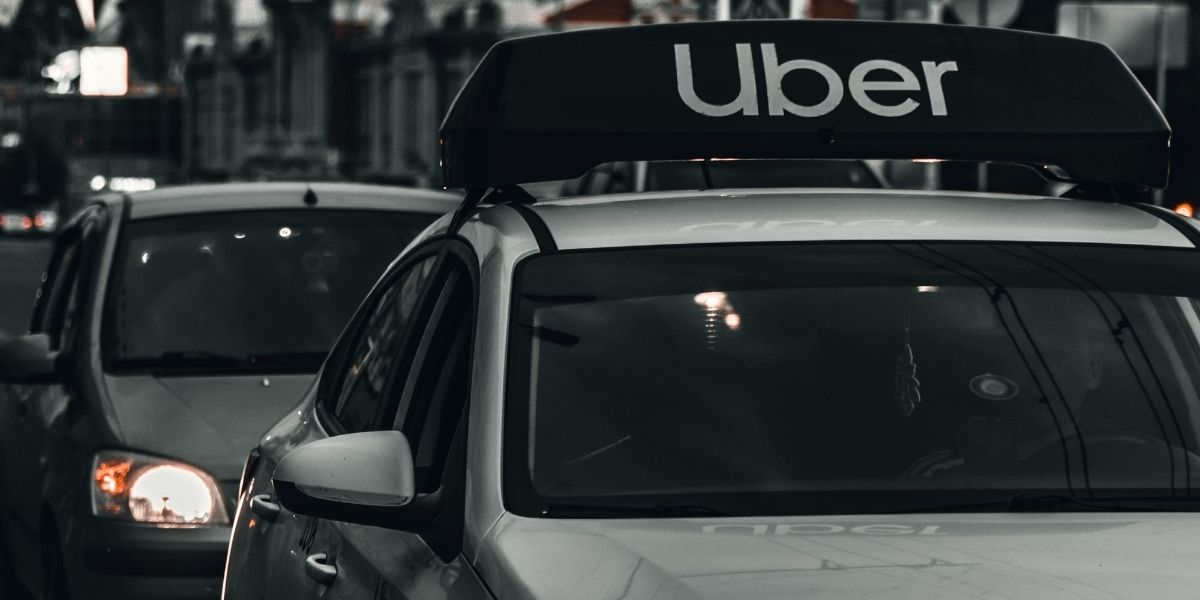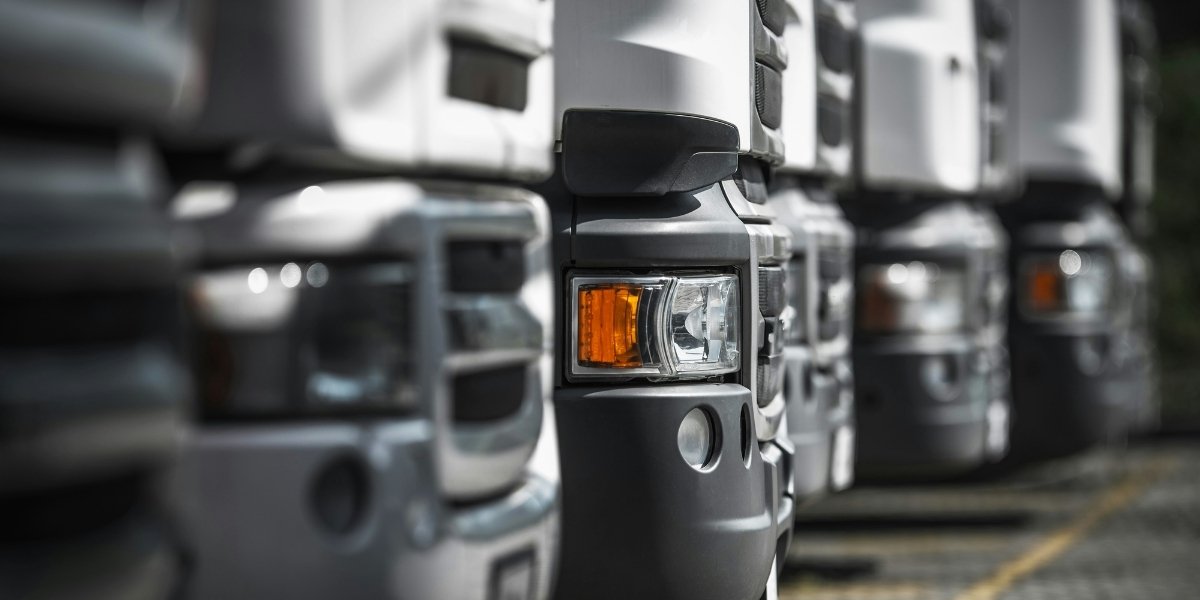

Waabi, a Toronto-based autonomous vehicle startup, has announced a $1 billion funding round to propel its move from autonomous trucking technology to the competitive robotaxi market. The latest round includes $750 million in Series C funding co-led by Khosla Ventures and G2 Venture Partners, with an additional $250 million in milestone-based support from Uber. The combined amount positions Waabi as a significant player in the race toward autonomous mobility.
Waabi’s expansion into the robotaxi space marks a notable shift from its origins in autonomous freight transport. The company’s focus now includes the development of robotaxi technology, leveraging its AI-driven platform to provide self-driving solutions for urban environments.
From Trucking Roots to Urban Mobility
Founded in 2021 by Raquel Urtasun, a former Uber AI scientist, Waabi initially concentrated on autonomous trucking solutions. The company developed Waabi Driver, a platform designed to automate freight transport across highways. This technology was aimed at addressing challenges such as driver shortages and inefficiency in the freight industry. Waabi’s approach uses “physical AI” to simulate real-world conditions, enabling safer and faster autonomous driving systems.
However, with the latest funding round, Waabi is now setting its sights on robotaxi development. The partnership with Uber includes plans to deploy at least 25,000 robotaxis over time. While a timeline has not been disclosed, the scale of the deal reflects confidence in Waabi’s technology and its potential to operate in the urban mobility market.
Uber’s Strategic Partnership With Waabi
Uber’s involvement is significant as the company had previously wound down its self-driving unit in 2020. By collaborating with Waabi, Uber gains access to a robust platform designed for scalability and cost efficiency. Uber aims to integrate Waabi’s technology into its ride-hailing platform, positioning the partnership as central to its future ambitions in autonomous transportation.
For Waabi, this alliance offers a clear pathway to consumer adoption. Uber’s established customer base and infrastructure provide a direct route to market for Waabi’s robotaxi fleet, bypassing the challenges of creating a new ride-hailing network.
A Record-Breaking Funding Round
Waabi’s latest funding round, totaling $1 billion, is one of the largest in Canadian tech history. The financing includes contributions from prominent investors such as Khosla Ventures and G2 Venture Partners, as well as strategic backers like Nvidia’s NVentures and Volvo Group Venture Capital. This funding represents a vote of confidence in Waabi’s innovative approach to autonomous driving and its potential to disrupt both the trucking and robotaxi sectors.
This financial backing highlights the capital-intensive nature of autonomous vehicle development, which requires significant resources for research, development, regulatory approval, and fleet deployment. Waabi’s success in attracting such funding underscores its competitive position in the race to develop self-driving vehicles.
Competition in the Robotaxi Industry
Waabi enters a market that is already populated by major players such as Waymo, Cruise, and Aurora, who are working on autonomous vehicle technology and robotaxi services. Despite challenges with scaling and regulatory hurdles, these companies have made strides in deploying autonomous vehicles in limited environments.
Waabi’s advantage lies in its simulation-driven technology, which it claims allows for faster, safer deployment of autonomous systems. By training systems in virtual environments, Waabi argues it can accelerate development and reduce the time required for real-world testing. While the company is still in the process of rolling out its technology, its AI-driven approach presents a potential differentiator in an increasingly crowded field.
Waabi’s Expanding Role in Autonomous Mobility
Waabi’s move from autonomous trucking to robotaxis aligns with broader trends in autonomous mobility. While trucking was seen as the logical entry point due to more predictable routes and fewer variables, robotaxis present a more complex challenge. Urban environments demand high levels of safety, interaction with pedestrians, and reliable performance under dynamic conditions.
For Canada, Waabi’s success highlights the country’s growing role in the global AI and autonomous driving space. Toronto has become a hub for machine learning research, and Waabi’s continued progress reinforces Canada’s position as a center of innovation. The company’s growth also shows how startups can evolve from niche markets to mainstream consumer applications, reshaping industries along the way.
Challenges Ahead for Waabi
Despite its impressive funding and partnerships, Waabi faces significant challenges. Regulatory approval for autonomous vehicles varies by jurisdiction, and public trust in robotaxis remains an ongoing concern. The company must demonstrate that its technology can meet high safety standards, especially given the public scrutiny that autonomous vehicles face.
Waabi’s ambitious goal of deploying 25,000 robotaxis will require coordination with manufacturers, regulatory bodies, and other partners. The company’s ability to execute on this vision will determine its success in competing with more established players in the autonomous vehicle market.
Looking to the Future of Autonomous Vehicles
Waabi’s $1 billion funding round and partnership with Uber represent a key moment in the evolution of autonomous vehicles. With its transition from trucking to robotaxis, the company is positioning itself as a potential leader in urban mobility.
While challenges remain, Waabi’s bold ambitions reflect confidence in its technology and vision. As the autonomous vehicle market continues to grow, Waabi’s story is one of innovation, ambition, and the potential to redefine how people and goods move through cities.