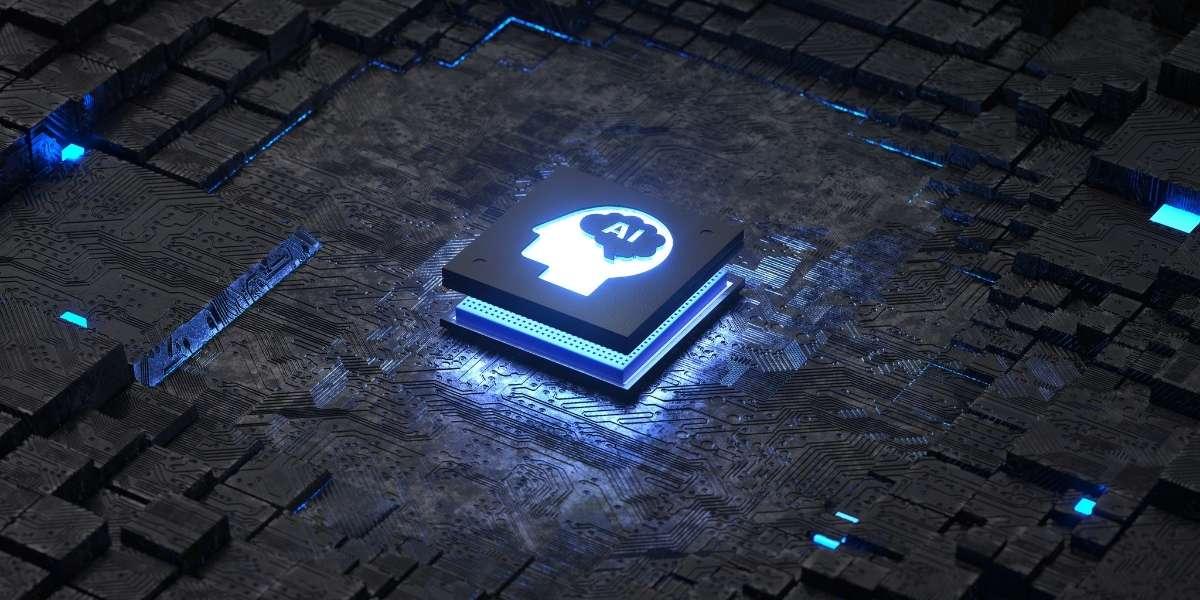

Microsoft has officially launched the Maia 200 AI chip, a custom processor designed to power the next generation of artificial intelligence workloads. The chip is being deployed in U.S. data centers, beginning in Iowa and expanding to Arizona. With this rollout, Microsoft positions itself directly against Amazon and Google in the cloud hardware race.
The Maia 200 builds on the company’s earlier efforts to reduce reliance on external suppliers. By designing its own silicon, Microsoft gains greater control over performance, efficiency, and cost. This move signals a shift toward self‑sufficiency in AI infrastructure.
Industry analysts view the launch as a turning point. Microsoft is no longer just a software giant—it is now a hardware competitor in the AI space. The Maia 200 represents both technological ambition and strategic necessity, reshaping how the company is perceived in the broader tech ecosystem.
Technical Specs That Raise the Stakes
The Maia 200 is built on TSMC’s advanced 3‑nanometer process, packing more than 100 billion transistors. It delivers up to 10 petaflops of performance at FP4 precision and 5 petaflops at FP8 precision. These figures highlight its focus on inference workloads, which are increasingly costly as AI models expand.
Microsoft claims the chip is three times faster than Amazon’s Trainium on certain benchmarks. It also reportedly outperforms Google’s TPU in multiple inference tests. Such comparisons have fueled debate about how the chip will reshape competition in cloud computing.
Efficiency is a central theme. By lowering inference costs, Microsoft aims to make AI services more accessible to businesses and consumers. This balance of performance and affordability is key to its appeal, especially as demand for AI services continues to surge globally.
Deployment Across U.S. Data Centers
The rollout of Maia 200 begins in Des Moines, Iowa, with Phoenix, Arizona, next in line. Microsoft plans to expand deployment across additional U.S. data centers throughout 2026. This phased approach ensures stability while scaling workloads.
The chip is already powering OpenAI’s GPT‑5.2 and Microsoft 365 Copilot. These applications require massive computational resources, making the Maia 200’s efficiency critical. Early reports suggest smoother performance and reduced latency in AI services, a benefit that could quickly be noticed by end users.
For Microsoft, the deployment is about more than infrastructure. It is a demonstration of control over its technological destiny. By embedding custom chips into its ecosystem, the company gains flexibility in shaping future AI experiences and reducing dependency on external suppliers like Nvidia.
Cloud Rivals Face New Pressure
Amazon and Google have long dominated the AI hardware space with Trainium and TPU. Microsoft’s entry with Maia 200 raises the stakes in what many call the “AI chip wars.” Each company is racing to deliver faster, cheaper, and more efficient solutions.
The competition is not limited to performance metrics. It extends to cultural influence, as these chips power the tools that shape modern work and communication. Microsoft’s move positions it as a challenger to established narratives and signals its ambition to lead in AI infrastructure.
Analysts suggest that the Maia 200 could shift customer preferences. Businesses seeking cost‑effective AI solutions may find Microsoft’s offering compelling. The chip’s rollout could redefine how enterprises choose their cloud providers, especially as AI workloads become central to daily operations.
Cultural Dimensions of Innovation
The Maia 200 is more than a piece of hardware—it is a symbol of how technology companies frame their role in society. By creating its own chip, Microsoft emphasizes independence and innovation. This resonates with audiences who see AI as both opportunity and challenge.
For developers, the chip represents new possibilities. Faster inference means more responsive applications, from productivity tools to creative platforms. The cultural impact lies in how these experiences shape daily life and redefine expectations of technology.
Communities are watching closely. The debate is not only about technical superiority but also about accessibility and trust. Microsoft’s narrative of innovation will influence how people perceive AI in the years ahead, shaping conversations about responsibility and progress.
What It Means for AI Services
The Maia 200 sets a precedent for how cloud providers approach AI infrastructure. Its rollout demonstrates that custom hardware is becoming essential to delivering scalable services. Other companies may follow suit, accelerating the trend toward in‑house chip design.
For users, the implications are immediate. AI tools integrated into everyday platforms could become faster, cheaper, and more reliable. The chip’s efficiency promises to lower barriers to adoption across industries, from healthcare to finance to creative sectors.
The Maia 200 represents a turning point in the AI era. It embodies both technological ambition and cultural significance. As Microsoft expands deployment, the conversation about AI’s role in society will only grow louder, ensuring this chip remains at the center of industry debate.