Mazda, under the leadership of CEO Masahiro Moro, has revolutionized the dealership experience with a focus on transforming showrooms into premium spaces. This shift moves beyond simply selling vehicles, it aims to create immersive brand experiences that resonate with customers. Through strategic redesigns, Mazda has repositioned its retail spaces as key elements in shaping customer perceptions, aligning with the brand’s premium aspirations.
The company’s new approach is in line with its goal to rise above mainstream offerings and create a more refined experience for its customers. By focusing on showroom aesthetics, service quality, and storytelling, Mazda is not only selling cars but selling a lifestyle. This retail transformation supports the brand’s vision of balancing performance with luxury, targeting an audience that seeks more than just a car.
Moro’s vision is about making Mazda more than a choice for consumers, it’s about building long-lasting connections through these enhanced retail spaces. These showrooms serve as entry points into the Mazda world, offering customers a place where the brand’s philosophy and ethos come to life. This deeper customer connection is designed to help Mazda stand out in an increasingly competitive market.
Mazda’s Retail Experience: A New Vision for Dealerships
Mazda’s revamped dealerships are more than just sales centers; they are designed to be gateways into the Mazda brand itself. These newly redesigned spaces aim to reflect Mazda’s core values, such as craftsmanship, attention to detail, and the brand’s renowned “Joy of Driving” philosophy. With modern architectural elements, open layouts, and interactive features, the stores reflect the premium nature of the brand while ensuring that the experience remains approachable.
Showrooms now include spaces where customers can interact with the vehicles in dynamic ways, test driving, exploring the car’s technology, and experiencing Mazda’s history in an engaging format. Through these changes, Mazda strives to make the dealership experience feel less transactional and more about building lasting relationships. By shifting the focus from traditional sales practices to customer experience, Mazda is enhancing its appeal to a broader audience that values both quality and service.
The updated retail spaces have been shown to significantly boost customer engagement, with some dealers reporting higher sales figures and increased foot traffic. Mazda’s data suggests that dealerships with these new designs are seeing a positive impact on their performance. By rethinking the customer journey and incorporating elements of design, hospitality, and personal connection, Mazda is transforming how dealerships interact with consumers.
Elevating Mazda’s Brand Through Innovative Retail Spaces
Mazda’s new approach is a direct response to the need to align the brand with more premium competitors. With many automakers focused on building high-end vehicles, Mazda has chosen to improve its retail spaces as a differentiator. This shift aims to offer customers an experience that reflects the brand’s upmarket ambitions, while still remaining accessible to a broad range of buyers.
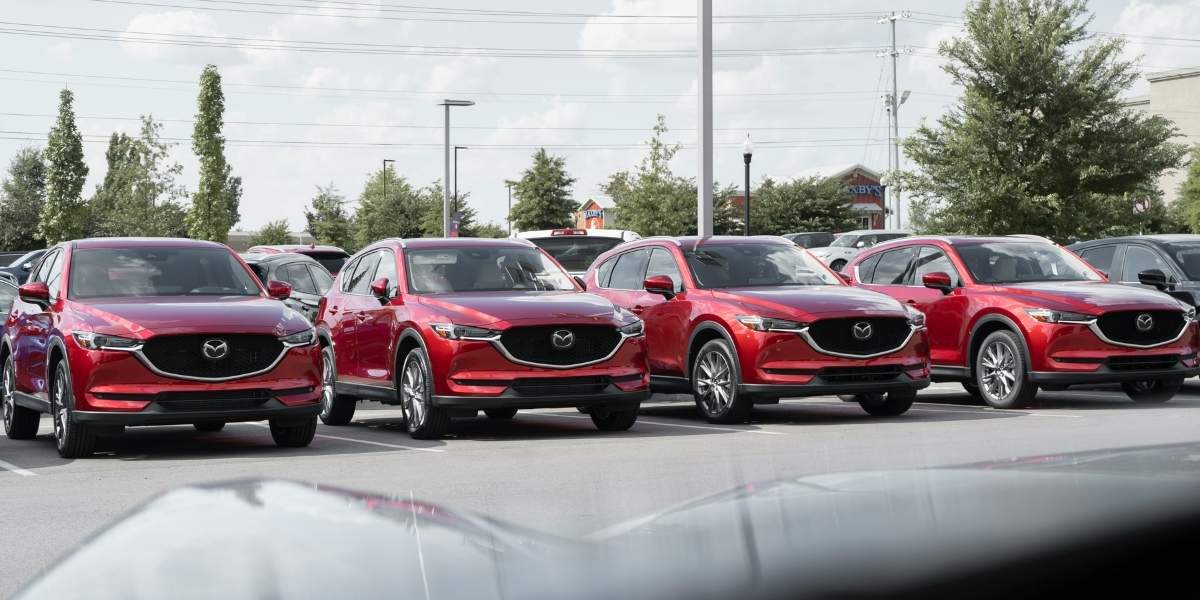
Photo Credit: Unsplash.com
The design of these retail spaces emphasizes quality, with a focus on materials, lighting, and layout that convey a sense of sophistication. At the same time, the spaces remain warm and welcoming, reflecting Mazda’s focus on customer service. This balance between luxury and accessibility is key to the brand’s goal of moving upmarket without alienating its core customer base.
In addition to the physical design, Mazda’s retail model incorporates a more customer-centric approach. Staff are trained to provide not just information but also a memorable experience, reinforcing Mazda’s brand values. By making the retail space as much a part of the brand as the product itself, Mazda ensures that customers leave with a sense of fulfillment beyond simply purchasing a car.
Supporting Growth Through Dealership Partnerships
Mazda’s retail transformation also relies heavily on its dealer network. Rather than viewing dealerships as independent entities, the company has worked closely with its partners to ensure that the new retail approach is consistently executed across locations. This collaboration is integral to the brand’s strategy, ensuring that each dealership mirrors Mazda’s premium image while providing a seamless experience for customers.
Dealers have reported positive feedback regarding the new retail model, noting an increase in customer satisfaction and sales performance. By integrating dealers into the brand’s vision and offering them tools to succeed, Mazda is strengthening its overall market presence. This partnership approach also allows for better communication and alignment between Mazda and its retail partners, fostering a stronger connection between the brand and its dealers.
The success of this model underscores the importance of collaboration in today’s competitive automotive landscape. Rather than treating dealerships as isolated units, Mazda has created a unified approach that ensures consistency across locations. This has given dealers the tools they need to stand out in their local markets, reinforcing the effectiveness of Mazda’s retail strategy.
The Future of Mazda’s Retail Strategy: A Path Toward Long-Term Success
As Mazda looks to the future, its retail-driven strategy is poised to play a crucial role in meeting its ambitious goals, including reaching 500,000 U.S. sales by 2030. This objective will require sustained investment in both product and retail spaces to maintain the momentum achieved through the initial phase of the retail transformation. Achieving this sales goal will depend on the continued success of Mazda’s retail spaces, as well as how well the brand adapts to market shifts.
The impact of economic conditions, such as inflation and shifting consumer preferences, could present challenges to Mazda’s strategy. However, the company has demonstrated resilience in its ability to adapt and innovate. By staying focused on the customer experience and refining the dealership model, Mazda aims to continue building its premium brand while staying accessible to a wide audience.
Mazda’s retail transformation represents more than just a new way of selling cars, it’s a shift in how the brand positions itself in the broader automotive market. By placing an emphasis on experience, design, and partnership, Mazda is setting a new standard for what customers can expect from a dealership. If this approach continues to resonate with consumers, it could help Mazda carve out a stronger niche in the premium market while continuing to grow its presence in the industry.