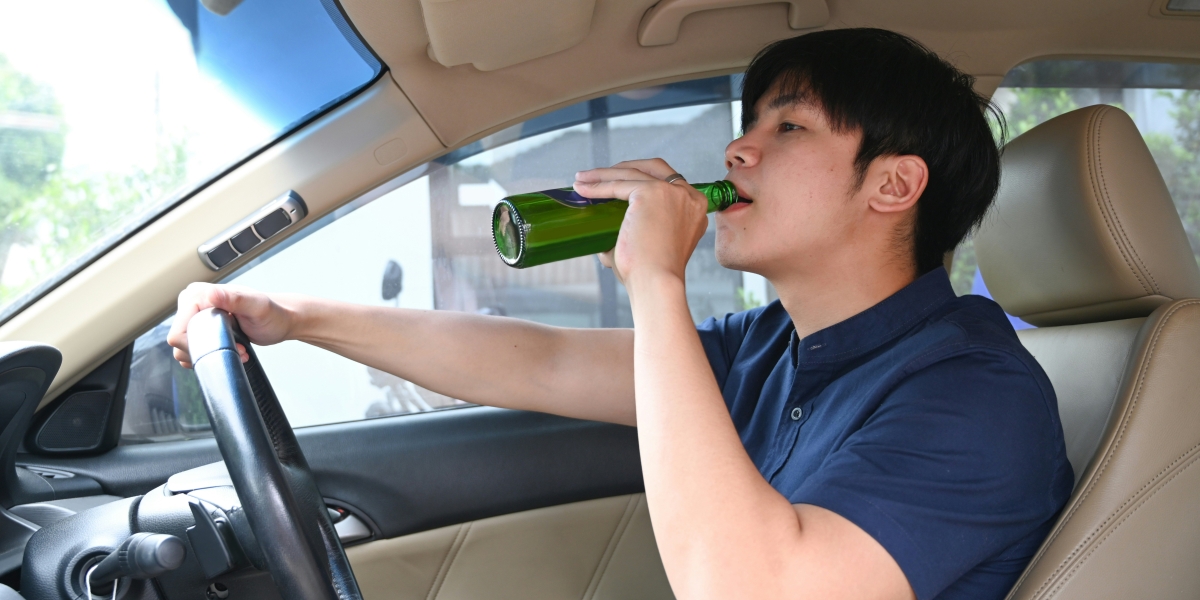


For young drivers, a momentary lapse in judgment can lead to serious and long-lasting legal consequences. When alcohol is involved, the stakes are even higher, as laws in every state place strict limitations on drinking before the age of 21. Driving under the influence (DUI) charges are severe for anyone, but for those under the legal drinking age, the situation can become especially complex.
Underage DUI laws highlight a broader goal of public safety across the United States. Although the exact rules and penalties can vary from one state to another, the principles behind underage DUI laws are generally to deter dangerous behavior and hold young drivers accountable. An experienced defense lawyer may be able to assist in navigating the complexities of criminal cases involving underage DUI.
What Does “Zero Tolerance” Mean?
States enforce what is known as a “zero tolerance” policy for underage drinking and driving. This approach means that a driver under the age of 21 can face DUI-related consequences even with a minimal amount of alcohol in their system. While adults are often subject to a legal blood alcohol concentration (BAC) limit of 0.08 percent, zero-tolerance laws typically set the threshold for underage drivers much lower—often around 0.01 or 0.02 percent.
Does Underage DUI Come With Stricter Penalties?
Underage DUI penalties differ between states, but in many jurisdictions, they are intentionally harsher than those for adult offenders with comparable BAC levels. Consequences may include:
- Driver’s License Suspension: Many states automatically suspend the license of an underage driver who is convicted of DUI, usually for months and sometimes for years.
- Fines and Court Costs: Monetary penalties can accumulate quickly, particularly when court fees and administrative costs are included.
- Community Service or Education Programs: Courts may require attendance at alcohol education courses or participation in community service.
- Impact on Education or Employment: A DUI record can affect college admissions, scholarship eligibility, or future job opportunities.
Why Is BAC Important in Underage DUI Charges?
Blood alcohol concentration measures the percentage of alcohol in a person’s bloodstream. For underage drivers, even a very low BAC can trigger DUI-related charges under zero-tolerance laws.
BAC levels can be influenced by a variety of factors, including body weight, the amount of alcohol consumed, how quickly it was consumed, and the type of test administered. Breath tests, blood tests, and field sobriety assessments all play a role in determining whether a driver violated any drunk driving laws. Proper testing procedures are important so that BAC evidence is handled according to legal standards, which can play a role in how a case is assessed.
In some underage DUI cases, an attorney may review how tests were administered and whether they met the standards required by law. Even small procedural errors or inconsistencies may affect how evidence may be evaluated in court.
Do Underage DUI Charges Come With Jail Time?
While not every underage DUI case results in jail time, it is possible, depending on the circumstances. Factors such as the driver’s BAC level, whether an accident occurred, or whether there were passengers in the vehicle may influence how a DUI charge is prosecuted and sentenced. Repeat offenses or aggravating circumstances—such as property damage or injuries—can increase the likelihood of more severe penalties.
In some jurisdictions, first-time offenders may be eligible for diversion or probation programs that focus on education rather than incarceration. However, these options vary, and not all cases qualify. Since each state handles underage DUI cases differently, the possibility of jail time or alternative sentencing can depend on the specific details of the case. Legal representation can be valuable in exploring the available options, presenting mitigating factors, or negotiating for reduced penalties when possible.
The Importance of Reasonable Suspicion for Underage DUI
Before law enforcement can conduct a DUI stop, officers generally must have “reasonable suspicion” that a driver is violating the law. This standard requires observable behavior that suggests impairment, such as swerving, speeding, or ignoring traffic signals. For underage drivers, the presence of alcohol in the vehicle or evidence of consumption can also lead to further investigation.
During a stop, officers may administer field sobriety tests or breath tests to determine whether alcohol is involved. If reasonable suspicion was not adequately established beforehand, evidence collected during the stop could be challenged in court. This issue can be central to how an underage DUI case may be resolved, potentially serving as grounds for reduced or even dismissed charges.
Attorneys handling DUI matters may review the details of a stop to determine whether law enforcement followed proper protocols and whether any constitutional rights were violated.
Laws Against Supplying Alcohol to Minors
Underage DUI cases often involve another layer of legal concern involving where the alcohol came from. Supplying alcohol to a minor is a criminal offense in every state, and penalties can apply to anyone who provides, sells, or serves alcohol to someone under 21. This includes friends, store clerks, or party hosts.
In some cases, adults who provide alcohol to minors who later cause an accident or injury may face civil liability as well as criminal penalties. These laws aim to hold people accountable for contributing to underage drinking and to prevent situations that could lead to impaired driving or harm to others.
Disclaimer: The content in this article is provided for general knowledge. It does not constitute legal advice, and readers should seek advice from qualified legal professionals regarding particular cases or situations.