Schoolio Financial Curriculum Gives Students A Headstart

By: Denise Love

Ontario is introducing new financial literacy requirements for high school students as part of a significant update to the Ontario Secondary School Diploma (OSSD), marking the first major overhaul in 25 years. Starting in 2025, all students must pass a financial literacy test to graduate. This requirement will be embedded within the Grade 10 math curriculum, and students must achieve a 70% or higher mark to meet the standard.

In a landmark move to equip the next generation with essential life skills, the Ontario government has announced a comprehensive update to the Ontario Secondary School Diploma (OSSD). For the first time in 25 years, the curriculum will include mandatory financial literacy education designed to prepare students for the complexities of managing personal finances in today’s economy. As part of this initiative, high school students must pass a financial literacy test to graduate, beginning in 2025. This new requirement will be integrated into the Grade 10 math curriculum, with a passing grade set at 70%.

The Importance of Financial Literacy

The new financial literacy curriculum aims to arm students with practical skills for managing their finances. Topics covered will include creating and managing a household budget, saving for major purchases like a home, understanding investments, and protecting oneself from financial fraud. This initiative reflects a broader effort by the Ontario government to ensure that students leave school with the critical life skills needed to navigate the real world.

Troubling financial statistics underscores the urgency of this initiative. In 2023, the debt-to-income ratio in Canada was around 184%, meaning Canadians owed $1.84 for every dollar of disposable income. Additionally, consumer insolvencies in Ontario rose by over 15%, according to the Office of the Superintendent of Bankruptcy Canada. Surveys have shown that many Canadians live paycheck to paycheck, with little or no emergency savings. A 2022 BDO Canada Affordability Index reported that nearly 60% of Canadians have less than $5,000 in emergency savings, and almost one-quarter have no savings.

Schoolio takes a comprehensive approach to teaching financial literacy in elementary schools, aiming to instill essential money management skills in students from a young age. By integrating real-life scenarios and interactive activities into their curriculum, Schoolio helps students understand the value of money, budgeting, and making informed financial decisions. Co-founder Sathish Bala emphasizes, “At Schoolio, we believe it’s crucial to start teaching financial literacy early. Our curriculum is designed to empower students with the knowledge and skills they need to build a solid foundation for their financial future.”

Lindsey Casselman, co-founder of Schoolio, underscores the importance of hands-on learning experiences in financial education. “We’ve developed engaging lesson plans that enable students to apply financial concepts in practical ways,” says Casselman. “By incorporating activities such as budget simulations and setting savings goals, we strive to make financial literacy both relevant and enjoyable for young learners. Our goal is to nurture a generation of financially adept individuals who can confidently navigate the complexities of personal finance.”

Concerns Over Teacher Preparedness

However, while the introduction of financial literacy education is widely applauded, there are growing concerns about whether Ontario’s high school math teachers are adequately prepared to deliver this new curriculum. Parents and educators are questioning the government’s plans to ensure teachers have the necessary knowledge and resources to teach financial literacy effectively.

Government Initiatives and Support

The government’s plan is comprehensive, encompassing a series of training workshops and online courses designed to upskill teachers in financial literacy. Additionally, new teaching materials, including lesson plans and interactive tools, will be available to help educators integrate financial literacy into the existing Grade 10 math curriculum. This thorough approach instills confidence in our educators’ readiness for this new mandate.

As Ontario embarks on this ambitious overhaul of its high school curriculum, the introduction of mandatory financial literacy education marks a significant step towards preparing students for the economic realities of adult life. While the initiative has been met with widespread approval, it raises important questions about teacher preparedness and the resources available to support this new mandate. As the 2025 implementation date approaches, it will be crucial for the Ontario government to address these concerns and ensure that students and teachers are equipped for success in this new educational landscape.

Schoolio’s innovative approach to financial literacy education promotes a strong understanding of financial concepts and fosters responsible money management habits early on. Through experiential learning and a focus on practical application, Schoolio equips students with the knowledge and skills necessary to make sound financial decisions, setting them on a path toward long-term financial well-being.

The move to embed financial literacy within the Ontario Secondary School Diploma is a forward-thinking step that reflects the evolving needs of today’s students. By providing the necessary support and resources to educators, the Ontario government can help ensure that this important initiative achieves its goal of fostering financially savvy graduates who are ready to face the challenges of the real world. This initiative is not just a change in the curriculum but a significant step towards preparing students for their financial futures.


Published By: Aize Perez

Family and Caregiver Collaboration for Aging in Place

Aging in place means growing old in the comfort and familiarity of one’s home instead of moving to a nursing home or assisted living facility. Many elderly individuals prefer this option as it allows them to maintain their independence and continue living in a place full of memories and personal significance.

However, aging in place often requires support from family members and professional caregivers such as a home health care aide and, increasingly, the oversight of a medical director. Collaboration between these two groups is also crucial to ensure the well-being and safety of the elderly person.

This article will explain everything you need to know about the importance of family and caregiver collaboration for aging in place.

Role of Family in Aging in Place

The role of the family in aging in place includes:

Providing Emotional Support and Companionship

Family members play a vital role in offering emotional support and companionship. Regular visits, phone calls, and shared activities can significantly boost the elderly’s mood and sense of belonging. This is because emotional connection is essential for mental health and happiness.

Assisting with Daily Activities and Household Chores

Family members often help with daily tasks such as cooking, cleaning, shopping, and transportation. With this assistance, the elderly can live comfortably and safely at home. Sharing responsibilities also helps family members ensure that the home environment remains clean and organized, which is essential for health and safety.

Monitoring Health and Well-being

Family members are usually the first to notice changes in the elderly person’s health or behavior. They can monitor for signs of illness, confusion, or mobility issues and seek medical help when necessary. In addition, regular check-ins and attentive care can help catch potential health problems early and prevent serious complications.

Role of Caregivers in Aging in Place

Just like family members, caregivers also have roles when it comes to aging in place for the elderly. Their roles include:

Professional Care and Medical Support

Caregivers provide professional care that includes medical support, medication management, personal care, and assistance with mobility. They are trained to handle various health conditions and emergencies, ensuring that the elderly receive the appropriate care when needed. Their expertise is also vital in managing chronic illnesses and preventing health crises.

Assisting with Medication Management and Healthcare Coordination

In addition to professional care and medical support, caregivers help manage medications, ensuring that the elderly take the correct doses at the right times. 

They also coordinate healthcare appointments, communicate with doctors, and keep track of medical records, which are crucial for maintaining an elderly person’s health and preventing medication errors.

Offering Respite Care to Family Members

Caregiving can be demanding and exhausting for family members, necessitating professional caregivers to sometimes provide respite care and give family members a much-needed break. This occasional relief helps prevent caregiver burnout and allows family members to take time off to recharge, ensuring they can continue providing quality care.

The Need for Collaboration between Family and Caregivers

While family members and caregivers have separate roles, collaboration between them is essential for the following reasons: 

Holistic Care

Combining the efforts of family and caregivers ensures that all aspects of an elderly person’s well-being are addressed. While caregivers can provide professional medical and daily living support, family members offer emotional and social connections, creating a more balanced and holistic approach to care.

Consistent Communication

Effective collaboration requires regular and open communication between family and caregivers. This helps share essential updates about the elderly person’s health, preferences, and needs, ensuring that everyone is on the same page and can respond promptly to any changes.

Personalized Care Plans

Family members know intimately about the elderly person’s history, habits, and preferences, which can be invaluable for caregivers when creating and adjusting care plans. A personalized care approach can significantly enhance the quality of care and improve the elderly person’s comfort and satisfaction.

Emotional Support

Caring for an elderly family member can be emotionally challenging. Collaboration allows family members to share the responsibilities and stresses of caregiving with professional caregivers, providing mutual support and preventing caregiver burnout. This ensures sustained and compassionate care for the elderly.

Safety and Monitoring

Collaborative efforts ensure a consistent and vigilant approach to the elderly’s safety. Family members can supplement caregivers’ work by being an extra pair of eyes and ears, helping to monitor for potential hazards or changes in the elderly person’s condition that might require immediate attention.

Enhanced Problem-Solving

When family members and caregivers work together, they bring diverse perspectives and experiences to the table. A collaborative approach can foster effective problem-solving and innovative solutions to challenges that arise in the care of the elderly, ensuring that their needs are metcom.

Resource Optimization

Collaboration allows for better coordination of resources, both human and material. Family members can help manage and organize care schedules, medications, and other necessities, while caregivers can focus on delivering professional care. 

Proper division of labor ensures that resources are used efficiently, providing comprehensive care without unnecessary duplication of efforts.

Strategies for Successful Collaboration Between Caregivers and Family Members

Regular Family Meetings and Caregiver Updates

Effective communication is vital for a successful collaboration between family members and caregivers. Regular family meetings, in-person or virtually, ensure everyone stays informed and on the same page. 

During these meetings, family members and caregivers can discuss the elderly person’s current needs and any changes in their condition and adjust the care plan accordingly. 

Developing a Comprehensive Care Plan 

A well-structured care plan is essential for coordinated care. This plan should include detailed information about the older adult’s daily routine, medical needs, dietary requirements, and personal preferences. It should also outline each family member’s and caregiver’s responsibilities, ensuring that all tasks are covered without overlap or neglect. 

Leveraging Technology for Better Coordination

Technology can significantly enhance collaboration between family members and caregivers. Shared calendars, care management apps, and video conferencing platforms facilitate real-time communication and coordination. 

Caregivers and families can also adopt videoconferencing, which allows for virtual meetings. These technological tools can streamline communication, reduce misunderstandings, and improve overall care coordination.

Conclusion

Collaboration between family members and caregivers is essential for successful aging in place. Working together will help provide a balanced, supportive environment that meets the elderly’s physical, emotional, and social needs. 

Families and caregivers must recognize the importance of their roles and the impact of their collaboration on the elderly person’s well-being. This will make the caregiving journey smoother and more rewarding for everyone involved.


Published By: Aize Perez

Don’t let the Evil Side of AI Take Over the Healthcare System

By: John Glover (MBA)

You’ve probably heard of Artificial Intelligence (AI) and how it is becoming a normal part of our everyday lives. It’s being installed into our phones, computers and is taking over big industries like finances and aviation. Right now, 77% of businesses are already using AI, or are considering implementing it into their business practices. The healthcare industry is also not immune to the impact of AI. Many organizations are beginning to invest in new technologies to make things easier and more efficient for those on the frontlines. But where does it end?

It’s important for companies to do research on AI and how it could negatively impact their internal systems. AI is good for many things, but it should not do more harm than good. There is an “evil” side of AI, and we cannot let it take over. 

Security Impacts

The healthcare system is all about taking care of people during their most vulnerable times. That’s why there are rules and regulations set in place to protect their privacy and data. But what happens when their personal information gets leaked? Chaos takes over, and patients lose trust with their healthcare providers. Well, this unfortunately has been the reality for some places and AI is the cause of it. 

As AI becomes a more valuable advancement in society, it will also become a bigger target for hackers and cybercriminals. Many AI systems are heavily protected, but it only takes one barrier to fall for everyone’s information to get leaked. These security threats are a huge issue, and it’s necessary for healthcare institutions to implement intense security measures to prevent this from happening.

“AI companies want to sell their AI into healthcare and make their technology a core function in the way many things are run in hospitals. I would strongly recommend hospital leaders reject this sales pitch and push back against these companies as they don’t have first hand experience working in healthcare and their solutions are not ready to be turned on in an environment where a mistake costs people’s lives,” says DoorSpace CEO Sarah M. Worthy.

AI can be a good resource for healthcare systems to use, but it’s also important to understand that it still is fairly new, so security risks are higher as AI continues to adapt to threats. 

Lack of Transparency

Another big obstacle the healthcare system faces daily, is creating trust between employees, patients and the healthcare leaders in charge of making decisions. In order to create this sense of trust, there needs to be transparency on all fronts and sometimes using AI can make this goal a little harder. 

AI is a great tool to use when it comes to diagnosing or treating patients, because the search engine aspect gives them all the information they need to know in seconds. This is a positive part of this technology. On the other hand, AI can be used as a tool to make decisions and this is what can create issues. Healthcare leaders should not rely fully on AI to help them keep business operations running. They can use it as a guide, but it’s important to practice transparency when doing so. 

“AI can deliver benefits to certain areas of healthcare delivery, but we are still early in implementation and learning how best to make use of this novel technology. Leaders should start with AI in a small pilot project that has a low impact on patient care. There are a number of areas in healthcare organizations that don’t directly touch on patients where AI could be adding measurable value,” says Worthy.

AI should not replace humans and take on their most complex responsibilities. It should be used as a resource, and healthcare organizations should disclose how they are using it internally to promote transparency on all fronts. 

The Future of AI

AI is not inherently bad overall. In fact, it actually has a lot of positives for the healthcare system like automating paperwork, and streamlining training for employees. However, it’s important to err on the side of caution when using technology that is continuously adapting and advancing. There is an “evil” side of AI, and organizations need to be made aware of this, so they can use it for good rather than harm. The healthcare industry does not need to become a victim of this technology.


Published By: Aize Perez

Boost Your Style & Spirit with Valor Verse: Empowering Veterans Through Fashion

Valor Verse, LLC, founded by Jim Morales, is a brand that goes beyond fashion to empower military veterans. With over 27 years of service in the Army, Jim’s transition from military life inspired him to create Valor Verse. This brand is more than just tees and accessories; it is a mission to support veterans, promote mental health, and build a community of empowerment and camaraderie.

The Founder’s Story: From Service to Support

Jim Morales’ journey began with his dedicated service in the Army, driven by his faith in God, family, and country. Upon retiring from the military, Jim faced the challenges many veterans encounter: the struggle to find a new purpose and the need for mental health support. These experiences led him to establish Valor Verse, a brand designed to offer comfort, motivation, and a sense of belonging to fellow veterans.

“After serving in the Army for over 27 years, I wanted to create something that could help other veterans transition from military life,” says Jim Morales. “Valor Verse was born out of a desire to support and uplift those who have served our country.”

Mission and Vision: Empowering Veterans

Valor Verse is dedicated to empowering military veterans to thrive post-service. The brand focuses on addressing emotional, identity, and spiritual challenges that many veterans face. Through positive messages and spiritual support, Valor Verse aims to create a community where veterans can discover renewed purpose and opportunities.

“Our mission is to empower veterans and help them find their new path after service,” explains Jim. “We want to be a beacon of hope and inspiration for those who have sacrificed so much for our country.”

Valor Verse

Photo Courtesy: Jim Morales

Product Purpose: Style with Substance

What sets Valor Verse apart from other brands is its commitment to purpose-driven fashion. Each product is designed with intention, combining style with messages of courage, resilience, and patriotism. Valor Verse offers an extensive range of tees and accessories, all crafted to resonate with the young, chic, and patriotic.

“I believe that fashion can be more than just clothing; it can be a way to express values and support a greater cause,” says Jim. “Our products are a reflection of our commitment to duty, faith, and country.”

Valor Verse

Photo Courtesy: Jim Morales

Community Impact: Making a Difference

Valor Verse is not just about selling products; it’s about making a tangible difference in the lives of veterans. The brand directly contributes to vital veteran services, providing support for mental health, job training, and other essential resources. Customers who purchase Valor Verse products are not only boosting their style but also supporting a community of heroes.

“Every purchase from Valor Verse helps us contribute to vital services that support veterans in their journey to recovery and success,” Jim emphasizes. “We are grateful for our customers who join us in this mission.”

Valor Verse

Photo Courtesy: Jim Morales

The Valor Verse Experience

Located in the Texas Hill Country, Valor Verse is committed to providing high-quality, meaningful fashion that supports a greater cause. The brand’s vision is to uplift heroes through positive messages and spiritual support, directly contributing to vital veteran services.

Jim Morales invites everyone to follow Valor Verse in building a brighter future where veterans shine as beacons of hope and inspiration. “Rock your style, wear your pride, and join a community that lifts each other up. At Valor Verse, we turn fashion into a mission,” he says.

For more information about Valor Verse and to explore their products, visit Valor Verse or follow them on Instagram at @valorverse76.

Contact Information:

Jim Morales
Owner and Founder
Valor Verse, LLC
Email us: valorverse76@gmail.com

Published by: Nelly Chavez

US Black Chamber Celebrates Gary Guidry’s Business Success

Gary Guidry, a compassionate humanitarian businessman, dedicated father, and loving husband who leads BPC as CEO, has been recognized with a prestigious award.

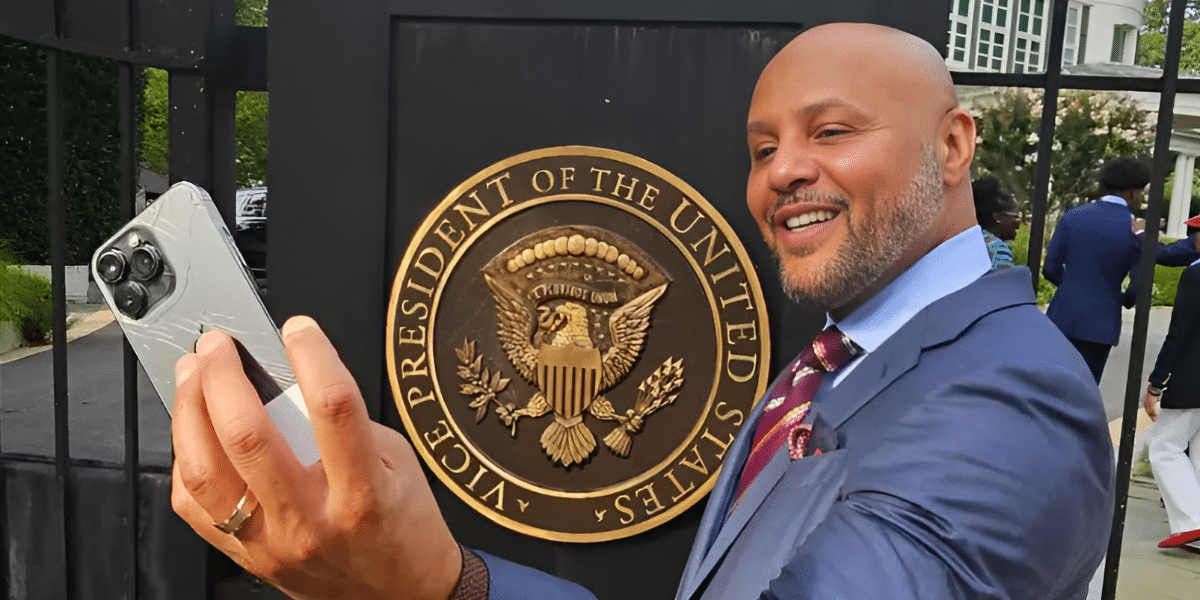
Kamala Harris and the US Black Chamber of Commerce honored Gary Guidry of BPC with the prestigious Small Business of the Year Award. Guidry’s passion, creativity, and positive influence on the business landscape have earned him this distinguished accolade.

Upon receiving the award, Gary Guidry, the Small Business of the Year Award recipient, expressed his genuine appreciation and enthusiasm. His exceptional leadership and unwavering pursuit of excellence have set a remarkable standard for small businesses nationwide.

The US Black Chamber of Commerce, a prominent advocate for Black-owned businesses, played a crucial role in recognizing Gary Guidry’s outstanding accomplishments. Their collaboration with Kamala Harris underscores the importance of supporting and celebrating the success of small businesses in America.

Vice President Kamala Harris commended Gary Guidry for his exceptional contributions to the business world. Through this award, Harris and the US Black Chamber of Commerce aim to inspire other entrepreneurs and underscore the significance of small businesses in driving economic growth.

The Small Business of the Year Award ceremony showcased the talent, resilience, and creativity of entrepreneurs like Gary Guidry. As a shining example of excellence in the small business community, Guidry’s triumph highlights the importance of dedication, vision, and hard work in achieving success.

Guidry’s impact extends far beyond his role as CEO of BPC. His philanthropic efforts and dedication to community service have made a significant difference in the lives of many. Guidry’s commitment to social responsibility is evident in the numerous initiatives he spearheads, which aim to uplift underserved communities and provide opportunities for growth and development.

In addition to his philanthropic endeavors, Gary Guidry has been a mentor and role model for aspiring entrepreneurs. His journey from a small business owner to a celebrated CEO inspires many who aspire to make their mark in the business world. Guidry’s story is a testament to the power of perseverance, innovation, and a strong work ethic.

The recognition from the US Black Chamber of Commerce and Kamala Harris also highlights the broader impact of supporting Black-owned businesses. By spotlighting Guidry’s achievements, they encourage other business leaders to invest in diversity and inclusion within their organizations. This award celebrates Guidry’s success and promotes a more equitable and inclusive business environment.

As the celebrations continue, Gary Guidry’s story brings hope and motivation to small business owners everywhere. His achievements remind us that with dedication, vision, and unwavering support, small businesses can overcome challenges and achieve remarkable success. Guidry’s legacy will undoubtedly inspire future entrepreneurs to pursue their dreams passionately and resilient.

Guidry’s dedication to innovation has also been a cornerstone of his success at BPC. Under his leadership, the company has consistently pushed the boundaries of what is possible in its industry, embracing new technologies and methodologies to stay ahead of the competition. This forward-thinking approach has propelled BPC to new heights and set a benchmark for other small businesses aiming for similar growth and success.

Moreover, Gary Guidry’s emphasis on building a strong, inclusive company culture has been instrumental in BPC’s achievements. He believes that fostering a supportive and collaborative work environment is key to unlocking his team’s full potential. By prioritizing employee well-being and development, Guidry has cultivated a motivated, loyal, and innovative workforce, driving the company’s continued success.

As Gary Guidry looks to the future, he remains committed to his mission of empowering small businesses and positively impacting society. His plans include expanding BPC’s reach, creating more job opportunities, and continuing his philanthropic efforts to support underserved communities. Guidry’s vision and leadership promise to leave a lasting legacy in the business world and the lives of those he touches through his work and generosity.


Published by: Khy Talara

Breaking Bad Communication Habits: Expert Tips for a More Efficient Workplace

By: Evan Freeman

Effective communication is a cornerstone of success in any professional environment. However, poor communication habits can undermine even the talented individuals, leading to misunderstandings, inefficiencies, and damaged relationships. In the workplace, these habits can be particularly debilitating, as they can affect team dynamics, productivity, and overall morale. In this article, we delve into some of the detrimental communication habits in professional settings, guided by expert insights from Kelly McDonald, author, speaker, and a renowned authority on working with people “not like you”. She also offers practical advice on how to break these habits and improve communication skills.

Identifying the Worst Communication Habits

One of the bad habits in professional communication is the misuse of the “Reply All” function in emails. Kelly McDonald emphasizes, “Using ‘Reply All’ unnecessarily not only clogs inboxes but also shows a lack of consideration for others’ time.” For example, when a meeting organizer asks for availability from a group, only the organizer needs the responses. Unnecessary replies to all recipients can clutter inboxes and convey a lack of consideration for others’ time. This habit can make one appear inexperienced or oblivious to the impact on colleagues.

Other harmful communication habits, as highlighted by McDonald, include:

  • Not Dropping Connectors from Email Threads: After being introduced via email, the person who made the connection does not need to be involved in every subsequent exchange. McDonald advises, “It’s courteous to thank the connector and say, ‘We’ll take it from here,’ before dropping them from the ongoing thread.”
  • Wasting Time in Meetings: This can happen when meeting organizers are not clear about the meeting’s purpose or invite individuals who do not need to be there. Furthermore, failing to communicate your actions, such as checking a phone for relevant information during a meeting, can come off as rude if not properly explained. McDonald suggests, “Be explicit about your actions, like saying, ‘I have an email from Robert about this very issue – let me find it,’ to show you are engaged.” Lastly, unnecessarily filling meeting time can be frustrating for everyone involved; it’s better to conclude the meeting once the agenda has been covered.

Overcoming Bad Communication Habits

Breaking bad communication habits requires a conscious effort and a willingness to improve. Here are some strategies:

  • Be Mindful and Considerate: Before hitting “Reply All” or keeping someone in a thread, consider whether it’s truly necessary. McDonald notes, “Respecting your colleagues’ time is crucial in maintaining professional relationships.”
  • Be Clear and Purposeful in Meetings: Always prepare an agenda, invite only those who need to be present, and communicate your actions if you need to use your phone or other devices. McDonald adds, “Concluding a meeting early when the agenda is covered is a sign of respect for everyone’s time.”
  • Model Effective Communicators: Look to colleagues who excel in communication. Observe their habits and incorporate similar practices into your routine. Being prepared, concise, and respectful can greatly enhance your professional presence.

Bad communication habits can significantly hinder professional growth and productivity. By identifying and addressing these habits, individuals can foster more efficient and respectful workplace interactions. As Kelly McDonald aptly puts it, “Small changes in communication habits can lead to big improvements in workplace harmony and efficiency.” Whether it’s avoiding unnecessary “Reply All” emails or being more mindful during meetings, these adjustments can contribute to a more positive and productive work environment. As with any skill, effective communication requires ongoing attention and practice, but the benefits are well worth the effort.

Expert Tips for a More Efficient Workplace

Photo Courtesy: Kelly McDonald

Kelly McDonald is an acclaimed speaker who specializes in consumer trends and changing demographics. She is the president of McDonald Marketing and has authored four bestselling books on the customer experience, leadership, and marketing — all from the standpoint of working with people “not like you”.  Her book, How to Work With and Lead People Not Like You has been on two bestseller lists.  


Published by: Khy Talara

Common Types of Personal Injury Cases in Philadelphia

By: Quinnlawyers

A plethora of personal injury cases are registered every year in Philadelphia, and people keep hearing the term “Personal Injury,” which makes them wonder what it actually includes, which is why we are going to take a look at some common types of personal injury cases.

To learn more about everything related to personal injury, and if you have been in one, unfortunately, it is highly recommended that you contact a professional lawyer to make sure you get fairly compensated if someone else is at fault.

  • Motor Vehicle Accidents

Motor vehicle accidents are a pretty common cause of personal injury claims, which include accidents involving motorcycles, bicycles, cars, trucks, and even pedestrians. People get injured in such accidents, and the severity of injuries ranges from minor bruises to severe trauma, such as injuries to the spinal cord, traumatic brain injuries, and bones being broken.

Victims of such motor vehicle accidents try to get fair compensation for wages that are lost, expense of medical bills, damage to property, and suffering.

  • Slip and Fall Accidents

Slip and fall accidents, as the name suggests, happen when a person trips, falls, or slips on the property of someone else. The prevalent causes of such accidents can be uneven surfaces, lack of handrails, wet floors, and poor lighting.

The owners of the property need to maintain premises that are safe for visitors, and any injury that occurs because of negligence or failure to maintain means the owners can be held liable if such an accident happens. The injuries because of slip and fall accidents generally include injuries to the head, sprains, and fractures.

  • Medical Malpractice

Medical malpractice refers to when a doctor fails to provide substandard care to the patient, resulting in harm. Such malpractices include errors in surgery, failure to give the proper treatment, misdiagnosis, and medication mistakes.

Claiming compensation for medical malpractice is more complex than others because the affected party needs to prove that the injury or loss is caused directly by the negligence of the healthcare provider. Victims of such cases look to get compensation for income loss, suffering and pain, and additional medical expenditures.

  • Workplace Injuries

Workplace injuries are pretty common in fields such as manufacturing, transportation, and construction. The injury can be caused because of some accident, being exposed to hazardous substances, working conditions that are unsafe, and repetitive stress.

Workplace compensation laws are established to safeguard the rights of a worker who is injured during the job, which covers lost wages to some extent and medical expenses.

Get in Touch With a Personal Injury Lawyer

If you are a victim of personal injury, it is highly recommended to consult with a lawyer who specializes in this area. An experienced personal injury attorney can manage your case, navigate the complexities of legal procedures, and advocate on your behalf to ensure you receive the compensation you rightfully deserve. Their expertise can significantly increase the likelihood of a favorable outcome, allowing you to focus on your recovery while they handle the legal aspects of your claim.


Disclaimer: “The content in this article is provided for general knowledge. It does not constitute legal advice, and readers should seek advice from qualified legal professionals regarding particular cases or situations.”

Published by: Martin De Juan

Dr. Tami Patzer on Achieving Authority and Influence

By: Alena Wiese 

In an age where information is abundant but genuine insight is rare, standing out as an authority in one’s field can seem like navigating through treacherous waters. However, for those willing to chart a course through these vast blue oceans of opportunity, success lies in leveraging unique strategies that distinguish them from the competition. At the helm of this transformative journey is Dr. Tami Patzer, a visionary whose expertise in personal branding and media has empowered countless individuals to achieve recognition and influence. 

Dr. Tami Patzer’s approach is rooted in the philosophy that becoming an influencer or innovator isn’t about self-proclamation; it’s earned through impacting lives positively and creating solutions that resonate deeply with others. This ethos is vividly embodied in her work with Blue Ocean Authority and Guaranteed TV, platforms designed to fast-track individuals toward achieving impact, influence, and potentially increased income.

With over three decades of experience in mass communications, Dr. Patzer has dedicated her career to helping others find their voice and share it with the world. Her credentials are impressive. She taught Mass Communications at the University of South Florida, State College of Florida, and other Florida colleges, yet, it’s her practical application of these qualifications that truly sets her apart.

At the core of Dr. Patzer’s methodology are tenets derived from her extensive media training and communications consultancy background. She understands that authority doesn’t just stem from what you know but also from how you share that knowledge with others. Whether it’s executives, entrepreneurs, politicians, or public figures, she equips them with the skills to communicate effectively, ensuring their messages not only reach but also resonate with their intended audiences.

One pivotal avenue for establishing this authority is television appearances—a medium Dr. Patzer has mastered both behind and before the camera. Her tips for leveraging TV spots into increased authority status include thorough preparation by understanding both the show’s context and its audience; presenting oneself professionally; utilizing stories to enhance message retention; engaging viewers through calls-to-action; followed by strategic follow-ups including leveraging social media platforms to amplify reach.

Beyond traditional media appearances, Dr. Patzer champions books as powerful tools for building credibility and expertise. Through her insights, shared during podcast discussions or workshops on becoming an authority using a book as a platform, she underscores writing’s potential not just as a means of sharing knowledge but as a strategic instrument for building personal brand.

Dr. Tami Patzer on Achieving Authority and Influence (2)

Photo Courtesy: Albertine Ellinwood / Tamara Patzer

Dr. Patzer’s Guaranteed TV program epitomizes her innovative approach to personal branding and marketing. It offers clients assured television exposure without the often prohibitive costs associated with media training camps or promotional tours. This initiative underscores her belief in accessibility; transforming clients into authorities shouldn’t be gated by financial barriers or time constraints.

Her ability to merge old-school media tactics with new-media strategies culminates in what she terms ‘New Media Mash’—a holistic approach ensuring clients’ messages are heard across multiple channels for maximum impact.

The essence of Dr. Tamara “Tami” Patzer’s work lies in achieving visibility and fostering genuine connections between individuals and their audiences—turning influencers into trusted voices within their fields. Through strategic positioning via media appearances or insightful publications underpinned by solid foundations laid out by programs like Guaranteed TV, she navigates clients toward becoming unmistakable beacons within their industries.

Dr. Tami Patzer offers more than just a blueprint for success; she provides a compass guiding toward uncharted territories ripe with opportunities for those bold enough to explore them—with integrity at its core, ensuring every strategy employed enriches rather than exploits societal discourse.

For more insights into forging your path through blue ocean strategies under Dr. Patzer’s guidance, text her at 941-421-6563.

Navigating through complexity with grace and emerging as an authoritative figure demands more than expertise—it requires visionaries like Dr. Tami Patzer, who not only pave pathways but illuminate them so others may follow suit toward collective advancement and individual fulfillment.

Published by: Holy Minoza

How Do You Measure Your Success & Contribution To A Team?

By: Jen Hendricks

Measuring success and contribution within a team can be challenging, but it’s crucial for personal growth and team development. Whether you’re working on a project, collaborating on a new initiative, or just trying to improve daily operations, understanding your impact helps you stay motivated and aligned with your team’s goals. This article explores various ways to measure success and contribution, with insights from industry experts.

Defining Success and Setting Goals

The first step in measuring your success is to define what success means in your specific role or project. This can vary depending on the team’s objectives and your personal goals. For some, success might be about hitting specific milestones, while for others, it could be about personal growth or acquiring new skills. Setting clear, achievable goals allows you to have a roadmap and a way to measure your progress. Regularly reviewing these goals and adjusting them as needed is key to staying on track and ensuring that you’re contributing effectively to the team’s objectives.

“Success for me is about more than just numbers,” said Chris Hall, CEO, Pocket Montana. “I focus on the value I bring to my team and how I help others grow. For example, I once worked on a project where my primary role was to mentor junior team members. Seeing them develop and take on more responsibilities was incredibly rewarding. It’s about creating a positive impact and being a catalyst for others’ success.”

Communication and Collaboration

Effective communication and collaboration are fundamental in any team setting. Being an active participant in discussions, sharing ideas, and offering constructive feedback are ways to contribute positively. Additionally, being open to feedback from others helps you understand areas for improvement and how you can better support your team. Strong communication skills not only help you express your thoughts clearly but also enable you to understand and address the needs of your team members, fostering a collaborative environment.

Carl Fanaro, Co-Founder, NOLA Buys Houses, emphasizes the importance of teamwork: “One of my proudest moments was when our team successfully completed a complex renovation project. It wasn’t just about finishing on time; it was about how we worked together. We held regular check-ins, where everyone had a voice, and we tackled challenges as a unit. The project’s success was a direct result of our open communication and mutual support.”

Tracking Personal and Team Progress


Tracking both personal and team progress is essential to understand how well you’re doing and where improvements can be made. This involves keeping an eye on both qualitative and quantitative metrics. For instance, personal growth can be tracked by reflecting on new skills learned or challenges overcome. On a team level, measuring the success of collaborative efforts, such as the completion of projects or the effectiveness of new strategies, helps gauge overall performance. Regularly celebrating small victories and milestones can also boost morale and motivation.

Jacob Maslow, Marketing Director, Injured.ca, shared his approach: “I believe in celebrating both small and big wins. In our team, we set short-term goals and review them weekly. This not only keeps us aligned but also allows us to recognize each other’s contributions. I remember when we launched a new marketing campaign; seeing everyone’s hard work pay off was incredibly satisfying. It’s about appreciating the journey and the collective effort.”

Reflecting and Adjusting Strategies

Reflection is a critical part of measuring success and contribution. It involves looking back at what worked well and what didn’t, and using those insights to improve future performance. This can include reviewing feedback from peers, assessing the effectiveness of strategies, and identifying areas for personal and team growth. Being open to change and willing to adapt your approach based on these reflections is vital for continuous improvement.

Ryan Whitcher, COO, Harmony Home Buyers, highlights the importance of adaptability: “In the real estate business, no two projects are the same. We often face unexpected challenges that require quick thinking and flexibility. I always encourage my team to learn from each experience, whether it’s a success or a setback. By continuously reflecting and adjusting our strategies, we’ve been able to improve our processes and achieve better outcomes.”

Final Thoughts

Measuring your success and contribution to a team is an ongoing process that involves setting goals, effective communication, tracking progress, and reflecting on experiences. It’s not just about personal achievements but also about how you support and uplift your team. By focusing on these aspects, you can ensure that you are making a meaningful impact and contributing to the team’s overall success. The insights from our experts underline the importance of collaboration, adaptability, and a positive attitude in achieving both personal and team goals. Remember, success is not just about the end result, but also about the journey and the growth that comes along with it.

Published by: Holy Minoza

Lead Ninja Sales: Gene Slade Hosts Biggest Training Event So Far in Tennessee

From September 29 to October 3, 2024, Gatlinburg, Tennessee, will be the spot for salespeople wanting to boost their sales skills.

Gene Slade, Founder and CEO of Lead Ninja System and Lead Ninja AI, is hosting his largest Lead Ninja Sales Retreat ever at the newly built Great Elkmont Lodge Mansion. The event promises to be huge—a unique, transformative experience for all salespeople and sales technicians.

Game-Changer in Gatlinburg

Slade is thrilled to offer this retreat at the Great Elkmont Lodge Mansion.

“Hosting the retreat at such a cool location makes it so we can provide a structured, immersive learning environment,” Slade says​​. “The space and facilities there will help us deliver Lead Ninja training to more people than ever before. I hope this means our network will grow and new relationships within the industry will be made.”

The mansion is 18,000 square feet, sitting on four acres in the mountains. It includes a theater that seats up to 70 people, so Lead Ninja will invite 66 guests total. The big setup also offers affordability to Lead Ninja students.

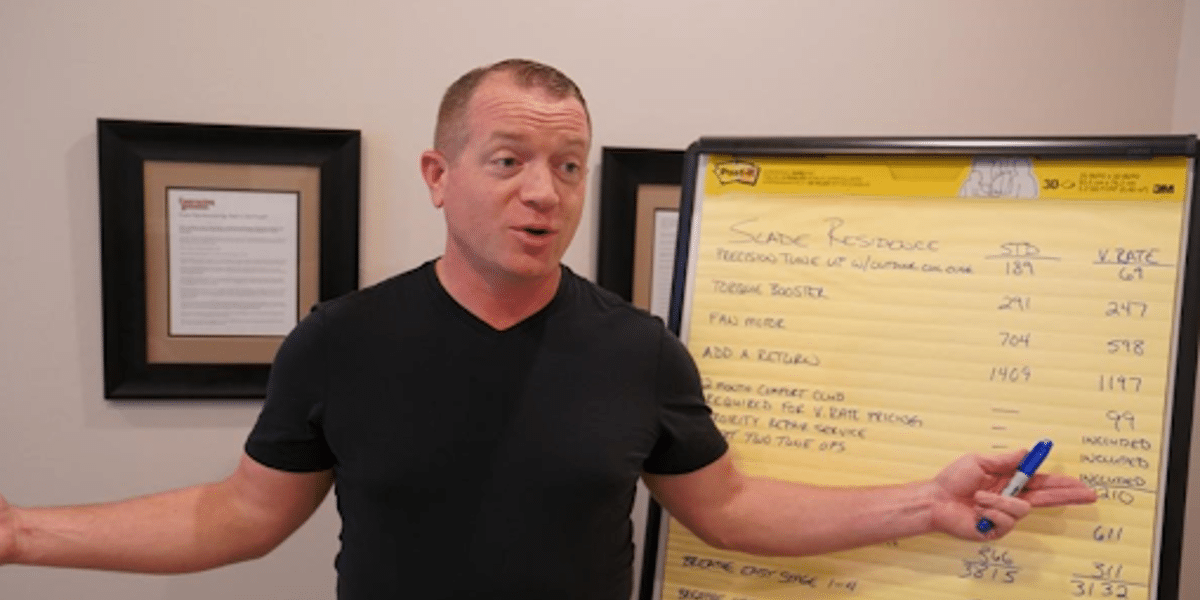
“We’re able to offer the king suite for three people at $10k,” Slade says. “That’s almost half the price per person of our previous trainings! We’re super excited about being able to host more technicians who want to take their sales jobs to the next level.”

Transformative Training Tactics

Students at the retreat will dive deep into Slade’s five-step EGSPA method, his hallmark approach to massively-increasing the sales of indoor air quality, water treatment, and more.

“The EGSPA method is one of the basics that takes my students farther than they imagined they could go,” Slade says. “It works for handling price objections, overlapping multiple services in one interaction, and genuinely improving the relationship you have with your clients.”

The method, backed by over 500 testimonials, is proven to significantly boost earnings for Lead Ninja students.

“I’ve seen attendees go from making $30,000-$40,000 a year to over $150,000 annually,” Slade says. “The transformation is profound, and it all starts with the right training.”

The Power of Networking

One of the key benefits of the retreat, especially one this big, is the opportunity to network with like-minded people.

“Putting two or three times as many people in a room means more ideas, more inspiration, and more connections!” Slade says. “Being surrounded by others who share your goals is incredibly motivating. That’s why we do these retreats so often. We all get so inspired — not just the students, but me, too.”

Continuing Education

The Lead Ninja Mastermind program offers ongoing virtual classes every Tuesday and Thursday at 9 AM EST, open to anyone interested in improving their sales skills. Retreat attendees, however, can access these sessions at a discounted rate, ensuring that their learning and sales growth continue long after the event ends.

“Continuous education is vital,” Slade says. “The Mastermind program keeps my students updated, inspired, and sharp.”

Personal Touch

The retreat is designed to be more than just a learning experience.

“I’m committed to providing a personalized training environment,” Slade says. “We don’t just have lectures all day, that would be pointless. We do hands-on learning with real-time feedback.”

Attendees will benefit from three days of intensive, interactive training.

“My goal is to make sure everyone leaves with actionable skills they can apply immediately,” Slade says. “From the first day of travel and orientation to the last day of departure, every moment is structured for maximum impact to boost your sales.”

New Milestone

Hosting the largest Lead Ninja Sales Retreat at the Great Elkmont Lodge Mansion marks a significant milestone for Slade, the rest of the Lead Ninja team, and, most importantly, the Lead Ninja students.

“This new location represents our commitment to growth and excellence,” Slade says. “We’ve come so far, and we’re going to keep growing, keep helping guys get home on time for dinner, with fat pockets.”

About Gene Slade

Gene Slade, CEO of Lead Ninja System and Lead Ninja AI, is a pioneering force in the realm of sales training, conversational AI, and business development in the HVAC, plumbing, and electrical industry. With a steadfast commitment to empowering professionals in the trades, Gene offers transformative coaching experiences that revolutionize the way business owners approach sales and growth through personalized guidance, community support, and access to exclusive resources. 

For more information, call or text Gene himself at (239) 848-6533 or visit his website at https://leadninjasystem.com/ and http://leadninjaai.com.

Published by: Nelly Chavez