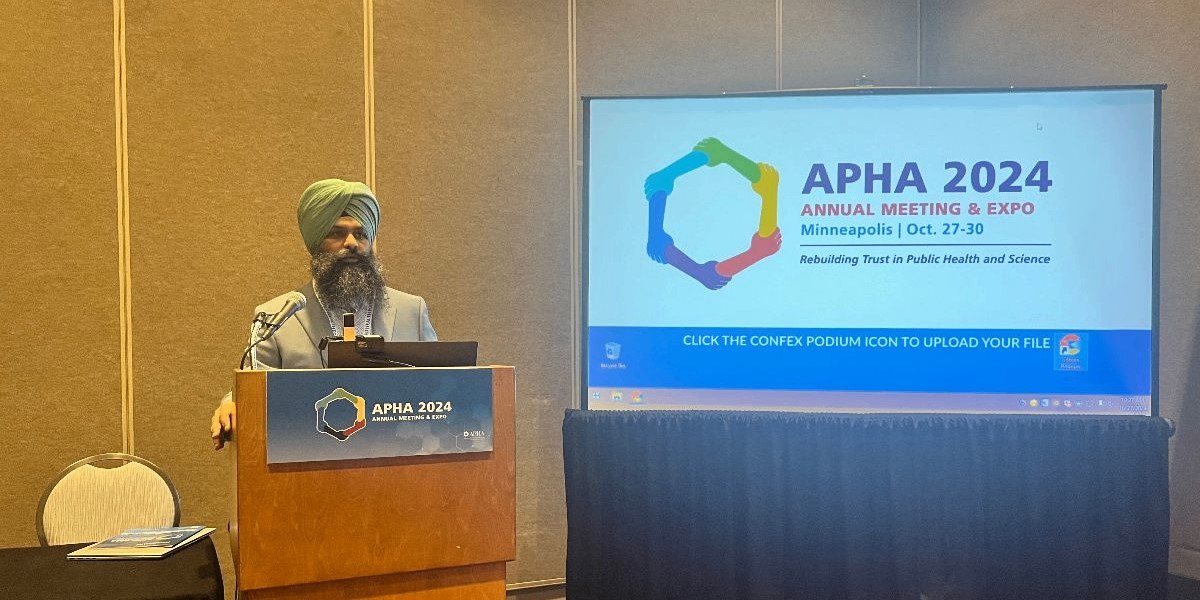
Sayed Abazar Wahidi: Faith, Creativity, and Bridging Generations

By: Travis Hutton

A Scholar, Filmmaker, and Spiritual Guide on Navigating Faith in the Modern World

Sayed Abazar Wahidi is a California-based Islamic scholar, filmmaker, and spiritual mentor dedicated to bridging the gap between tradition and modernity. Originally from Afghanistan, he spent over 12 years in Qom, Iran, pursuing advanced Islamic studies, including Dars Kharij, a rigorous theological education. His lineage is deeply rooted in Islamic scholarship, shaping his commitment to education, leadership, and faith-based community building.

Now residing in California, he serves as the Resident Alim at the Islamic Center of Fatimiyyah in Hayward, CA, where he works to make Islamic teachings more accessible, particularly for younger generations. Alongside his religious scholarship, Sayed Abazar Wahidi also holds a master’s degree in film and television writing and directing. This unique combination of fields allows him to explore storytelling as a means of spiritual reflection and engagement.

His work with Beacon of Guidance focuses on documenting transformative spiritual journeys, such as the Arbaeen pilgrimage, showcasing themes of unity, sacrifice, and justice through modern storytelling. Through his leadership, Wahidi continues to explore how faith can be preserved and reinterpreted in ways that resonate across generations.

In this exclusive Q&A, Wahidi shares his thoughts on spirituality in the digital age, the role of creativity in faith, and the responsibility of scholars in guiding the next generation.

Q&A with Sayed Abazar Wahidi

How do you see the role of an Islamic scholar evolving in today’s world?

The role of an Islamic scholar has never been static. It has always been about guidance, understanding the needs of the time, and connecting people to faith in ways that are relevant to their lives. Today, the challenge is even more significant because the world is more connected, yet people often feel more spiritually distant than ever.

As scholars, we can no longer rely solely on traditional teaching methods. We must be able to communicate across multiple platforms, engage with digital media, and understand the struggles that young people face today. It’s not enough to teach the laws of Islam—we have to show how faith is a source of strength, clarity, and purpose in modern life.

You have a background in both Islamic theology and filmmaking. How do these two fields connect?

For many, faith and art seem like separate worlds, but they are deeply connected. Islam is full of storytelling—the Quran is filled with narratives that teach lessons, shape our moral compass, and inspire reflection.

Film is another form of storytelling that can visually and emotionally engage people. My passion for filmmaking comes from a desire to make faith feel alive for those who struggle with traditional learning methods. Through documentaries on the Arbaeen pilgrimage or short films exploring spiritual themes, visual storytelling is a powerful way to bridge faith and modernity.

Many young people today feel disconnected from faith. What do you think is the main reason for this?

The disconnection comes from two significant challenges—miscommunication and distraction. Many young people are not rejecting faith; they are rejecting how it is sometimes presented to them. They won’t engage with faith if faith feels rigid, distant, or irrelevant to their lives. But it becomes meaningful when faith is explained in a way that connects to their struggles, aspirations, and personal growth.

The second challenge is distraction. We live in an age of constant noise—social media, entertainment, fast information—but minimal reflection. Young people are bombarded with content, yet they rarely have moments of stillness to think about more profound questions: Who am I? What is my purpose? What does faith mean to me? Part of my work is to help create those moments of pause and reflection in a world that rarely allows them.

What is the significant misconception people have about spirituality?

It requires perfection, and many people think they must be at a certain level of religious commitment before truly being “spiritual.” This is entirely false. Spirituality is a journey, not a destination. There are ups and downs, moments of clarity, and moments of doubt.

Imam Hussain (AS) didn’t fight for already ideal people—he fought for those struggling to uphold righteousness in difficult times. Faith is not about never making mistakes; it’s about returning to Allah, realigning with our values, and constantly striving to be better.

Your work focuses a lot on the Arbaeen pilgrimage. What makes it so unique?

Arbaeen is the outstanding example of faith in action. It’s not just a physical journey; it’s a spiritual and emotional awakening. When millions of people, from different backgrounds, ethnicities, and social classes, walk together towards one purpose—honoring Imam Hussain (AS) and the values he stood for—something profound happens.

It is a reminder that faith is not just about personal devotion but unity, justice, and standing for what is right. Arbaeen shows us what true brotherhood and sisterhood look like in a world that often feels divided.

With so much misinformation about Islam online, how can people find reliable sources of knowledge?

The internet is a double-edged sword. It has made Islamic knowledge widely available, but it has also given a platform to people who spread misinformation. The ideal way to navigate this is to seek wisdom from scholars with both traditional learning and an understanding of modern issues.

A simple rule I always tell people: If something pushes you away from Islam rather than bringing you closer, question the source. Actual Islamic teachings always lead to clarity, not confusion.

What is one daily habit you recommend for strengthening faith?

Reflection. Even if it’s just five minutes a day, think about your actions, intentions, and connection with Allah (SWT). This could be after prayer, during a quiet moment, or even while journaling. The key is to pause and assess. Growth doesn’t happen by accident—it happens through conscious self-awareness.

What message would you give to young Muslims struggling with their identity?

You don’t have to choose between being modern and being Muslim. Islam does not limit you; it guides you to be your ideal self. Embrace your faith in a way that feels authentic to you. Ask questions. Seek knowledge. Surround yourself with people who inspire you.

And remember, faith is a journey, not a checklist. Take it step by step, and trust that Allah (SWT) sees every effort you make.

Final Thoughts

Sayed Abazar Wahidi is not just a scholar but a storyteller, mentor, and bridge between tradition and the modern world. His work continues to inspire a new generation of Muslims to find faith in creativity, meaning in reflection, and strength in community. Through education, film, and leadership, he is redefining how Islamic teachings can be shared and experienced in today’s world.


Published by Jeremy S.

Les Roberts on Art, Curation, and the Future of Collecting

By: Travis Hutton

Les Roberts: Bridging the Classical and Contemporary Art Worlds

Les Roberts is the Director of Miami Fine Art Gallery, a premier destination for collectors and art lovers seeking a blend of historical masterpieces and contemporary innovation. Based in Miami, Florida, he has spent over 15 years curating exhibitions highlighting the connections between the past and present.

Originally from New York City, Les was immersed in art from a young age, exploring renowned museums and galleries. His passion led him to study Art History and Business at New York University, where he developed a scholarly and market-driven understanding of fine art. A prestigious internship at Sotheby’s gave him hands-on experience in valuation, curation, and the intricacies of the global art market.

Since taking the helm at Miami Fine Art Gallery in 2008, Les has brought together works by Rembrandt, Picasso, Warhol, and Banksy, showing how classical influences remain alive in modern creativity. He believes art is not just for collectors—it’s for everyone who wants to connect with emotion, history, and innovation.

In this exclusive Q&A, Les shares his thoughts on the psychology of collecting, how technology is changing the art world, and why great art always tells a story.

What drives your passion for art and curation?

Art has always been my way of making sense of the world. It’s history, emotion, and storytelling wrapped into one. I was drawn to curation because it allows me to bring pieces together in a way that sparks connections—not just between the works themselves, but between the audience and the art. Seeing someone experience that moment of recognition, when they truly connect with a piece, never gets old.

How do you balance classical and contemporary works in your gallery?

I don’t see them as separate worlds. The ideal contemporary artists are deeply influenced by those who came before them. The techniques, themes, and emotional depth all trace back to classical traditions. Picasso wouldn’t have been without studying African art and classical masters like Velázquez. Banksy’s social commentary isn’t all that different from Goya’s dark explorations of power and corruption. When you put a Rembrandt next to a contemporary hyperrealist, you see the conversation happening across centuries. That’s what excites me.

Why do people collect art?

There’s always an emotional reason, even if someone starts thinking they’re buying for investment. Art resonates with something inside us—memories, identity, aspirations. Some people collect because a piece reminds them of a place or moment. Others are drawn to works that reflect their personality or challenge their perspectives. There’s also the thrill of discovery—finding that one piece that speaks to you.

What role does technology play in the future of art?

It’s expanding how we experience art, not replacing traditional methods—enhancing them. Virtual galleries let people explore exhibitions from anywhere in the world. Augmented reality helps collectors visualize pieces in their space before buying. AI is even changing the way art is created, but at its core, art is still about human emotion and expression. Technology is another tool, like oil paint in the Renaissance or photography in the 19th century.

What’s one misconception people have about fine art?

That it’s only for the elite, art has always been for the people. The great masters weren’t painting for collectors; they were painting to capture the human experience. Whether you’re looking at a Renaissance fresco or a modern street mural, the goal is the same—telling a story, making you feel something. You don’t have to be an expert to appreciate art. If it moves you, that’s enough.

What’s a piece of advice you give to first-time collectors?

Start with what you love. Don’t buy something just because it’s a good investment—buy it because you can’t stop thinking about it. Trends change, markets fluctuate, but the right piece will always have value to you. Also, take your time. The ideal collections are built over years, and they are not rushed.

What’s a personal habit that helps you in your work?

I walk through the space alone every morning, before the gallery opens. No emails, no distractions—just me and the art. It resets my focus and reminds me why I do this.

How do you handle creative blocks or feeling uninspired?

I go back to the classics. Whenever I feel stuck, I revisit works that inspired me in the first place. Whether it’s a Rembrandt portrait or a Rothko color field, I always find something new in them. Art can teach you different lessons depending on where you are in life.

What’s the ideal lesson you’ve learned in your career?

Listen more than you talk. Everyone has a unique perspective on art, whether it’s an artist, a collector, or a fellow curator. The more I listen, the more I learn. And the more I learn, the better I become at what I do.

If you could own any piece of art, what would it be?

That’s almost impossible to answer. But if I had to choose, I’d say a Caravaggio. His use of light, drama, and intensity is breathtaking. His paintings feel alive in a way that very few artists have ever been able to achieve.

Final Thoughts

Art is about connection. Whether it’s a centuries-old masterpiece or a digital piece created last week, it can move us and make us see the world differently. That’s what keeps me excited every day. There’s always something new to discover, another story waiting to be told.


Published by Jeremy S.

What Winning a Global Recognition Award Means for a Supply Chain Business

By: Mae Cornes

The supply chain industry plays a critical role in keeping businesses connected, ensuring goods move efficiently across regions. With companies constantly striving to improve operations, earning recognition can make a significant difference. The Global Recognition Awards provide a chance for supply chain companies to gain credibility, strengthen their reputation, and open new doors for progress. Winning this award can signal leadership, attract valuable partnerships, and create fresh business opportunities.

Why Acknowledgment Matters

Efficiency and forward planning often set businesses apart in supply chain management. Those leading in logistics, technology, and strategic planning tend to attract top talent, secure investments, and build lasting business relationships.

The Global Recognition Awards celebrate businesses that strive to push performance to the next level. As one of the respected global awards, its process is thorough: starting with nominations, moving through an initial review, and ending with expert evaluations. Only the most exceptional contenders receive this honor.

“Winning a Global Recognition Award can lift a company’s reputation,” says Jethro Sparks, CEO of Global Recognition Awards. “It often opens new possibilities and can contribute to long-term success.”

How This Honor Can Transform a Business

Earning an international award can build credibility and influence, positioning a company as a trusted leader in supply chain management. It also may provide opportunities to form business relationships, expand into different regions, and reach new clients.

Standing apart is increasingly important in this industry. The Global Recognition Awards give businesses a platform to present their achievements and their dedication to high standards. Sparks puts it this way: “Receiving this award suggests that a company is ahead of others in supply chain management.”

Winning can also strengthen a company’s workforce. Employees often take pride in contributing to a business recognized for its accomplishments, potentially leading to better performance, stronger teamwork, and improved service.

Beyond internal benefits, award-winning businesses frequently attract media attention, expanding their presence and bringing in new clients. More visibility can lead to increased partnerships and fresh opportunities, helping companies grow their influence in the industry.

The Value of Awards in Supply Chain Management

The supply chain awards can serve as proof that a company is dependable, resourceful, and dedicated to strong business practices. These honors may reassure clients, investors, and partners that they are working with a company known for reliability and efficiency.

Trust and reputation are often critical in supply chain operations. Companies that receive these awards are frequently seen as top choices for partnerships. Media coverage from these recognitions can strengthen their credibility, positioning them as leaders in the field.

Opportunities That Come With This Recognition

Winning a Global Recognition Award can help businesses gain visibility, form valuable connections, and expand operations. These honors may help companies extend their reach and build stronger relationships within the supply chain sector. “Global recognition can shed light on what makes a business different, helping it stand apart,” explains Sparks.

This kind of acknowledgment can also benefit individuals. Professionals in supply chain management might use these awards to strengthen their reputation, creating opportunities for speaking engagements, leadership roles, and career growth.

The Global Recognition Awards offer a rare chance to gain international acclaim and solidify a company’s reputation as a trusted force in the field. Participating in this program can enhance credibility, attract new clients and investors, and spark progress and development.

Recognition Brings Strength in Supply Chain Operations

The Global Recognition Awards provide businesses with a moment to celebrate their achievements and showcase leadership in the field. Acknowledging outstanding work can reinforce trust, open new doors, and encourage businesses to keep improving.

Global recognition is increasingly valuable. Programs like the Global Recognition Awards can help companies stand apart and secure long-term success. Whether well-established or just beginning to gain ground, applying for this award could lead to fresh opportunities and a stronger presence in the industry.


Published by Joseph T.

Colleen Barker: An Expert in Medical Information & Pharmacy Informatics

Medical knowledge and pharmacy informatics are essential components of modern healthcare, helping to ensure that accurate, reliable data supports clinical decision-making and patient care. The integration of informatics in pharmacy has the potential to streamline medication management, reduce errors, and improve treatment efficiency. As technology continues to progress, healthcare organizations are increasingly relying on these systems to optimize workflows and improve safety measures.

As demonstrated by Colleen Barker, professionals in this field must possess a blend of clinical knowledge and technical expertise, allowing them to bridge the gap between healthcare and digital innovation. With advancements such as artificial intelligence, telepharmacy, and predictive analytics, the landscape of pharmacy informatics is evolving rapidly, creating new opportunities. As regulatory requirements and data security concerns continue to shape industry standards, staying updated on new developments is important for those working in this dynamic field.

Medical Information & Pharmacy Informatics

Medical information involves collecting, evaluating, and disseminating drug-related data to support healthcare decisions. It ensures that professionals and patients have access to accurate and up-to-date knowledge about medications, treatment guidelines, and potential drug interactions. Pharmacy informatics, on the other hand, integrates technology into medication management to streamline processes, reduce errors, and enhance patient safety. These two fields overlap in many ways, particularly in optimizing electronic health records and clinical decision support systems.

Core Responsibilities & Industry Applications

Experts play a key role in ensuring the accuracy and accessibility of drug-related data. They assess and verify medication details, offering guidance to healthcare professionals on proper usage, dosage adjustments, and potential adverse effects. Their expertise helps reduce medication errors and supports clinical decision-making, contributing to improved patient outcomes.

These professionals also contribute to the development and optimization of informatics systems used in hospitals and pharmaceutical companies. A well-designed system can alert physicians to drug interactions or recommend alternative treatments based on a patient’s history. Regulatory compliance is another key aspect, requiring specialists to stay updated on changing policies to ensure healthcare institutions meet industry standards.

The application of pharmacy informatics extends to research and development, where data-driven insights can help pharmaceutical companies refine drug formulations and monitor post-market safety. With the healthcare industry becoming more digital, the demand for professionals who can bridge the gap between clinical expertise and technology is expected to grow.

Essential Skills & Educational Pathways

A strong foundation in pharmacy, healthcare technology, and data management is essential for those looking to specialize in this field. Many professionals start with a degree in pharmacy, followed by additional training in informatics, which equips them with the knowledge to navigate electronic health records, clinical databases, and automated medication systems. Familiarity with programming languages or data analytics can be beneficial when working with complex healthcare software.

Beyond technical expertise, critical thinking and problem-solving skills are equally important. A pharmacy informatics specialist may need to troubleshoot system malfunctions, interpret vast amounts of clinical data, or develop strategies to enhance workflow efficiency. Attention to detail is vital, as even minor errors in medication records or automated dispensing systems can have significant consequences.

Communication skills also play a major role, as these professionals often collaborate with physicians, nurses, IT teams, and regulatory agencies. The ability to translate complex medical and technological concepts into clear, actionable insights helps healthcare teams make informed decisions with confidence. Effective communication also enhances interdisciplinary teamwork, leading to more efficient implementation of informatics solutions across healthcare settings.

Impact on Patient Safety & Healthcare Efficiency

Accurate medical information is critical in preventing medication errors, which may have serious consequences for patient health. Pharmacy informatics helps minimize these risks by integrating decision-support tools that alert healthcare providers to potential drug interactions, allergies, or contraindications. By ensuring that the right medication reaches the right patient at the right time, these systems contribute to safer and more effective treatment outcomes.

Automated dispensing systems, electronic prescribing, and real-time data access reduce administrative burdens, allowing healthcare professionals to focus more on direct patient care. Hospitals and pharmacies that leverage these technologies often see improved coordination between departments, leading to faster response times and better resource management. The ability to track medication inventory in real time and predict supply needs can help prevent shortages and ensure continuous, uninterrupted patient care.

Emerging Trends & Future Developments

The field of pharmacy informatics is rapidly evolving, with artificial intelligence and machine learning playing an increasingly significant role. These technologies are being used to analyze vast amounts of clinical data, helping predict patient responses to medications and identifying potential risks before they become critical. The integration of predictive analytics into healthcare decision-making is transforming how treatments are tailored to individual patients.

Another major shift is the growing reliance on telepharmacy and remote medication management. Digital platforms now enable pharmacists to provide consultations, monitor prescriptions, and support healthcare teams from a distance. As telehealth continues to expand, the need for secure and efficient informatics solutions is expected to increase, ensuring that patients receive high-quality care regardless of location.

Regulatory changes and data privacy concerns also play a role in shaping the future of this field. With the growing emphasis on interoperability and secure data sharing, professionals must stay ahead of compliance requirements to maintain trust and efficiency in healthcare systems. The development of blockchain technology in medical records is another innovation that could enhance security, ensuring patient data remains protected while being easily accessible to authorized healthcare providers.


Published by Stephanie M.

K2 Pure Solutions: How to Minimize Chlorine Transportation Risks

Chlorine plays a vital role in various industries, but its transportation presents challenges that require careful management. The professionals at K2 Pure Solutions understand that, due to its toxic and corrosive nature, even a minor leak could potentially lead to serious health hazards and environmental impacts.

Regulatory agencies enforce strict guidelines to help ensure chlorine is transported safely, but challenges such as human error, equipment failure, and external factors like weather conditions still exist.

Advances in technology, improved transportation methods, and alternative solutions are helping to reduce these risks. By prioritizing safety, industries can continue using chlorine effectively while minimizing potential dangers associated with its movement.

Understanding Chlorine and Its Transportation Risks

Chlorine is widely used in industries such as water treatment, pharmaceuticals, and manufacturing. Given its hazardous nature, transporting it requires robust safety measures to mitigate potential dangers. Chlorine is typically moved in pressurized tanks or cylinders, which necessitates proper handling protocols to avoid leaks or exposure.

Accidental chlorine releases can lead to significant risks to public health and the environment. Even a small leak could cause respiratory issues, eye irritation, or more severe health effects. In densely populated areas, an uncontrolled chlorine release may result in large-scale evacuations and emergency responses.

Past incidents have demonstrated that transportation accidents involving chlorine can have severe consequences. A derailment or punctured container might escalate into a hazardous situation, underscoring the importance of stringent safety regulations and improved risk management strategies. Authorities and industry leaders continue to refine protocols, ensuring that lessons learned from previous incidents inform future prevention efforts.

Hazards and Safety Challenges

Transporting chlorine involves multiple dangers, particularly when containers are damaged or mishandled. Since chlorine is a toxic gas at room temperature, any uncontrolled release could spread rapidly, posing serious health risks. Inhalation can lead to breathing difficulties, lung damage, or even fatalities in high concentrations. Chlorine’s corrosive nature also makes it damaging to infrastructure, increasing the risk of long-term environmental harm.

Weather conditions and human error further complicate transportation safety. High temperatures may increase pressure inside storage tanks, while improper handling during loading or unloading could result in accidental leaks. In busy transportation routes, even a minor chlorine spill could escalate into a large-scale emergency, requiring prompt containment measures to prevent widespread damage. Delays in response time can turn a manageable incident into a more significant crisis, making preparedness a key factor in mitigating risks.

One of the primary challenges is ensuring that all personnel handling chlorine are adequately trained. Without adherence to safety protocols, mistakes could occur, leading to preventable accidents.

Regulations and Industry Standards

Strict regulations govern chlorine transportation to reduce risks and protect both workers and the public. Agencies such as the U.S. Department of Transportation (DOT) and the Occupational Safety and Health Administration (OSHA) have established guidelines for handling, labeling, and transporting hazardous chemicals. Companies must comply with these rules to help ensure chlorine is moved safely, minimizing risks to communities.

One key requirement is the use of specialized containers designed to withstand pressure and prevent leaks. Tank cars, pipelines, and cylinders must meet rigorous inspection standards before they are allowed to transport chlorine. Non-compliance with these regulations can result in fines, legal consequences, and, more importantly, serious safety incidents. Regular audits and compliance checks help reinforce accountability, ensuring safety measures are consistently upheld.

In addition to government regulations, industry best practices are essential in minimizing risks. Many companies implement additional safety measures, such as real-time monitoring systems and emergency response plans, to provide an added layer of protection.

Safer Transportation Methods

Advancements in transportation technology have helped improve chlorine safety. Modern tank cars and containers are built with reinforced materials to withstand external impacts, reducing the likelihood of leaks in case of an accident. Automated pressure control systems help maintain stable conditions inside storage units, preventing dangerous pressure fluctuations that could lead to ruptures. Real-time tracking systems enable operators to monitor shipments closely, allowing for immediate intervention if irregularities are detected.

Routing strategies are also important in minimizing risks. Companies often plan transportation routes that avoid densely populated areas whenever possible, reducing the potential for mass exposure in the event of an emergency. Additionally, strict loading and unloading procedures ensure that chlorine is transferred without unnecessary exposure, decreasing the likelihood of human-related errors. Comprehensive risk assessments help determine the safest routes and procedures based on historical data and predictive analysis.

Emergency response protocols have also evolved to address chlorine-related incidents more effectively. Specialized containment equipment and rapid-response teams are trained to handle leaks quickly, preventing small issues from turning into large-scale disasters.

Alternative Solutions to Reduce Transportation Needs

One approach to minimizing chlorine transportation risks is to reduce the need for long-distance transport altogether. Some industries have adopted on-site chlorine generation systems, enabling them to produce the chemical as needed rather than relying on external shipments. This approach not only enhances safety but also helps lower logistical costs and delays. On-site production also reduces dependency on external supply chains, ensuring uninterrupted operations even in times of transportation disruptions.

In some cases, alternative chemicals can replace chlorine in industrial applications. Advanced water treatment methods, such as ozone or ultraviolet disinfection, have gained traction as effective substitutes in municipal water systems. While not universally applicable, these alternatives can reduce chlorine dependency, ultimately decreasing the number of shipments required. Research into safer, equally effective disinfectants continues to expand, offering more options for industries seeking to transition away from chlorine-based processes.

By investing in localized production and safer substitutes, industries may significantly lower the risks associated with chlorine transportation. Companies that prioritize these strategies contribute to both environmental safety and long-term cost savings.

Advancing Safety in Chlorine Management

Innovation continues to shape the future of chlorine handling and transportation. Real-time tracking systems now allow companies to monitor shipments closely, identifying potential issues before they escalate. Sensors capable of detecting leaks at early stages offer an additional layer of security, ensuring corrective actions can be taken promptly. The integration of artificial intelligence in predictive maintenance helps identify potential flaws in containers before failures occur, further enhancing transportation safety.

Collaboration between regulatory agencies and industry leaders has also contributed to the development of improved safety frameworks. Regular inspections, updated protocols, and enhanced training programs ensure workers remain well-equipped to handle chlorine safely. These efforts help reinforce a culture of safety and accountability within the industry. Sharing best practices through industry conferences and training workshops further strengthens overall safety awareness.

As technology and best practices evolve, the goal remains the same: reducing risks while maintaining efficiency. The ongoing development of safer transportation methods, alternative solutions, and rigorous safety measures ensures that chlorine continues to be used responsibly without compromising public health or environmental integrity.


Published by Stephanie M.

CarGuard Administration on the Risks of Driving Without a Vehicle Protection Plan

By: Chris Gallagher 

Owning a car provides convenience, but it also comes with an often-overlooked financial burden: repair costs. Many drivers assume that major auto repairs are rare or won’t be an issue for years, but the reality is far less forgiving. One unexpected breakdown can lead to repair bills totaling thousands of dollars—an expense most car owners aren’t financially prepared for.

Without a vehicle protection plan, drivers face the full brunt of these costs, often leaving them scrambling for solutions, delaying necessary repairs, or even being forced to give up their vehicle. CarGuard Administration understands these challenges and provides drivers with financial security against unforeseen repair expenses. Their vehicle protection plans serve as a critical safety net, ensuring that unexpected mechanical failures don’t turn into financial disasters.

In this editorial, we’ll explore the rising costs of vehicle repairs, the financial consequences of driving without coverage, and why CarGuard Administration Inc. is a trusted provider of vehicle protection plans that help drivers stay prepared and protected.

The Rising Costs of Auto Repairs

Auto repair costs have steadily risen over the past decade due to rising labor rates, expensive replacement parts, and the growing complexity of modern vehicles. What used to be a minor fix can now cost thousands of dollars, placing an unexpected financial strain on car owners.

According to a 2023 AAA report, the average cost of a new engine replacement ranges from $4,000 to $7,000, while transmission repairs typically fall between $3,000 and $5,000. Even seemingly minor electrical system failures can be priced anywhere from $1,000 to $3,500, depending on the issue and the vehicle model. These costs can be even higher for luxury or electric vehicles, where specialized parts and labor drive up expenses.

The rising costs of vehicle repairs are due to several factors:

  • Advanced Technology: Modern vehicles feature complex electrical systems, sensors, and computer modules that require specialized diagnostics and repairs.
  • Parts Shortages: Global supply chain disruptions have increased the cost of replacement parts.
  • Labor Costs: Skilled mechanics and technicians are in high demand, driving up hourly repair rates.

For example, a driver experiencing sudden transmission failure may be left with a repair bill of $4,500 or more. Without a vehicle protection plan, they must either pay out-of-pocket, seek financing, or delay repairs—potentially leading to further vehicle damage.

With repair costs on the rise, drivers need to make informed judgment calls when it comes to protecting their vehicle investment. Instead of worrying about unpredictable expenses, drivers can rely on affordable, fixed monthly payments that provide peace of mind.

The Financial Impact of Driving Without a Vehicle Protection Plan

Many drivers don’t budget for major auto repairs, assuming routine maintenance will be enough to keep their vehicle in working condition. Unfortunately, unexpected breakdowns can happen at any time, leaving car owners with significant out-of-pocket expenses. Without a vehicle protection plan, these costs can quickly become overwhelming, forcing drivers to make difficult financial decisions.

For instance, if a car’s fuel system malfunctions, repairs could range from $1,500 to $3,000, depending on the make and model. If a driver doesn’t have immediate funds available, they may have to:

  • Use high-interest credit cards to cover repair costs.
  • Delay repairs, which could lead to further damage and even higher expenses.
  • Take out a loan, adding more financial strain in the long run.

A vehicle protection plan from CarGuard Administration Inc. eliminates the stress of these situations by providing coverage for costly repairs. Rather than facing a sudden financial burden, drivers pay a predictable monthly amount to ensure their vehicle remains in working order. CarGuard Admin offers plans that cover essential components like the engine, transmission, and electrical systems, helping customers avoid unexpected repair bills.

Additionally, a vehicle protection plan can improve overall financial stability. Without one, a driver who experiences multiple repairs in a short period may struggle to keep up with payments, potentially leading to missed obligations and credit issues. In contrast, those with coverage enjoy greater peace of mind, knowing their finances are protected against sudden repair expenses.

How Vehicle Protection Plans Help Avoid Financial Pitfalls

A vehicle protection plan is often confused with an extended warranty, but there are key differences. Unlike warranties that are typically limited to manufacturer defects, a vehicle protection plan covers a broader range of repairs that arise from normal vehicle use. These plans provide coverage beyond the original manufacturer’s warranty, ensuring that drivers aren’t left paying out-of-pocket for major mechanical failures. Unexpected repairs can stall progress, but a well-structured vehicle protection plan keeps everything in motion, preventing costly delays and financial setbacks.

CarGuard Administration specializes in comprehensive vehicle protection plans that help drivers manage unexpected repairs. Their coverage options include:

  • Protection against costly mechanical failures, such as transmission, engine, and electrical system breakdowns.
  • Roadside assistance, including towing, battery jump-starts, and flat tire changes.
  • Rental car reimbursement, ensuring drivers remain mobile while their vehicle is being repaired.

By investing in a vehicle protection plan from CarGuard Admin, drivers gain access to these benefits and more. The ability to budget for vehicle repairs rather than facing unpredictable expenses makes these plans a smart financial move.

Additionally, CarGuard Administration Inc. prioritizes customer satisfaction by offering flexible coverage options to fit different budgets and driving needs. CarGuard Administration ensures transparency and clarity in their agreements, making it easy for customers to understand their coverage without hidden clauses or unexpected exclusions.

Choosing a vehicle protection plan isn’t just about avoiding repair costs—it’s about financial planning and security. Drivers who take a proactive approach with CarGuard Administration Inc. can enjoy peace of mind, knowing they are covered in case of sudden breakdowns.

Why Choose CarGuard Administration?

Not all providers offer the same level of service and reliability when it comes to vehicle protection plans. CarGuard Administration Inc. has earned a reputation for providing comprehensive, customer-focused coverage, ensuring that drivers receive the financial protection they need.

Here’s why CarGuard Admin stands out:

1. Flexible Coverage Options

Drivers can choose from a variety of vehicle protection plans to match their budget and driving habits. Whether a customer needs basic powertrain coverage or comprehensive protection, CarGuard Administration provides tailored options.

2. Hassle-Free Claims Process

CarGuard Administration ensures a smooth claims process, keeping everything in motion so that drivers can get back on the road as quickly as possible. When a covered breakdown occurs, customers can easily file a claim and receive quick approvals, helping them get back on the road without unnecessary delays.

3. Additional Benefits for Peace of Mind

Beyond covering repair costs, CarGuard Administration Inc. offers added services like:

  • 24/7 Roadside Assistance – Including towing, battery jumps, and emergency fuel delivery.
  • Rental Car Reimbursement – Ensuring customers stay mobile during repairs.
  • Nationwide Coverage – Allowing drivers to receive service at repair facilities nationwide.

4. Transparency and Customer Trust

CarGuard Administration is committed to clarity and fairness, ensuring customers can make informed decisions with good judgment when selecting the right coverage. The company maintains transparency in its policies and legal standings, reinforcing its commitment to customer satisfaction.

Choosing a vehicle protection plan from CarGuard Administration Inc. means investing in financial security, convenience, and peace of mind. Drivers can enjoy their vehicles with confidence, knowing they are protected from the high costs of unexpected breakdowns.

Investing in Peace of Mind

Driving without a vehicle protection plan is a financial risk that too many drivers overlook—until they’re faced with an expensive repair bill. The cost of engine failures, transmission repairs, and electrical system malfunctions continues to rise, making it more important than ever to have a safety net in place.

Without protection, car owners may struggle with unexpected out-of-pocket expenses, forcing them to take on debt, delay necessary repairs, or even lose access to their vehicle. In summary, drivers who invest in a vehicle protection plan from CarGuard Administration Inc. gain financial security, convenience, and peace of mind.

CarGuard Administration goes beyond just covering repairs—it provides drivers with roadside assistance, rental car reimbursement, and a hassle-free claims process. The commitment to transparency and customer satisfaction ensures that every policyholder understands their coverage and receives the support they need.

For those who rely on their vehicles daily, a CarGuard Administration vehicle protection plan is not just an option—it’s an essential investment in financial security and convenience. Don’t wait until an unexpected breakdown leaves you with a hefty bill—protect your vehicle today with CarGuard Admin and drive with confidence.

Published by Tom W.

Dr. Teresa Tyson, DNP: Working Toward More Efficient Rural Healthcare

Rural healthcare faces a multitude of challenges, ranging from limited access to medical services and shortages of healthcare professionals. Geographic isolation, financial constraints, and inadequate infrastructure often can prevent residents from receiving timely and effective care. However, as noted by Dr. Teresa Tyson, DNP, advancements in technology, policy support, and community-driven initiatives are increasingly helping to address these gaps. Telehealth, mobile clinics, and electronic health records have shown potential in improving accessibility, while incentive programs may encourage healthcare professionals to work in rural areas.

Strengthening healthcare networks and investing in long-term solutions could help create a more equitable system, potentially ensuring that rural populations receive the care they need without unnecessary barriers. Addressing these issues likely requires a collaborative approach, combining innovation, policy reform, and community engagement to build a sustainable healthcare model for the future.

Overcoming Barriers to Rural Healthcare

Many rural communities struggle with limited access to healthcare facilities and specialists, often forcing residents to travel long distances for care. This can lead to delayed diagnoses and untreated conditions, potentially worsening health outcomes over time. In some cases, small hospitals and clinics may struggle to stay open due to financial challenges, further reducing healthcare options. Without targeted intervention, these closures could leave entire communities without access to basic medical services, making routine care significantly more difficult.

Geographic isolation poses notable challenges, especially in areas with poor infrastructure or harsh weather conditions. Rural roads can be difficult to navigate, making it harder for patients to reach healthcare providers in emergencies. Without reliable transportation, elderly individuals and those with chronic illnesses often miss medical appointments.

The financial strain affects both healthcare providers and patients. Many rural hospitals operate on tight budgets, which can limit their ability to offer specialized services or invest in advanced medical equipment. Patients, particularly those without insurance, may struggle to afford necessary treatments, potentially leading to lower rates of preventive care and higher rates of chronic disease. In some cases, financial hardships might force patients to delay seeking medical attention until conditions become severe, increasing the burden on already overstretched healthcare systems.

Expanding Access Through Innovation

Telehealth has emerged as a promising solution for rural healthcare, allowing patients to connect with specialists without the burden of long travel times. Virtual consultations can enable timely diagnoses, follow-up care, and mental health support, potentially reducing the strain on local providers. With improved broadband infrastructure, more rural residents may take advantage of remote medical expertise that was once out of reach. Additionally, digital platforms can provide educational resources and diagnostic support, empowering individuals to manage their health proactively.

Mobile clinics and outreach programs have shown promise in bringing essential healthcare services directly to residents. From preventive screenings and vaccinations to acute and chronic disease management, these traveling medical units can help address gaps in rural regions where hospitals are scarce. In some communities, partnerships between urban hospitals and rural providers have begun to strengthen healthcare access, ensuring that patients receive specialized treatment when needed while still maintaining care close to home.

Addressing the Healthcare Workforce Shortage

Recruiting and retaining healthcare professionals in rural areas remains a significant challenge. Incentive programs, including student loan forgiveness and competitive salaries, have shown potential in encouraging more healthcare graduates to work in underserved regions. Some states have experimented with residency programs specifically designed to train doctors in rural settings, which may increase the likelihood that they will stay long-term.

Beyond financial incentives, development opportunities and mentorship programs can help sustain a motivated workforce. When physicians, nurses, and other healthcare workers feel supported in their careers, they may be more likely to remain in rural communities. Strong community ties also appear to play a role in retention, as local engagement fosters a sense of belonging and commitment to patient care. Many healthcare workers who develop close relationships with their patients often find the work deeply fulfilling, further motivating them to stay.

Many rural clinics and hospitals have begun to adopt innovative hiring strategies, such as recruiting healthcare providers who have personal connections to the area. Healthcare providers who grew up in rural communities are often more likely to return and serve their hometowns, ensuring a dedicated and invested workforce that understands the unique challenges of rural healthcare.

Enhancing Patient Care with Technology

The integration of electronic health records has shown potential in streamlining patient care, ensuring that medical histories are easily accessible to providers regardless of location. This has been particularly beneficial in rural areas where patients may see multiple doctors across different facilities. A unified system can reduce errors, improve coordination, and enhance treatment outcomes. By reducing paperwork and administrative burdens, healthcare professionals may be able to focus more on patient care rather than documentation.

Remote monitoring tools have also shown promise in revolutionizing chronic disease management, allowing healthcare professionals to track conditions like diabetes or heart disease in real-time. Patients can often receive timely interventions without frequent trips to a clinic, easing the burden on individuals and medical staff. In many cases, wearable devices and AI-driven diagnostics have begun to empower rural residents to be more proactive about their health. These innovations may not only improve patient outcomes but could also reduce hospital readmissions, easing pressure on already strained facilities.

Strengthening Community and Policy Support

Local initiatives have played an important role in securing funding for rural healthcare programs. Community-driven efforts, such as fundraising campaigns and nonprofit collaborations, have helped sustain essential services that might otherwise be unavailable. In some regions, advocacy groups have successfully lobbied for policy changes that address healthcare disparities, potentially ensuring that rural patients receive the same level of care as their urban counterparts. Grassroots movements have also raised awareness about the critical need for healthcare access, influencing policymakers to take action.

Public-private partnerships have emerged as a potential solution for long-term healthcare improvements. By combining government support with private investment, rural healthcare facilities have been able to expand services, upgrade medical equipment, and attract skilled professionals. These collaborations often lead to sustainable models that enhance healthcare accessibility without placing financial strain on local governments.

Building a Sustainable Future for Rural Healthcare

Investing in infrastructure is widely regarded as key to ensuring that rural healthcare systems remain viable. Upgrading facilities, improving transportation networks, and expanding broadband and satellite access can all contribute to a more efficient and effective healthcare system. Without these improvements, even the most well-intentioned programs may struggle to make a lasting impact. Sustainable investments in these areas could create long-term benefits, enabling rural communities to receive care without unnecessary delays.

Long-term sustainability likely requires collaboration between healthcare providers, policymakers, and community leaders. When all stakeholders work together, solutions are more likely to address the specific needs of rural populations. By fostering innovation and prioritizing rural healthcare in national discussions, meaningful progress can potentially be made toward a future where quality medical care is accessible to all, regardless of location.

Dr. Teresa Tyson, DNP, & Health Wagon


Disclaimer: This content is for informational purposes only and is not intended as medical advice, nor does it replace professional medical expertise or treatment. If you have any concerns or questions about your health, always consult with a physician or other healthcare professional.

Published by Tom W.

Jose Bolaños: The Presence-Based Coach Transforming Home Service Leadership

By: Alexandra Perez

Over two decades ago, a transformative journey began in Nicaragua’s heart. Jose Bolaños, now a leadership coach, has dedicated himself to guiding business leaders, particularly in the home service industry. His journey reflects resilience, personal growth, and a strong commitment to supporting others in achieving their goals.

A Pivotal Decision: The Start of a Coaching Journey

Bolaños’s coaching journey began at 21 when he decided to sober up. “It wasn’t even like a need. It was more like the opportunity to sober up presented itself,” Bolaños recalls. This decision led him to his uncle, who introduced him to the transformative guide of 12-step programs and leadership through outdoor experiential learning. These early exposures to personal and organizational transformation planted the seeds for his future in coaching.

“I started connecting with these transformation processes,” Bolaños says. “The big issue I saw was people complaining about their lives… being victims of their circumstances.” This observation fueled his passion for helping individuals break free from limiting beliefs and embrace the sacredness of life.

A Holistic Approach: Presence-Based Leadership

Bolaños’s dedication to personal development led him to study under Doug Silsbee, a pioneer in Presence Based Coaching. “Doug’s unique approach of bringing presence to leadership was key to my development,” Bolaños explains. Over a decade, he honed his skills, immersing himself in breathwork, embodiment practices, and leadership coaching. This comprehensive foundation became the cornerstone of his coaching methodology.

Unbreakable: A Flagship Program Born from Crisis

In 2018, amid political instability in Nicaragua, Bolaños launched his flagship program, Unbreakable. “It was the answer to the context,” he says. “I synthesized it in four hours, including presence practices, breathwork, stress management, and the ice bath.” Designed to address crisis and resilience, this program quickly gained traction, making a difference for many individuals across multiple countries.

Expanding Reach: From Digital Marketing to Home Service Leadership

Bolaños’s work caught the attention of a digital marketing company, which served as a bridge to the U.S. market. Initially coaching digital marketers, Bolaños soon shifted focus to the home service industry. “There was an emotional connection with the home service business owner,” Bolaños reflects. “My father was a roofer… trying to build his own roofing company.”

This personal connection led Bolaños to concentrate on home service business leaders, offering a unique blend of presence-based leadership coaching. “My approach is Zen,” he states. “It’s from the inside out. You’ll learn to deal with everything from the inside out.” His methodology emphasizes emotional intelligence, presence, and self-awareness, addressing the human side of business leadership.

Impact Beyond Business: Families and Communities

Bolaños’s impact extends far beyond individual leaders. “You’re not my client. My client is your family,” he emphasizes. His experience working with ex-military personnel, law enforcement, and first responders reflects the broad reach of his approach. He focuses on helping individuals develop leadership skills and build stronger relationships through resilience and presence.

A Global Vision: Bridging Gaps Across Cultures

As Bolaños continues to expand his reach, his vision remains clear. “I don’t want to be the Simon Sinek of Nicaragua. I want to be the Jose Bolaños of the world,” he asserts. With his bilingual abilities and deep understanding of both Nicaraguan and American cultures, Bolaños is uniquely positioned to bridge cultural gaps and promote leadership growth on a global scale.

VUCA: Preparing Leaders for a Complex Future

Bolaños’s coaching is grounded in VUCA – volatility, uncertainty, complexity, and ambiguity. “If we can name it, we can tame it,” he explains. “We need to be VUCA capable, which means managing whatever life offers you.” This philosophy is central to his coaching, helping clients navigate the complexities of personal and professional life with resilience and presence.

Empathy in Coaching: A Personal Connection to Home Service Leaders

Bolaños’s connection to the home service industry enhances the effectiveness of his coaching. “I remember my dad would come home with his fingers cut… trying to bring up a family with his labor. There’s a connection there that I didn’t feel with digital marketers,” he shares. This empathy makes his coaching particularly impactful for those in the home service industry, who often face unique challenges.

Expanding Capacity: Transforming Leaders’ Lives

At the heart of Bolaños’s work is expanding his clients’ capacity. “My clients go from emotional instability, overwhelmed stress, and anxiety to strength, stability, presence, and capacity,” he explains. “What would affect them for weeks? They can now manage it in a day.” This transformation improves their professional lives and enhances their relationships, creating a holistic approach to leadership and well-being.

Practical Leadership Advice: Focusing on the Basics

Bolaños’s advice to leaders is clear and actionable. “Good sleep, good eats, and good movement,” he emphasizes. He also encourages seeking professional help: “Hire a coach, work with somebody. Don’t try to do it alone.”

Personalized Coaching: Boutique and Impactful

Bolaños’s approach is intensely personalized. “I work with 15 clients at a time,” he shares. “It’s a boutique-style company, business, practice.” This intimate setting allows him to offer focused, impactful coaching, helping each client receive the attention and guidance needed to thrive.

Transforming Home Service Leadership

Jose Bolaños continues to work with businesses and individuals, drawing on his experiences in personal growth and presence-based leadership. His approach integrates resilience, empathy, and expertise, focusing on leadership development in the home service industry.


Disclaimer: The views and insights expressed in this article are those of Jose Bolaños and reflect his personal experiences and coaching philosophy. They are intended for informational purposes only and should not be considered as professional advice. Individuals seeking coaching or leadership guidance should consult a qualified professional for personalized recommendations. The impact of coaching may vary based on individual circumstances.

Published by Drake M.

Leading the Charge in Ethical Supply Chain Transformation with Dr. Satpreet Singh


Dr. Singh’s Approach to Ethical Supply Chain Management

Dr. Satpreet Singh’s commitment to ethical supply chain management stands as a significant aspect of his professional narrative. He emphasizes that responsible sourcing is not merely an obligation but can also present an opportunity for growth and differentiation. In an era where consumers increasingly demand transparency, businesses are encouraged to align themselves with ethical practices. This alignment can play a key role in fostering trust and loyalty among customers who are becoming more conscious of the origins of their products.

Through his research, Dr. Singh investigates how mid-sized manufacturing firms might implement practices that not only comply with regulations but also contribute to ethical standards within their supply chains. For instance, in his recent case studies, he observed notable improvements in brand reputation when companies prioritized sustainable materials and fair labor practices. These case studies serve as practical guides, illustrating that an ethical approach can potentially lead to enhanced employee satisfaction, customer loyalty, and long-term success.

Moreover, Dr. Singh discusses the potential significance of circular economy principles. He articulates that businesses may reduce waste and maximize resource efficiency through innovative design and recycling strategies. For many organizations, this shift could yield substantial cost savings while also benefiting the environment. The transition to a circular economy requires both vision and leadership, traits that Dr. Singh champions in his academic and professional endeavors.

Dr. Singh succinctly summarizes his philosophy:

“Sustainable leadership is not just about profitability; it’s about responsibility, resilience, and striving to create a lasting impact on society and the environment.”

This philosophy underscores a deep understanding of the interconnected nature of business, society, and the environment. By embracing such a comprehensive outlook, organizations may be better positioned to navigate the complexities of modern supply chains while maintaining a commitment to ethical practices.

Leadership in Sustainable Supply Chain Management

Dr. Satpreet Singh’s insights extend into the potential role of leadership in fostering sustainable supply chains. He identifies that effective leadership often involves a blend of vision, adaptability, and the ability to engage diverse stakeholders. This approach can help shape corporate cultures that prioritize sustainability at every level. In his view, leaders are encouraged not only to advocate for sustainable practices but also to serve as examples of accountability and resilience.

When examining successful manufacturing firms, Dr. Singh often notes that leaders who embrace sustainability tend to integrate it into their organizational strategy. By doing so, they can create alignment between operational goals and environmental objectives. In his studies, he has found that firms led by proactive leaders often outperform competitors in long-term stability and public perception. This may not be a coincidence; a clear commitment to sustainability can foster dedication among employees and loyalty from customers.

Furthermore, he emphasizes the importance of collaboration. Successful sustainable supply chains often arise from partnerships that engage suppliers, customers, and even communities. Dr. Singh often highlights instances where cross-sector collaboration has led to innovative solutions. These partnerships can leverage shared knowledge and resources, enhancing overall supply chain efficiency. For example, a recent initiative he studied involved manufacturers partnering with local governments and NGOs to develop sustainable practices, benefiting both the community and the businesses involved.

In summary, Dr. Singh’s leadership approach in sustainable supply chain management encourages a holistic view. He suggests that leadership extends beyond boardrooms and management meetings. It encompasses the cultivation of ethical practices that can resonate throughout an organization, transforming not just operations but also societal expectations. As he concludes, active engagement in sustainability is increasingly seen as a leadership responsibility that presents opportunities for growth while addressing pressing global challenges.

Adapting to Global Challenges Through Sustainable Practices

Dr. Satpreet Singh highlights the growing need for businesses, especially mid-sized manufacturing firms, to adapt their strategies in light of global challenges. These challenges include climate change, resource depletion, and the ever-growing demand from consumers for sustainability. Dr. Singh argues that these threats should not necessarily be viewed as barriers but as potential triggers for innovation. By addressing these issues head-on, businesses may unlock pathways for growth and operational excellence.

An essential aspect of Dr. Singh’s research is how sustainability can enhance a company’s resilience. Firms that proactively adopt sustainable practices often find themselves better equipped to handle disruptions. For example, companies that diversify their sources of raw materials or switch to sustainable suppliers may mitigate risks associated with supply chain interruptions. This resilient mindset can be critical in an era marked by uncertainty, where factors such as geopolitical issues and natural disasters can significantly affect operations.

Moreover, Dr. Singh stresses the potential importance of technology in creating more sustainable supply chains. In his findings, he points out that advanced analytics, automation, and blockchain technology can significantly improve transparency and traceability in supply chains. These technologies allow businesses to track materials from source to end product, ensuring ethical practices are maintained throughout. By using modern tools, firms can enhance their accountability, potentially leading to greater customer trust and brand reputation.

As he digs deeper into these topics, Dr. Singh acknowledges the role of regulations. Governments worldwide are increasingly adopting laws that encourage, or even mandate, sustainability. He observes that businesses that embrace these changes early may benefit from new markets and incentives. His examples often highlight companies that have restructured their operations to align with regulatory standards, often resulting in improved efficiency and competitive advantages. Taking proactive measures now can prepare firms for a future that is not just compliant but thriving in a sustainable landscape.

In conclusion, Dr. Satpreet Singh emphasizes a forward-thinking attitude toward sustainable practices. He encapsulates his vision with the understanding that sustainability transcends being a mere checklist item. It is a foundational philosophy that can reshape how businesses operate. As industries evolve, embracing sustainable leadership and supply chain management may become not just important but necessary for survival and success in an increasingly complex world.

Dr. Singh’s work serves as an invaluable resource for those interested in the intersections of sustainability, ethics, and corporate strategy. By championing responsible practices, he helps pave the way for a transformative approach that can benefit businesses and society alike.

Transforming Business Through Corporate Social Responsibility

Corporate Social Responsibility (CSR) has become a central theme in Dr. Satpreet Singh’s discussions on sustainable leadership. He articulates that CSR is not merely about compliance or goodwill; it is a strategic consideration that aligns business objectives with societal needs. Dr. Singh posits that businesses that prioritize CSR can build stronger community relations and foster trust among stakeholders. This trust can be essential for maintaining customer loyalty and attracting great talent.

In his research, Dr. Singh explores successful case studies highlighting firms that have embraced CSR as a core element of their identity. For instance, companies that invest in sustainability initiatives often see benefits extending beyond environmental impact. Such firms tend to experience improved employee morale and engagement, which can translate into heightened productivity. When employees feel a sense of pride in their company’s ethical stance, they are more likely to contribute to its success.

Moreover, Dr. Singh emphasizes that the traditional concept of CSR should evolve alongside emerging social challenges. For instance, many organizations now focus on diversity and inclusion as integral aspects of their CSR strategies. In his findings, companies that foster a diverse workforce often inspire more innovative solutions. This dynamism can position them well to navigate shifting market demands, especially as consumer preferences increasingly favor inclusive brands.

Dr. Singh’s insights resonate with the notion that effective leadership extends beyond operational boundaries. He highlights that leaders are encouraged to advocate for both environmental and social governance, ensuring that strategies are not only ethical but also equitable. Organizations that adopt this dual focus can differentiate themselves while creating value for all stakeholders.

In conclusion, the intertwining of sustainability and corporate responsibility within a leadership framework can lead to pervasive transformation. Dr. Satpreet Singh’s work is at the forefront of this shift, urging businesses to rethink their roles beyond profitability. By embracing sustainable practices and ethical leadership, companies can cultivate resilience and contribute positively to society, potentially making a lasting impact on the world around them.

Published by Anne C.

The Digital One-Stop Shop: Can Expand Agency Do It All?

Many businesses hoping to keep up with the increasing demand for online services are looking for a one-stop shop that can support their digital needs — from website creation and advertising to email marketing and social media management. When these services are handled by different providers, it can result in an inconsistent brand style and voice, which may confuse customers and dilute the brand’s identity.

That’s where Expand Agency positions itself. As a full-service digital agency, Expand offers a one-stop shop for online brand creation and marketing, providing Shopify and WordPress website development, social media advertising, and email marketing and automation.

Discover how Expand Agency has supported businesses with its comprehensive digital solutions.

The Importance of Crafting a Cohesive Brand Identity Online

A consistent brand identity plays a crucial role in building trust and recognition with customers. When a brand presents itself consistently with the same voice, visual elements, and messaging across all platforms, it can create a cohesive brand image that customers are more likely to recognize and remember.

In turn, this contributes to establishing a reliable and trustworthy brand persona, and customers may develop clear expectations every time they interact with the company. It also reinforces the brand’s values, making it easier for customers to connect emotionally and potentially develop loyalty.

Meet Expand: A Comprehensive Suite for Your Brand

The Digital One-Stop Shop: Can Expand Agency Do It All?

Photo Courtesy: Expand Agency

Expand Agency is a Cape Town digital marketing agency that supports businesses in developing and maintaining a consistent brand identity. Its team works closely with clients to develop tailored strategies that aim to align with each brand’s identity and goals.

Expand Agency offers a wide range of services, including:

  • E-Commerce Solutions: Expand provides an e-commerce solution that covers various aspects of online retail, such as custom themes, apps, website integrations, inventory management, and support. For service-based businesses, Expand develops WordPress sites that help brands demonstrate their offerings and meet the needs of their target audience.
  • Design and Creative Services: Whether you need web design, custom illustrations, a new logo, or engaging copywriting, Expand strives to ensure your brand’s visual and narrative elements are cohesive and representative of your brand.
  • Digital Marketing: Expand’s marketing offerings include strategy development, content creation, monitoring, and advertising campaign management on META, Google, TikTok, LinkedIn, and email — plus detailed reporting of revenue and vanity results.
  • Video Production, Photography, and Sound Engineering: To help a brand make a visual impact, Expand delivers videos and animations supported by high-quality photography and sound engineering. The agency manages everything from strategy and concept development to filming and special effects so that your message is communicated in an engaging way.

With Expand Agency, you have access to tools that may contribute to success in the digital world.

Success Stories from Expand

Expand Agency has worked with various brands to enhance their online presence and digital performance.

Sir Fruit

When faced with a need to increase sales volume, Sir Fruit partnered with Expand Agency for a holistic digital marketing strategy that included Meta advertising, Google ads, email marketing, email automation, strategy development, content creation, and web development.

This collaboration led to notable improvements across key performance metrics from May 2023 to May 2024:

  • Total sales increased by approximately 65%
  • Total orders increased by around 38%
  • Average order value increased by roughly 20%
  • Products sold increased by about 50%
  • Meta ads ROAS increased by approximately 84%, from 1.85:1 to 3.40:1
  • Google ads ROAS increased by around 378%, from 0.86:1 to 4.11:1

Thanks to this partnership with Expand, Sir Fruit experienced notable improvements in sales performance and online visibility, helping position them for continued growth in the competitive beverage market.

Orbit Rings

Before marketing with Expand, Orbit Rings struggled with a lower-than-desired return on advertising spend. In June 2023, its ROAS was an average of 1.48:1 on Meta and 2:1 on Google Ads.

Since partnering with Expand Agency in June 2023, Orbit Rings has seen a marked improvement in marketing performance:

  • Total sales increased by approximately 29%
  • Total orders increased by around 9%
  • Average order value increased by roughly 16%
  • Meta ads ROAS increased by about 98%, from 2.36:1 to 4.68:1
  • Google ROAS increased by around 22%, from 3.75:1 to 5.65:1

By leveraging targeted campaigns and strategic optimization, Expand Agency supported Orbit Rings in achieving stronger marketing results.

Elevate Your Brand with Expand

The Digital One-Stop Shop: Can Expand Agency Do It All?

Photo Courtesy: Expand Agency

Expand Agency offers expertise to help create a cohesive and effective online presence for your brand. Its team focuses on understanding your unique business needs and goals so that your digital strategy can resonate with your audience and potentially drive growth. The agency’s client-focused approach and track record of success suggest that it is well-equipped to support your digital needs and help you work toward your business objectives.

Visit Expand Agency to learn more about its services and how it may help your brand enhance its online presence.

Disclaimer: This article is for informational purposes only and does not constitute professional marketing, financial, or business advice. The performance metrics and results mentioned are based on past client experiences and may not be indicative of future outcomes. Businesses should conduct their own research and consult with a qualified professional before making decisions regarding digital marketing strategies or agency partnerships.

Published by Anne C.