Dr. Marc Bertrand and The Bertrand Education Group: Innovating AI-Powered Learning Solutions

By: Oscar Deleon 

In the rapidly evolving world of artificial intelligence and education, Dr. Marc Bertrand stands as a visionary leader and influential figure, pioneering solutions that are contributing to the transformation of the global learning landscape. As the Founder and Managing Director of The Bertrand Education Group, Dr. Bertrand has dedicated much of his career to exploring ways to enhance education through AI-driven platforms, leadership development, and public-private partnerships.

A Vision Rooted in Innovation and Impact

Dr. Bertrand’s career journey reflects his commitment to leveraging AI for personalized learning experiences, professional development, and economic mobility. With more than 25 years of experience spanning technology, public health, education, and human services, he has developed a deep understanding of how AI can potentially drive meaningful change in learning and workforce development.

One of his notable contributions is PrepAI, an AI-powered educational tool designed to support cognitive learning, streamline assessments, and refine instructional methodologies. Through The Bertrand Education Group, Dr. Bertrand has worked to implement AI-driven learning solutions across various sectors, including higher education institutions, public sector agencies, and some leading corporations. This demonstrates his capacity to connect technology with academia effectively.

What distinguishes Dr. Bertrand is his comprehensive approach to leadership. His philosophy extends beyond AI-driven education to include thought leadership, economic empowerment, and public-private collaborations. His ability to align technology with social initiatives has not only helped him emerge as a key figure in the industry but has also had a significant impact on underserved communities.

A Leader in Global Education Reform

Dr. Bertrand’s expertise extends well beyond education technology—his insights have been sought after by government entities, multinational corporations, and academic institutions. His appointment as a Visiting Lecturer at St. John’s University, in collaboration with the New York City Department of Education, reflects his dedication to shaping the future of instructional technology. His work in public policy, economic mobility, and AI-driven workforce training has earned him recognition across various countries.

Furthermore, his leadership has led to collaborations with Microsoft for Startups and the Qatar Foundation, positioning The Bertrand Education Group as a significant player in the growing $668 billion EdTech industry. Beyond these partnerships, his ability to form strategic alliances with investors, educational leaders, and technology pioneers continues to influence the direction of AI in education.

Dr. Bertrand is also an advocate for ethical AI and inclusive education policies. He actively contributes to discussions on AI governance, policy frameworks, and economic strategies aimed at ensuring AI benefits a wide range of students, not just those with access to elite institutions.

Breaking Barriers with AI-EdTech Solutions

At the core of Dr. Bertrand’s mission is innovation through AI. His SaaS platform, PrepAI, has helped redefine how students, professionals, and organizations engage with education. The tool enables automated, adaptive learning assessments, making education more accessible, efficient, and scalable.

Noteworthy impact metrics from PrepAI include:

  • Approximately 23% improvement in academic performance
  • Roughly 37% efficiency gains for educators
  • An estimated 87% reduction in operational costs for institutions
  • Around 79% decrease in manual administrative workload

These results highlight the potential of AI-powered learning solutions, supporting Dr. Bertrand’s mission to expand access to education and workforce training opportunities.

Accolades and Industry Recognition

Dr. Bertrand’s influence in the EdTech and AI sectors has been acknowledged through various accolades. Some of his recent recognitions include:

  • 2024 Alconics “AI Implementer of the Year” Finalist
  • Nominee for CNBC’s “2025 Disruptor Top 50”
  • Exclusive invitee to the “AI Everything Global” Forum in Dubai (February 2025)
  • Advisor to Fortune 500 companies on AI-driven workforce transformation

His work continues to gain traction as he prepares to showcase PrepAI at international technology and education conferences, further establishing The Bertrand Education Group as a prominent player in AI-driven education solutions.

A Future Focused on AI-Driven Learning

Looking ahead, Dr. Bertrand envisions a future where AI, technology, and leadership development coalesce to create a more inclusive and equitable education system. His company is actively pursuing mergers, acquisitions, and strategic partnerships to expand its AI-EdTech reach.

As the EdTech industry is projected to grow to an estimated $810 billion by 2033, Dr. Bertrand is positioning his company to remain at the forefront of this evolution. His ultimate goal? To reshape learning for generations to come, ensuring that students and professionals worldwide can access advanced educational tools.

As he continues to push forward in reshaping the future of learning, Dr. Marc Bertrand remains a steadfast advocate for AI-driven education and workforce innovation.

Connect with Dr. Marc Bertrand on LinkedIn
Learn more about The Bertrand Education Group

Published by Stephanie M.

Capital Gurus by Peter Ribeiro: Redefining the Business Lending Experience

By: Sheryl C. Shay

In today’s fast-paced business world, traditional financing models can struggle to meet the needs of entrepreneurs. They are often slow, rigid, and burdened with unnecessary complexities. For many businesses, the ability to access capital quickly and efficiently can play a significant role in their success or challenges.

This is where Capital Gurus, founded by Peter Ribeiro, aims to make a difference. Capital Gurus is not just another lender—it is a financial service provider offering an alternative approach to business financing.

The Problem with Traditional Business Lending

For years, banks and conventional lenders have operated on models that may not fully align with the needs of modern businesses. Common issues include:

  • Lengthy application processes that can delay business growth.
  • Complex paperwork that can slow down approval times.
  • Strict qualification criteria that may exclude many businesses.

Most importantly, traditional lenders often overlook the fact that businesses today require speed and flexibility to thrive in a competitive landscape.

The Capital Gurus Solution

Capital Gurus provides a completely automated lending platform that aims to deliver funding in a much shorter time frame. Some key features include:

  • AI-powered decision-making – Instant approvals without bottlenecks caused by human intervention.
  • Minimal paperwork – Businesses apply online and can receive funding more quickly.
  • Tailored lending solutions – From lines of credit to term loans, financing is designed to meet the specific needs of businesses.
  • Clear and transparent – Businesses have a straightforward understanding of the process, with no hidden fees or extended wait times.

By streamlining the process and leveraging artificial intelligence, Capital Gurus seeks to help businesses access capital when they need it, offering a potential improvement over traditional business financing methods.

The Man Behind the Mission – Peter Ribeiro

Peter Ribeiro is no stranger to the financial industry. After building and selling US Business Funding, he identified a significant gap in the market: businesses required quicker, smarter, and more accessible lending solutions.

His goal with Capital Gurus was to create a streamlined system that works in real-time, avoiding the inefficiencies found in traditional lending models. With more than a decade of experience in business finance, Ribeiro understood that businesses cannot afford to wait weeks for capital—they need access to funding to take advantage of opportunities and fuel growth.

With Capital Gurus, Ribeiro is working to offer a lending platform designed with the modern business owner in mind.

Technology at the Core of Capital Gurus

Unlike traditional lenders, Capital Gurus is built on AI and automation. This approach offers several potential benefits:

  • Instant risk assessment – Loan approvals are processed without unnecessary delays.
  • Lower overhead costs – Leading to potentially more favorable lending rates for businesses.
  • Scalable lending solutions – Whether a business is small or large, Capital Gurus can accommodate a range of needs.

This tech-driven model gives Capital Gurus a competitive advantage, making it an attractive option for businesses seeking to grow rapidly.

Moreover, as AI and automation continue to evolve, Capital Gurus is positioned to take advantage of emerging technologies to optimize loan processing and decision-making further. This could allow businesses to receive faster and potentially more equitable financing in the future.

Expanding the Reach – The Affiliate Program

One of the more exciting developments for Capital Gurus is its new affiliate program. This initiative will:

Expand the company’s market reach
Scale lending operations more efficiently
Offer financial professionals an opportunity to partner with Capital Gurus

By building a network-driven lending ecosystem, Capital Gurus is setting up a model that could help increase growth within the B2B lending space. The affiliate program allows business advisors, accountants, and financial consultants to connect their clients with fast and reliable funding while benefiting from referral incentives.

This approach ensures that both businesses and financial professionals can benefit from the efficiency and transparency that Capital Gurus aims to provide.

Why Capital Gurus Could Represent the Future of Business Finance

The lending industry is in the process of transformation, and Capital Gurus is working to play a significant role in that shift. With its same-day funding model, AI-driven lending solutions, and commitment to continuous innovation, the company is setting new standards for speed, efficiency, and accessibility in business financing.

In the coming years, Peter Ribeiro envisions Capital Gurus becoming a more prominent force in the financial industry, expanding its reach and integrating additional AI-powered solutions to make business lending even faster and more efficient.

For businesses that prioritize speed, efficiency, and flexibility, Capital Gurus offers a promising alternative. No more long waits for funding approvals or complicated application processes—just straightforward, rapid financing designed to meet the demands of modern businesses.

With Peter Ribeiro at the helm, Capital Gurus is positioning itself to shape the future of business finance.

Published by Stephanie M.

Rory Schmeir on Maximizing Yield and Quality in Hay Production

Producing high-quality hay requires a combination of proper forage selection, soil management, water conservation, and harvesting techniques. Farmers who invest in sustainable practices not only boost their yields but also enhance the nutritional value of their feed. Soil health, pest control, and efficient storage methods all play a role in ensuring long-term success. By continually monitoring and adapting their approaches, Rory Schmeir showcases how producers can maintain profitability while protecting their land for future harvests.

Importance of High-Quality, Sustainable Hay Production

Producing high-quality hay is essential for livestock health and overall farm efficiency. Nutrient-rich hay supports better weight gain, milk production, and animal well-being, reducing the need for costly supplements. Farmers who prioritize quality also gain a competitive edge in the market as buyers seek consistent, high-value feed.

Sustainability plays a key role in long-term hay production. Implementing eco-friendly practices helps preserve soil fertility, reduce input costs, and ensure reliable yields year after year. Methods such as rotational grazing, minimal chemical use, and soil conservation techniques contribute to healthier fields and more resilient forage systems. A well-managed hay operation balances productivity with environmental responsibility. By focusing on both yield and quality, farmers can maintain profitability while safeguarding land and resources.

Managing Soil Health

Soil health directly impacts growth and long-term productivity. Regular soil testing helps determine nutrient deficiencies, allowing farmers to apply fertilizers more efficiently. Organic matter, such as compost or cover crops, improves soil structure and moisture retention, creating ideal conditions for strong root development. Without proper care, depleted soil leads to lower yields and quality, making it harder to sustain profitable hay production year after year.

Rotating crops and incorporating legumes into the mix enhance soil fertility naturally. Legumes, like clover and alfalfa, fix nitrogen in the soil, reducing the need for synthetic fertilizers. Over time, these practices build healthier, more resilient fields that sustain high-quality hay production with fewer inputs. Farmers who prioritize soil conservation see long-term benefits in plant health, water retention, and overall farm efficiency.

Effective Planting, Growth, and Harvesting Techniques

Timing is everything when it comes to planting hay crops. Seeding too early in the season can expose young plants to unexpected cold snaps, while planting too late may result in stunted growth before the first harvest. Proper seeding rates also ensure optimal plant density, preventing overcrowding that can lead to competition for nutrients and moisture. Paying attention to soil temperature and rainfall patterns helps determine the ideal planting window for a strong establishment.

Managing growth requires careful attention to plant maturity stages. Harvesting too soon sacrifices yield, while waiting too long reduces nutritional content as fiber levels increase. Cutting at the right stage, typically when grasses reach the early bloom phase, preserves digestibility and protein levels. Well-timed cutting also encourages regrowth, leading to multiple harvests in a single season.

Weather conditions play a noteworthy role in determining the best harvest window. Wet conditions delay cutting and curing, increasing the risk of spoilage. Drying hay correctly before baling prevents mold growth and nutrient loss, ensuring livestock receive the highest-quality feed possible. Farmers who closely monitor weather forecasts can reduce harvest losses and maintain consistent quality.

Water Conservation and Pest Control

Efficient water management is crucial for maintaining healthy crops, especially in regions prone to drought. Drip irrigation and rotational grazing help optimize water usage by directing moisture where it’s needed most. Deep-rooted forage species also improve drought resistance, allowing fields to remain productive even during dry spells. Implementing conservation tillage methods further enhances water retention and reduces soil erosion.

Pest and weed control requires a balanced approach to minimize chemical use while protecting plant health. Integrated pest management, which includes beneficial insects and crop diversity, reduces reliance on pesticides. Weeds compete for nutrients and can diminish hay quality, making regular field monitoring and timely intervention essential for maintaining strong yields. Employing mechanical and biological control methods alongside selective herbicide application ensures a more sustainable approach to managing invasive species.

Diseases affecting hay crops often go unnoticed until they impact production. Fungal infections, mold, and blight thrive in damp conditions, making proper field drainage and airflow critical. Selecting disease-resistant varieties and rotating fields between growing seasons can further reduce the risk of outbreaks. Farmers who invest in early detection methods can prevent losses and maintain field productivity year after year.

Proper Drying, Storage, and Preservation

Curing hay properly before storage is key to preserving its nutritional value. Cutting at the right time and allowing adequate drying prevents mold and spoilage. Moisture levels must be carefully monitored, as baling hay that is too wet can lead to fermentation and heat buildup, increasing the risk of fire. Using moisture meters ensures that hay is stored at the ideal dryness level, reducing post-harvest losses.

Well-ventilated storage areas protect hay from weather damage and pests. Stacking bales strategically ensures airflow, preventing excess moisture retention that could lead to deterioration. Covering hay with tarps or storing it in barns extends its usability, reducing waste and financial losses. Farmers who implement rodent and insect control measures further safeguard their stored forage from contamination.

Monitoring and Adapting for Improvement

Tracking hay yields and quality over time helps refine management practices for better results. Keeping records of planting dates, harvest timing, and weather conditions allows farmers to adjust strategies based on past successes and challenges. Analyzing trends in soil health, pest activity, and market demand further aids in decision-making for future seasons.

Adjusting fertilization, irrigation, and pest control methods ensures long-term sustainability and profitability. As climate patterns shift and soil conditions change, flexibility in management practices becomes essential. Those who embrace innovative techniques and adapt to changing circumstances will maintain consistent, high-quality hay production.


Published by Joseph T.

Renee Puvvada: From Corporate Beginnings to a Digital Nomad Dream

By: Alexandra Perez

Renee Puvvada’s journey into self-publishing and personal brand growth is an example of resilience, innovation, and the potential of storytelling to transform careers. From launching books that initially didn’t perform well to eventually selling over 15,000 copies of a single title, her success didn’t come overnight—but was the result of perseverance, strategy, and an openness to learning. Today, she is a self-published author, digital nomad, and mentor, inspiring aspiring entrepreneurs and authors to embrace challenges and create their own paths.

Embracing the Pivot: From Corporate to Creative

Puvvada’s pivotal shift began on her first day in a corporate job. While many celebrate landing a steady position, she felt something was missing. “I got my job. Now I really want to be a digital nomad,” she remembers thinking—a realization that would eventually lead to significant changes. Yet, as she reflects now, there’s a hint of regret in realizing that she never truly took the time to savor her accomplishment of finally securing a job after months of searching. “I was so eager to chase the next thing, driven by a sense of emptiness, that I missed the chance to celebrate what I’d achieved. Looking back, I realize now I had so much spiritual growth to go,” she shares.

When it came time to dive into online business, she launched into the world of online publishing, marking the start of a new career direction. She experimented with audiobooks, Amazon KDP, and Audible. Like many beginners, she tried to speed up the process—hiring ghostwriters from Fiverr and publishing quickly. The results? Negative reviews and low engagement. “They weren’t great,” she admits, reflecting on the quality of her early books. Still, while she found these experiences frustrating and expensive, she viewed them as valuable learning moments, rather than failures. “They were stepping stones,” she says.

Turning Failures into Strategy

For Puvvada, early disappointments weren’t dead ends—they were lessons. After publishing several books that generated only modest income, she took a step back to reassess. “If I keep going on this path, it could take years to build the income I want,” she realized. Determined to learn faster, she sought out new techniques to generate more income with fewer books.

This clarity led her to invest in higher-level training, where she learned how to leverage Amazon data scraping, conduct niche market research, and identify underserved topics. One standout example? A book on rainwater harvesting for homesteaders. It wasn’t glamorous, but it met a real need.

Her strategy also involved engaging directly with potential readers through Facebook groups and direct messages. “Hey, is anyone interested in a rainwater book? What problems do you face with rainwater specifically?” she recalls. While the conversations felt awkward at first, they paid off—these exchanges helped her craft a book that was relevant to her audience’s needs.

The Book Funnel: A Tool for Trust and Transformation

When her book went on to sell over 10,000 copies in its first year alone, she realized that one of the key elements of her success was that people were finding her book and either collaborating with her or joining her email list as a trusted author. While her original goal was to make money from book sales, the unexpected benefits—such as podcast guest spots, speaking engagements, and even impromptu trips to Hawaii—helped her see that selling 10,000 copies opened up opportunities she hadn’t anticipated. She realized that the book is just the first step in a customer’s journey, and that, in a sense, she had inadvertently unlocked something most businesses try to engineer intentionally: a book funnel. “The book is the first step into the next piece of the customer journey,” she explains.

For Puvvada, a book is not just a product; it’s a platform to build trust, grow an email list, and cultivate an engaged audience. By combining a compelling title and cover design with a thoughtful launch strategy—including podcast interviews and a planned Amazon launch—she found that the right elements could create something truly impactful.

“There’s a natural authority that comes from being an author,” she emphasizes. In other words, publishing a book can establish credibility when done thoughtfully and strategically.

Resilience in the Face of Rejection

Behind every successful launch and polished funnel are years of grit. Puvvada compares the emotional toll of failed projects to the strain of an intense workout. “Each failure felt like a sprint on the rowing machine,” she says, referencing the rowing sprints she used to train for while at Georgia Tech. “There’s a point when you’re either going to collapse or push through.”

For her, the key moment in entrepreneurship—and often the most rewarding—comes when you shift from defense to offense. Leaning into discomfort and not avoiding challenges is what sets apart those who make a lasting impact from those who fade away. This mindset shift—from playing it safe to taking action—is what she believes separates successful authors from those who never make a name for themselves.

Merging Storytelling with Strategy

Puvvada’s secret weapon? She doesn’t just teach tactics—she tells stories. Her “viral book formula” teaches clients how to blend strategy with personal storytelling so they can attract their ideal readers using both expertise and vulnerability. The viral book formula turns a business’s signature method into signature chapters, each introduced with a personal anecdote. The result is a combination of practical advice and emotional relatability, making her books not only informative but unforgettable.

“The most successful books combine tangible tactics with stories,” she explains. Books written this way resonate with readers because they are real. Her content, written with the same level of transparency, connects because it reflects her genuine experiences—both the wins and the setbacks.

Advice for Aspiring Authors

For those dreaming of writing a book, Puvvada offers clear guidance. “If you’re not fully committed, I wouldn’t recommend writing a book,” she says without hesitation. Half-hearted efforts often don’t succeed, and writing a business or memoir book requires full commitment—emotionally, mentally, and strategically.

Writing a book is, for Puvvada, an act of personal transformation. “When you look back on those moments when you thought everything was lost, you realize that was when you truly found your strength,” she says. For her, every setback offers a lesson, and every misstep can serve future readers.

A Business Built on Purpose and Growth

Today, Puvvada’s brand is built on continuous learning, market testing, and authentic connection. Her journey from publishing low-performing books to launching breakthrough successes offers a model for others looking to self-publish and build a personal brand. Whether she’s conducting research, launching a new book, or mentoring clients through their own publishing journeys, Puvvada demonstrates that entrepreneurship is a process of evolution: you try, you fail, you learn—and then you try again, smarter.

Renee Puvvada: A Guide for the Next Generation of Authors

Renee Puvvada’s story is more than just a tale of self-publishing success; it’s a reminder that you don’t have to follow a traditional path to create a fulfilling and meaningful life. Her transition from corporate employee to digital nomad, author, and entrepreneur underscores the power of resilience, strategy, and believing in your ability to figure it out along the way.

For aspiring authors and business owners, Puvvada offers more than advice—she offers a map. One that’s realistic about the challenges, but generous in its promise: You can do this. You just need to be willing to keep turning the page.


Published by Joseph T.

HyperQ: A More Efficient Approach to AI Training

Artificial intelligence continues to push the boundaries of innovation, but high computational costs and energy usage often remain major hurdles, and HyperQ aims to help address them.

Beyond Ordinary Software Solutions has introduced HyperQ, an innovative approach in reinforcement learning that offers a fresh perspective by substantially reducing the hardware requirements for training complex models. HyperQ is a Q-learning framework that provides the power of traditional reinforcement learning methods while significantly lessening the heavy resource burden. Unlike many AI tools that often rely on costly GPU clusters and consume large amounts of energy during training, HyperQ takes a different route, prioritizing accessibility, efficiency, and environmental sustainability while maintaining strong performance.

At its core, Q-learning is a type of reinforcement learning where an agent learns how to make decisions by interacting with its environment. HyperQ optimizes this foundational idea for practical, real-world deployment, making it more accessible even on systems without advanced GPU capabilities. That accessibility opens the door for a much broader range of users, from academic institutions and small startups to government agencies and cybersecurity professionals, who can now explore reinforcement learning with fewer barriers.

This shift arrives at a critical time. As AI adoption accelerates across industries, so does the demand for ethical and sustainable innovation. HyperQ helps address both concerns by reducing the energy consumption typically associated with model training. In an era where data centers contribute significantly to global energy use, Beyond Ordinary’s focus on efficient machine learning supports a broader push for greener, more responsible technology.

HyperQ: A More Efficient Approach to AI Training

Photo Courtesy: Beyond Ordinary Software Solutions

Beyond Ordinary Software Solutions, the company behind HyperQ, isn’t new to solving high-stakes problems. The company has built a reputation for technical depth with a history of contributions to open-source communities and projects across the defense sector and private enterprise. Their multidisciplinary team includes certified cybersecurity professionals and software architects who help bridge the gap between theory and scalable implementation.

That hybrid expertise is a key driver behind HyperQ’s innovation. Rather than building a flashy tool that requires ideal conditions to perform, Beyond Ordinary has developed a resilient solution designed for real-world constraints. Whether used in secure environments, embedded systems, or scenarios with limited infrastructure, HyperQ’s adaptability suggests that advanced AI doesn’t have to mean complex or costly.

Another notable aspect of HyperQ is its minimalistic yet practical design. Many modern reinforcement learning frameworks can be bloated, reliant on external libraries, heavy simulation environments, and complicated tuning parameters. HyperQ offers a cleaner alternative. It’s fast, light, and user-friendly, yet flexible enough for various applications, including robotics, cybersecurity decision systems, and real-time analytics.

While many AI companies chase the next flashy benchmark or competition win, Beyond Ordinary has chosen a different path. It aims to empower engineers, researchers, and developers to make meaningful progress without requiring excessive investment, and that strategy could be its most significant competitive edge.

By lowering financial and technical roadblocks, HyperQ helps expand the pool of participants in cutting-edge AI development. It’s not just about improving algorithms—it’s about making the tools behind them more accessible. This shift has the potential to change how we build intelligent systems, especially in industries or regions where high-end computing isn’t readily available.

As Beyond Ordinary continues to refine and evolve HyperQ, it’s clear the product is more than just a novel tool—it’s a demonstration that impactful machine learning solutions can exist without excessive costs or environmental compromise.

In a world increasingly powered by AI, HyperQ shows that smarter, leaner, and more responsible tech is not only possible—it’s already here.

Learn more about HyperQ at https://beyond-ordinary.com/HyperQ.aspx


Published by Jeremy S.

Matteo Ferretti of Spynn Unveils a Crisis Management Strategy for the Modern Media Landscape

By: Glenda Gonzalez

The gleaming conference room of a Manhattan skyscraper becomes command central as Matteo Ferretti watches a CEO’s carefully crafted reputation start to falter in real time on six different screens. Twitter erupts with outrage, TikTok spawns parodies, cable news runs breaking alerts, and mainstream media publishes critical analyses—all while the company’s stock drops.

“This is what a modern crisis looks like,” says Ferretti, CEO of Spynn, gesturing at the digital maelstrom. “It’s not one fire to extinguish anymore—it’s a wildfire spreading across dozens of ecosystems simultaneously.”

This scene, which played out during a crisis simulation for a client, illustrates the new realities that keep communications executives awake at night. Today’s reality shows 36% of Americans report “no trust” in traditional media, and over half now get their news from social platforms, making corporate crisis management even more challenging.

The Fractured Information Landscape

Traditional crisis management once relied on a well-placed press release and a few strategic calls to newspaper editors to contain brewing storms. Modern media environments resemble a fragmented landscape, each piece reflecting a different version of reality for different audiences.

“The fundamental challenge is that we’re no longer dealing with a single public narrative,” explains Ferretti. “We’re confronting multiple simultaneous narratives evolving at different speeds across different platforms with different rules of engagement.”

Media fragmentation creates unprecedented challenges for crises. Negative news does not simply travel through traditional channels. It morphs, multiplies, and mutates across platforms. Technical explanations that might satisfy journalists become fodder for ridicule on TikTok, where emotional resonance often trumps factual precision.

Truth as a Competitive Advantage

Ferretti’s methodology might surprise those accustomed to spin-heavy approaches of yesteryear: radical transparency as an advantage.

“In a world where everyone assumes you’re not being entirely truthful, truth becomes your greatest tool,” Ferretti argues. “The old playbook of minimizing, deflecting, and obfuscating simply doesn’t work anymore—not when thousands of amateur detectives are scrutinizing your every word and action.”

A strategic commitment to forthright communication—even when facts are unflattering—does not mean reckless disclosure of sensitive information. Ferretti points to his research, which shows that companies that acknowledge mistakes directly and outline specific remedial steps tend to recover market value faster than those employing traditional defensive strategies.

Leadership teams accustomed to controlling information flow must demonstrate courage with this approach. “The instinct to hide unfavorable information is deeply ingrained in corporate culture,” Ferretti acknowledges. “But in today’s environment, that instinct is often your worst enemy.”

The Narrative Ecosystem

Ferretti’s second strategy addresses what he calls the “narrative ecosystem”—the complex network of influencers, stakeholders, and communities that shape how a crisis unfolds.

“Every crisis exists within an ecosystem of pre-existing narratives,” Ferretti explains. “Your response doesn’t happen in a vacuum—it lands in a context shaped by your industry’s reputation, your company’s history, broader societal concerns, and countless other factors.”

Understanding this ecosystem requires sophisticated social listening capabilities and deep cultural intelligence. Different industries face different crisis dynamics, and various stakeholder communities interpret the same events through vastly different lenses.

This dimension explains why seemingly identical crises produce different outcomes for different organizations. Companies that have built reputational capital through consistent, authentic engagement with key stakeholders often weather storms that sink their less-prepared competitors.

Building Crisis-Resistant Organizations

Proactive reputation management builds organizational resilience before problems arise, extending beyond reactive crisis management.

“The most effective crisis management happens long before the crisis,” Ferretti says. “Organizations that invest in authentic stakeholder relationships, transparent communication practices, and a culture of accountability are better equipped to handle difficult situations when they arise.”

This approach defines ongoing commitment rather than quick fixes. “You can’t hire a publicist the day after disaster strikes and expect immediate results,” Ferretti notes. “The groundwork must be laid continuously.”

The Human Element

Ferretti emphasizes that the human dimension remains paramount despite modern crisis management’s technological complexity.

“At its core, every crisis is about human beings trying to make sense of events that affect them,” he says. “Technology has changed how information spreads, but not the fundamental human need for clarity, reassurance, and accountability.”

Based on this perspective, Ferretti insists senior leaders remain visible during crises, even when legal counsel advises retreat. “People don’t want to hear from your general counsel or your communications director—they want to hear from the person in charge,” he argues. “They want to see the whites of your eyes when you explain what happened and what you’re doing about it.”

The Path Forward

Media fragmentation accelerates while trust in institutions erodes, intensifying crisis management challenges. Ferretti predicts organizations will increasingly develop distributed crisis response capabilities, empowering team members to respond appropriately within their spheres of influence.

“The centralized command-and-control model of crisis management is becoming obsolete,” he declares. “The velocity of modern crises means you can’t funnel everything through a centralized response team. You need clear principles and guardrails that enable people throughout your organization to respond effectively.”

Business leaders navigating this treacherous landscape receive a final thought from Ferretti that encapsulates his philosophy: “In today’s fragmented media environment, your crisis response is about who you’ve shown yourself to be every day before the crisis hit. When the storm comes, you don’t rise to the occasion; you fall to the level of your preparation.”

Today, truth seems increasingly negotiable, and attention is fragmented. Perhaps that is the most valuable insight for reputation management—you can’t fake authenticity when the digital spotlight burns brightest.


Disclaimer: The information provided in this article is for general informational purposes only. It is not intended as professional advice or a guarantee of results. Always seek professional guidance tailored to your specific circumstances before making any business decisions.


Published by Joseph T.

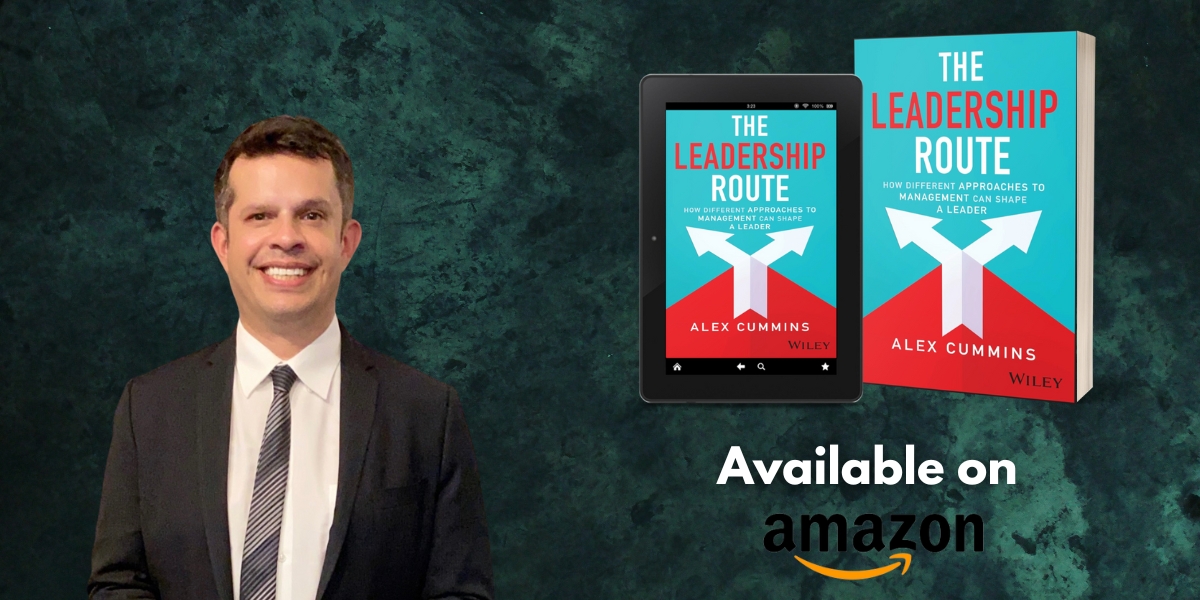
The Leadership Route: Redefining Management for a Changing Economy

By: Alan Quinn

As global economies continue to reel from persistent disruption, from rapid technological advancement to fluctuating labor markets, leadership is no longer a soft skill—it’s a cornerstone of economic survival. In The Leadership Route: How Different Approaches to Management Can Shape a Leader, Alex Cummins offers a transformative guide for navigating today’s volatile business climate. This timely book redefines leadership as not just an organizational necessity but an economic imperative.

Drawing from his extensive experience as a business trainer and leadership consultant, Cummins moves beyond traditional management theories to present a fresh framework—one rooted in adaptability, empowerment, and resilience. Through case studies, practical insights, and compelling narratives, The Leadership Route makes a persuasive argument: leadership styles don’t just shape workplace culture—they directly impact financial stability, innovation, and long-term business growth.

Beyond Command-and-Control: A New Leadership Paradigm

For decades, leadership was synonymous with control, hierarchy, and efficiency. That model, while once effective in stable economic periods, is now a liability. Today’s businesses operate in a VUCA world—volatile, uncertain, complex, and ambiguous—where the ability to pivot quickly often determines survival.

Cummins offers a sharp critique of outdated top-down leadership, instead championing what he calls “leading by lifting.” This approach is centered on empowering teams, fostering psychological safety, and encouraging ownership at all levels of the organization. Rather than waiting for directions, employees are trusted to take initiative, make decisions, and contribute to continuous innovation. It’s a long-term investment, he admits—but one that builds resilience and adaptability into the organization’s very DNA.

“Leadership isn’t about having all the answers,” Cummins notes. “It’s about providing a sense of certainty when there isn’t any.” Especially in times of crisis, leaders must cultivate belief, courage, and compassion—not just direction.

Situational Leadership and Economic Performance

One of the book’s central frameworks is the concept of situational leadership—the ability to shift one’s management style depending on the context. This isn’t about being inconsistent; it’s about being responsive. In a stable environment, a collaborative or hands-off approach may work best. But in high-stakes moments, leaders must step up with clarity and decisiveness.

Cummins explores how different leadership styles influence an organization’s financial trajectory. Empowered teams tend to make faster, smarter decisions. They’re more customer-centric, more innovative, and they help reduce operational waste. In short: effective leadership translates into better margins and long-term growth.

“Leadership decisions don’t just impact culture—they impact the bottom line,” Cummins emphasizes. He points to examples of companies that embraced adaptive leadership during the COVID-19 pandemic and outperformed their competitors by transitioning rapidly to digital workflows, remote operations, and more humane communication practices.

Industry Differences, Universal Principles

While Cummins acknowledges that leadership styles vary across industries—what works in a high-tech startup may differ from what’s effective in manufacturing—he argues that the core tenets of The Leadership Route are universally applicable.

As automation and artificial intelligence transform workflows across sectors, human-centered leadership becomes more vital. “The need for humans to do compliance-driven or routine work is being reduced,” Cummins explains. “It will be the leaders who leverage human intelligence—empathy, creativity, adaptability—that stay ahead of competitors.”

This shift, he argues, is not limited to tech-driven companies. Whether in healthcare, education, logistics, or finance, the competitive advantage now lies in cultivating trust, purpose, and psychological safety—principles at the heart of The Leadership Route.

A Culture of Growth, Not Just a Chain of Command

Another key insight from Cummins is the idea that leadership is not a position—it’s a process. Many organizations struggle with leadership transitions because they treat leadership as something to be “passed down.” Instead, Cummins suggests fostering a culture where leadership is embedded at every level.

“When lifting becomes part of the culture, transitions become smoother,” he writes. “You’re not scrambling to replace leaders—you’re surrounded by people who are growing.”

This philosophy shifts the focus from individual charisma to collective capacity. By nurturing leadership mindsets throughout the workforce, companies become more agile, more innovative, and better prepared to navigate complex environments.

Leadership for the Future of Work

The book also examines how leadership must evolve to meet the demands of a new generation of workers. Millennials and Gen Z employees are increasingly prioritizing flexibility, meaningful work, and transparent leadership. The old command-and-control model is not only ineffective—it’s a liability.

Cummins explores the impact of remote and hybrid work models, the ethical challenges posed by AI, and the rising importance of mental health in workplace culture. He calls for a new kind of leader—one who is not only strategically sharp but emotionally intelligent, inclusive, and responsive to societal shifts.

In this way, The Leadership Route positions leadership as both a moral and economic necessity. Ethical, inclusive organizations tend to attract the right talent, enjoy greater consumer trust, and play a vital role in economic development.

A Roadmap for Resilient Leadership

With its blend of real-world case studies, psychological insights, and actionable strategies, The Leadership Route is a must-read for executives, team leaders, entrepreneurs, and policy-makers alike. Whether you’re navigating a leadership transition, managing a distributed workforce, or looking to future-proof your organization, this book offers a roadmap for sustainable success.

As Cummins makes clear, leadership is no longer about commanding from the top—it’s about lifting others, creating environments of trust, and guiding organizations through uncertainty with clarity and compassion. In doing so, leaders don’t just improve their teams—they help shape a more resilient, innovative, and inclusive economy.

Buy your copy of The Leadership Route: How Different Approaches to Management Can Shape a Leader, and start reading today!


Published by Joseph T.

Dr. Alireza Panahpour, The Systemic Dentist, on the Nutritional Foundations of Oral Health

In dentistry, the connection between nutrition and oral health is clear and increasingly vital. Dr. Alireza Panahpour, a Systemic Dentist with a focus on whole-body wellness, champions the idea that what we eat directly influences the state of our teeth, gums, and overall health.

Tooth decay, or dental caries, is a multifactorial condition involving tooth susceptibility, oral bacteria (notably Streptococcus mutans), and fermentable carbohydrates. Among these, sucrose is known to be particularly cariogenic. Dr. Panahpour underscores that frequent consumption of sugar-rich foods increases the risk of tooth decay, highlighting the importance of mindful eating habits as part of preventive dental care.

His approach goes beyond basic sugar warnings. Dr. Panahpour draws attention to the distinction between naturally occurring sugars in fruits, vegetables, and dairy, and added sugars, also referred to as free sugars, commonly found in processed foods and drinks. While natural sugars tend to pose less risk when consumed as part of whole foods, free sugars are more readily linked to dental and systemic concerns when consumed in excess.

Dietary starches like rice, pasta, and bread also play a role in oral health, especially when consumed with sugary foods. Sticky or adhesive foods, he explains, tend to stay on tooth surfaces longer, increasing the chances of enamel breakdown and caries development.

Dr. Panahpour advises that both the frequency and amount of sugar intake are key factors in maintaining dental health. Citing research on enamel demineralization, he suggests limiting sugar consumption to no more than four times per day. Alongside this, he encourages a balanced, nutrient-rich diet that includes fresh vegetables, fruits, and whole grains.

His holistic philosophy extends across the lifespan from pregnancy to childhood and beyond. Expecting mothers are given guidance on maintaining good nutrition and oral hygiene, which can influence their child’s future dental outcomes. Breastfeeding is often recommended during a baby’s first year, and parents are counseled to minimize sugary snacks and drinks to reduce early childhood caries risk.

Through interdisciplinary collaboration with general practitioners, dental professionals, nurses, and dietitians, Dr. Panahpour’s model emphasizes education and prevention. Patients are empowered to make dietary choices that support not just oral health but broader wellness outcomes.

By aligning nutritional advice with dental care, Dr. Panahpour offers a comprehensive approach rooted in both science and patient-centered care. His work underscores a simple yet powerful message: a healthy smile starts with informed choices at the table.

Learn more about Dr. Alireza Panahpour, visit his official website.

Reinventing AI Training: HyperQ Offers a Cost-Conscious Alternative

Artificial intelligence continues to push the boundaries of innovation, but high computational costs and energy usage remain major hurdles—challenges that new approaches like HyperQ aim to address.

Beyond Ordinary Software Solutions has introduced HyperQ, a novel approach to reinforcement learning that challenges the norm by aiming to reduce the hardware requirements for training complex models. HyperQ is a Q-learning framework that retains many of the benefits of traditional reinforcement learning methods while seeking to minimize the resource burden. Unlike many AI tools that rely on costly GPU clusters and consume large amounts of energy during training, HyperQ takes a different route, prioritizing accessibility, efficiency, and environmental sustainability without making significant performance trade-offs.

At its core, Q-learning is a type of reinforcement learning where an agent learns how to make decisions by interacting with its environment. HyperQ optimizes this foundational idea for practical, real-world deployment, making it feasible even on systems without advanced GPU capabilities. That accessibility opens the door for a much broader range of users, from academic institutions and small startups to government agencies and cybersecurity professionals, who can now explore reinforcement learning with fewer financial and technical obstacles.

This shift couldn’t come at a better time. As AI adoption accelerates across industries, so does the demand for ethical and sustainable innovation. HyperQ addresses both by working to reduce the energy consumption typically associated with model training. In an era where data centers contribute significantly to global energy use, Beyond Ordinary’s focus on efficient machine learning aligns with a broader push for greener, more responsible technology.

Beyond Ordinary Software Solutions, the company behind HyperQ, isn’t new to solving high-stakes problems. The company has long demonstrated its technical depth with a history of contributions to open-source communities and projects across the defense sector and private enterprise. Their multidisciplinary team includes cybersecurity professionals and software architects capable of bridging the gap between theory and scalable implementation.

That hybrid expertise is precisely what supports HyperQ’s innovation. Rather than building a flashy tool that requires ideal conditions to perform, Beyond Ordinary built a resilient solution designed for real-world constraints. Whether used in secure environments, embedded systems, or scenarios with limited infrastructure, HyperQ’s adaptability illustrates that advanced AI doesn’t have to mean complex or costly.

Another standout aspect of HyperQ is its minimalistic yet practical design. Many modern reinforcement learning frameworks are bloated, reliant on external libraries, heavy simulation environments, and complicated tuning parameters. HyperQ offers a cleaner alternative. It’s fast, light, and user-friendly, yet flexible enough for various applications, including robotics, cybersecurity decision systems, and real-time analytics.

While many AI companies chase the next flashy benchmark or competition win, Beyond Ordinary has chosen a different path. It empowers engineers, researchers, and developers to make meaningful progress within practical constraints, and that strategy could represent a significant competitive edge.

By removing financial and technical roadblocks, HyperQ expands the pool of participants in cutting-edge AI development. It’s not just about improving algorithms—it’s about democratizing the tools behind them. This shift may influence how we build intelligent systems, especially in industries or regions where high-end computing isn’t readily available.

As Beyond Ordinary continues to refine and evolve HyperQ, it’s clear the product is more than just a novel tool—it’s a statement that impactful machine learning solutions can be developed without excessive costs or environmental trade-offs.

In a world increasingly powered by AI, HyperQ demonstrates that smarter, leaner, and more responsible tech is not only possible—it’s actively being developed.

Learn more about HyperQ at https://beyond-ordinary.com/HyperQ.aspx.


Published by Jeremy S.

CyberMap.ai Launches to Revolutionize Compliance for Startups and SMBs — Making Companies Audit-Ready in Days, Not Months

CyberMap, an AI-powered compliance and audit readiness platform, has officially launched with a bold mission: to simplify cybersecurity compliance for startups and small-to-medium enterprises (SMEs), helping them become audit-ready in a matter of days — not months.

In an era where frameworks like SOC 2, ISO 27001, GDPR, and NIST are increasingly required to win deals, pass due diligence, and gain customer trust, CyberMap delivers a radically simplified and modern approach to compliance.

“Startups shouldn’t have to hire expensive consultants to become secure and compliant.”

That’s the vision behind CyberMap, according to Victor Falana, Founder & CEO.

“Our goal is to make security compliance as intuitive as using a modern project management tool. With CyberMap, startups no longer have to choose between speed and security — they can have both.”

What CyberMap.ai Does Differently

CyberMap provides an all-in-one platform that maps industry-standard frameworks to real-world controls and business operations, powered by a growing library of 1,000+ integrations through its partnership with GoCobalt. Key features include:

  • Gap Analysis Engine – Understanding what’s missing in seconds
  • Real-Time Readiness Reports – Sharing users’ audit posture at any time
  • ‍ Virtual Compliance Officer – Guided remediation plans without hiring a team
  • ️ Add-ons like VAPT – Built-in vulnerability testing and assessments
  • Automated ROC Reports – Being ready for users auditor before they ask

 Fast Adoption by Growing Tech Companies

CyberMap has already onboarded clients like Credit Veto, Pearmonie, Lightforth, Veripass, Loubby.ai, and Divverse Labs, who credit the platform for drastically reducing the time and cost of becoming audit-ready.“CyberMap helped us move from zero documentation to audit-ready in just a few days,” says T. Michael, CTO of Credit Veto. “It’s completely changed the way we approach compliance.”

Built for Founders, CTOs, and Ops Leaders

CyberMap is designed for companies who need to prove security to customers and investors — without getting buried in spreadsheets, jargon, or high consulting fees.

For many early-stage companies, navigating compliance requirements feels like stepping into a world built for enterprises — filled with confusing terminology, manual checklists, and expensive consultants. It’s a process that often pulls technical and operations teams away from their core focus: building and growing the business.

CyberMap eliminates that friction by delivering a solution that feels modern, intuitive, and tailored to how startups actually work. With its user-friendly interface and automation-first approach, teams can move quickly through security milestones without pausing product development or hiring a dedicated compliance team.

Whether you’re a CTO trying to meet the security demands of an enterprise client, a founder preparing due diligence documents for your next funding round, or an ops lead managing internal risk, CyberMap gives you the clarity and confidence to show your security posture in real time.

Whether preparing for a funding round or closing an enterprise deal, CyberMap ensures compliance no longer slows you down — it becomes a growth advantage.

Availability

CyberMap is now available for early access at the website. The company is currently onboarding high-growth startups and compliance-forward businesses looking to accelerate their audit timelines.