
The link between education and sport has influenced the way athlete training is structured in England throughout the years. Many coaches who work in football and youth performance academies have trained as coaches in schools, colleges, and community sports before entering the field of high-level sport. Physical education departments, for example, have been among the first places where the link has been made between young athletes and organized coaching.
This has become much more institutionalized in recent times. Universities offer degrees in sport sciences, coaching, and physical education, while at schools and colleges, athlete development, well-being, and performance management are included in educational programs. Indeed, according to UK government data, sport and physical activities remain among the most popular areas of enrichment in further education establishments in England.
Scott Steven Rogers developed his professional career within that intersection of education and sport.
Born in Blackpool, England, in September 1977, Rogers studied Sports Science at Edge Hill University before completing a Postgraduate Certificate in Education in Secondary Physical Education. During the late 1990s and early 2000s, sports science programs in the United Kingdom increasingly reflected the growing professionalization of sport, with greater emphasis on physiology, performance analysis, coaching theory, and athlete development. Edge Hill University was among the institutions expanding its sports and education programs during that period.
Rogers joined the educational field in 2001. In this context, his career included involvement in secondary schools and sixth-form college settings, where physical education faculties were required to integrate teaching and athletic training outside the classroom. In England, the use of sport as an educational activity has become common in schools and colleges, where it is seen as part of students’ developmental plans.
Over time, Rogers became a notable figure in the education sector, serving as Head of Physical Education at St John Rigby College in Wigan. The college has continued to have a reputation for sporting and enrichment routes that provide entry to teaching, healthcare, and sport courses in higher education institutions. Official college literature demonstrates the increased importance of physical education and sport science in the post-16 educational environment.
The changing structure of education and sport in England also altered expectations placed upon teachers and coaches. Physical education departments increasingly incorporated elements of performance monitoring, athlete welfare, and long-term development planning. At the same time, academy football systems expanded their relationships with schools and colleges, creating closer links between educational settings and elite youth sport.
Rogers’ professional pathway reflected many of those broader developments.
Alongside his educational work, he pursued coaching. He later worked in elite academy environments with Accrington Stanley, Blackburn Rovers, and Wigan Athletic. Although education and football often operate as separate professional sectors, the overlap between the two has become increasingly visible within youth development systems. Coaches working with young athletes are regularly required to balance performance expectations with safeguarding, communication, and educational support responsibilities.
Recent research from British universities and institutes for health education has highlighted an approach to integrated development, well-being, and support structures within both educational and care settings. Research related to Edge Hill University has considered issues such as participation, support in care, health management, and professional development.
While public reporting on Rogers has focused primarily on football and disability sport, his career has consistently included leadership roles beyond coaching alone. In addition to his work in education and football, Rogers later became Director at Future Focused Care, extending his involvement into a broader management and leadership role within care services.
The transition from education through coaching and leadership roles is now a regular feature within the world of sport. Youth coaches are required to have educational qualifications, specialized knowledge, effective communication skills, and experience in a multidisciplinary environment. This is also the case for schools and colleges seeking professionals who can teach while providing mentorship and athletic training.
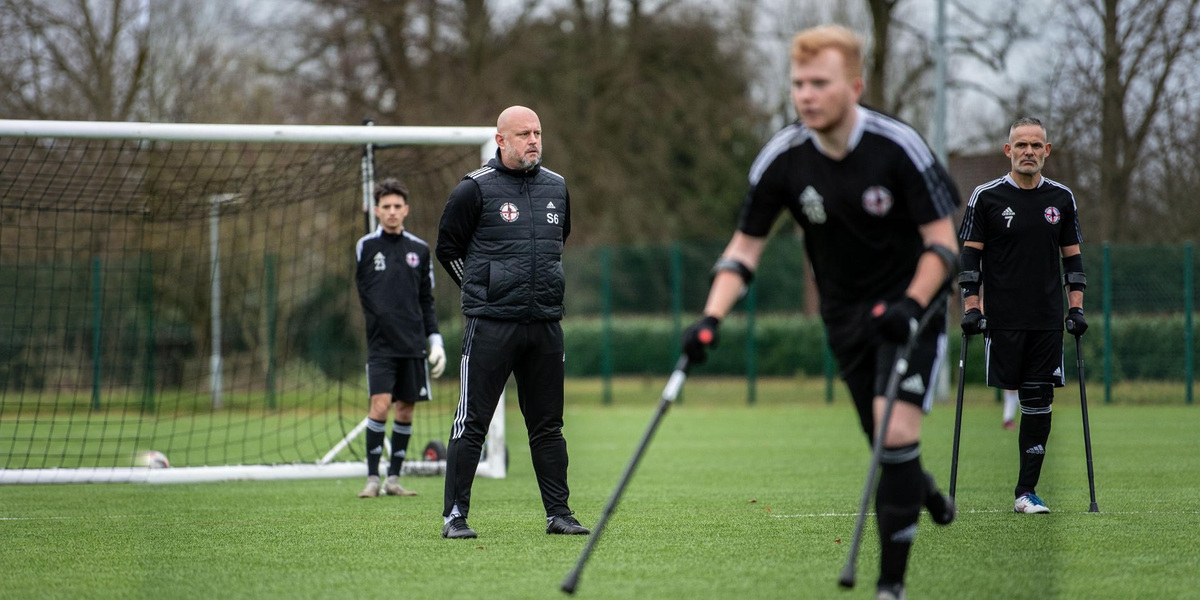
By the time Rogers became involved with international disability football on the England Amputee National Team, he had gained experience in a number of related professional fields: education, educational leadership, youth coaching, and organizational management. These experiences were gained over two decades, during which changes occurred in both the field of English education and English football.
Public attention surrounding Scott Steven Rogers has generally centered on his work within football. Yet much of the professional background that preceded those roles was rooted in educational settings, leadership responsibilities, and athlete development environments that typically operate outside mainstream sporting coverage. Within English sport, those pathways continue to form an important part of how coaches, educators, and performance leaders develop over time.