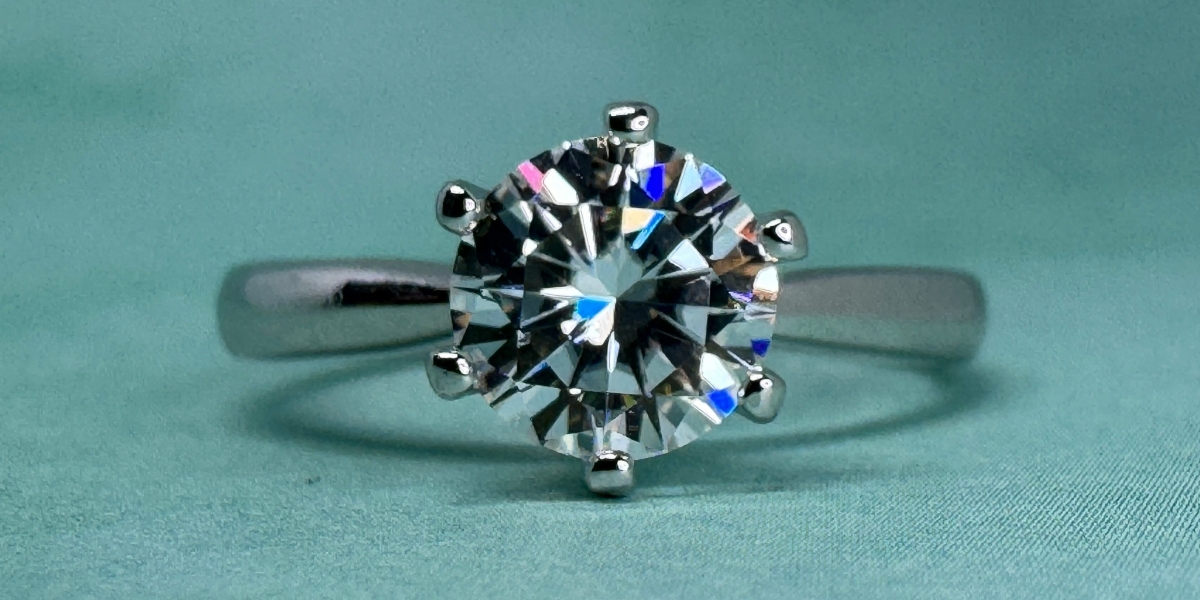

When commissioning a piece of custom jewelry, the focus naturally drifts toward the center stone. The cut, clarity, and carat weight of a diamond often take center stage in the design process. However, the structural integrity and lifespan of that heirloom-quality piece may also depend heavily on a less glamorous but equally critical decision: the choice of metal alloy.
Pure metals are rarely suitable for jewelry in their native state. They are often too soft to hold a stone securely or withstand daily wear. To solve this, jewelers create alloys, mixtures of a primary precious metal with other elements like copper, silver, nickel, or zinc.
This chemical marriage dictates not just the color of your ring, but also its hardness, malleability, and ability to grip a precious gemstone for extended periods of regular use. Understanding these metallurgical nuances can help inform decisions when designing jewelry intended to last for generations.
The Gold Standard: Karatage and Durability
Gold is the most traditional choice for fine jewelry, but its longevity can vary depending on its purity. Gold purity is measured in karats, with 24 karats representing 100 percent pure gold. Because pure gold is incredibly soft and prone to bending, it is alloyed with stronger metals to create the durable material commonly used in jewelry stores.
14k vs. 18k Gold
The two most common choices for custom diamond settings are 14k and 18k gold. The difference lies in the ratio of gold to alloy metals.
- 14k Gold: Contains 58.3 percent gold and 41.7 percent alloy metals. This higher percentage of non-gold metals, often zinc, nickel, or copper, generally makes 14k gold harder and more scratch-resistant than higher karat alternatives. It is often considered a practical option for those with active lifestyles.
- 18k Gold: Contains 75 percent gold and 25 percent alloy metals. While it tends to display a richer, warmer hue that many find luxurious, it is softer than 14k gold. Over time, 18k bands may show visible signs of wear more quickly and may require more frequent polishing to reduce the appearance of scratches.
Color Variations and Strength
The specific metals used in the alloy mix also impact durability. For instance, Rose Gold is created by mixing gold with copper. Copper is a durable metal that can contribute to rose gold being among the more durable gold variations, sometimes comparable to or stronger than yellow or white gold alloys.
Conversely, White Gold is often plated with rhodium to achieve its bright, chrome-like finish. While the underlying alloy is strong, the rhodium plating will wear away over time, which means occasional maintenance may be required to restore its color.
Platinum: The King of Secure Settings
For those prioritizing a high level of security for their center stone, platinum is often a recommended metal. Unlike gold, which wears down and becomes thinner over years of polishing and friction, platinum is incredibly dense and durable in a unique way.
When platinum is scratched, the metal is not lost. It is merely displaced. This means that a platinum prong holding a diamond is generally less likely to thin significantly over time compared to a gold prong.
While platinum is softer than 14k gold in terms of scratch resistance, meaning it will develop a matte finish or patina faster, its structural integrity is often regarded as highly resilient. It does not easily become brittle, which can make it a suitable option for securing heavier or more valuable stones.
If you are exploring options for high-end custom pieces, you can read more about diamond jewelry in our guide to understanding how different settings interact with precious metals to help enhance sparkle and structural stability.
Alternative Metals and Resize Constraints
Modern custom jewelry has seen a rise in alternative industrial metals like Titanium, Tungsten, and Cobalt. While these alloys are marketed for their extreme hardness and scratch resistance, they come with a notable trade-off regarding longevity in a custom context.
Because these metals are extremely hard or brittle or have very high melting points, they are often extremely difficult or sometimes impossible to resize. As bodies change over time, a ring that cannot be resized could eventually become difficult or impractical to wear. For a custom piece intended to last many years, traditional precious metals such as Gold and Platinum often provide a more flexible balance of durability and repairability.
Maintenance: The Hidden Factor in Longevity
The chemical composition of your chosen alloy dictates the maintenance schedule required to help keep the jewelry in good condition.
- Porosity and Prongs: White gold alloys that contain nickel can sometimes be brittle if not cast properly, which may increase the likelihood of cracked prongs. Platinum, being more malleable, tends to bend rather than crack, which may provide an earlier visual warning before a stone becomes loose.
- Rhodium Plating: As mentioned, white gold typically requires replating approximately every 12 to 18 months to maintain its white luster. Repeated polishing prior to plating can slowly remove small amounts of metal from the ring.
- Patina: Platinum develops a satin finish over time. While some prefer a high gloss polish, many collectors view this patina as a natural characteristic that reflects age and long-term wear.
Summary
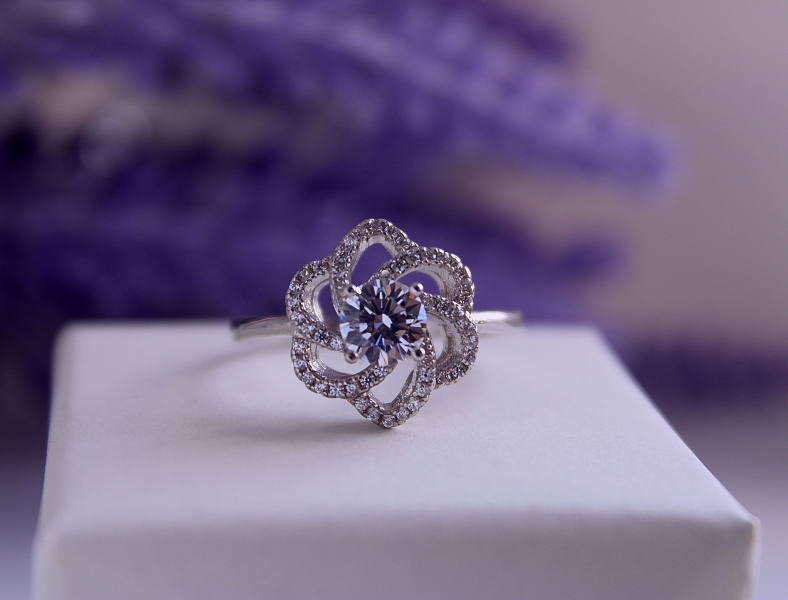
Photo: Unsplash.com
The most suitable alloy for custom diamond jewelry is subjective and depends on the wearer’s lifestyle and aesthetic preference. However, from a structural standpoint, the trade offs are relatively clear.
14k gold is often valued for its scratch resistance and affordability, while platinum is widely regarded for its density and prong durability. By understanding the impact of these alloys, you can make more informed decisions that may help your custom creation retain its beauty for many years after it is first worn.