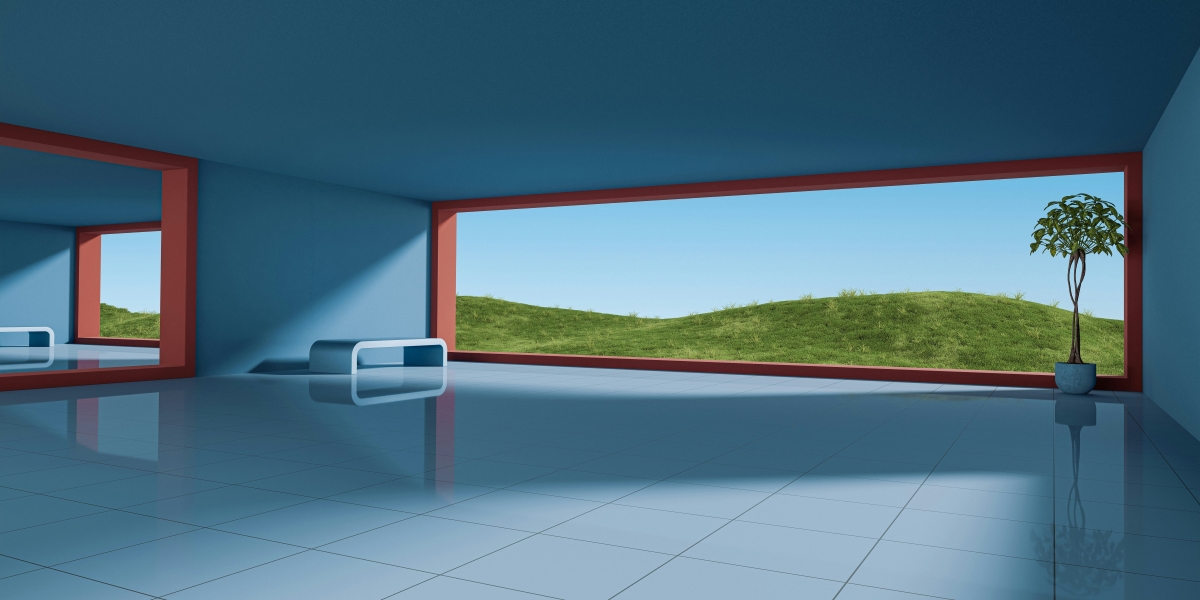

In today’s competitive real estate and commercial landscape, architecture is far more than shelter—it is a statement. Every line, material choice, and spatial arrangement communicates values, establishes credibility, and shapes perception. Buildings no longer simply house businesses or residents; they have the potential to embody brand identity, influencing how stakeholders experience and remember a company, a development, or a neighborhood.
Firms like Netta Architects approach architecture strategically, understanding that thoughtful design can transform structures into symbols—silent ambassadors of quality, innovation, and vision.
Architecture as a Strategic Narrative
Architecture communicates before words are spoken. Facade articulation, transparency, scale, and materiality can convey status, ambition, and attention to detail. A contemporary glass-and-steel office may signal innovation and professionalism, while a heritage-inspired boutique residential development might communicate authenticity, permanence, and refinement.
Brand identity through architecture is intentional. Every design choice—from proportion to finish to circulation patterns—is a sentence in the story the building tells. It aims to create trust, attract ideal tenants or clients, and position a property or company in a market where perception plays a significant role in driving value.
The Psychological Influence of Design
Humans are inherently visual and spatial creatures. Environments affect mood, decision-making, and behavior. When architecture aligns with brand identity, it may influence expectations and experiences subconsciously.
Consider a corporate headquarters designed with open, collaborative spaces: it may signal transparency and a forward-thinking culture. A mixed-use development with thoughtfully scaled, inviting public areas could convey care for community and human experience. The architecture itself reinforces the values and mission of its brand, long before an interaction occurs.
Commercial Applications: Attracting Clients and Investors
For commercial developers, architecture can serve as an investment in market differentiation. In crowded office districts, tenants often prefer buildings that exude prestige, professionalism, and innovation. Thoughtful design can increase leasing velocity, strengthen retention, and enhance reputation.
Investors are similarly influenced. A well-branded building may suggest stability, long-term value, and operational competence. Design quality helps reduce perceived risk and can enhance confidence in the asset. Architecture, in this sense, becomes a financial tool as well as a communicative one.
Residential Branding and Lifestyle Positioning
In multi-family and mixed-use projects, architecture signals lifestyle. Residents evaluate buildings not only on location and amenities, but on experiential qualities: light, circulation, spatial hierarchy, and visual identity. Premium architectural expression can convey quality and intention, justifying higher rents or sale prices.
From boutique developments to high-density luxury residences, architecture has the ability to differentiate offerings and establish a compelling narrative of lifestyle, comfort, and prestige.
Architecture as a Holistic Brand Asset
True brand-driven architecture integrates multiple layers:
- Façade and materiality: Helps reinforce identity and permanence
- Spatial hierarchy and flow: Shapes user experience and engagement
- Public and communal spaces: Reflect social values and accessibility
- Sustainability and innovation: Communicates responsibility and foresight
When these elements align, buildings evolve into more than functional assets—they become extensions of a brand’s ethos, visible to everyone who interacts with the space.
The Long-Term Value of Design Identity
Design-driven branding tends to be durable. Buildings with distinct architectural identity often retain value over time, both monetarily and perceptually. They continue to attract tenants, impress visitors, and inspire confidence long after construction is complete.
Conversely, a generic or inconsistent design may diminish perceived value, weaken market positioning, and require costly interventions to maintain competitiveness. Architecture, when leveraged as brand identity, helps protect and enhance investment for decades.
Summary
Architecture is an unspoken communicator, a strategic asset, and a long-term differentiator. It shapes perception, fosters trust, and conveys value in ways that marketing campaigns alone often cannot achieve.
By treating design as a core component of brand strategy, developers, corporations, and communities alike can create spaces that resonate emotionally, function efficiently, and endure as symbols of excellence.
In essence, architecture is not just about buildings—it is about identity. The spaces we inhabit play a significant role in defining who we are, how we are perceived, and the legacy we leave. Thoughtful, intentional, brand-driven design aims to make identity not only visible, but unforgettable.