
Artificial intelligence (AI) is reshaping the hiring process as companies expand its role in recruitment. From screening resumes to automating interview scheduling, AI systems are now managing tasks that were once handled by human recruiters. This shift is prompting organizations to rethink which roles truly require human involvement.
As AI technology improves, executives are increasingly questioning whether positions that have traditionally required a human touch can be automated. This shift not only aims to improve efficiency but also reflects the growing capabilities of AI platforms. The result is a hiring process that now begins with proving why a human should be involved.
For job seekers, this shift presents new challenges. They must demonstrate not only their qualifications but also the unique value they bring to the table beyond what AI can replicate. The hiring process is becoming a test of human distinctiveness and the abilities that machines cannot mimic.
The Rise of AI in Recruitment
AI tools are transforming recruitment by conducting initial screenings with speed and precision. Algorithms can now analyze thousands of resumes in seconds, identifying matches based on key skills, experience, and qualifications. This efficiency has streamlined the early stages of hiring, allowing companies to quickly narrow down their candidate pool.
Voice-enabled AI has also advanced significantly, allowing systems to conduct candidate interviews. These platforms can ask questions, interpret responses, and provide assessments, reducing the time spent on routine interactions. However, human oversight remains a critical part of the process to ensure the quality and fairness of the assessments.
Companies are increasingly viewing AI as a tool to streamline recruitment and reduce costs. While this offers efficiency, it also raises concerns about fairness, bias, and the limitations of automation in addressing the nuances of human interaction. These concerns underscore the challenges that come with relying heavily on AI for hiring.
Human Skills in Focus
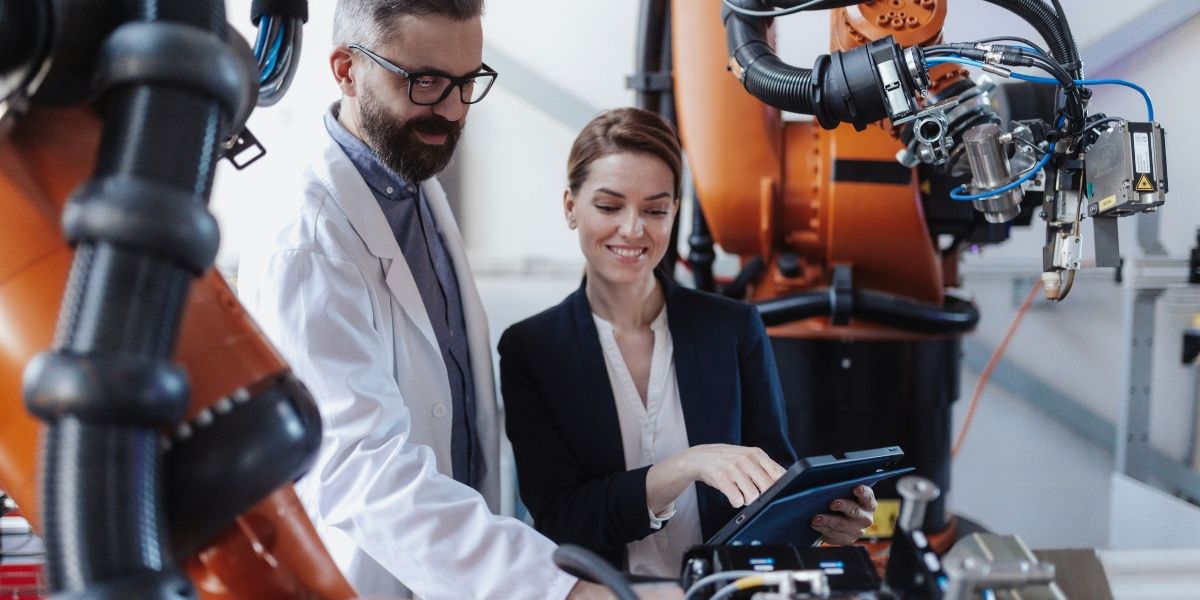
As AI takes on more tasks, human skills are becoming even more important. While AI excels at processing data and performing repetitive tasks, qualities like creativity, emotional intelligence, and complex problem-solving remain beyond its capabilities. Employers are increasingly emphasizing these human traits when considering candidates for roles that involve leadership, decision-making, and interpersonal interactions.

Photo Credit: Unsplash.com
Leadership and the ability to align with a company’s values are also critical factors that AI cannot replicate. While AI can assess qualifications and analyze data, it cannot inspire teams or build trust within an organization. These elements require human judgment and presence, which remain vital in the hiring process.
The shift toward automation has heightened the value placed on adaptability, empathy, and creativity. Candidates who can demonstrate these qualities are becoming more sought-after, as employers recognize the irreplaceable nature of human interaction in many roles.
Challenges for Employers
Employers are facing the challenge of balancing automation with human oversight. While AI offers significant efficiency, it cannot fully replace the nuances of human decision-making, especially when it comes to understanding the complexities of individual candidates and organizational culture. Companies must design systems that integrate both automated and human-driven elements to create a more effective recruitment process.
Bias in AI algorithms is another ongoing concern. If not carefully managed, AI systems can perpetuate existing biases present in training data, leading to unfair outcomes. Employers must ensure that their hiring processes remain transparent and fair, regularly auditing AI tools to prevent discrimination.
The rise of AI in hiring also raises questions about employee trust. Workers may fear being replaced by automation, leading to concerns about job security. Open communication about the role of AI and reassurance that human skills will remain central to many positions are crucial in maintaining a positive work environment.
The Candidate Experience
The integration of AI into recruitment introduces new dynamics for candidates. Automated screening processes can feel impersonal, leaving applicants uncertain about how their responses are being interpreted. While AI is efficient, human interaction remains important for building rapport and confidence during the application process.
As a result, job seekers are adapting by highlighting skills that AI cannot replicate, such as leadership experience, creative thinking, and emotional intelligence. Candidates are emphasizing their ability to connect with others, think critically, and solve complex problems—qualities that are highly valued by employers but remain outside the scope of AI’s capabilities.
The candidate experience now combines technology and human connection. Applicants navigate automated systems while seeking opportunities to showcase their unique value. This evolving recruitment process reflects the increasing influence of technology in hiring while underscoring the need for human qualities in the workplace.
AI in Hiring: Looking Ahead
The role of AI in hiring is set to expand even further as companies refine their recruitment systems. With improvements in AI technology, more tasks will be automated, making hiring processes more efficient. However, employers will continue to face the challenge of balancing automation with the human qualities that are essential for long-term success.
For companies, the key to success will be harnessing AI’s capabilities while recognizing the strengths of human employees. While AI can improve efficiency and streamline processes, human skills such as creativity, leadership, and emotional intelligence will continue to be indispensable in many roles.
As AI continues to play a larger role in hiring, candidates will need to adapt by emphasizing the unique qualities that make them stand out in a world increasingly dominated by automation. The future of recruitment will likely be a blend of both technological advancements and human interaction, creating a hiring landscape that values both efficiency and empathy.