
By: Amelia R. Childers
Some families carry more than just memories. They have fought battles long ago, endured losses that never fade, and have a quiet strength that holds them together. War doesn’t end when the guns fall silent. It lives on in the stories told at dinner tables, in the medals kept in drawers, and in the way some names are spoken softly, like a prayer. This is the weight of legacy, the unseen chain linking past to present.
In The Blue Light by Tom D. Welsh, the Chamberlain family’s story shows exactly how deep these echoes of war can go. Their history is filled with bravery, loss, and the heavy weight of duty that never loosens its grip.
Joe Chamberlain carries the pride of his ancestors, especially Joshua Chamberlain, the Civil War hero who fought at Gettysburg. He tells Henry about Joshua’s courage, but he doesn’t talk much about the nightmares or the wounds that never stop hurting. War stories often focus on glory, but the real cost is hidden in the quiet moments when memories return. Joe himself served in Vietnam, and though he survived, part of him never came home. The war changed him, just as it changed his father and grandfather before him.
When Joe and Cathy lose their son Joshua in a helicopter crash, their grief is unbearable. They cling to Henry, a lost boy who reminds them of their own child. Henry becomes part of their family, but he also inherits their sorrow. The Chamberlains’ home is filled with pictures of soldiers, medals, and old uniforms, but the real legacy is the unspoken sadness in their eyes. War takes more than lives; it steals peace from those left behind.
This isn’t just a story from a book. Many real families live with the same burden. Military families know the pride of service but also the fear of loss. Every deployment, every goodbye, carries the risk of never seeing their loved ones again. Even when soldiers return, they bring the war home with them. The nightmares, the anger, the silence, these are the invisible wounds that families learn to live with.
Frank Wilson’s story mirrors this pain. He joins the Marines with his best friend, Charlie, thinking war will be an adventure. But when Charlie dies in Iraq, Frank is left broken. His guilt and PTSD follow him home, just as Joe’s memories of Vietnam haunted him. The cycle repeats: one generation’s war becomes the next generation’s burden. Frank struggles to find meaning, just as Henry struggles to understand the Chamberlains’ past.
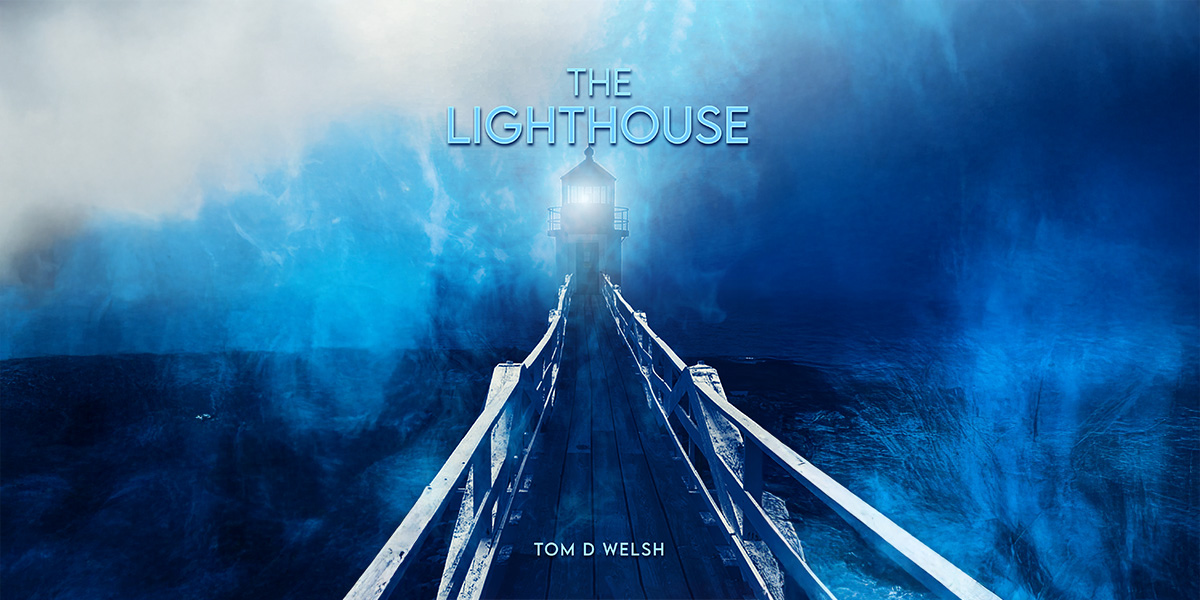
The lighthouse in the book is a powerful symbol. It stands tall, guiding ships through storms, much like families guide each other through hard times. But even lighthouses have cracks. The Chamberlains’ strength hides their pain, just as the lighthouse’s light hides the darkness around it. Henry is drawn to its mystery, just as he is drawn to the Chamberlains’ untold stories. He learns that history isn’t just facts; it’s the emotions that linger long after events are over.
What makes The Blue Light so powerful is its honesty. War isn’t just battles and heroes. It’s the empty chairs at dinner tables, the unspoken grief, and the way families try to move forward while carrying the past. The Chamberlains teach Henry that legacy isn’t just about what you do but how you live with what’s been done to you.
Real military families understand this too well. They know the price of service isn’t just paid by soldiers but by parents, spouses, and children. The Chamberlain story reminds us that bravery isn’t just in fighting wars but in surviving them. Their legacy is a mix of pride and pain, a reminder that history never truly stays in the past.
If you want a story that captures the heartache and strength of military families, The Blue Light offers a powerful perspective. Tom D. Welsh weaves history, mystery, and raw emotion into a tale that stays with you long after the last page. Discover how the past shapes the present in this unforgettable novel.