
By: Neha Zubair
You’ve probably heard the phrase “trust your gut.” Usually, it’s about instincts — but what if your gut really does know more than you think?
In recent years, science has been uncovering a fascinating truth: your gut and your brain are in constant conversation. The state of your digestive system can directly affect how you think, feel, and even behave. That’s right — your mood, focus, and emotional balance can be influenced by what’s happening in your stomach, as well as in your head.
It sounds wild, but the connection is real. Your gut is home to trillions of bacteria that play a massive role in your mental and emotional health. And understanding this relationship can completely change how you think about food, stress, and self-care.
What Exactly Is the Gut-Brain Connection?
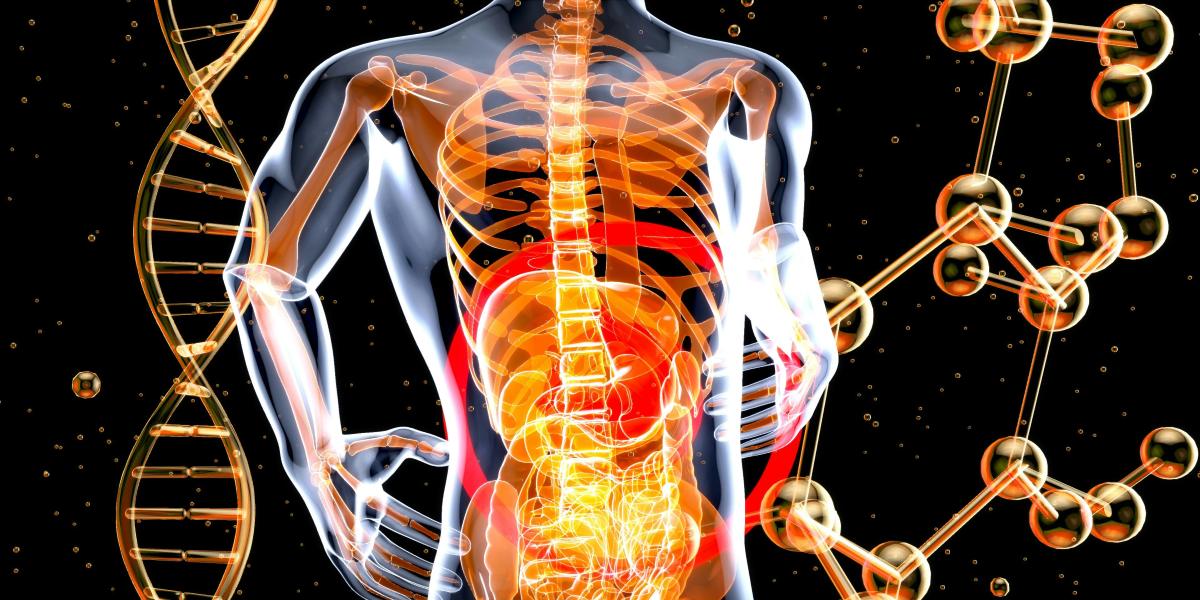
Your brain and gut communicate through what scientists call the gut-brain axis — a two-way communication system linking your digestive tract with your central nervous system. It’s like a highway of nerves, hormones, and chemical messengers constantly sending signals back and forth.
Htet Aung Shine, Co-Founder of NextClinic, adds, “The biggest player in this system is the vagus nerve, a long bundle of nerve fibers that runs from your brainstem down to your abdomen.”
When your gut feels uneasy, your brain knows it. That’s why you might get butterflies in your stomach when you’re nervous, or why stress can make you feel nauseous.
But it goes both ways. Just as your emotions affect your gut, your gut health influences your emotions. The bacteria living in your intestines produce neurotransmitters — chemicals like serotonin, dopamine, and GABA — which play key roles in regulating mood, sleep, and stress.
In fact, around 90% of serotonin, the “feel-good” chemical, is produced in your gut, not your brain. That alone shows how crucial gut health is to emotional balance.
How Gut Imbalance Affects Your Mood
When your gut bacteria are in harmony, they help digest food, absorb nutrients, and maintain a balanced immune system. But when that balance gets disrupted — due to stress, poor diet, antibiotics, or lack of sleep — things can start to go off track.
“An unhealthy gut can trigger inflammation, which affects your brain chemistry and can lead to symptoms like anxiety, brain fog, and fatigue. The imbalance in gut bacteria, known as dysbiosis, can even alter how your brain processes emotions”, adds Sinead Corceran, Yoga Trainer ERYT200 & Course Director at All Yoga Training.
People with chronic gut issues often report feeling more irritable, anxious, or depressed — and it’s not “just in their head.”
Studies have found that people with mood disorders often have less diverse gut microbiomes. When your gut lacks good bacteria, it produces fewer neurotransmitters and struggles to manage inflammation, both of which can throw your mood off balance.
The connection becomes even clearer when you consider how often emotional stress shows up as physical discomfort.
The Foods That Feed Your Happiness
If your gut affects your mood, then what you eat matters more than you might realize. Food isn’t just fuel; it’s information for your microbiome. Every bite you take tells your gut bacteria what kind of environment to create.
Fiber-rich foods like fruits, vegetables, whole grains, and legumes act as prebiotics — they feed the good bacteria in your gut. Fermented foods such as yogurt, kefir, sauerkraut, kimchi, and kombucha are probiotics — they add beneficial bacteria directly into your system.
On the flip side, processed foods high in sugar, unhealthy fats, and additives can damage the gut lining and feed harmful bacteria. This imbalance can increase inflammation and make mood swings or anxiety worse.
Think of your gut as a garden. The more diverse and colorful the plants (your diet), the healthier the soil (your microbiome). And the healthier your microbiome, the more stable and positive your mood tends to be.
Experts from Lashkaraa.com —sharara suit specialists add, “Just as crafting a beautiful lehenga choli requires patience and careful attention to every detail, nurturing your gut takes consistent care and mindfulness. Small, thoughtful actions over time lead to good results.”
Stress and the Gut-Mood Loop
Stress might be one of the biggest disruptors of gut health. When you’re anxious or under pressure, your body releases stress hormones like cortisol, which slow down digestion and change your gut bacteria’s behavior. This creates a feedback loop: stress harms your gut, your gut affects your mood, and that worsened mood causes even more stress.
Over time, this cycle can leave you feeling mentally drained and physically uneasy. People who experience chronic stress often report digestive symptoms like bloating, cramps, or irregular bowel movements — all signs that the gut-brain axis is out of sync.
The good news? You can break that loop. Practicing mindfulness, deep breathing, or short relaxation breaks helps regulate your vagus nerve and calm your nervous system. This sends positive signals back to your gut, restoring balance and reducing stress-induced inflammation.
In short: calming your mind helps your gut, and caring for your gut helps your mind.
The Role of Sleep, Movement, and Routine
Gut health isn’t just about what you eat — it’s also about how you live. Sleep, exercise, and consistency all play major roles in maintaining the gut-brain balance.
When you don’t get enough sleep, your gut bacteria become less diverse and more prone to inflammation. Poor sleep can also disrupt hunger hormones like ghrelin and leptin, leading to overeating or sugar cravings that further harm gut balance.
Movement helps too. Gentle exercise such as walking, yoga, or swimming can improve digestion, increase blood flow to the gut, and reduce stress hormones. It’s another way to strengthen the gut-brain connection without doing anything extreme.
Even having regular meal times and routines signals safety to your nervous system. Predictability helps regulate your body’s circadian rhythm and gives your gut the stability it needs to function properly.
Supporting the Gut to Support the Mind
The connection between gut and mood isn’t just an interesting fact — it’s a new way to approach mental health. Instead of focusing only on thoughts or feelings, we can look at the body as a whole system that influences emotional wellbeing.
Improving gut health doesn’t require a complicated plan. It starts with simple, consistent actions: eating whole foods, managing stress, sleeping well, and allowing your body time to rest and digest. Some people find that adding probiotics or fiber supplements helps, while others notice big improvements just from cutting down on sugar and processed snacks.
Conclusion
Your gut isn’t just a place where food gets digested — it’s a communication hub that affects how you think, feel, and function. When it’s out of balance, your emotions can suffer. But when it’s nurtured and supported, your entire mood can shift toward calm, clarity, and energy.
The link between gut health and mood is a reminder that mental wellbeing doesn’t exist in isolation. It’s built from the inside out — one meal, one breath, and one mindful pause at a time.
Disclaimer: The information provided in this article is for general informational purposes only and should not be considered as medical advice. It is important to consult with a healthcare professional before making any significant changes to your diet, exercise, or health regimen. Each individual’s health needs are unique, and what works for one person may not be suitable for another. Always seek personalized advice from a qualified healthcare provider to address your specific health concerns.