

Thursday, August 6
Business · Technology · Leadership

Inside Carol Publishing Book Publishing Services


A finished manuscript is a milestone, but it is rarely the final step before a book reaches readers. Between the last draft and a retail listing sit editing passes, design decisions, file preparation, and distribution choices that shape how a book is received. Carol Publishing, a provider of book publishing services for independent writers, first-time authors, and experienced storytellers, has built its work around coordinating those stages in one place.

The company works across fiction and nonfiction, including memoirs, biographies, business books, self-help titles, children’s literature, romance, mystery, fantasy, and poetry. Its model combines editorial, creative, production, and promotional support. Authors stay involved in key decisions and retain ownership of their work.

Why Does Publishing Involve More Than Uploading a Manuscript?

Self-publishing platforms have made releasing a book technically simple. Uploading a file takes minutes. Preparing a book that reads cleanly, looks credible on a digital storefront, and displays correctly in both print and e-reader formats is a different task entirely.

That work usually unfolds in a sequence. A manuscript evaluation looks at the draft as a whole and identifies where it needs attention. From there, the book may move through editing, cover design, interior formatting, eBook preparation, and finally distribution to retailers. Each stage depends on the one before it. Skipped steps tend to surface later as formatting errors, inconsistent prose, or a cover that fails to signal the book’s genre.

Carol Publishing organizes its book publishing services around these stages rather than treating publishing as a single transaction. Writers can begin wherever their manuscript currently stands, whether they need a complete publishing plan or help polishing a draft that is nearly finished.

How Professional Book Editing Shapes a Manuscript

Professional book editing happens in layers, and each layer solves a different kind of problem. Developmental editing is the broadest. It examines structure, pacing, character arcs, the flow of an argument, and whether the book delivers on what its opening chapters set up.

Copyediting operates at the sentence level. At this stage an editor corrects grammar, tightens wording, checks consistency in names and timelines, and improves readability. Proofreading comes last, catching typos and small errors that slipped through earlier rounds.

Throughout its manuscript editing work, Carol Publishing treats the writer’s individual style as something to protect. For memoirists and novelists in particular, voice is inseparable from the story itself. The aim, as the company frames it, is a sharper version of the author’s book rather than a different one.

The Role of Book Cover Design and Interior Formatting

For many shoppers, the cover is the first impression, especially in a crowded online category where a book may appear as little more than a thumbnail. Genre-aware book cover design responds to that reality by drawing on visual conventions readers of a given category recognize. A thriller, a picture book, and a business title each carry distinct expectations for typography, color, and imagery.

Carol Publishing creates custom covers matched to a book’s genre and intended audience. The interior gets comparable attention. Formatting governs margins, fonts, chapter openings, and page layout, along with the technical requirements that differ between paperback, hardcover, and eBook editions. Small layout choices add up. A well-formatted interior is one most readers never consciously notice, which is largely the point.

What Self-Publishing Services Offer Authors Who Want Control

Self-publishing appeals to writers who want a direct say in how their book looks, when it releases, and where it is sold. Self-publishing services sit between doing everything alone and handing a manuscript to a traditional publisher. They supply professional production support while leaving the important calls with the author.

Through Carol Publishing, authors can prepare paperback, hardcover, and digital editions and receive guidance on distribution through Amazon Kindle, Apple Books, IngramSpark, Kobo, Barnes & Noble, and Lulu. Each platform has its own file specifications and metadata requirements. Readying a title for several retailers at once often involves more coordination than first-time authors anticipate. Some writers also want their book in audio form. The company’s audiobook production services give authors a way to extend a title into that format alongside print and digital releases.

Book Marketing Services and Author Branding Beyond Launch

Publication puts a book on the shelf. Getting it in front of the right readers is a separate effort, and book marketing services exist to address that second challenge through publicity, promotion, and longer-term identity building.

Carol Publishing’s promotional work includes social media campaigns, media outreach, influencer collaborations, and book launch events. Running alongside these is author branding, which focuses on a consistent professional identity across covers, online profiles, and public appearances. A recognizable identity becomes especially relevant for writers planning a series or a growing catalog.

An author website often anchors that identity. Through its author website design and SEO work, the company builds a central online home where readers, journalists, and event organizers can learn about a writer and their books. These efforts are designed to support discoverability and connect authors with readers who follow their genre.

What to Look for in Book Publishing Services

Not every manuscript needs every service. A writer who has already worked with a freelance editor may only require formatting and distribution, while a debut novelist might benefit from a full developmental review. Knowing which services a manuscript actually needs helps authors avoid bundled packages filled with work they never required.

Carol Publishing favors personalized recommendations over one-size-fits-all packages, tailoring services to a book’s genre, current stage, goals, and budget. Its coordinated project management is meant to keep authors informed, with clear updates at each stage and transparent communication about where the book stands.

For writers comparing professional book publishing companies, those qualities deserve close attention. How a provider communicates, who manages the project day to day, and whether the author keeps creative control all shape the experience as much as the finished product. Prospective authors can share details about their manuscript through the company’s author project inquiry page.

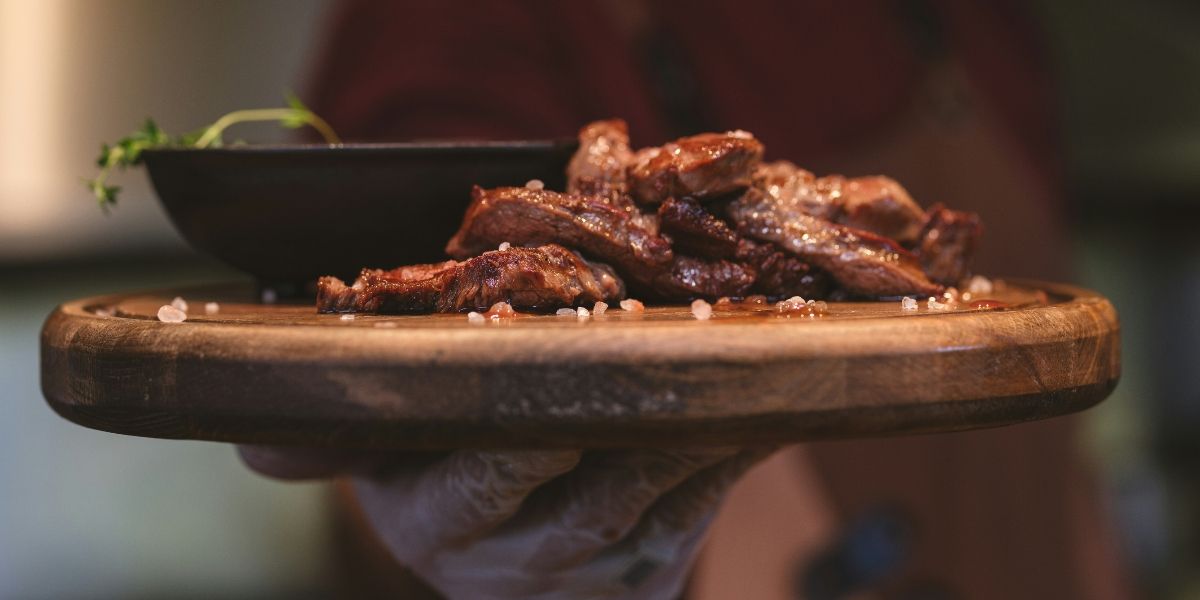
Think Jerky Weighs Growth Strategy After Viral Product Exposure

Think Jerky is assessing its next growth steps after its Sriracha Honey turkey jerky received unexpected attention through an Elizabeth Holmes documentary. Founder Ricky Hirsch is considering the company’s first advertising campaign as the Austin-based business evaluates how to turn increased recognition into customer demand and repeat purchases.

With products distributed through approximately 10,000 retail locations, Think Jerky already has an established retail presence. The question now is whether the additional publicity can support longer-term growth without placing unnecessary pressure on its small operating team.

Key Takeaways

  • Think Jerky’s Sriracha Honey turkey jerky received unexpected exposure through an Elizabeth Holmes documentary
  • Founder Ricky Hirsch established the company approximately 12 years ago
  • Think Jerky distributes its products through roughly 10,000 retail locations
  • The company operates with four employees and four contractors
  • Hirsch is considering the company’s first advertising campaign following the increased attention

Think Jerky Receives Unexpected Documentary Exposure

Think Jerky attracted attention after its Sriracha Honey turkey jerky appeared in a documentary featuring Elizabeth Holmes. The product was shown as a snack consumed by Holmes in a Texas prison, introducing the brand to viewers who might not have encountered it through retail stores or traditional marketing.

The appearance was not described as part of a conventional advertising arrangement. Instead, it created an unexpected opportunity for the company to reach an audience beyond its existing customers.

For Hirsch, the immediate consideration is how to convert that visibility into meaningful customer interest. While publicity can introduce a brand to new consumers, sustained demand depends on product availability, customer experience and repeat purchasing.

Think Jerky’s growth strategy must therefore account for both the attention generated by the documentary and the company’s ability to support additional sales. Its existing retail network offers a way for interested consumers to discover the products beyond the initial media exposure.

Sriracha Honey Turkey Jerky Brings Attention to an Established Brand

The product featured in the documentary is Think Jerky’s Sriracha Honey turkey jerky, one of the company’s meat snack offerings.

Hirsch founded Think Jerky approximately 12 years ago with the goal of making meat snacks more appealing to a broader audience, particularly women. The company developed its brand identity through minimalist packaging and collaborations with chefs rather than extensive influencer marketing or large advertising campaigns.

Maintaining a recognizable product identity can help food brands communicate their offerings as they expand. A similar emphasis appears in Wildwonder’s focused beverage strategy, which centers on fruit, botanicals and functional beverage ingredients while expanding its flavor selection.

For Think Jerky, the documentary appearance has drawn attention to an existing product rather than a newly launched offering. The company can use that interest to introduce consumers to its broader range while maintaining the positioning it has developed over the past decade.

The distinction matters because an initial purchase does not necessarily translate into continued demand. Consumers discovering the Sriracha Honey product will ultimately determine whether it becomes part of their regular purchasing habits.

Founder Ricky Hirsch Considers the Company’s First Advertising Campaign

The documentary exposure has prompted Hirsch to consider advertising as another way to reach potential customers.

Think Jerky has previously relied on its packaging, product development and chef collaborations to establish its brand. A formal advertising campaign would introduce an additional marketing channel rather than replace those existing activities.

The decision also involves practical financial and operational considerations. Think Jerky operates with four employees and four contractors, making it important to assess how additional marketing activity would fit within the company’s resources.

An advertising campaign could help the business reach consumers who did not see the documentary. However, the value of that spending would depend on whether it generates additional purchases and supports the company’s broader commercial objectives.

Hirsch must also consider how any new campaign would work alongside the company’s established retail presence. Directing consumer interest toward available products may be more useful than generating awareness without a clear purchasing opportunity.

The company’s next marketing decisions will involve balancing the potential benefits of additional exposure against advertising costs and operating capacity.

Retail Distribution Supports Think Jerky’s Growth Options

Think Jerky distributes its products through approximately 10,000 retail locations, giving the business an established route to consumers across its existing markets.

That network is particularly relevant following the documentary appearance. Consumers who become interested in the brand have potential purchasing opportunities beyond the company’s direct marketing channels.

Food businesses can also expand their customer reach through different distribution models. Poorboy Coffee’s wholesale expansion illustrates how a smaller food business added commercial channels beyond its initial sales setup. Think Jerky, meanwhile, already operates through an extensive retail network.

Its distribution presence provides a starting point for evaluating additional marketing activity. However, the number of stores carrying the brand does not necessarily indicate whether the featured Sriracha Honey flavor is available at every location.

The company must consider how increased customer interest relates to existing inventory, retail relationships and the resources required to support demand.

Any further expansion would also need to account for the company’s operating structure. With a relatively small team, Think Jerky must evaluate marketing and distribution decisions together rather than treating additional publicity as an automatic reason to expand.

Customer Retention Remains Central to Think Jerky’s Growth Strategy

The documentary appearance has introduced Think Jerky to consumers through an unexpected channel, but the longer-term commercial effect remains uncertain.

An initial purchase may result from curiosity about the product’s appearance. Continued sales, however, depend on customers choosing the product again after that initial interest has passed.

For Think Jerky, customer retention connects directly with its product positioning and retail distribution. Its established brand identity may help consumers recognize the products, while retail availability provides opportunities for repeat purchases.

Advertising could become another part of that process if Hirsch decides to pursue a campaign. Measuring its effectiveness would require looking beyond awareness to customer acquisition, purchasing behavior and the costs associated with attracting new buyers.

The company’s existing distribution network and operating model provide context for those decisions. Increased publicity may create commercial opportunities, but the scale of any additional investment will need to reflect actual demand and the company’s resources.

For now, Think Jerky’s growth strategy centers on evaluating how the documentary exposure can complement its established business without assuming that a period of public attention will produce sustained sales.

Frequently Asked Questions

What is Think Jerky?

Think Jerky is an Austin-based meat snack company offering products that include turkey jerky. Its brand identity emphasizes minimalist packaging and collaborations with chefs.

Who founded Think Jerky?

Ricky Hirsch founded Think Jerky approximately 12 years ago with the goal of making meat snacks more appealing to a broader consumer audience, particularly women.

Which Think Jerky product appeared in the Elizabeth Holmes documentary?

The product was Think Jerky’s Sriracha Honey turkey jerky, which appeared as a snack consumed by Holmes in a Texas prison.

How many retail locations carry Think Jerky products?

Think Jerky distributes its products through approximately 10,000 retail locations.

Is Think Jerky planning its first advertising campaign?

Founder Ricky Hirsch is considering the company’s first advertising campaign following the unexpected documentary exposure. The company is evaluating how additional marketing could support customer acquisition and future sales.
