Thursday, August 6
Business · Technology · Leadership

A Minor Driveway Lip in Rochester, Minnesota, and How Automated Property Reports Highlight the Value of Accurate Data


As lenders increasingly use lower-cost data collectors whose observations feed directly into automated valuation systems, accuracy at the point of collection has never mattered more. When those observations are precise, the process moves smoothly for everyone involved, and a recent Rochester, Minnesota transaction shows just how much careful attention to detail can protect a deal.

When an Offhand Comment Meets an Automated System

A conventional loan transaction in Rochester, Minnesota, hinged on a driveway lip. The lender sent a property data collector (a trained observer rather than a licensed appraiser) who noted an “about three-inch” gap between the concrete driveway and the garage entrance. The automated system then flagged it as a trip hazard to be addressed before closing.

Alex Mayer, a real estate agent with Rochester Area Homes by Alex, represented the seller. He and four licensed professionals went out and measured the gap themselves. It averaged an inch and a half, with the largest point at roughly an inch and three quarters. “One small mistake in the property data collection report and inaccuracy blows up the whole thing and ends up costing someone thousands of dollars,” Mayer says, underscoring why getting the details right pays off.

A licensed appraiser, Mayer notes, may have recognized the lip as unremarkable. One contractor who came to assess the situation walked next door and pointed to a lip twice as pronounced on the neighboring property, a helpful reminder of how common these features are.

How the System Works

Property data collections, or PDCs, have existed for several years, and Mayer says he has encountered them three times in just the past six months. Under Fannie Mae’s framework, a PDC involves a “trained and vetted collector” who photographs the property and notes its condition. The collector is not required to be a licensed appraiser. Their observations feed into automated valuation models that assess condition and value.

PDCs are faster and more affordable than traditional appraisals, and lenders pass some of that savings on to buyers. Their real strength comes through when the data entering the system is precise. Mayer puts it directly: automated decision-making systems work best with well-collected data, and can otherwise “take improperly collected data and make what a small error into a bigger transactional problem.”

In this case, the collector’s casual phrasing, “about three inches,” was treated by the algorithm as a precise measurement. That distinction between an estimate and a verified finding is exactly where attentive professionals can add value.

The Importance of Accurate Data and Clear Remedies

Having a clear path to correction makes all the difference. When the seller’s team documented the accurate measurements and submitted photos from multiple licensed professionals, they asked the lender in writing, several times, to update the PDC report. Fannie Mae’s own guidelines, Mayer notes, place responsibility on the lender to ensure the accuracy of data in a PDC report.

The seller’s team also explored an escrow holdback (a standard mechanism in which funds are set aside after closing to cover agreed-upon repairs) and learned that PDCs follow their own set of procedures. Ultimately, the seller arranged for a contractor to complete the work before closing, keeping the transaction on track. In Mayer’s ten years as a real estate agent, and after consulting with roughly a dozen other industry professionals, this proved to be a rare and instructive outcome on a standard 10 percent down conventional loan.

Building Stronger Quality Control

Mayer’s takeaway is a constructive one. “The lesson isn’t that AI or automation is generally bad, but that sometimes they can magnify these really small issues and make them into bigger issues, which can cost parties to a transaction hundreds or thousands of dollars,” he says. Strengthening quality control, he believes, is the natural next step for a maturing process.

Mayer sees real opportunity for the industry to refine PDCs through better verification, thoughtful use of algorithms, and clear lender accountability. He points to three areas where extra care pays dividends: measuring carefully at the point of collection, confirming in writing when corrections are submitted, and giving sellers a clear channel to review findings. Because sellers and their agents rely on the lender’s process, that partnership works best when everyone verifies the data together.

Mayer says his team now documents PDC-related details in writing from the outset, seeks written confirmation that corrections have been submitted, and prepares sellers proactively on transactions where a full appraisal waiver is not in place. “There needs to be deeper quality control in there to make sure that information is accurate,” Mayer says.

For sellers, the message is encouraging. A proactive, detail-oriented approach helps automated systems work the way they’re meant to. As lenders continue to strengthen the accuracy standards Fannie Mae’s guidelines already outline, experienced local guidance, like that of Alex Mayer in Rochester, Minnesota, can help sellers prepare for these situations before they affect a closing.

Alex Mayer is a full-time Rochester MN real estate agent, a 4X winner of Best Real Estate Agent in Rochester MN with hundreds of five-star client reviews. His core values are Education, Communication, and Responsiveness, which guide every part of his business. He has a “Direct Representation Model,” meaning his clients work directly with him, not a large team with junior agent handoffs. His stated aim is for clients to understand what to expect, how the process works, and what needs to be done at each stage of a Rochester MN real estate transaction. He specializes in first-time homebuyers, Mayo Clinic and other relocating buyers, and Rochester MN sellers, including move-up, downsizing, and estate sales. Alex is also known for his Alaskan malamute dogs, Atlas and Kaia, who are featured in much of his local branding.

Disclaimer: This article is based on information provided by the expert source cited above. It is intended for general informational purposes only and does not constitute legal, financial, or real estate advice. Readers should conduct their own research and consult qualified professionals before making any real estate or financial decisions.

Feather Robotics Builds a Platform for Physical AI

Feather Robotics is expanding its modular humanoid robotics business with systems designed for developers and commercial customers. Founded by Hoa Mai and Parsa Bakhtiari, the startup has begun selling robots for tasks including restaurant cooking and laboratory cleaning while building customizable hardware and software for different applications.

Key Takeaways

  • Feather Robotics was founded by Hoa Mai and Parsa Bakhtiari.
  • The startup is developing modular humanoid robots for developers and businesses.
  • Its robots can be customized for specific applications, including changes to components such as arm lengths.
  • Feather Robotics has reported more than $1 million in revenue and sells robots for about $30,000.
  • The company has raised $7.6 million in previously announced pre-seed funding.

Feather Robotics Expands Its Modular Humanoid Platform

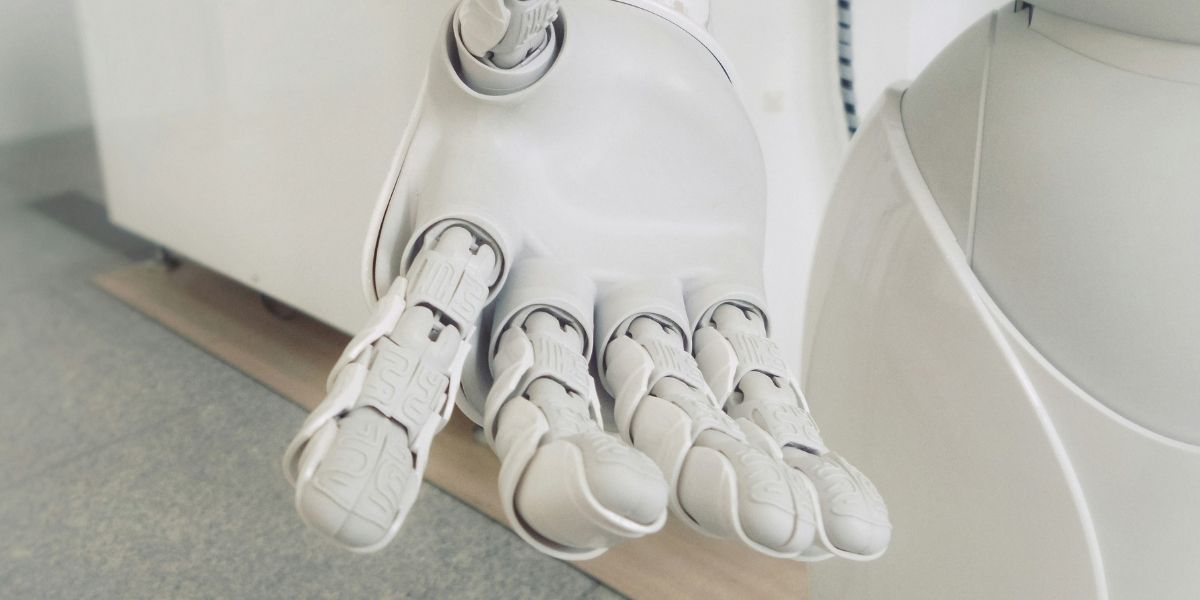
Feather Robotics is developing humanoid robots that can be adapted for different commercial applications rather than built around a single fixed use. The startup’s approach combines customizable physical components with software intended to support developers working with the robots.

The modular design allows customers to adjust parts of the robot for particular requirements. One example is the ability to modify components such as arm lengths, giving users a way to configure the hardware for different applications.

Feather Robotics is also positioning its robots as a platform for developers. This approach places the company’s hardware and software together as a system that can be adapted for specific tasks.

The developer-focused model also reflects a broader shift toward robotics platforms that combine physical systems with programmable control layers. New companies are building robot-control software and systems that help developers adapt machines to specific tasks.

The company is selling its robots for about $30,000. The commercial price provides a defined product offering for businesses interested in deploying humanoid robots for physical tasks.

Feather Robotics has reported more than $1 million in revenue. That figure comes alongside its efforts to expand the range of tasks its robots can perform for commercial customers.

Founders Build on Experience in Humanoid Robotics

Feather Robotics was founded by Hoa Mai and Parsa Bakhtiari. Their backgrounds in humanoid robotics provide the foundation for the company’s focus on building a modular robot platform.

Mai previously worked on humanoid robotics before co-founding Feather Robotics. Bakhtiari also brings experience in robotics and engineering, including work connected to the Tesla Model 3.

The founders’ experience is reflected in Feather Robotics’ decision to focus on both the physical robot and the software environment surrounding it. The company is developing a system that can be adjusted for different users rather than treating the robot as a single-purpose machine.

The developer focus also gives the company a way to address multiple applications through the same underlying platform. Customers can use customizable hardware and software to adapt the robots to particular operational requirements.

For a humanoid robotics startup, that structure places product flexibility alongside the physical capabilities of the robot. Feather Robotics is therefore selling a configurable system rather than presenting its hardware as a fixed product with only one intended commercial use.

Customizable Hardware Supports Different Commercial Tasks

Feather Robotics has begun using its robots for commercial tasks that include cooking in restaurants and cleaning science laboratories. These applications give the company’s humanoid systems defined physical jobs within business environments.

Restaurant cooking and laboratory cleaning require different physical tasks, which makes the company’s modular approach relevant to its commercial model. The ability to customize robot components allows the same broader platform to accommodate different requirements as commercial humanoid robot deployments expand into a wider range of real-world settings.

The company is also developing its platform for developers. This means the product is not limited to the specific applications already associated with its robots. Developers can work with the hardware and software to build or adapt systems for particular uses.

The combination of modular hardware and software is central to Feather Robotics’ product strategy. Physical components can be changed for different requirements, while the software provides the foundation for adapting the robot to applications.

The approach also gives Feather Robotics a way to address businesses with different operational needs without requiring every customer to use an identical configuration. Customization can occur at the component level, including physical changes such as different arm lengths.

The company’s commercial applications show that its robots are being positioned for work performed in physical environments. Restaurant and laboratory tasks provide specific examples of the type of work the platform is being developed to handle.

Feather Robotics Reports Early Commercial Revenue

Feather Robotics has reported more than $1 million in revenue while selling its humanoid robots for about $30,000 each. The reported revenue provides a measure of the company’s commercial activity as it develops its robotics platform.

The pricing establishes a direct business model around sales of physical robotic systems. Customers can purchase robots configured for their intended applications rather than accessing only a software product.

The company’s reported use cases also connect its product to business operations. Restaurant cooking and laboratory cleaning are examples of tasks where a physical robot can be deployed within an existing workplace.

Feather Robotics Builds a Platform for Physical AI

Photo Credit: Unsplash.com

The revenue figure and commercial deployments distinguish Feather Robotics’ approach from a development effort focused only on building prototype hardware. The startup has moved its robots into customer-facing applications while continuing to develop the platform for broader developer use.

Its modular structure also allows the company to address multiple applications without defining the product around a single task. Changes to physical components can support different requirements, while the software side of the platform gives developers additional flexibility.

The result is a business centered on a configurable humanoid robot rather than a single narrowly defined machine. Feather Robotics’ reported revenue indicates that the company has begun converting that product strategy into commercial sales.

Startup Funding Supports Further Robotics Development

Feather Robotics has raised $7.6 million in previously announced pre-seed funding. The funding provides capital for the startup as it develops its modular humanoid robotics platform and expands its commercial product.

The company’s funding and revenue provide two separate indicators of its business development. The funding supports the company’s continued development, while reported revenue comes from its sales activity.

Feather Robotics’ product is priced at about $30,000, giving the company a defined commercial offering alongside its developer-focused platform. Its robots are already associated with applications in restaurants and science laboratories.

The startup’s platform model also connects its funding to a broader product structure. Instead of developing a robot for one specific task, Feather Robotics is building hardware and software that can be customized for different commercial requirements.

That approach gives the company several components to develop at the same time: the humanoid robot itself, configurable hardware, software for developers and applications for business customers.

The company’s reported revenue, existing commercial uses and previously announced funding establish the current foundation of its business. Feather Robotics is building its physical AI offering around robots that can be adapted to different tasks while remaining part of a common platform.

Frequently Asked Questions

What is Feather Robotics?

Feather Robotics is a humanoid robotics startup founded by Hoa Mai and Parsa Bakhtiari. The company develops modular robots with customizable hardware and software for developers and businesses.

Who founded Feather Robotics?

Feather Robotics was founded by Hoa Mai and Parsa Bakhtiari. Both founders have experience connected to robotics and engineering.

What does Feather Robotics’ humanoid robot do?

The company’s robots have been used for commercial tasks including cooking in restaurants and cleaning science laboratories. The modular platform is designed to support different applications.

How much does a Feather Robotics robot cost?

Feather Robotics sells its robots for about $30,000. The robots can be customized for specific applications, including changes to physical components such as arm lengths.

How much funding has Feather Robotics raised?

Feather Robotics has raised $7.6 million in previously announced pre-seed funding. The company has also reported more than $1 million in revenue from its business.