

Tampa Bay Wave Startup Accelerator Reaches No. 3 U.S. Ranking


Tampa Bay Wave has been ranked No. 3 among U.S. startup accelerators and No. 1 in Florida in Time’s 2026 ranking. The recognition puts new attention on the Tampa-based nonprofit and its reported work with more than 670 companies, while founder Ed Buckley’s experience with Peerfit offers a closer look at how that support worked in practice.
Key Takeaways
- Tampa Bay Wave ranked No. 3 among U.S. startup accelerators and No. 1 in Florida in Time’s 2026 ranking.
- The nonprofit says it has supported more than 670 companies across 45 founder cohorts.
- Companies supported by Tampa Bay Wave have raised more than $1.8 billion in capital.
- Ed Buckley credits the organization with helping Peerfit navigate a difficult early stage.
- Buckley’s current company, Scholar Education, says its AI teaching technology is being used by 20,000 students in the Tampa Bay area.
Tampa Bay Wave received the No. 3 position among U.S. startup accelerators and ranked No. 1 in Florida in Time’s 2026 ranking of incubators and accelerators. The ranking considered factors including alumni recommendations, organizational track record, and recognition from experts.
The result gives Tampa Bay Wave national recognition for its work supporting technology founders and early-stage companies from its base in Tampa.
“A ranking like this is nice validation that what we are doing actually does work,” Tampa Bay Wave CEO Linda Olson said.
Olson founded the nonprofit with the goal of bringing startup resources commonly associated with major technology centers to the Tampa Bay area. She has also framed that work as part of a broader effort to make technology entrepreneurship more visible to people growing up in the region.
“Honestly, what I want is for kids growing up here to see that kind of success in their backyard so that they know they have that option when they’re growing up, too,” Olson said.
Founder Support Defines Tampa Bay Wave’s Model
Tampa Bay Wave works with founders through accelerator programs and other forms of support intended to help young technology companies develop and scale. The organization says it has worked with more than 670 companies through 45 founder cohorts.
Companies that have participated in its programs have raised more than $1.8 billion in capital, according to reporting on the organization’s 2026 ranking.
Olson said those figures also reflect the companies entering the programs.
“While those numbers are impressive, it really speaks to the high-caliber companies that we work with,” Olson said.
The model centers on giving founders access to guidance and resources while they work through challenges that often arise during early company development. Other entrepreneurs are pursuing different paths to scale, including bootstrapped startup growth, underscoring the range of approaches founders now use to build young businesses.
For Tampa Bay Wave, the emphasis remains on creating a local support structure rather than requiring founders to rely exclusively on established technology hubs.
Ed Buckley Credits Early Support With Peerfit’s Survival
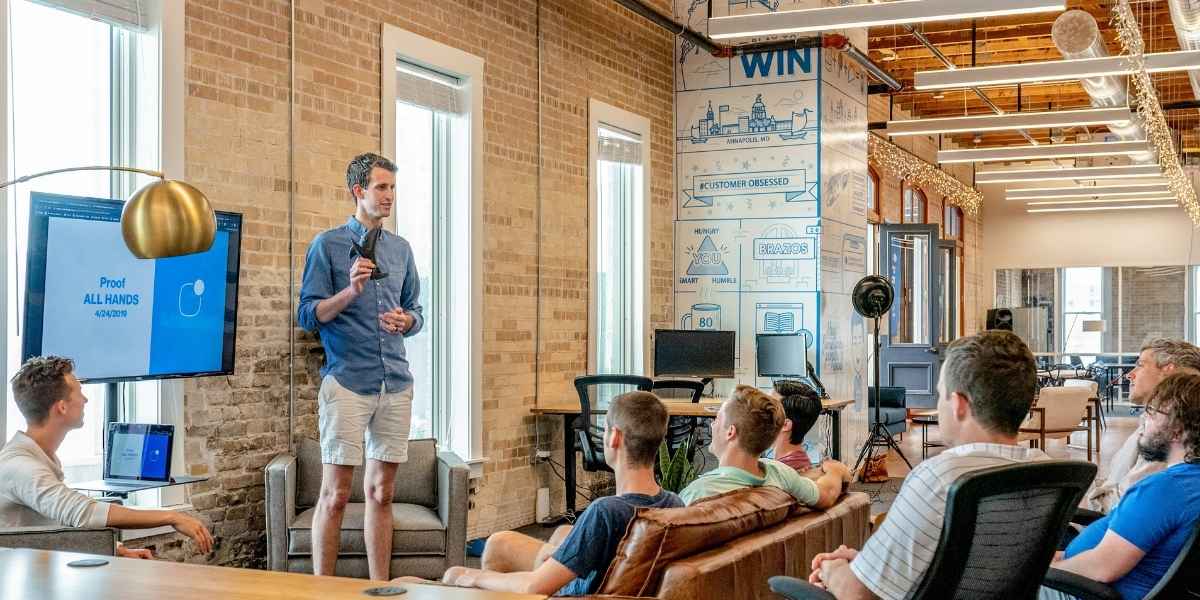
Photo Credit: Unsplash.com
Entrepreneur Ed Buckley offers one example of how that support can affect a company during its earliest stages.
Before founding Scholar Education, Buckley helped build Peerfit, a health and fitness technology company. He said the business had generated only about $1,000 in revenue when it began working with Tampa Bay Wave.
“It was a young startup. It was just me and the co-founders and really hadn’t figured much out. I think maybe we did $1,000 in revenue when we started,” Buckley said.
Buckley described Tampa Bay Wave’s guidance as important to Peerfit’s ability to continue operating at a point when its founders were struggling to determine their next steps.
“If we hadn’t gone in there, the company would have been dead, no questions asked,” Buckley said. “Like, we had already tried everything that we could do on our own. So having the support system and the guidance was the game changer.”
Peerfit later became part of FitOn, which announced its acquisition of the company in February 2022. Buckley remained involved in the combined business following the transaction.
His account provides a specific example behind Tampa Bay Wave’s broader company figures. Rather than focusing only on the number of companies that have participated in its programs, Buckley’s experience illustrates the type of early-stage challenge the organization was designed to address.
Scholar Education Extends Buckley’s Startup Work
Buckley is now the founder of Scholar Education, which is developing an AI teaching tool with separate assistants for students and teachers.
The student assistant, Baxter Bot, is intended to work as a real-time tutor during class. Professor Bruce, the teacher assistant, is designed to support educators before, during, and after lessons.
“You can see our two awesome animal AI assistants. We’ve got Baxter Bot, which is the kid’s assistant. Think of it like a real-time tutor to help the students during class, and then Professor Bruce is the assistant for teachers both before, during and after class,” Buckley said.
Buckley said Scholar Education’s technology is currently being used by 20,000 students in the Tampa Bay area.
The project places his latest company within a broader shift toward AI-powered learning tools designed to support students, teachers, and other users through more personalized digital experiences.
Scholar Education also gives Buckley’s relationship with Tampa Bay Wave a longer-term context. His earlier company entered the accelerator at a formative stage, while his current work reflects another phase of his experience as a technology founder.
The Ranking Puts Tampa Bay’s Founder Network in Focus
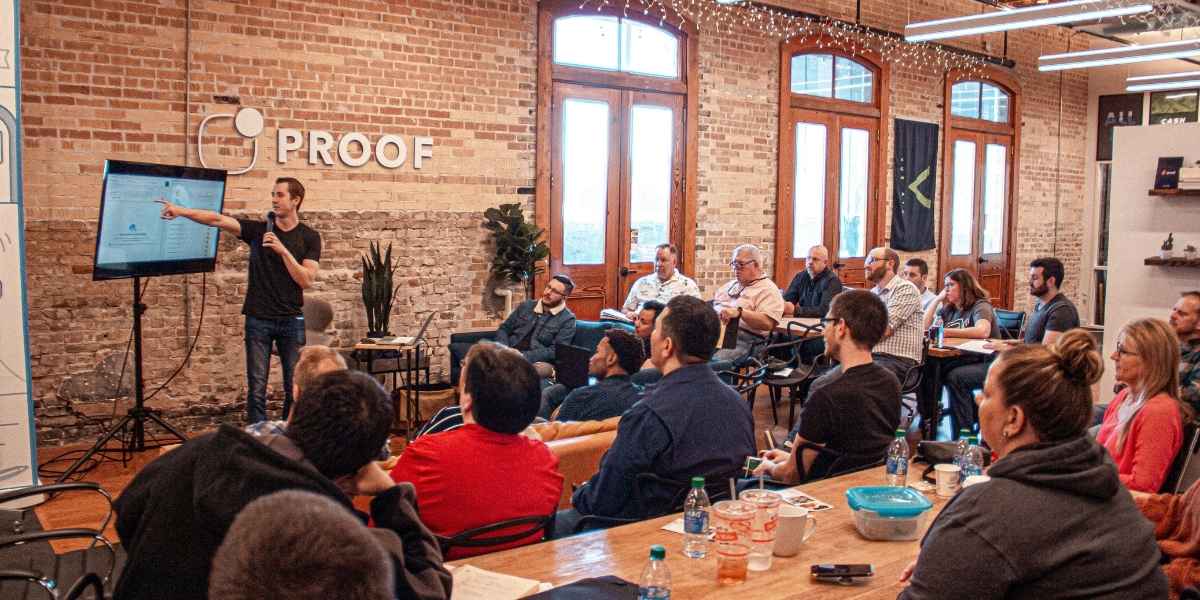
Photo Credit: Unsplash.com
Tampa Bay Wave’s national ranking combines two parts of its story: the scale of its reported work with hundreds of companies and the individual experiences of founders who have participated in its programs.
For Olson, the underlying objective remains regional. She has said she wanted technology founders in Tampa Bay to have access to resources closer to home and for younger people in the area to see technology entrepreneurship as a viable path.
Buckley’s account offers one example of that model in practice. Peerfit entered Tampa Bay Wave at an early stage when its founders were still working through basic questions about the business, and Buckley credits the accelerator’s support with helping the company continue.
The Tampa Bay Wave startup accelerator now carries a No. 3 national ranking that places greater attention on that founder-support model and the technology ecosystem developing around it.
Frequently Asked Questions
What is Tampa Bay Wave?
Tampa Bay Wave is a Tampa-based nonprofit that supports technology startups through accelerator programs and other founder resources. The organization says it has worked with more than 670 companies across 45 founder cohorts.
What ranking did Tampa Bay Wave receive in 2026?
Tampa Bay Wave ranked No. 3 among U.S. startup accelerators and No. 1 in Florida in Time’s 2026 ranking. The ranking considered factors including alumni recommendations, track record, and expert recognition.
How much capital have Tampa Bay Wave companies raised?
Companies supported by Tampa Bay Wave have raised more than $1.8 billion in capital, according to reporting surrounding the 2026 ranking. The figure represents fundraising by participating companies rather than revenue generated by Tampa Bay Wave itself.
How did Tampa Bay Wave support Ed Buckley?
Buckley said Peerfit was still at an early stage when it entered the Tampa Bay Wave startup accelerator. He credited the organization’s support system and guidance with helping the business continue when its founders had struggled to make progress independently.
What is Ed Buckley working on now?
Buckley is the founder of Scholar Education, which is developing AI assistants for students and teachers. He said the company’s technology is currently being used by 20,000 students in the Tampa Bay area.
