Building More Than a Practice and Why Dr. Yigit Gol Created Evolve Endodontics

By: Julian Ashford
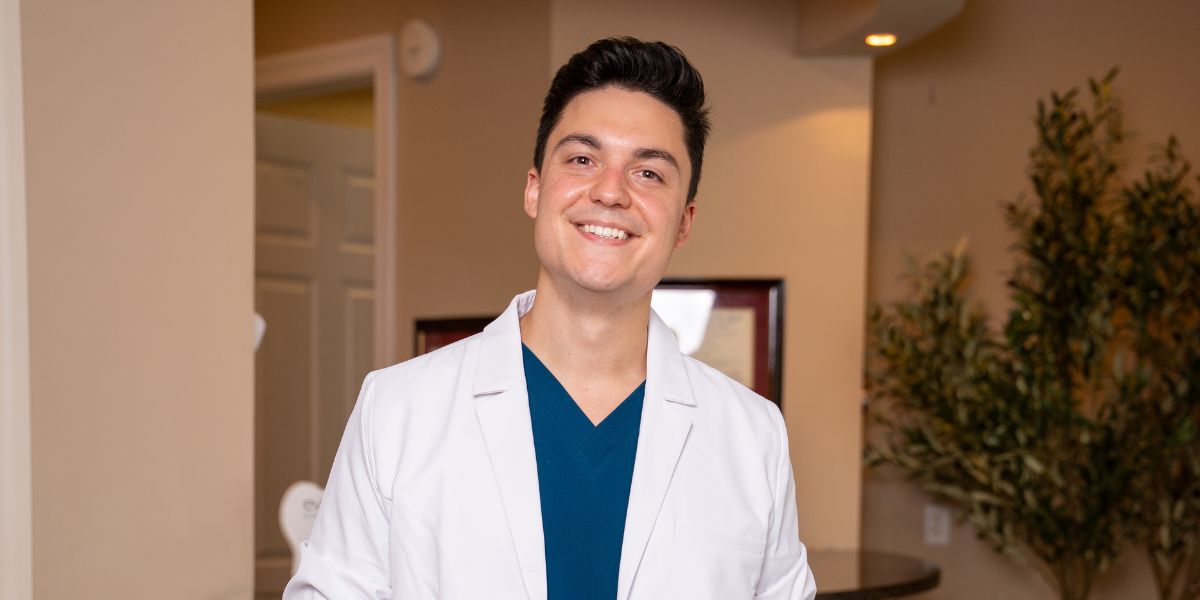
For many healthcare professionals, opening a private practice marks the beginning of a new business venture. For Dr. Yigit Gol, founder of Evolve Endodontics in Westhampton Beach, it represents something far more personal: a chance to build a practice guided entirely by integrity, compassion, and a commitment to preserving patients’ natural teeth.
While modern dentistry continues to evolve through new technologies and advanced treatment techniques, Dr. Gol believes the foundation of exceptional care has remained unchanged.
“It starts with listening,” he says. “Every patient deserves an honest conversation about their diagnosis, their options, and what gives them the best chance for long-term success.”
That philosophy is rooted in an experience that changed the course of his own life.
During his second year of dental school at Stony Brook School of Dental Medicine, Dr. Gol developed a painful tooth infection. An endodontic resident treated him with a root canal while he watched the procedure unfold on a nearby monitor.
Rather than simply relieving his pain, the experience sparked a fascination with the precision and artistry of endodontics.
“The resident not only relieved my pain, but he saved my tooth,” Dr. Gol recalls. “To this day, I still admire the quality of his work every time an X-ray is taken. That experience inspired the care I provide to my own patients.”
Years later, after completing his dental education at Stony Brook, a General Practice Residency at St. Charles Hospital, and advanced specialty training in endodontics, Dr. Gol opened Evolve Endodontics with one clear objective: create the type of specialty practice he would want his own family to visit.
“I value the autonomy that private practice provides,” he explains. “It allows me to make every treatment decision based solely on what is best for the patient, free from unnecessary pressures. My focus is always on taking the time to do things the right way.”
That patient-first mindset influences every aspect of the practice.
Dr. Gol intentionally designed Evolve Endodontics to encourage thoughtful diagnosis, individualized treatment planning, and transparent communication. Every recommendation begins with understanding the patient’s condition rather than assuming every painful tooth automatically requires a root canal.
“Tooth pain can have many causes,” he says. “My responsibility is to identify the true source of the problem and recommend the treatment that is most appropriate for that patient.”
That commitment also means knowing when not to perform treatment.
“I would never recommend root canal treatment if I believe the long-term outlook is unfavorable,” Dr. Gol says. “Sometimes extraction is the better option. My commitment is not simply to perform root canals. It is to recommend the treatment that offers each patient the greatest chance for long-term oral health.”
This willingness to prioritize patients over procedures has become one of the defining principles of his practice.
Although Evolve Endodontics incorporates advanced technologies such as CBCT imaging and dental operating microscopes, Dr. Gol views those tools as supporting clinical judgment rather than replacing it.
“Technology supports more accurate diagnosis and more precise treatment,” he says. “But the most important decision still happens before treatment begins: making sure we’re recommending the right treatment in the first place.”
For Dr. Gol, success isn’t measured solely by clinical outcomes.
He says the most meaningful moments happen in conversation with patients, whether that means putting someone at ease before a procedure or walking a patient through a diagnosis they arrived expecting to be far worse.
“Helping patients avoid unnecessary extractions and preserve their natural teeth is at the heart of everything we do,” he says.
As Evolve Endodontics begins serving patients throughout Long Island, Dr. Gol hopes to earn something more valuable than recognition.
“I hope to leave behind a legacy of trust, compassion, and excellence,” he says. “I want patients and referring doctors to know they can trust me to recommend what is truly in their best interest.”
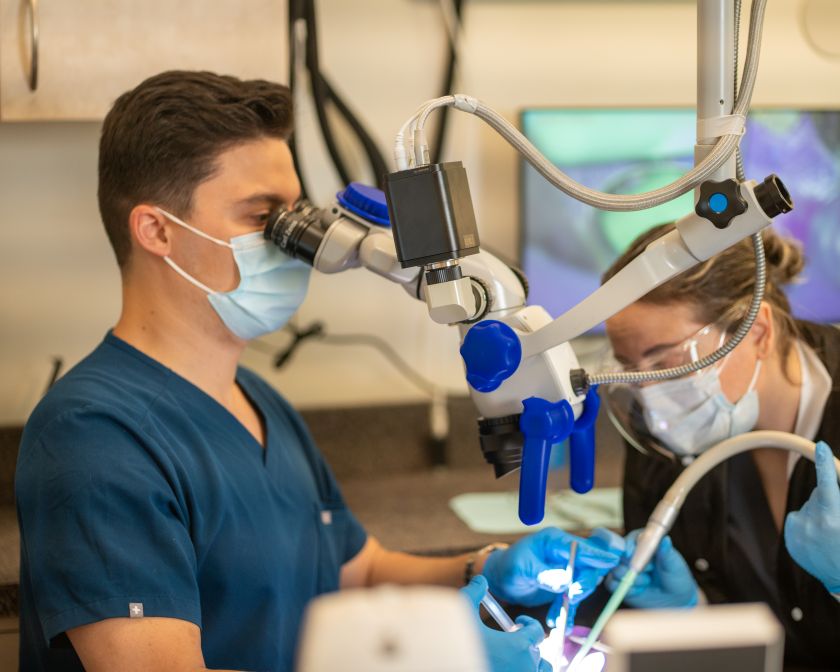
Healthcare often feels rushed and transactional, and Dr. Gol believes trust is still the profession’s most valuable asset. For him, Evolve Endodontics isn’t simply a place where root canals are performed. It is a practice built around careful diagnosis, honest guidance, and helping patients preserve what nature gave them whenever possible.
Media Contact
Evolve Endodontics
Dr. Yigit Gol, DDS
16 Old Riverhead Road, Suite A
Westhampton Beach, NY 11978
Website: www.evolveendodontics.com
Phone: (631) 998-9899
Disclaimer: This article is intended for general informational and editorial purposes only. It does not provide dental, medical, diagnostic, surgical, or treatment advice, and it should not be relied upon as a substitute for consultation with a qualified healthcare professional. Any discussion of endodontics, root canal treatment, tooth preservation, CBCT imaging, dental operating microscopes, diagnosis, prognosis, or related dental care is provided for general context only. Treatment suitability, risks, outcomes, and alternatives can vary based on each patient’s condition, medical history, diagnosis, and professional evaluation. Readers should consult a licensed dentist, endodontist, or other qualified healthcare provider before making decisions about dental care or treatment.