

Ferrari Luce Shows How Legacy Brands Can Enter the EV Market

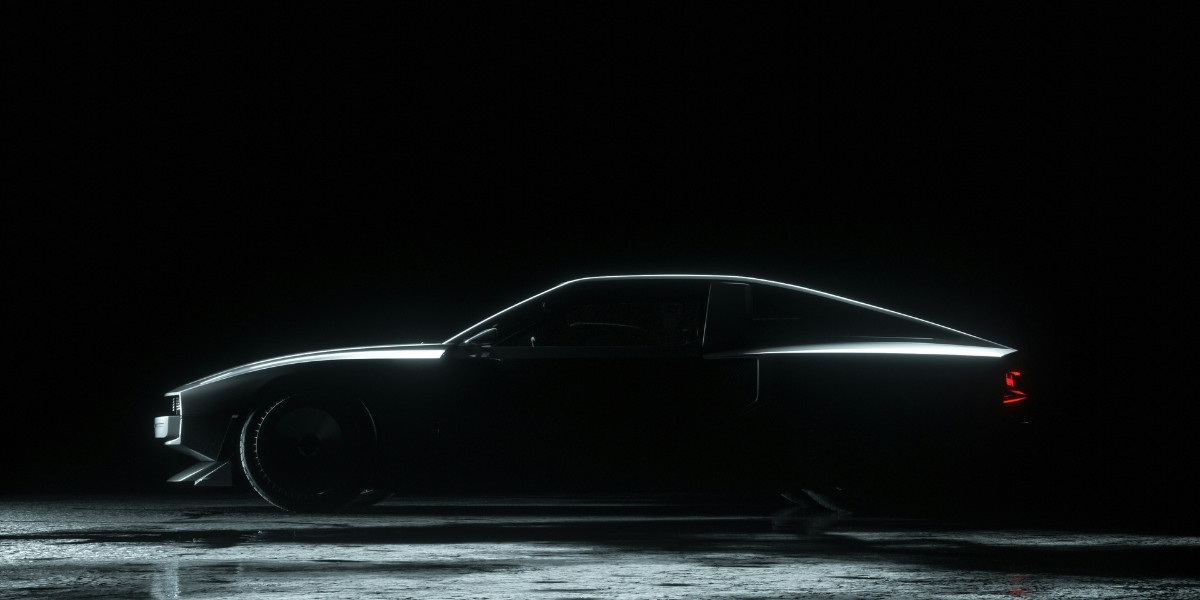
Ferrari’s first fully electric model, the Luce, has placed one of the world’s recognized performance brands into a category that remains difficult for heritage automakers to enter cleanly. The car is more than a battery powered Ferrari. It is a test of how a legacy name can move into the EV market without stripping away the identity that made the badge valuable.
The Luce was unveiled as a four door, five seat electric model, giving Ferrari a new format at the same time it enters full electrification. Public reporting has described the vehicle as a high priced, high performance EV with more than 1,000 horsepower, a range above 500 kilometers, and deliveries expected later in 2026. Those numbers give the launch technical weight, but the larger story sits in how Ferrari has framed the car.
Rather than presenting the Luce as a replacement for its combustion and hybrid models, Ferrari has positioned it as another expression of the brand. That matters in a luxury market where buyers often connect the product to sound, feel, design, and tradition as much as speed.
For legacy brands, the challenge is clear. Electric vehicles can deliver acceleration and advanced software, but they can also flatten the emotional differences between brands if every model feels defined by screens, silence, and charging figures. Ferrari’s task is to make an EV feel specific to Maranello.
A New Body Style Carries an Old Badge
The Luce moves away from the compact sports car image many buyers associate with Ferrari. Its four door, five seat layout gives the brand a more practical form, closer to a grand touring vehicle for daily use and longer trips. That choice may help Ferrari reach buyers who want the brand’s performance image without giving up space or usability.
The design also signals that Ferrari did not want its first EV to look like a familiar model with a battery added underneath. Public reports have noted the involvement of LoveFrom, the design group linked to Jony Ive and Marc Newson. The collaboration adds attention because it connects Ferrari’s first EV to a broader design conversation around physical controls, premium materials, and restrained digital interfaces.
That direction separates the Luce from EVs that rely heavily on large screens and minimal cabins. Ferrari appears to be using touchpoints, materials, and vehicle proportions to protect its luxury language. The move suggests that legacy brands entering the EV market may need more than a new drivetrain. They may need a product that explains why their history still matters in a new format.
Sound Becomes a Brand Test
Ferrari’s biggest EV challenge may be sound. The company’s identity has long been tied to engine note, throttle response, and the emotion of mechanical performance. Electric motors change that relationship immediately.
The Luce responds with a sound approach based on motor and drivetrain vibration rather than a simple fake engine track. Public reporting says the car uses sensors to capture and amplify real powertrain frequencies, giving the cabin a sound linked to the EV system itself.
That detail is significant because it shows a middle path. Ferrari is not pretending the Luce has a combustion engine. It is also not accepting silence as the default luxury EV experience. The brand is trying to create an electric sound signature that gives drivers feedback while respecting the new hardware.
For other legacy brands, this may be one of the clearer lessons from the Luce. The EV transition does not require old cues to be copied exactly. It does require brands to identify which emotional cues matter and then rebuild them honestly through new technology.
The Manufacturing Plan Shows Caution
Ferrari’s EV strategy is also visible in its production approach. The company has opened its Maranello e building to support electric models, hybrids, and combustion vehicles. That facility reflects a flexible plan rather than a full shift into one powertrain type.
The company has also revised its longer term mix. Public materials have pointed to a future lineup that keeps combustion and hybrid vehicles in the range while electric models take a smaller share. That strategy gives Ferrari room to test EV demand without making the Luce carry the full future of the company on its own.
The timing is notable because the luxury EV market has become harder to read. Some performance brands have faced slower demand for expensive electric models than expected. Ferrari’s decision to move carefully with additional EVs suggests that even a powerful badge does not remove market risk.
That caution may make the Luce more relevant as a business case. Ferrari is entering the EV market, but it is not doing so with a one direction message. It is protecting customer choice, production flexibility, and brand control.
What Luce Signals for Legacy Brands
The Luce gives legacy brands a clear example of how to enter the EV market without reducing the move to battery range and acceleration. Ferrari has built the car around performance, design, sound, scarcity, and usability. Each element connects to what the brand already sells, even as the powertrain changes.
The model also shows that an EV debut can carry risk when a company has decades of heritage behind it. Some buyers may resist the shape. Others may question whether an electric Ferrari can create the same emotional pull as a V8 or V12 model. Those reactions are part of the challenge for any brand with a strong past.
Still, the Luce shows a disciplined path. It gives Ferrari a way to speak to EV buyers without walking away from customers who still want combustion or hybrid models. It uses a new vehicle type to broaden the brand’s reach, while keeping the focus on premium execution rather than mass market adoption.
