Jollibee Lands on TIME100 as US Expansion Accelerates

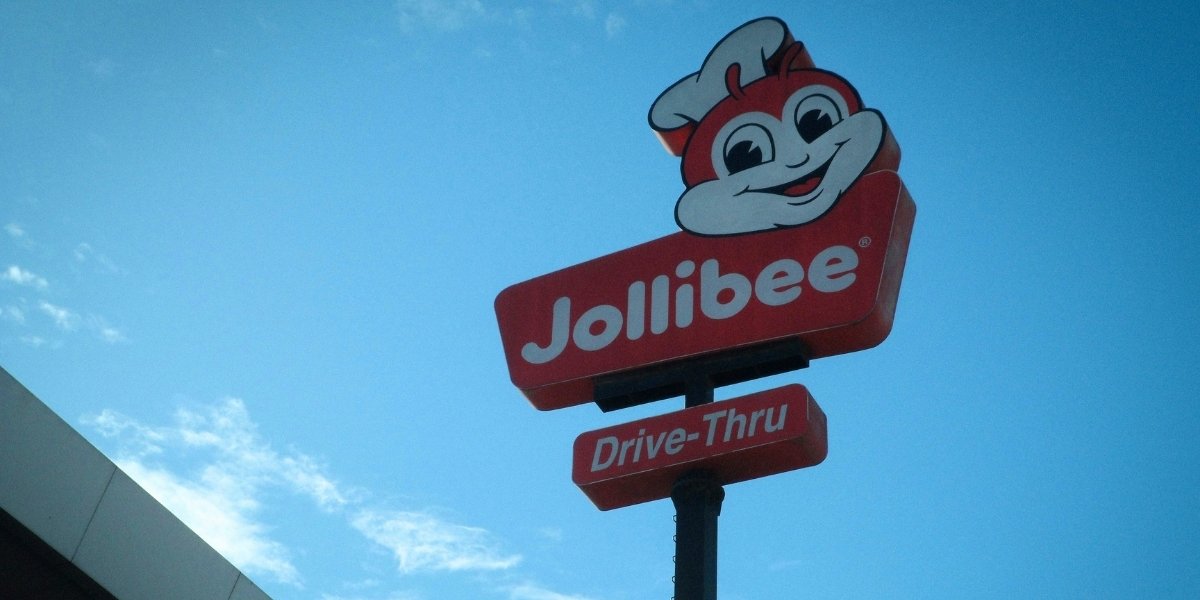
Jollibee Foods Corp. received recognition on TIME magazine’s annual list of influential companies as several US-based firms pursued large franchise agreements involving up to 50 restaurant locations across the United States. The development comes as the Philippine fast-food chain continues expanding its North American presence and increasing its visibility in international markets.
The company confirmed growing franchise interest from American operators seeking long-term development rights in key US regions. Jollibee has steadily expanded outside the Philippines through company-owned stores, acquisitions, and franchising partnerships, with North America remaining a major focus of its international growth strategy.
Jollibee’s US expansion has gained momentum amid rising demand for multicultural dining concepts and international fast-food brands. Its fried chicken, spaghetti, and burger offerings have helped strengthen brand recognition among Filipino communities while also attracting broader consumer interest through social media exposure and digital food content.
US Franchise Interest Expands Beyond Traditional Markets
Interest from American business groups pursuing large-scale franchise agreements reflects growing demand for international restaurant brands within the US fast-food industry. Several companies are reportedly evaluating multi-unit deals with Jollibee Foods Corp. involving dozens of locations across major metropolitan areas and expanding suburban markets.
Jollibee’s US franchise strategy has focused on concentrated regional growth rather than rapid nationwide expansion. Many of its locations are situated in high-traffic commercial areas and communities with established Filipino-American populations, helping the company strengthen operational consistency and local brand visibility.
The company’s expansion has also benefited from digital ordering platforms, food delivery services, and online food content that introduced the brand to broader audiences. While Jollibee Foods Corp. operates multiple international restaurant brands, including Smashburger and Coffee Bean & Tea Leaf, the Jollibee chain remains central to its long-term global growth strategy.
Recognition Highlights Global Brand Development Strategy
TIME’s inclusion of Jollibee among influential companies placed the restaurant chain alongside major global businesses across technology, entertainment, healthcare, and consumer sectors. The annual list evaluates organizations based on factors such as innovation, impact, ambition, and success in their respective industries.
For Jollibee Foods Corp., the recognition reflects years of international expansion efforts that transformed the company from a domestic fast-food operator into one of Asia’s largest restaurant groups. Founded in 1978 by entrepreneur Tony Tan Caktiong, the business originally began as an ice cream parlor before evolving into a quick-service restaurant company competing against larger multinational brands.
The company’s international growth strategy intensified during the past decade through acquisitions and overseas expansion initiatives. In North America, Jollibee expanded aggressively across California, Texas, Nevada, New York, Washington, and several Canadian provinces. Many locations reported long customer lines during opening periods, particularly in communities with strong Filipino populations.
Executives have repeatedly identified North America as a major long-term growth region because of its large consumer base and expanding demand for international food concepts. The company has also emphasized operational investments designed to support future expansion, including commissary infrastructure, logistics systems, and workforce development programs.
Recognition from international business organizations and publications has become increasingly important for consumer-facing companies seeking broader investor confidence and franchise interest. Inclusion on widely recognized corporate lists often strengthens brand visibility among commercial developers, financial groups, and prospective business partners evaluating expansion opportunities.
Jollibee’s recent recognition also arrives during a period when Asian restaurant concepts continue gaining larger market share within the US quick-service industry. Korean fried chicken chains, Japanese fast-casual brands, and Southeast Asian food concepts have expanded significantly across major American cities during the past several years.
North American Growth Becomes Central to Long-Term Targets
Jollibee Foods Corp. has outlined long-term goals involving continued international revenue growth and a larger contribution from overseas operations. North America has emerged as one of the company’s most important expansion markets because of consumer spending levels and broader restaurant industry scale.
The company’s US business strategy combines flagship urban locations with suburban expansion and regional clustering. Concentrating stores within targeted geographic areas allows operators to improve supply chain efficiency while strengthening local brand awareness through repeated consumer exposure.
Large franchise agreements involving dozens of stores could accelerate expansion timelines considerably if finalized. Multi-unit operators often possess established restaurant management systems, real estate connections, and workforce recruitment capabilities that allow faster store development compared with independent franchisees.
Commercial real estate trends have also created opportunities for restaurant chains seeking expansion. Retail vacancies in some suburban and mixed-use developments have allowed restaurant operators to secure locations previously occupied by traditional retail tenants. Fast-food and quick-service brands have increasingly benefited from drive-thru demand, delivery integration, and flexible store formats.
Jollibee’s menu positioning may also support broader US growth because it combines familiar fast-food categories with distinctive flavor profiles tied to Filipino cuisine. Fried chicken remains one of the most competitive restaurant segments in the United States, but chains offering differentiated products have continued attracting investor attention and consumer interest.
The company’s leadership has maintained that international growth remains essential to long-term financial performance. Overseas sales and acquisitions have become increasingly important contributors to overall corporate revenue, reducing dependence on domestic Philippine operations.
Jollibee Foods Corp. has also invested in digital ordering systems and loyalty initiatives aimed at strengthening repeat customer engagement. Mobile applications, third-party delivery partnerships, and social media marketing campaigns have become central components of modern quick-service restaurant expansion strategies.