

Affordable EV Startup Slate Auto Gain Momentum in U.S. Market

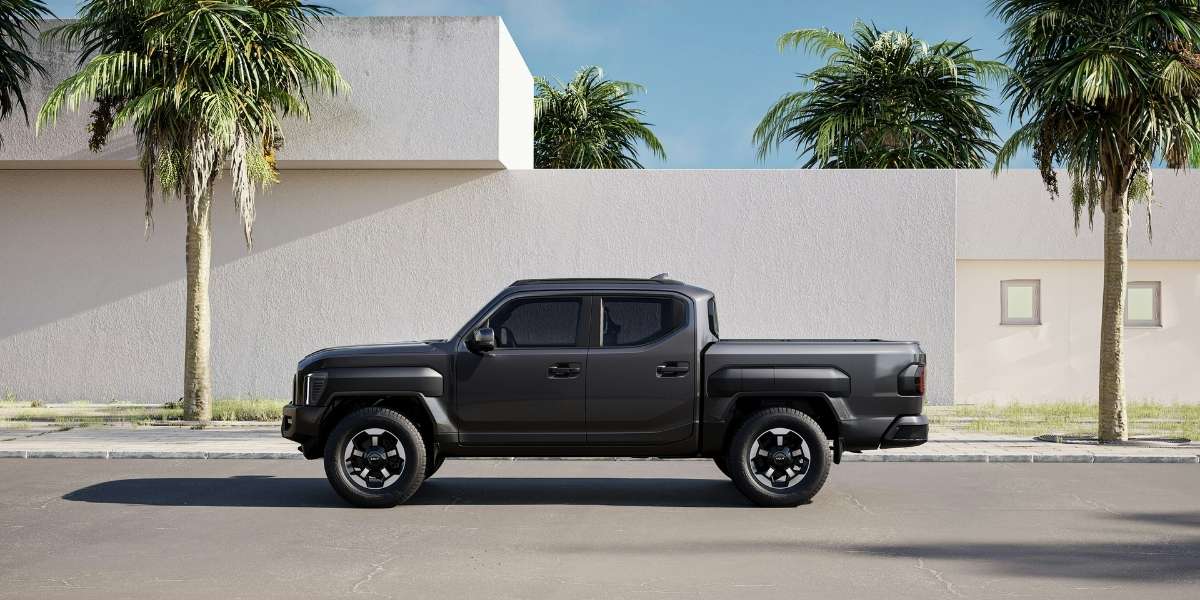
Slate Auto signals shift toward lower cost electric vehicles as the company introduces a simplified electric pickup platform built around cost control, modular engineering, and direct distribution. The strategy places the company within a segment that has seen limited activity as vehicle prices continue to rise across the broader automotive market.
Slate Auto enters lower cost electric vehicles segment with modular pickup
Slate Auto has introduced a compact electric pickup designed with a modular structure that allows for multiple configurations. The base model is a two-seat pickup, with the option to convert the vehicle into an SUV through additional components. This flexible design reduces the need for multiple distinct models while allowing buyers to adapt the vehicle to different use cases.
The company has outlined a starting price in the mid-$20,000 range before incentives. This places the vehicle below the average transaction price for new vehicles in the United States, which remains near $50,000 according to recent industry data. The pricing direction aligns with a segment of buyers seeking lower upfront costs as affordability continues to influence purchasing decisions.
Slate Auto operates through a direct-to-consumer model. Reservations are placed online with a refundable deposit, reflecting a shift away from traditional dealership-based transactions. The approach allows the company to manage pricing and customer engagement without relying on third-party retail networks.
Slate Auto simplifies vehicle design to support cost reduction
Slate Auto’s vehicle architecture is structured around reducing complexity in both production and assembly. The platform uses modular components that allow different configurations without requiring entirely separate vehicle lines. This approach lowers the number of unique parts and simplifies manufacturing workflows.
Battery configurations include multiple capacity options, giving buyers a choice between range and cost. The company has not positioned its vehicle as a long-range premium offering. Instead, the design reflects common driving patterns, where daily travel distances are typically shorter.
The simplified structure extends to the broader vehicle system. Standardized components reduce production variability and help control manufacturing costs. This approach also limits exposure to supply chain disruptions associated with specialized parts and materials.
Slate Auto expands direct sales and service infrastructure
Slate Auto has removed the traditional dealership layer, opting for a direct sales structure. Customers complete purchases online, with delivery coordinated through regional service locations. This model reduces the overhead associated with maintaining physical retail networks.
The company has outlined support for home charging setup through partner services. Residential charging remains the primary method for electric vehicle owners, making home installation a key part of the ownership process. Integrating this service into the purchasing journey reflects a broader shift toward simplified ownership experiences.
Direct sales provide the company with greater control over pricing and customer interaction. It also allows for faster adjustments to product offerings without requiring coordination with independent dealerships.
Slate Auto aligns with established charging standards
Slate Auto vehicles are designed to be compatible with the North American Charging Standard. This allows drivers to access a large network of fast-charging infrastructure, including Tesla’s Supercharger system across North America.
The company is not developing a proprietary charging network. Instead, it is focusing on compatibility with existing infrastructure to reduce capital requirements while expanding charging access for customers. This approach reflects a practical response to the high costs associated with building and maintaining independent charging networks.
Charging access remains a key factor in electric vehicle adoption. Industry data continues to show that concerns related to charging availability and convenience influence purchasing decisions, particularly among first-time buyers.
Slate Auto targets commercial and fleet use cases
Slate Auto is also positioning its platform for commercial applications, including local delivery and service fleets. Electric vehicles are often considered for these roles due to fewer moving mechanical parts and reduced maintenance complexity compared to internal combustion vehicles.
The company has introduced fleet-oriented tools and messaging aimed at businesses evaluating operational efficiency. While large-scale adoption remains in development, interest from commercial operators reflects ongoing electrification trends in logistics and urban transport.
Fleet deployments can generate performance data that informs product updates. For a newer manufacturer, this data supports ongoing improvements in durability, efficiency, and system performance.
Slate Auto scales production through centralized manufacturing strategy
Slate Auto is focusing on centralized manufacturing within the United States as it prepares to scale production. Recent reporting highlights capital investment directed toward establishing a primary production facility, with plans to increase output in phases.
This approach emphasizes controlled expansion. By concentrating production in a single facility during early stages, the company can maintain quality standards while managing costs. It also allows for operational adjustments as demand develops.
The company’s production strategy reflects a measured approach to growth. Rather than expanding rapidly across multiple facilities, Slate Auto is aligning manufacturing capacity with demand to reduce risk during initial scaling.
Slate Auto reflects broader shift toward lower cost electric vehicles
The electric vehicle market continues to evolve as pricing remains a central concern for buyers. Early adoption has been driven largely by higher-priced models, leaving a gap in lower cost segments.
Slate Auto’s entry into the market highlights a shift toward affordability and simplified ownership. Its strategy focuses on reducing upfront costs while maintaining functionality for everyday use. This direction aligns with changing buyer priorities as total ownership cost becomes a primary consideration.
The company’s approach also reflects changes in how vehicles are designed and sold. Modular engineering, direct purchasing, and reliance on existing infrastructure are becoming more prominent across newer entrants in the sector.
As Slate Auto moves toward broader production, execution across manufacturing, distribution, and service will determine its position within the competitive electric vehicle market.
