Mapping the Ideal Atlanta Billboard Locations for Reach

In a fast-growing and highly competitive market like Atlanta, choosing the right billboard placement can make the difference between a campaign that simply exists and one that delivers measurable results. Traffic flow, audience movement, and neighborhood demographics all influence how outdoor advertising performs. As businesses compete for attention across major corridors and commercial districts, understanding how to evaluate Atlanta billboard locations becomes essential for improving visibility, brand recall, and return on investment.
Outdoor advertising performs best when placement aligns with real-world movement. Commuters, tourists, and local residents follow predictable travel patterns across highways, business hubs, and entertainment districts. Because of this, mapping these movement patterns helps advertisers identify where impressions are strongest and where messaging will have the greatest impact. Rather than selecting locations based solely on availability, strategic campaigns prioritize where audiences naturally spend time.
Why Location Strategy Matters in Outdoor Advertising
Billboards are not just about size or format. Instead, visibility depends heavily on positioning, traffic speed, viewing angles, and the surrounding environment. For example, a digital board placed along a high-volume commuter corridor may generate hundreds of thousands of impressions weekly, while a poorly positioned static board may deliver far less engagement despite being in a busy area.
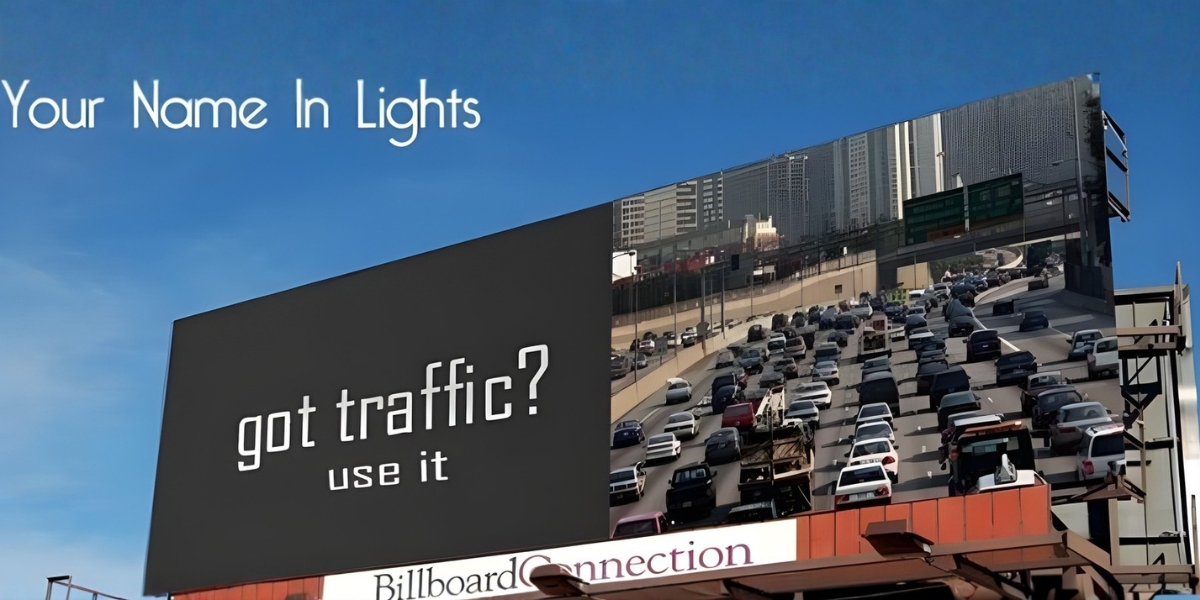
Additionally, environmental context plays a major role in message retention. Areas with heavy congestion or frequent stop-and-go traffic typically create longer viewing opportunities. In contrast, high-speed corridors require simplified creative design to ensure readability within seconds.
Effective location mapping therefore, considers several critical factors:
- Average daily traffic counts
- Nearby commercial or entertainment hubs
- Demographic alignment with campaign goals
- Directional travel patterns
- Dwell time in congested areas
When these elements work together, billboard campaigns become more targeted, more efficient, and more measurable.
Ideal Atlanta Billboard Locations by Audience Reach
Selecting the right billboard location depends on traffic patterns, audience demographics, and campaign objectives. Businesses working with Billboard Connection often prioritize high-visibility corridors and commercial districts to maximize exposure while maintaining relevance to their target audience.
Certain areas consistently perform well because they combine strong traffic volume with clearly defined audience segments.
High-Impact Billboard Areas in Atlanta
Buckhead
Affluent professionals and shoppers dominate this district, making it ideal for luxury brands, real estate, and financial services. Strong retail activity and commuter traffic create repeated exposure opportunities.
Midtown Atlanta
Known for its concentration of young professionals and urban residents, Midtown is well-suited for technology, entertainment, and lifestyle campaigns. Dense development and walkable streets also increase visual engagement.
Downtown Atlanta
Downtown attracts business travelers, event attendees, and daily commuters. As a result, corporate branding, tourism campaigns, and large-scale promotions perform especially well in this area.
Interstate 285 Corridor
This major regional loop connects multiple business districts and suburban markets. High traffic frequency makes it particularly effective for healthcare, automotive, and B2B campaigns that benefit from repeated impressions.
Each area attracts different types of audiences, from daily commuters to shoppers and event-goers, so understanding how people move through the city is essential.
Digital vs. Traditional Billboard Placement
Modern outdoor campaigns increasingly combine digital and static formats to maximize reach. Digital billboards allow advertisers to rotate messaging across multiple locations while maintaining consistent brand visibility. This flexibility helps businesses adjust campaigns quickly based on promotions, seasonal trends, or performance data.
Digital placements offer several advantages:
- Flexible scheduling
- Faster creative updates
- Multi-location rotations
- Increased impression frequency
Meanwhile, traditional static boards remain highly effective for long-term branding campaigns. Because the message remains continuously visible in a single location, static placements help reinforce brand familiarity over extended periods.
By combining both formats, advertisers can balance flexibility with consistency.
What Makes an Atlanta Billboard Location Effective
While traffic volume is important, it is only one part of the equation. Successful billboard placements also depend on how well the location aligns with audience behavior and campaign goals.
Key performance factors include:
Traffic volume: High daily traffic increases repeated exposure and overall impression counts.
Audience relevance: Matching billboard placement to target demographics improves campaign efficiency.
Dwell time: Slower traffic areas increase message retention and brand recall.
Digital availability: Digital boards allow flexible scheduling and rotating creative strategies.
When these elements are evaluated together, billboard campaigns become more strategic rather than purely location driven.
Photo Courtesy: Billboard Connection
Using Data to Identify the Ideal Atlanta Billboard Locations
Today’s most effective outdoor campaigns rely on data-driven planning instead of guesswork. Traffic analytics, demographic research, and geographic targeting tools allow advertisers to evaluate performance potential before placements are finalized.
Important data sources include:
- Traffic count reports
- Audience segmentation insights
- Travel pattern mapping
- Seasonal traffic trends
For instance, certain corridors experience heavier traffic during major events or peak travel seasons. Understanding these patterns helps businesses align campaign timing with audience movement for stronger results.
When combined with professional media planning, these insights ensure campaigns reach the right audience at the right time.
The Advantage of Full Inventory Access
One of the most common challenges businesses face in outdoor advertising is limited access to billboard inventory. Many providers offer placements only within their own networks, which can limit strategic flexibility and reduce campaign effectiveness.
However, working with a partner that provides broader access to inventory allows advertisers to select placements based on performance rather than availability. This approach ensures the location strategy remains aligned with business goals rather than vendor limitations.
With wider access to billboard options and localized planning expertise, campaigns become easier to manage and more impactful overall.
Building a Smarter Location Strategy
Mapping the popular Atlanta billboard locations requires more than identifying busy roads. Effective campaigns align location selection with audience behavior, business goals, and measurable outcomes. When placements reflect how people actually move through the city, billboard advertising becomes more predictable and more impactful. Businesses that invest in strategic planning gain greater exposure, improved brand recognition, and more efficient marketing. For organizations looking to expand their reach, working with experienced outdoor advertising specialists ensures campaigns are positioned for long-term success. Contact Billboard Connection to explore high-impact billboard opportunities across the Atlanta market and beyond.