Veteran-Owned Paul Davis Restoration of Southwest Montana Raises the Bar for Premium Property Restoration in Bozeman and Big Sky

By: Hannah Carter.
Restoring More Than Buildings Across Southwest Montana
When a home or business is damaged by fire, water, smoke, or another unexpected event, the physical loss is only part of the story. The disruption, uncertainty, and pressure to make decisions quickly can be just as overwhelming as the damage itself. In Southwest Montana, Paul Davis Restoration of Southwest Montana is helping property owners move from crisis to clarity with a restoration experience designed around speed, transparency, and premium workmanship.
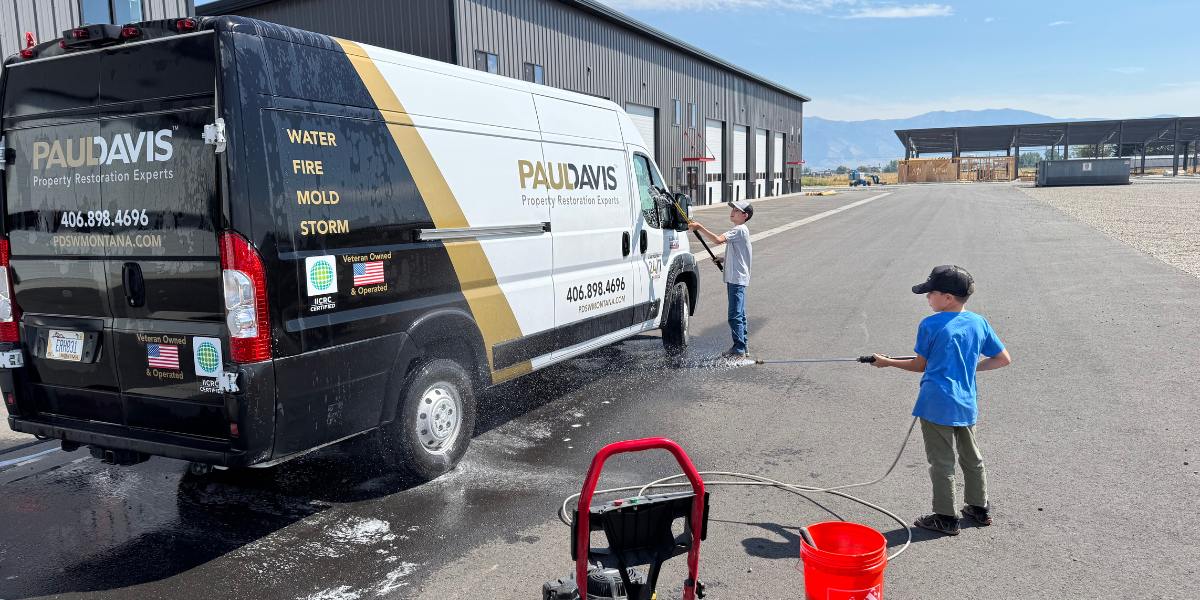
As a locally owned, veteran-owned restoration company, the team brings a disciplined, service-first mindset to every job. Their approach combines technical expertise with a calm, structured process that keeps homeowners, property managers, and business leaders informed from the first call through the final walkthrough.
A Veteran-Owned Team Built for High-Stakes Moments
Paul Davis Restoration of Southwest Montana operates with the belief that restoration should feel less like hiring a contractor and more like gaining a trusted partner. Veteran ownership plays a central role in that philosophy, shaping how the team shows up, communicates, and follows through.
The company’s culture emphasizes integrity, accountability, and attention to detail, qualities that matter when a property is vulnerable, and timelines are tight. With 24/7 emergency service and a customer-first approach, the team responds with urgency while still taking the time to explain next steps in clear, practical terms.
In a category where many property owners expect poor communication or delays, Paul Davis Restoration of Southwest Montana focuses on something different: being reachable, proactive, and consistent. Their goal is to restore not only the structure, but also a sense of stability for the people who live or work inside it.
Concierge-Level Restoration for High-End Homes and Commercial Properties
Southwest Montana includes a growing number of high-end residential properties and complex commercial environments, especially in and around Bozeman, Big Sky, and surrounding communities. These spaces often require more than basic repairs. Materials, finishes, timelines, and stakeholder expectations are higher, and the margin for error is smaller.
Paul Davis Restoration of Southwest Montana is built to serve discerning property owners who want a premium, white-glove restoration experience. Rather than prioritizing volume, the team prioritizes quality, coordination, and customer care. That includes free estimates and free in-home estimates, along with a commitment to professional service from the first site visit onward.
For property managers and commercial clients, the company also supports preparedness planning and emergency response coordination, helping organizations reduce downtime and return to normal operations more quickly when the unexpected occurs.
24/7 Emergency Response That Stabilizes Damage Fast
In restoration, fast action can make a measurable difference in the final outcome. The team is available 24/7 to respond to emergencies, stabilize the scene, and help prevent secondary damage that can occur when water intrusion, smoke residue, or compromised building materials are left unaddressed.
The company’s process is structured for rapid mobilization without sacrificing safety or quality. That balance is essential for homeowners who need quick answers, and for commercial clients who may be managing multiple moving pieces at once, including tenants, employees, and insurers.
Insurance Claim Support That Helps Reduce Stress
Insurance can be one of the most frustrating parts of a restoration project, especially for property owners facing it for the first time. Paul Davis Restoration of Southwest Montana helps clients navigate the process by coordinating documentation, communicating clearly, and managing details that can otherwise slow progress.
By taking a hands-on role in insurance claim support, the team helps clients avoid common missteps and reduces the amount of back-and-forth that can drain time and energy. The result is a smoother project experience and fewer surprises during a period that is already stressful.
Communication and Craftsmanship That Customers Notice
Technical skill matters, but the experience of restoration often comes down to communication and follow-through. Paul Davis Restoration of Southwest Montana places a strong emphasis on proactive updates, clear expectations, and meticulous jobsite standards, including cleanliness and attention to detail.
That focus shows up in customer feedback. One homeowner, Carmen Bartholomew, shared that the staff were “reliable, dependable, and respectful,” and added that their “attention to details was amazing” with cleanup “executed to a high standard.” For clients living through a disruption, details like punctuality, cleanliness, and thoughtful communication can turn a difficult situation into a manageable one.
Another common theme in client experiences is the company’s commitment to keeping people informed. Marc Riedel noted that communication was excellent throughout the restoration process, with prompt answers and clear explanations. This consistent support helps property owners feel confident in their decisions and reduces the uncertainty that often accompanies restoration work.
Specialized Solutions for Modern Restoration Challenges
Property damage is rarely simple, and Southwest Montana presents unique conditions and risks. Paul Davis Restoration of Southwest Montana is positioned to handle specialized hazards and complex situations, including wildfire and smoke impacts, odor concerns, environmental contaminants, and sensitive cleanup scenarios that require discretion and adherence to strict standards.
The company’s commitment to professional training and certification helps ensure that work is performed using sound methods, with safety and quality at the center. This is especially important for high-end homes, where the goal is not only to repair but also to restore spaces to the condition clients expect, sometimes with improvements that make the final result feel better than before.
By combining a premium service mindset with a highly trained team, the company fills a market gap for restoration services that are both technically strong and genuinely customer-centered.
A Workmanship Warranty That Protects the Finish
Restoration is not complete until the customer feels confident in the result. Paul Davis Restoration of Southwest Montana backs their work with a one-year workmanship warranty, reflecting a commitment to craftsmanship and accountability beyond the final walkthrough.
For property owners, that warranty reinforces trust. It signals that the company is not simply focused on closing a job, but on delivering a lasting outcome that holds up after the crews leave and everyday life resumes.
How Property Owners Can Get Started
Property owners who want a premium restoration partner with 24/7 emergency response, insurance claim support, and a disciplined, service-driven approach can learn more through the company’s website at Paul Davis Restoration of Southwest Montana.
For local updates, community connection, and company news, the team also shares information on Paul Davis Restoration of Southwest Montana on Facebook.
Clients who prefer to learn visually can explore educational and behind-the-scenes content on Paul Davis Restoration of Southwest Montana on YouTube.
With a focus on empathy, transparency, and premium workmanship, Paul Davis Restoration of Southwest Montana continues to prove that restoration can be done differently, with discipline in the process and care for the people impacted most.